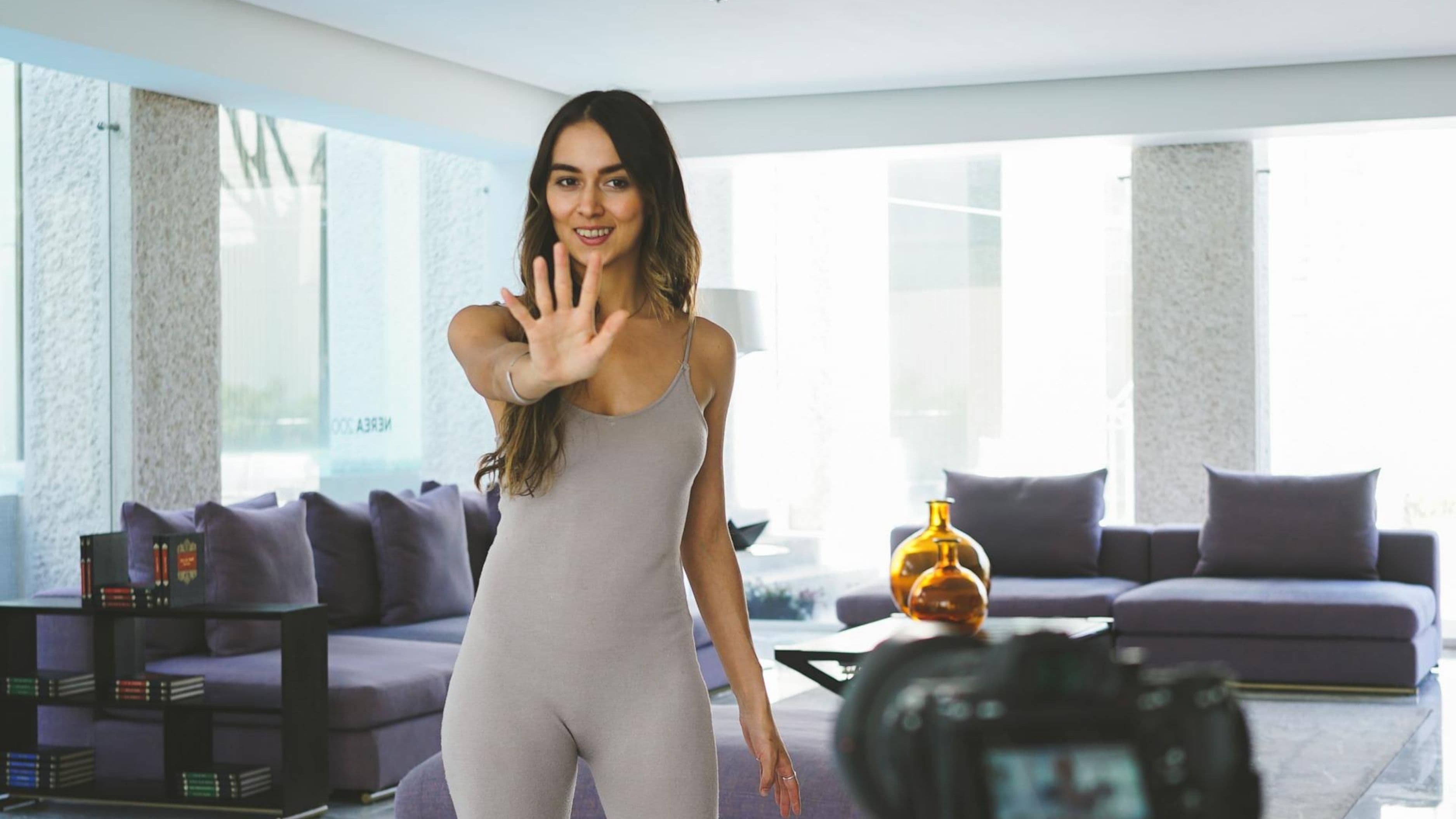

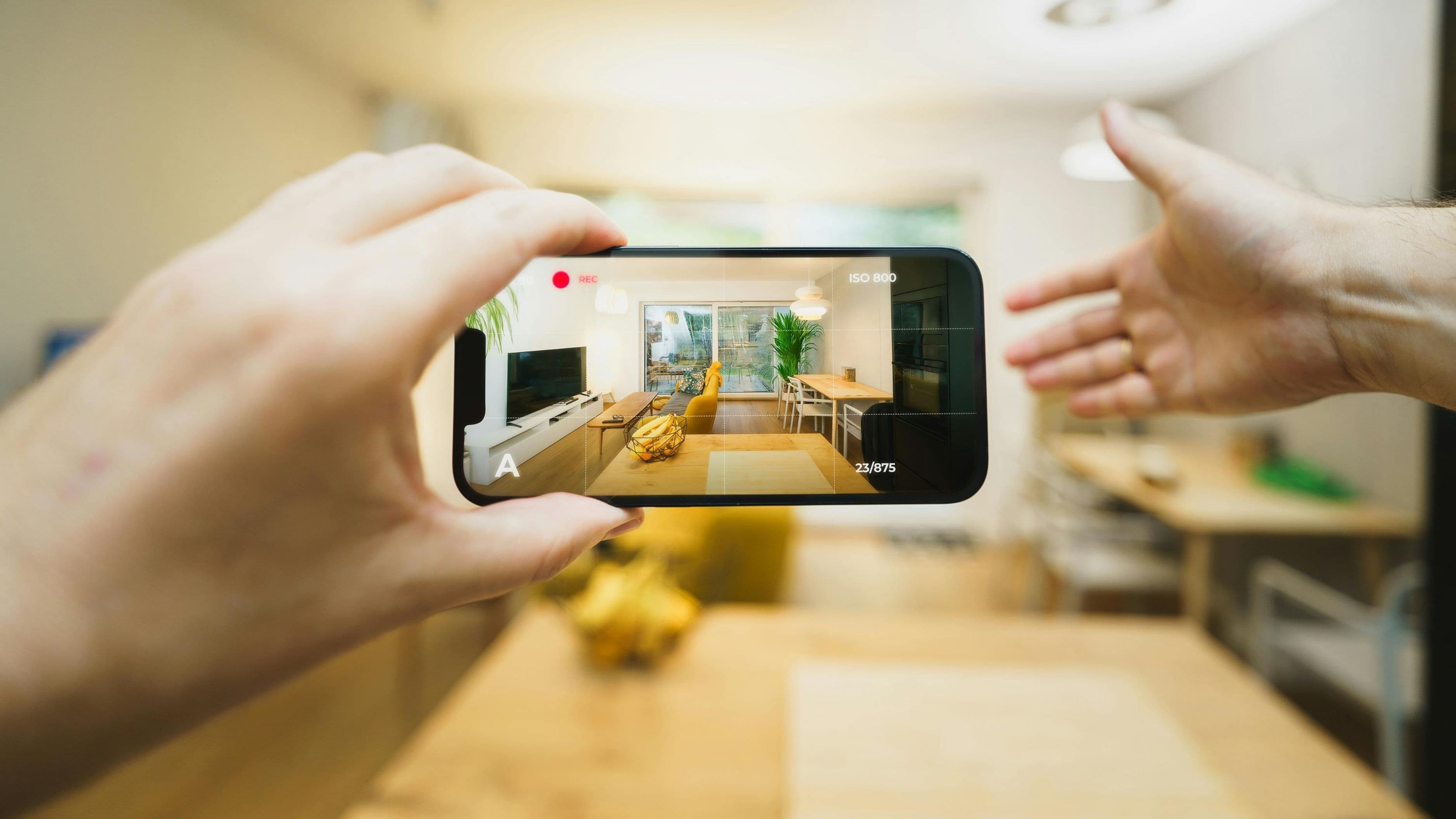
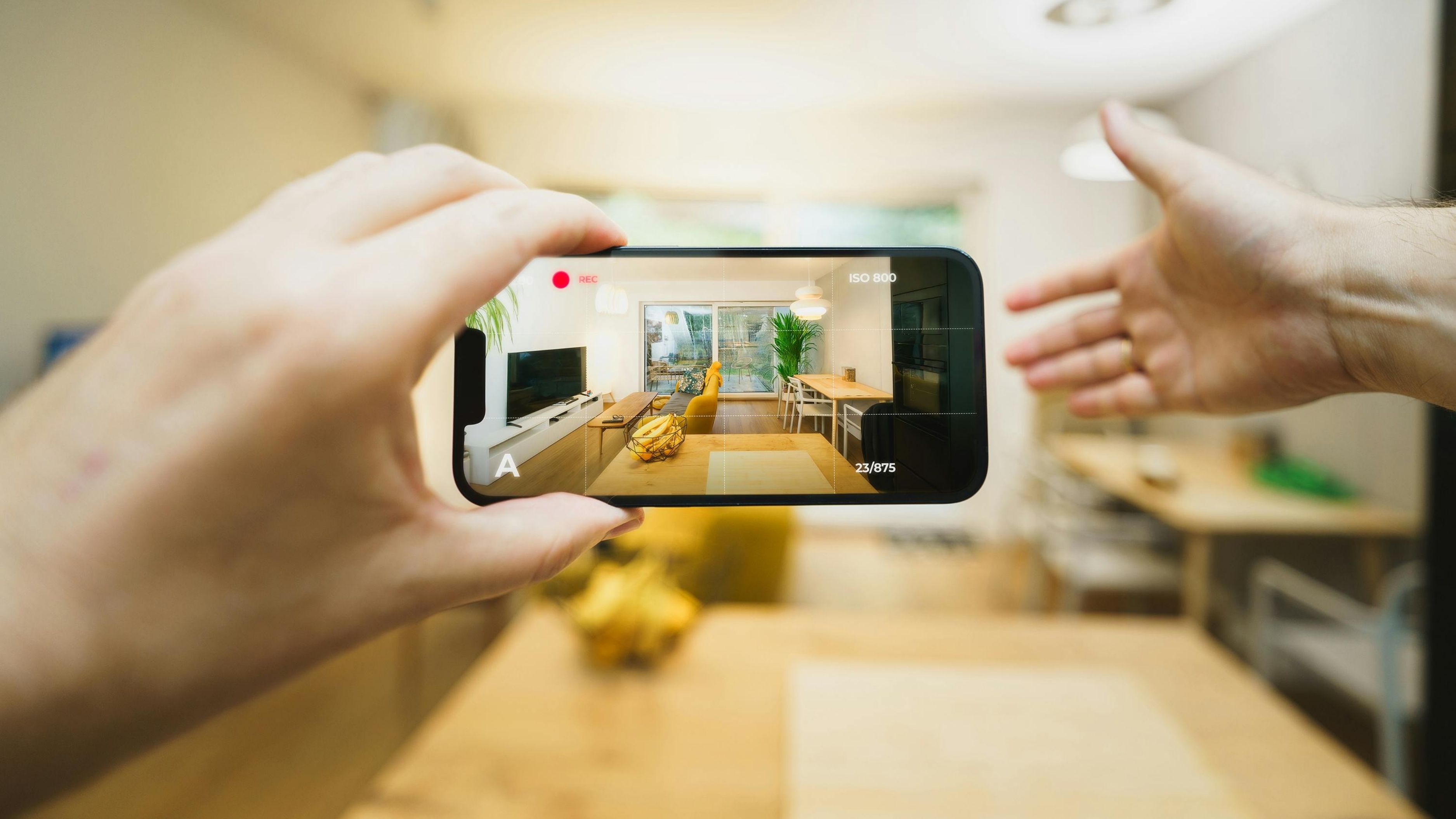
This isn't about keeping up with the Joneses next door anymore. Now, millions of eyes can peek into your space through a screen, judging your bookshelf arrangement and wondering if that plant is real. Let's explore how our new digital-first lifestyle is reshaping the way we design, decorate, and display our homes.
The Zoom-Ready Wall
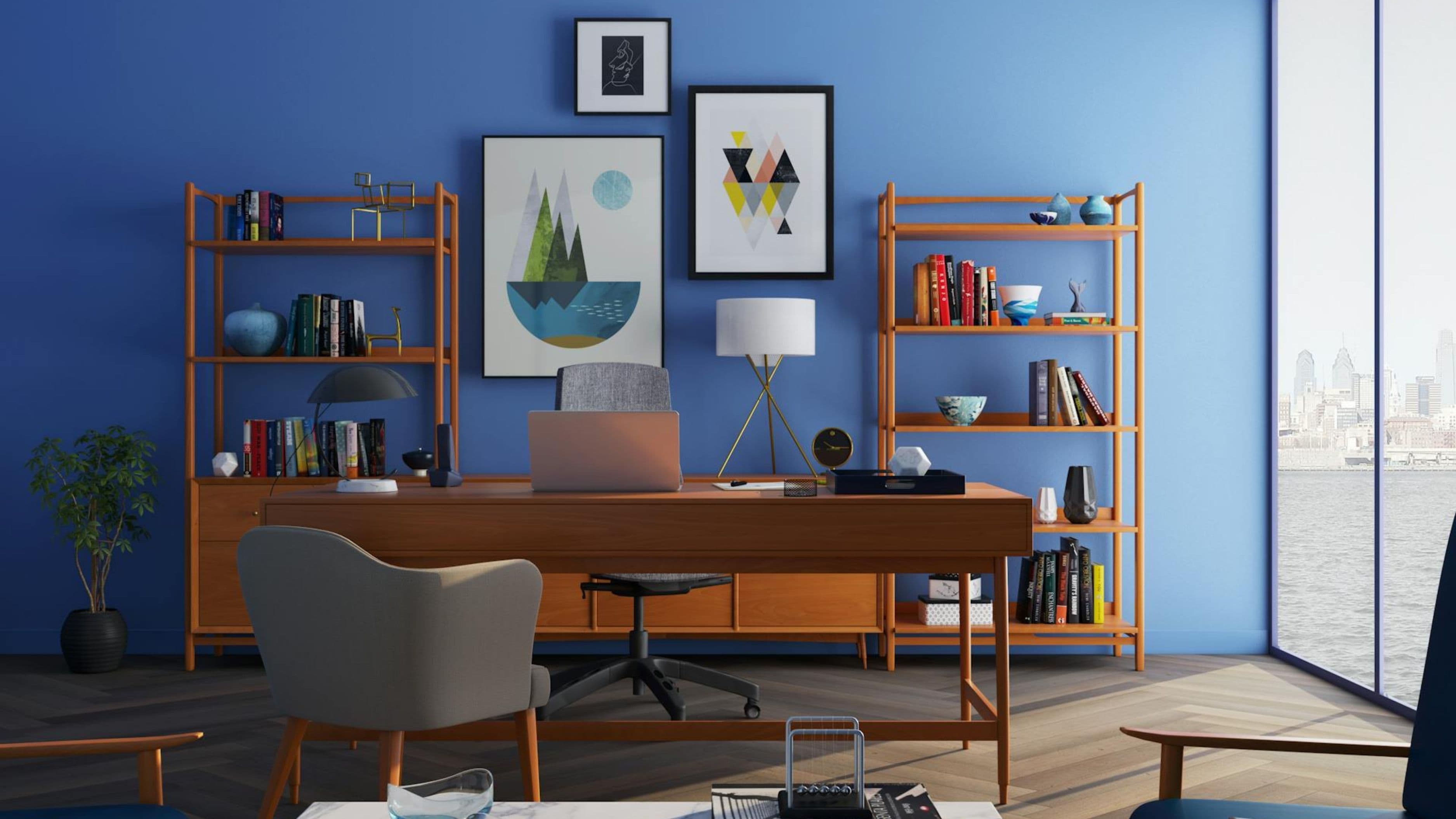
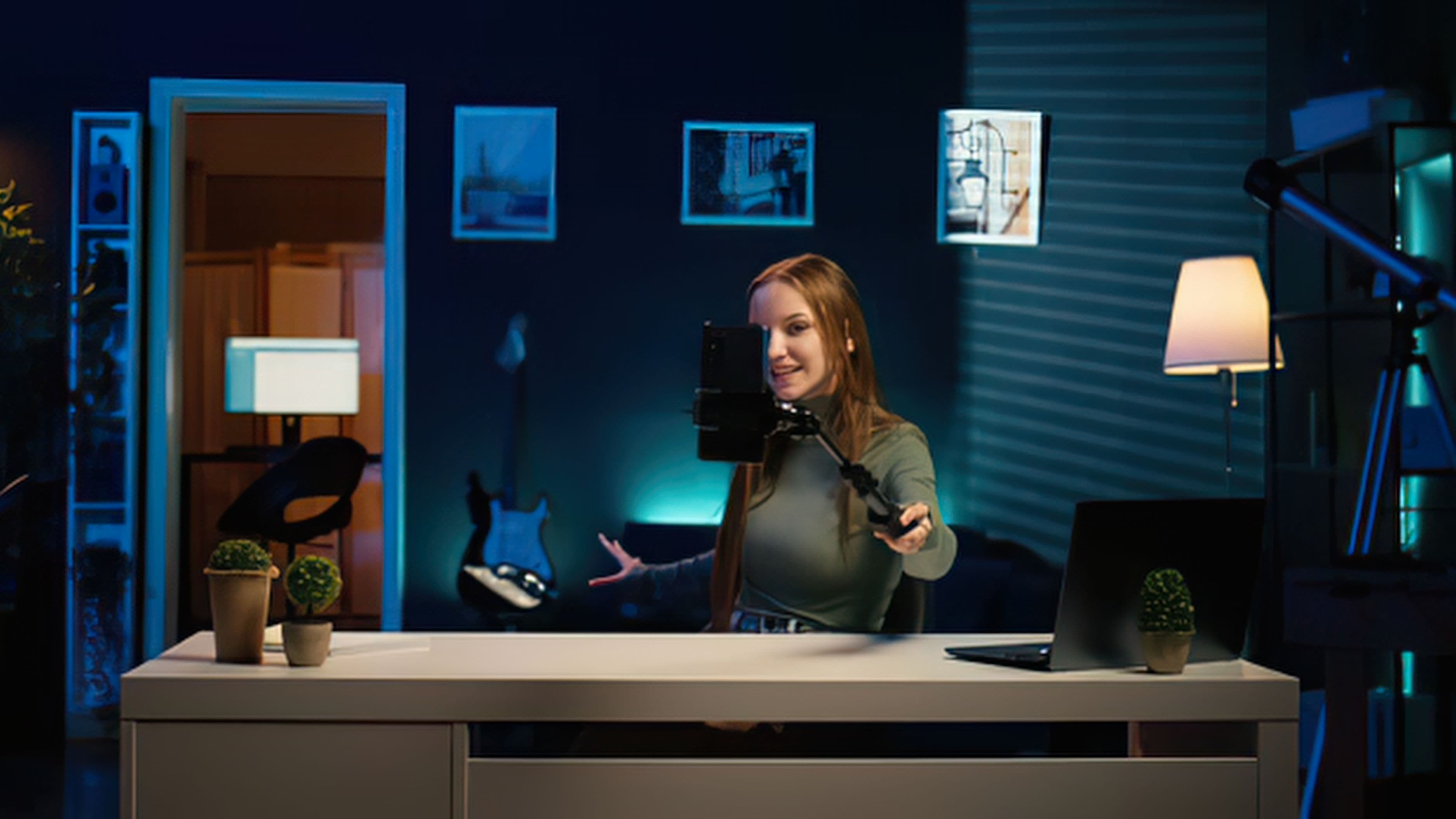
That blank wall behind your desk has become prime real estate. Homeowners are curating background spaces with the same care they'd give a LinkedIn profile photo, stacking bookshelves with color-coordinated spines and adding statement art that screams "I have taste." The focal wall has become less about impressing dinner guests and more about looking polished in pixels.
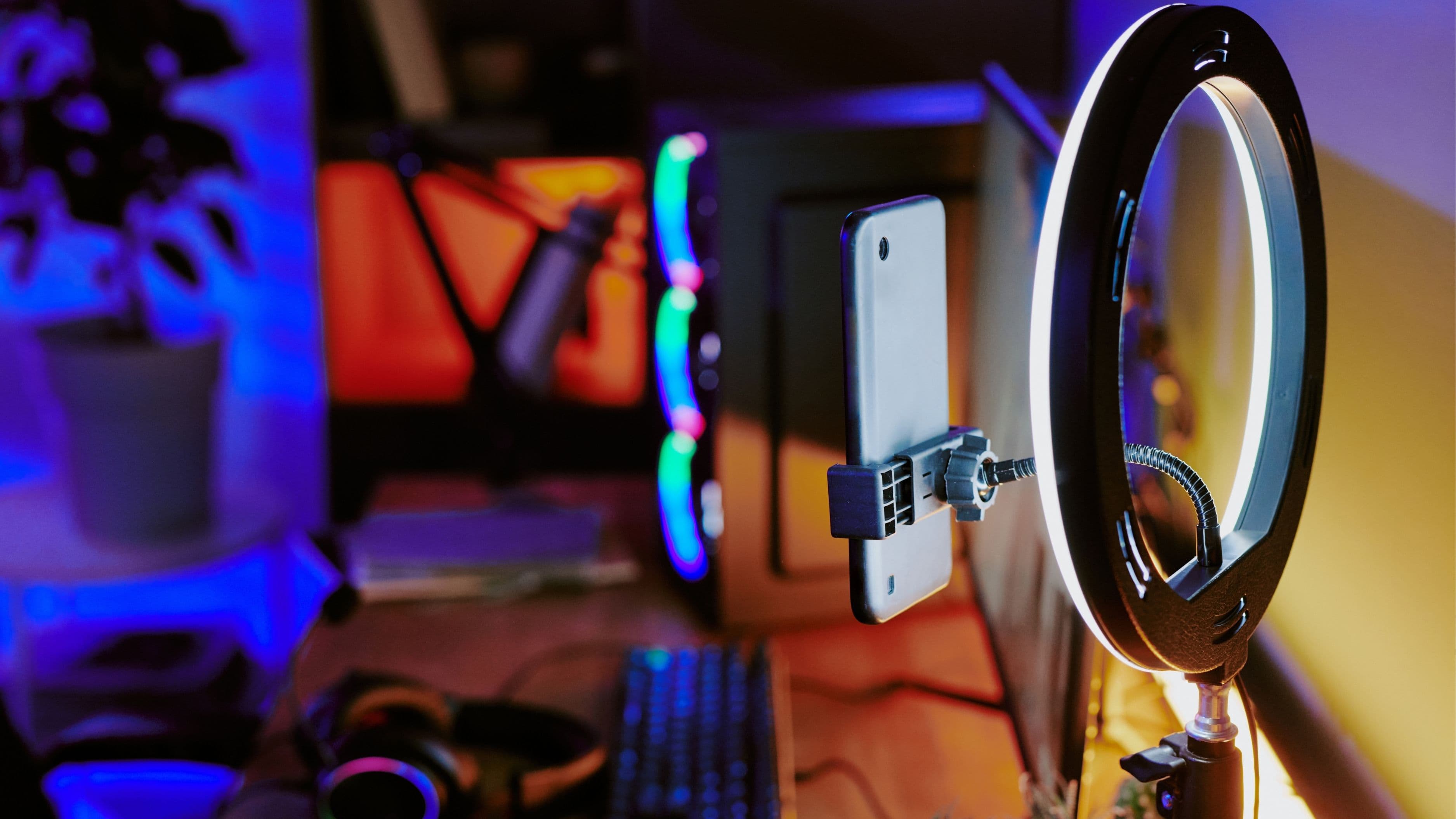
Strategic lighting has moved from optional to essential. Ring lights aren't just for influencers anymore—they're showing up in home offices across suburbia. People are installing adjustable LED strips, repositioning lamps to avoid unflattering shadows, and suddenly caring deeply about natural light angles. The quest for that perfect video glow is driving hardware store sales and YouTube tutorial views.
Clutter has become the enemy of credibility. A messy background during a work call now feels like showing up to a meeting in pajamas. This has sparked a minimalism movement born not from philosophy but from practicality—less stuff means fewer distractions on camera. Marie Kondo's influence has merged with Zoom anxiety to create spaces that look perpetually staged.
TikTok's Design Democracy
Short-form video has made interior design accessible to the masses. TikTok creators are demystifying design principles with 60-second tutorials, showing how to style a bookshelf or choose a color palette without needing an HGTV budget. The platform has democratized expertise, making professional-looking spaces achievable through thrift store finds and strategic Amazon purchases. Design knowledge that once required expensive consultants now arrives via your For You page.
Viral aesthetics are spreading faster than traditional trends. "Coastal grandmother," "dark academia," and "Barbiecore" have moved from niche hashtags to mainstream movements in weeks, not years. When a home tour video goes viral with millions of views, those design choices ripple outward instantly. A single popular creator can send IKEA scrambling to restock a specific lamp that becomes the must-have item overnight.
Before-and-after transformations have become addictive content. The satisfaction of watching a dingy rental apartment transform into an Instagram-worthy space in under a minute triggers something primal in viewers. These videos aren't just entertainment—they're proof of concept, showing renters and homeowners alike that dramatic change is possible. The comment sections turn into crowdsourcing hubs where thousands offer advice, product recommendations, and moral support.
The Instagrammable Everything
Design choices now prioritize photogenic moments over practical living. That velvet couch in millennial pink might not be the most comfortable seating option, but it photographs like a dream. Homeowners are installing neon signs, creating gallery walls, and positioning mirrors to catch the best angles—all with the camera lens in mind. Functionality hasn't disappeared, but it's sharing space with "will this look good in my grid?"
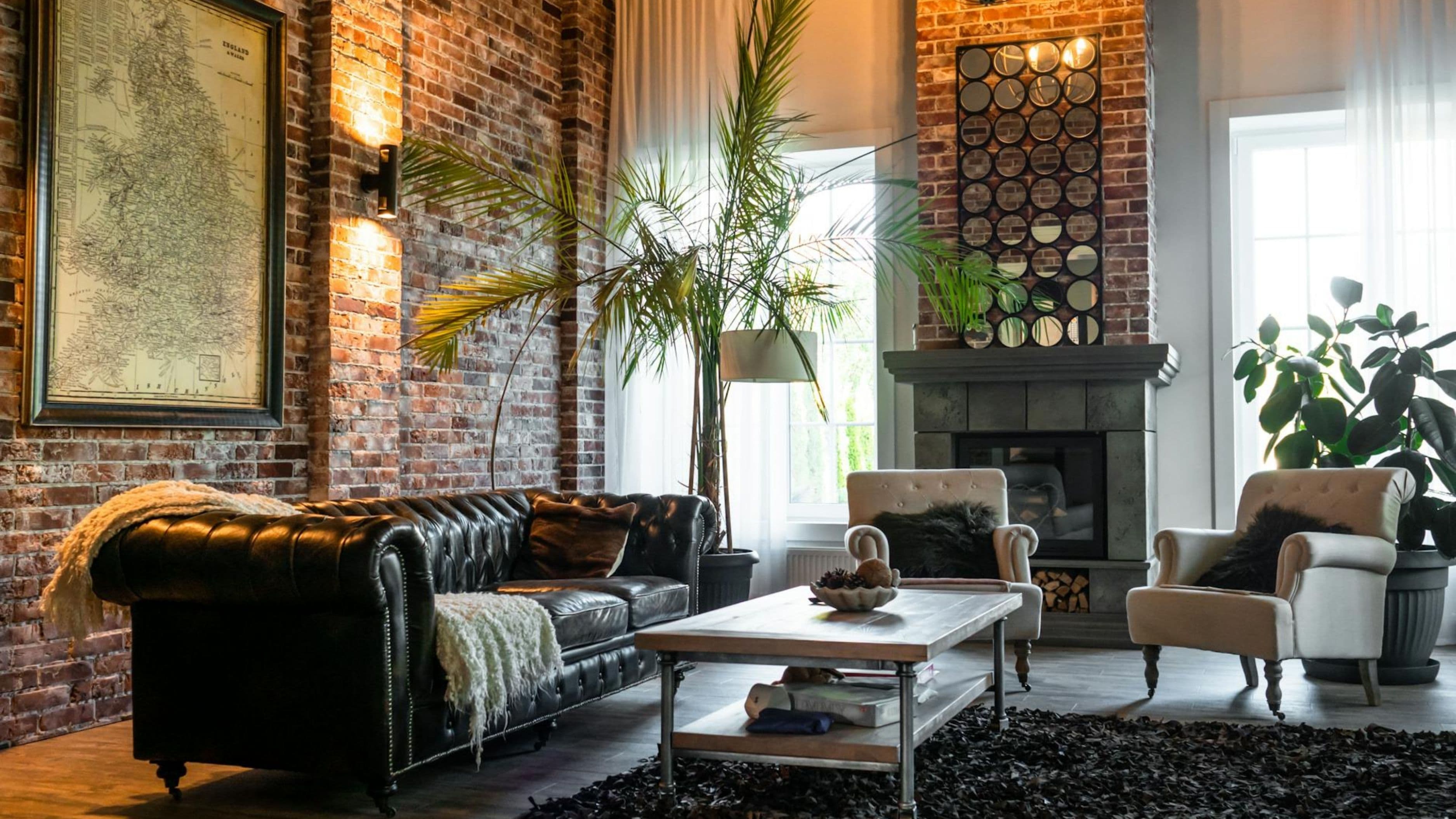
Texture and layers have gained importance through screens. When your space is viewed two-dimensionally, depth comes from visual variety. Designers are adding woven baskets, chunky knit throws, and mixed materials specifically because they read well on camera. The flat world of screens has ironically made us more obsessed with dimensional design elements that pop in photos.
Pet-friendly design has become a content category of its own. Your dog's Instagram account needs aesthetic coherence too, apparently. Stylish pet beds, photogenic feeding stations, and color-coordinated leashes hanging by the door aren't just practical—they're part of the home's visual story. The pets-as-accessories trend has pushed designers to integrate animal needs without sacrificing aesthetics, creating products that serve both function and feed.
The Rise of Rental-Friendly Design
Temporary solutions have become permanent trends. Peel-and-stick wallpaper, removable tile decals, and command strip gallery walls started as renter hacks but have influenced broader design thinking. The flexibility to change your space without commitment appeals to everyone, not just lease-holders. This shift reflects a culture that values adaptability and instant gratification over long-term investment.
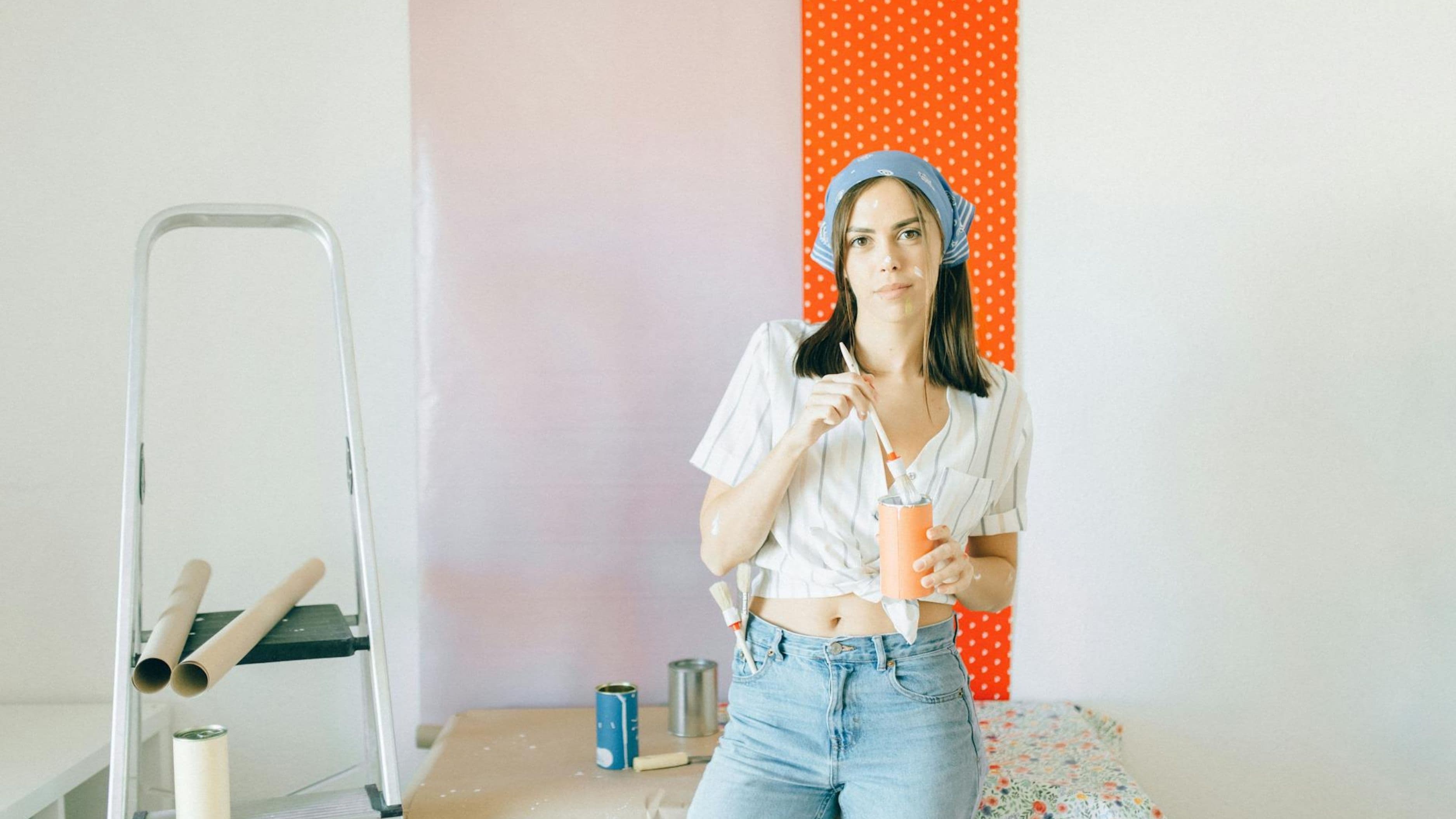
DIY content has exploded because you can't hide bad design on camera. When your apartment appears in your YouTube videos or TikTok posts, the pressure to make it presentable intensifies. This has created an entire economy around budget-friendly makeovers, with creators showing how to transform spaces for under $100. The visibility of our homes in digital content has made good design feel necessary, not aspirational.
Small space optimization has become an art form. Studio apartment tours regularly hit millions of views because we're collectively obsessed with efficient design. Murphy beds, transforming furniture, and clever storage solutions aren't just practical—they're entertaining to watch and impressive to show off. The constraints of small living have been reframed as creative challenges, with solutions that photograph well and perform better.
Color Psychology for the Camera
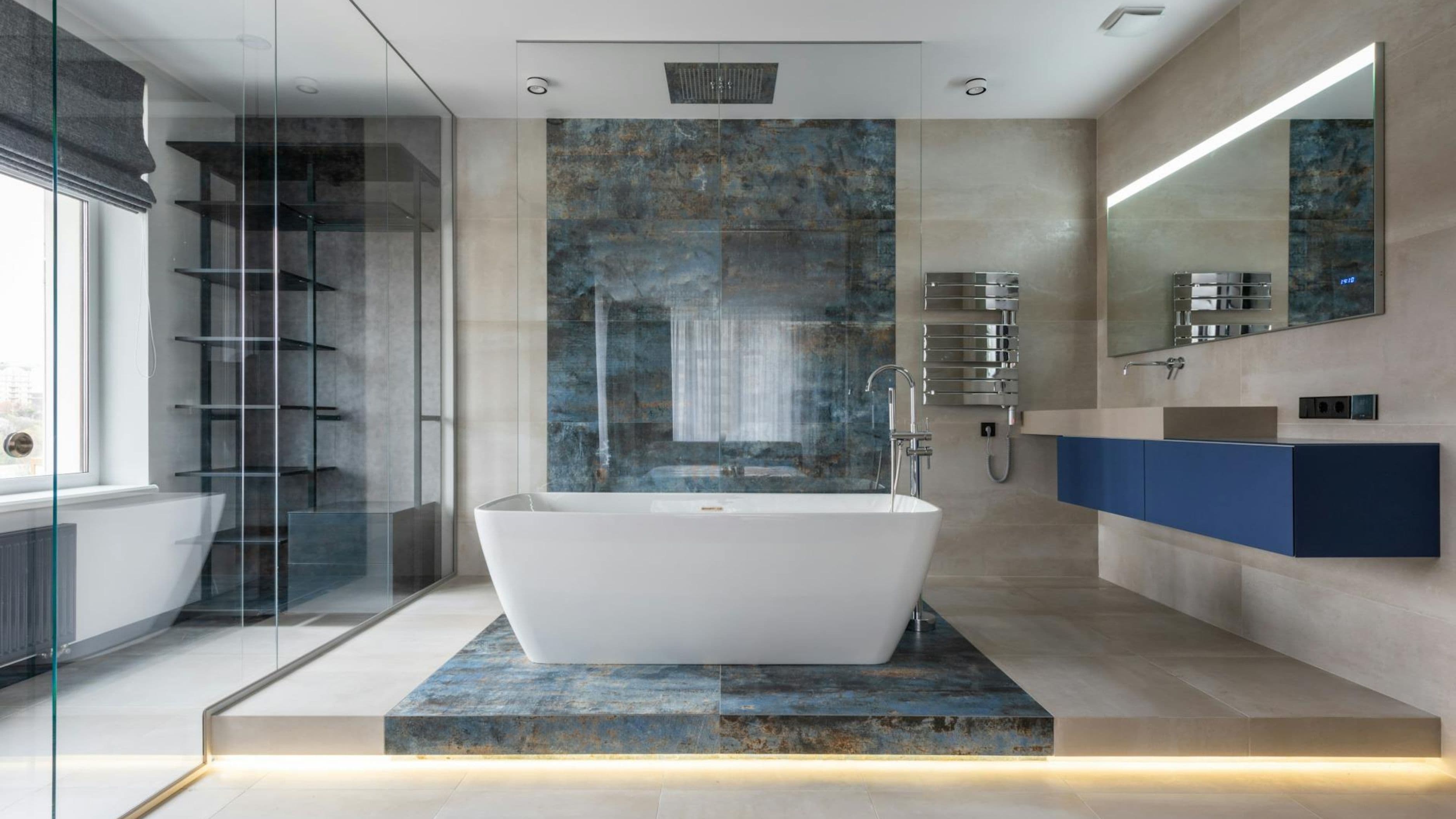
Bold accent walls are back, but with a digital twist. That jewel-toned feature wall looks stunning on video, adding depth and personality without overwhelming the frame. Unlike the beige-everything era, current trends embrace saturated colors that create visual interest through a lens. Sage green, terracotta, and navy have become the internet's favorite hues precisely because they translate beautifully to screen.
Neutral bases have evolved to be camera-conscious. The greige and warm white palettes dominating design blogs aren't just soothing—they provide the perfect backdrop for pops of color and don't create weird tones on camera. These shades photograph well in various lighting conditions, making them practical choices for spaces that might appear in video content. The popularity of neutral foundations reflects an understanding that good design needs to work in person and in pixels.
Monochromatic schemes create cohesive visual narratives. When viewers scroll through someone's home tour, rooms that flow together aesthetically feel more intentional and impressive. Color consistency across spaces has become a marker of sophistication, showing that the homeowner has a vision. This approach photographs exceptionally well, creating that magazine-spread feeling that drives engagement and saves.
The Authenticity Paradox
"Lived-in" looks are carefully curated. The backlash against overly staged spaces has created a new aesthetic: strategic messiness. A artfully tossed throw blanket, a coffee mug casually placed on the side table, half-read books stacked just so—these details signal realness while remaining camera-ready. We're performing authenticity, which is itself a kind of design choice that takes significant effort to maintain.
Real homes with real clutter are breaking through. Some content creators are pushing back against perfection, showing their actual daily chaos and gaining massive followings for it. This counter-movement suggests exhaustion with the constant performance of having a beautiful home. Yet even these "messy" reveals often have an aesthetic quality—the clutter is still somehow charming and relatable rather than genuinely chaotic.
The pressure to maintain camera-ready spaces is creating burnout. As more of our lives happen on camera, the expectation that our homes should always be presentable intensifies. This constant state of performance has sparked conversations about the mental health cost of living in a space that doubles as a content set. Some people are creating separate "filming zones" while letting the rest of their home exist in comfortable disarray.
Budget Design Goes Mainstream
Affordable alternatives to luxury items flood social media. "Dupes" have become a entire content category, with creators showing how to get the look of a $3,000 couch for $300. This democratization of design means aspirational aesthetics are accessible to more people than ever. The shame around budget-conscious decorating has evaporated, replaced by pride in smart shopping and resourcefulness.
Thrift flips and secondhand finds are status symbols. Finding a mid-century modern gem at Goodwill and restoring it is more impressive than buying new from West Elm. The sustainability angle combines with the treasure-hunt satisfaction and the proof of your good eye. Videos of furniture transformations regularly go viral, celebrating the creativity and skill involved in making old things beautiful again.
High-low mixing has become the aspirational approach. Pairing a splurge item with budget finds shows sophistication and savvy. This strategy acknowledges that not everyone can afford all-designer everything, making design content feel more accessible. The result is spaces that feel curated and intentional rather than simply expensive, which resonates with audiences seeking attainable inspiration.
The Content Creator's Home
Spaces are being designed with multiple shooting angles in mind. Content creators plan their layouts considering where the camera will be positioned, ensuring interesting backgrounds from various viewpoints. This three-dimensional chess game of interior design requires thinking beyond how a room feels to inhabit and considering how it performs on screen. Furniture placement, focal points, and flow are all evaluated through the lens—literally.
Natural light has become the most valuable home feature. North-facing windows, large panes, and bright spaces command premium prices partly because they're ideal for content creation. The golden hour isn't just for photographers anymore—it's when everyone's trying to capture their home at its most flattering. This obsession with natural light is reshaping how people evaluate real estate and plan renovations.
Multi-functional spaces need to look intentional from every angle. When your dining table doubles as a workspace and your bedroom corners serve as filming locations, design becomes more complex. Every zone needs to be styled appropriately for its various uses while maintaining visual coherence. This juggling act has created demand for versatile furniture and clever storage that can quickly transform a space from one function to another.
Sustainability Meets Visibility
Eco-friendly choices are becoming design flex moments. Vintage finds, upcycled furniture, and sustainable materials aren't just ethical—they're interesting content. People want to tell the story behind their pieces, and environmentally conscious choices provide compelling narratives. This shift has made green design visible and desirable in ways that pure aesthetics alone couldn't achieve.
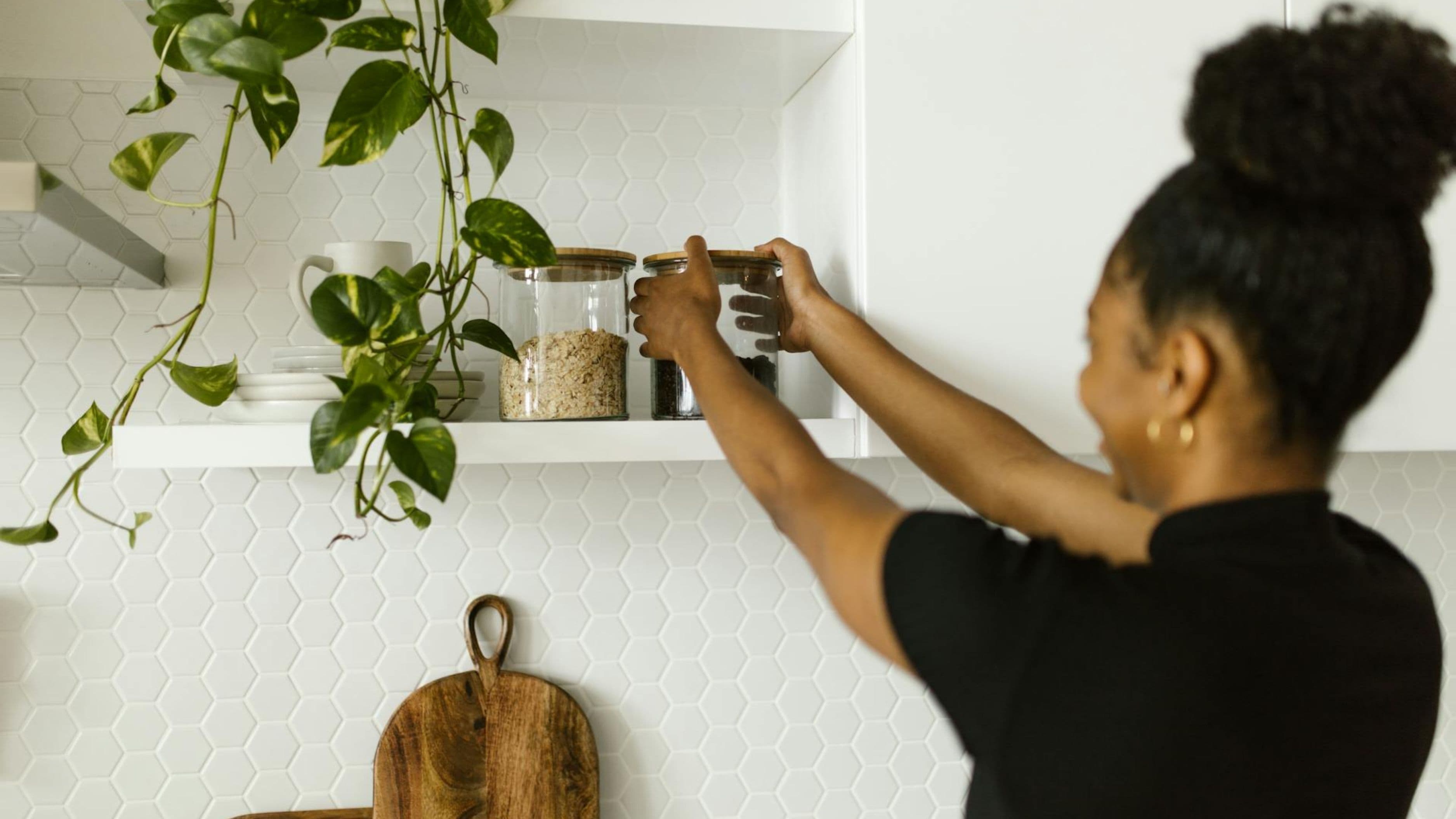
Plant parenthood has exploded as both hobby and aesthetic. Indoor jungles photograph beautifully while also signaling care, attention, and environmental values. The #planttok community has millions of members sharing propagation tips and shelf styling ideas. What started as a trend has become a lasting fixture of modern design, with greenery considered essential for a complete space.
The longevity of design choices matters more when everything is documented. Fast furniture trends feel embarrassing when your old content resurfaces showing last season's aesthetic. This visibility has made some people more thoughtful about choosing timeless pieces that won't look dated in archived videos. The permanence of digital content is influencing purchasing decisions toward quality and classic design that can withstand scrutiny over time.
Try It Today
Your home is already part of the digital landscape whether you're actively creating content or just taking the occasional video call. Pick one area—maybe that wall behind your desk or the corner that always appears in your phone's background—and give it a refresh with the camera in mind. Swap in better lighting, clear the clutter, or add one statement piece that makes you smile every time you see it on screen. The line between private space and public performance has blurred, so you might as well make your backdrop one that represents you well. Small changes create momentum, and that momentum might just inspire you to see your entire home through a fresh, more intentional lens.
📚 Sources
1. Pew Research Center. (2021). "How the Coronavirus Outbreak Has – and Hasn't – Changed the Way Americans Work." Pew Research Center Social & Demographic Trends.
2. Business of Home. (2023). "How Social Media Is Changing Interior Design." Business of Home Industry Reports.
3. National Association of Home Builders. (2024). "What Home Buyers Really Want: Design Trends Study." NAHB Research Center.