

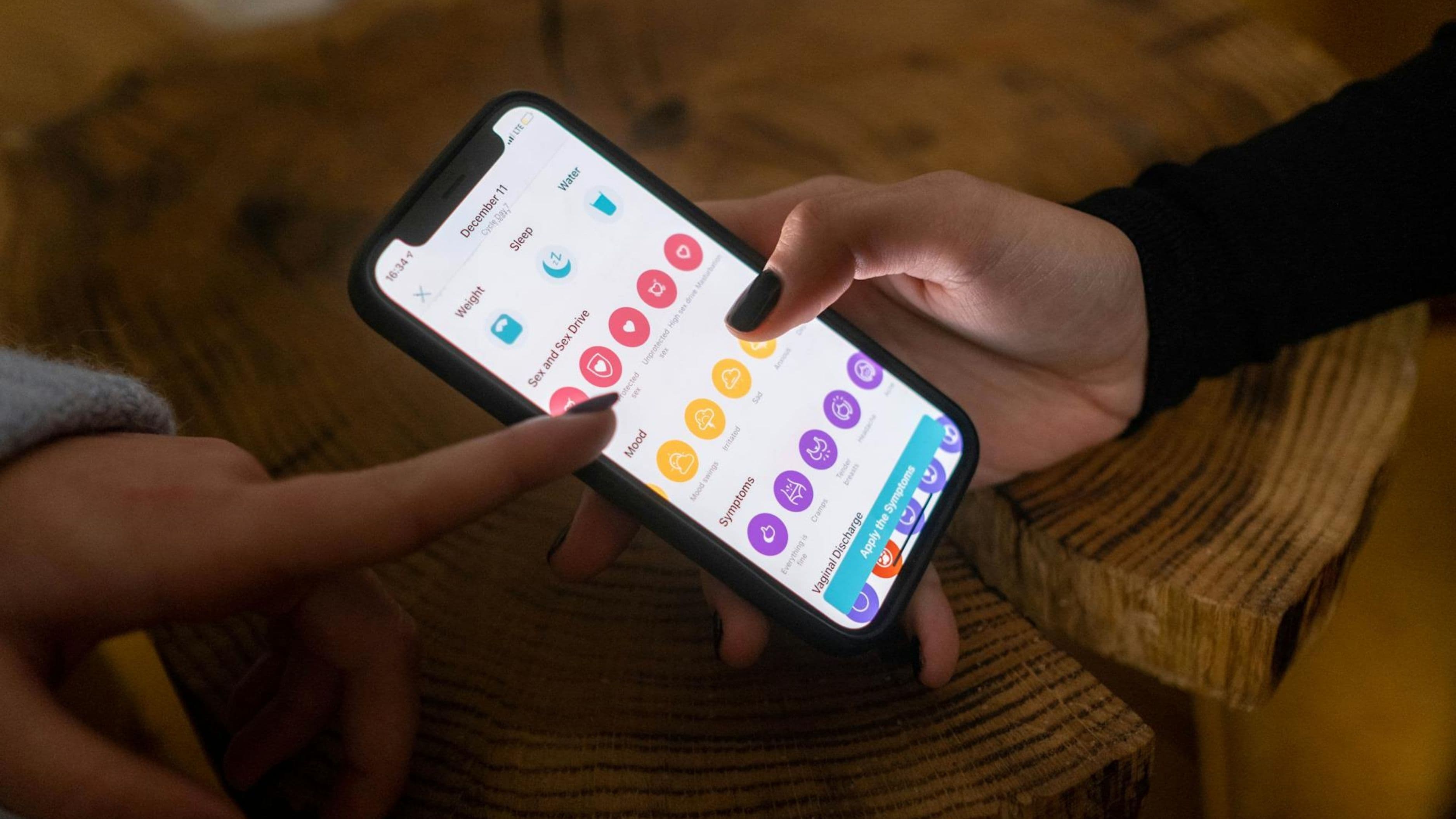
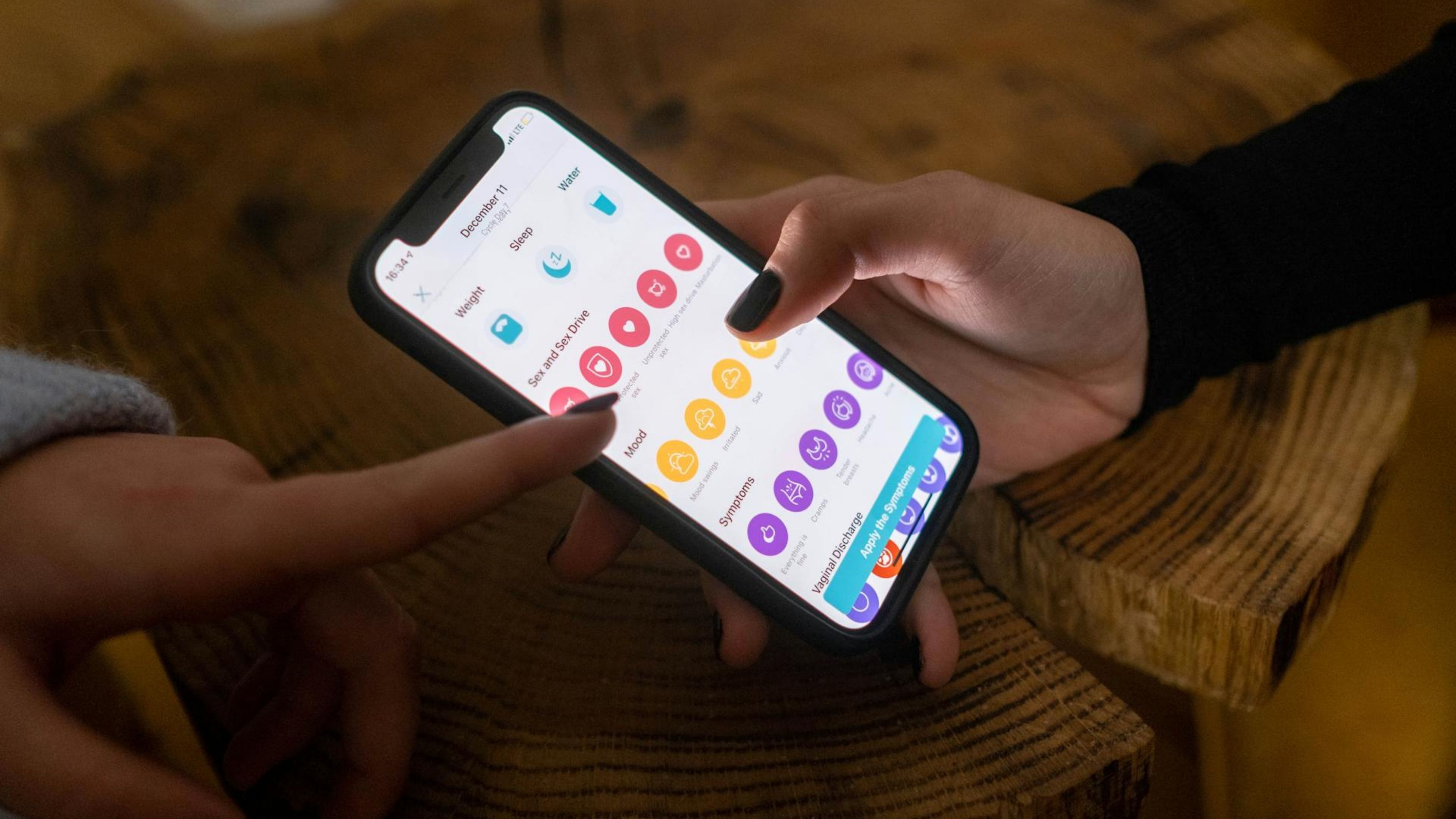
The wellness app industry is finally waking up to a reality that half the population has been living with forever: women's health isn't just "health with extra steps." It's a complex, cyclical, hormone-influenced experience that deserves technology built specifically for it—not generic fitness trackers with a pink color scheme slapped on top. From period tracking that actually helps predict symptoms to pregnancy support that goes beyond due date calculators, the apps landing on our phones today are worlds apart from what existed even five years ago.
So what sparked this revolution? Why are venture capitalists suddenly pouring millions into femtech startups, and why are major tech companies scrambling to add sophisticated women's health features? The answer involves changing attitudes, better data, vocal user communities, and frankly, the realization that ignoring women's health was terrible business. Here's how wellness apps are finally getting it right.
1. The Data Desert Is Finally Getting Rain
For decades, medical research treated the male body as the default template, leaving women's health concerns understudied and underfunded. This data gap trickled down into every health technology you can imagine. Early wellness apps couldn't offer meaningful insights about women's health because the underlying research simply didn't exist. How could an algorithm predict your energy dips during your luteal phase when nobody had bothered to study it at scale?
That's changing dramatically. Apps like Clue and Flo have collected billions of data points from millions of users, creating massive datasets that researchers actually want to study. These companies aren't just tracking periods anymore—they're uncovering patterns about how hormones affect everything from sleep quality to athletic performance to mental health. With this wealth of information, apps can now offer personalized predictions that feel almost eerily accurate, telling you when you might experience heightened anxiety or when your body might be primed for intense workouts.
The shift from data scarcity to data abundance has transformed wellness apps from digital diaries into legitimate health tools. Doctors are starting to take app-generated reports seriously during appointments, and researchers are partnering with these companies to conduct studies that would have been impossible before smartphones existed.
2. Women Got Loud About What They Actually Need
Let's be real: women have always known what they needed from health technology. The problem was that nobody with decision-making power was listening. But social media gave women's health advocates a megaphone, and they used it to call out every wellness app that treated menstruation like a shameful secret or reduced pregnancy to a week-by-week fruit comparison.
User reviews became brutal and specific. Women didn't just say "this app is bad"—they explained exactly why oversimplified symptom tracking failed them, how patronizing language made them feel infantilized, and what features would actually improve their lives. App developers couldn't ignore thousands of one-star reviews pointing out the same problems. The feedback loop between users and creators tightened considerably, forcing companies to either evolve or watch their downloads plummet.
This vocal user base also created communities within apps, transforming them from solitary tracking tools into spaces where women share experiences and support each other. When an app gets something right—like acknowledging that perimenopause exists or offering culturally sensitive content—users spread the word enthusiastically. That word-of-mouth marketing proved more valuable than any advertising campaign, pushing the entire industry toward genuine user-centered design.
3. Pregnancy and Postpartum Finally Got the Attention They Deserve
Remember when pregnancy apps thought their job was done once the baby arrived? Those first postpartum months—arguably the most physically and emotionally intense period of a woman's life—were treated like an afterthought. New mothers were left to figure out recovery, breastfeeding challenges, sleep deprivation, and potential postpartum mood disorders with minimal digital support.
Modern wellness apps are rewriting this script entirely. Apps like Peanut and Expectful now offer comprehensive postpartum support, including pelvic floor recovery exercises, mental health screening tools, and communities of mothers going through identical struggles. Some apps connect users with lactation consultants via video chat or provide guided meditations specifically designed for those 3 AM feeding sessions when anxiety tends to spike.
The recognition that the "fourth trimester" matters just as much as the previous three represents a massive philosophical shift. These apps acknowledge that women's bodies don't just snap back to normal after birth, and that emotional support during this vulnerable time isn't a luxury—it's essential healthcare. By extending their focus beyond pregnancy itself, these apps are filling a gap that traditional medical care often overlooks entirely.
4. Menopause Emerged from the Shadows
If periods were once taboo in wellness apps, menopause was practically invisible. Despite affecting every woman who lives past fifty, this major life transition was rarely addressed in digital health spaces. Women experiencing hot flashes, brain fog, mood changes, and sleep disruptions had nowhere to turn for tech-based support that understood what they were going through.
That silence is breaking spectacularly. Apps like Elektra Health and Evernow are tackling menopause head-on, offering symptom tracking, hormone therapy guidance, and communities where women can discuss this transition openly. These platforms recognize that menopause isn't a singular event but a years-long process with wildly varying experiences from person to person. They're providing the kind of granular, personalized information that helps women understand whether what they're experiencing is normal and when they might need medical intervention.
The cultural conversation around menopause is shifting too, with celebrities and influencers speaking openly about their experiences. Wellness apps are riding this wave of increased awareness, but they're also helping to normalize these conversations by treating menopause as a natural life stage rather than something shameful or invisible.
5. Mental Health Integration Stopped Being Surface-Level
Early wellness apps treated mental and physical health like separate planets that occasionally passed each other in orbit. You could track your mood in one app and your cycle in another, but connecting those dots required doing the mental math yourself. Women knew their hormones affected their mental health—the apps just hadn't caught up yet.
Today's sophisticated wellness apps understand that women's mental health is deeply intertwined with hormonal fluctuations, life stages, and physical symptoms. Apps now offer cycle-synced mental health support, suggesting different meditation styles or coping strategies based on where you are in your menstrual cycle. Some provide cognitive behavioral therapy tools specifically designed for premenstrual dysphoric disorder (PMDD), a condition that affects millions of women but was long dismissed as "just PMS."
This integration feels revolutionary because it validates what women have known intuitively forever: that the week before your period might require different self-care than ovulation week, and that your emotional experience isn't "all in your head" but genuinely connected to your body's biochemistry. By treating mental health as an integral part of women's wellness rather than a separate category, these apps are offering more holistic, effective support.
6. Diverse Bodies and Experiences Are Finally Represented
For too long, wellness apps seemed designed for a narrow demographic: cisgender, heterosexual, able-bodied women trying to conceive or avoid pregnancy. Anyone outside that box—LGBTQ+ individuals, women with disabilities, those dealing with chronic conditions like PCOS or endometriosis, or people not interested in pregnancy—found themselves navigating apps that didn't speak to their experiences.
The new generation of wellness apps is embracing inclusivity in meaningful ways. Some offer gender-neutral language options for trans and non-binary users tracking their cycles. Others provide specialized features for conditions that affect millions, like endometriosis tracking that helps users identify patterns and prepare for doctor appointments with detailed symptom histories. Apps are also incorporating more diverse representation in their imagery and content, moving beyond the stereotypical wellness aesthetic that previously dominated.
This shift toward inclusivity isn't just about being politically correct—it's about recognizing that women's health is incredibly diverse and that one-size-fits-all approaches never worked. By building features that accommodate different bodies, identities, and health conditions, wellness apps are becoming genuinely useful for far more people.
7. The Money Finally Started Flowing
Here's the uncomfortable truth: much of the recent progress in women's health apps comes down to venture capitalists finally recognizing the market opportunity they'd been ignoring. For years, femtech startups struggled to secure funding because investors (predominantly male) didn't understand or value the problems these apps were solving. Many believed the market was too niche or that women wouldn't pay for health apps.
Both assumptions proved spectacularly wrong. The global femtech market is projected to reach $103 billion by 2030, according to various industry analyses. Women are absolutely willing to pay for apps that genuinely serve their needs, and the addressable market is enormous—literally billions of potential users worldwide. Once investors saw competitors making serious money in this space, the funding floodgates opened.
This influx of capital has allowed companies to hire more developers, conduct better research, and create more sophisticated features. While it's frustrating that financial potential drove much of this change rather than pure advocacy for women's health, the result is the same: better apps that serve women more effectively. The challenge now is ensuring this investment continues and that companies maintain their commitment to users rather than just chasing profits.
The Bigger Picture: What This Means for Digital Health
The evolution of women's wellness apps reflects a broader cultural shift in how we think about healthcare technology. We're moving from a model where patients are passive data entry clerks to one where they're active participants in managing their health. We're recognizing that good health technology should adapt to users' lives rather than forcing users to adapt to rigid systems.
But there's still work to do. Many wellness apps remain inaccessible to women without smartphones or reliable internet access. Privacy concerns loom large, especially as some apps have been accused of sharing sensitive health data with third parties. And while representation has improved, plenty of apps still fall short of truly inclusive design.
The question isn't whether wellness apps will continue improving their women's health offerings—the momentum is undeniable. The real question is whether this progress will extend beyond those who can afford premium subscriptions and the latest technology. Will the benefits of these innovations reach women in underserved communities, those with limited health literacy, or people navigating healthcare systems in different countries?
As these apps become more sophisticated, they're also becoming more influential in how women understand their own bodies and make health decisions. That's powerful, but it also carries responsibility. The wellness apps that thrive long-term won't just be those with the smoothest interfaces or the most venture funding—they'll be the ones that maintain their commitment to serving women's actual needs with integrity, inclusivity, and genuine care for user wellbeing.
What will you demand from your wellness apps moving forward?
📚 Sources
1. Research on femtech market projections and growth - Various industry reports and market analyses, 2023-2024
2. Studies on menstrual cycle impact on mood and energy - Published research in women's health journals
3. Data regarding medical research gender gaps - Various academic publications on healthcare disparities