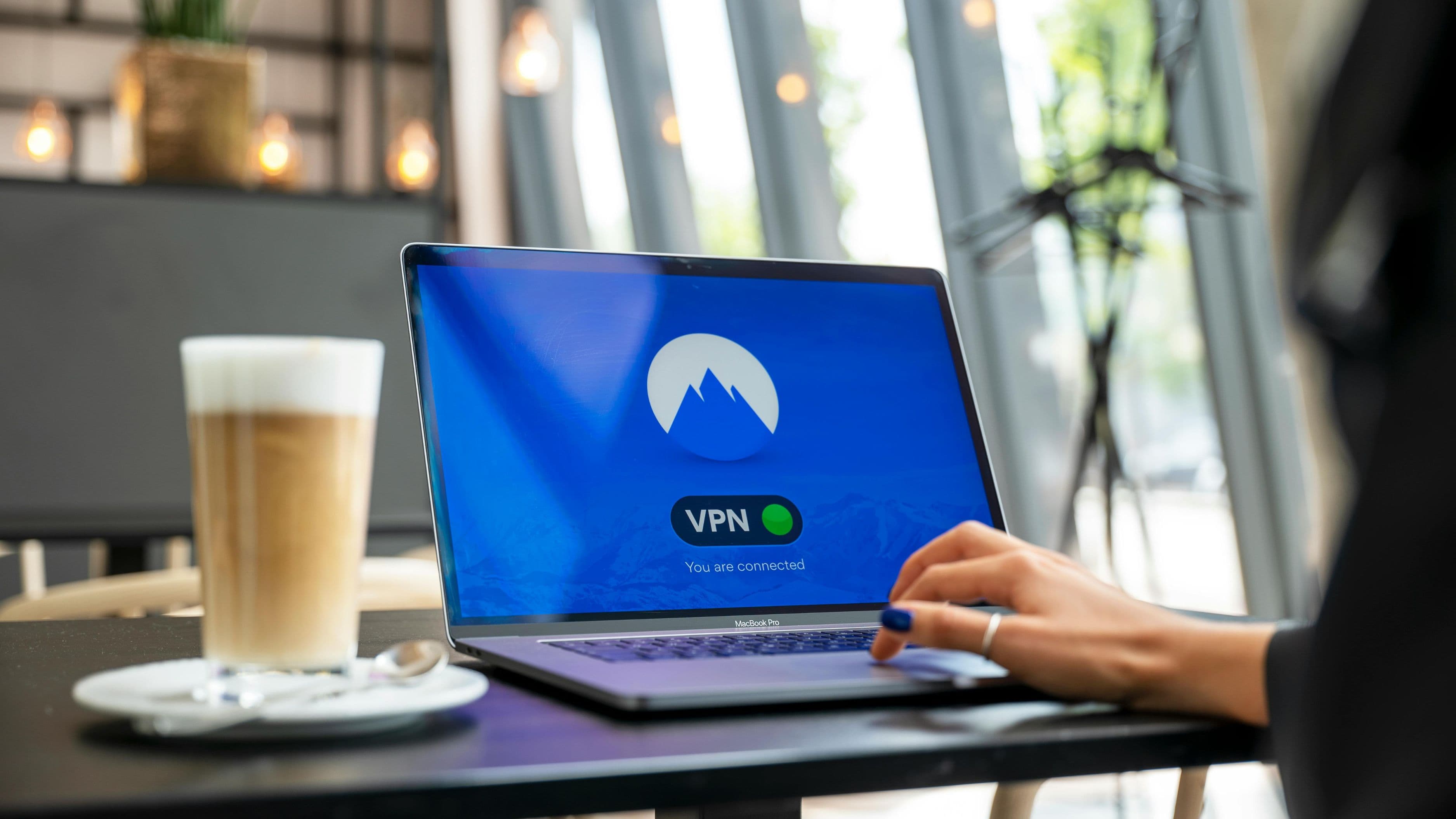



What to Look for Before Choosing
Before getting into specific providers, it helps to know what actually matters for this use case. You want a VPN with a large number of servers in your home country specifically, strong and consistent connection speeds, and a track record of not getting blocked by major streaming platforms, since some services actively detect and block known VPN server addresses. Apps that are genuinely easy to use across your phone, tablet, and laptop also matter more when you're troubleshooting from a hotel room than they might in everyday use at home.
1. NordVPN
NordVPN has built a strong reputation specifically around streaming reliability, offering a large server network across many countries along with features designed to help maintain consistent speeds even when a lot of users are connected simultaneously. Its apps are generally considered straightforward to use across devices, which matters when you're setting things up quickly while traveling rather than troubleshooting a complicated interface.
Best for: Travelers who want a well-rounded, reliable option with strong customer support if something goes wrong while abroad.
Consideration: As with most premium VPNs, you'll want an active subscription rather than relying on a free trial for an extended trip.
2. ExpressVPN
ExpressVPN is frequently cited for its consistently fast connection speeds, which matters directly for streaming quality, particularly on shared or lower-bandwidth hotel Wi-Fi where every bit of speed overhead counts. It also maintains servers across a wide range of countries, giving travelers flexibility if they're bouncing between multiple destinations on a longer trip.
Best for: Travelers prioritizing speed and consistent performance above all else, particularly for higher-resolution streaming.
Consideration: It typically sits at a higher price point compared to some other options on this list, which is worth weighing against how much you'll actually use it.
3. Surfshark
Surfshark stands out for allowing unlimited simultaneous device connections on a single subscription, which is a genuinely useful feature for travelers who want to cover a phone, tablet, and laptop, or even multiple family members' devices, without needing separate accounts or plans. It's also generally positioned at a more accessible price point than some of the more established, longer-running VPN brands.
Best for: Families or groups traveling together who need to cover multiple devices without juggling several subscriptions.
Consideration: As a newer entrant compared to some competitors, it's worth checking recent user reviews for the most current read on its streaming reliability, since VPN performance can shift over time as streaming platforms update their detection methods.
4. ProtonVPN
ProtonVPN, built by the team behind the privacy-focused email service Proton Mail, places a strong emphasis on security and privacy alongside its streaming capabilities. It offers a genuinely usable free tier, though the free version comes with server and speed limitations that make the paid tier a more realistic choice specifically for reliable streaming while traveling.
Best for: Travelers who weigh privacy and security considerations heavily alongside streaming access, given the company's strong reputation in that specific area.
Consideration: The free tier's limitations mean it's not a strong standalone option if streaming performance is your main priority for the trip.
5. CyberGhost
CyberGhost offers a large server network and includes streaming-optimized server options specifically labeled for popular platforms, which can simplify the process of finding a server that reliably works for the specific service you're trying to access. This kind of built-in guidance is particularly helpful for travelers who aren't especially technical and just want a straightforward path to reconnecting with their usual shows.
Best for: Less tech-savvy travelers who want a more guided, simplified experience without needing to research which server works best themselves.
Consideration: As with any VPN, server performance can vary, so it's worth testing your specific streaming needs during a trial period if one's available.
How to Choose Between These Options
If speed and consistency are your top priority, ExpressVPN and NordVPN both have particularly strong track records worth focusing on first. If you're traveling with family or multiple devices and want to avoid managing several separate accounts, Surfshark's unlimited device policy is a genuinely practical advantage. If privacy is a bigger consideration for you alongside streaming access, ProtonVPN's background and reputation in that specific area are worth the trade-off in free-tier limitations.
Whichever option you choose, testing it on your home network before you travel is essential, since this lets you confirm it works reliably with your specific streaming services before you're relying on it from an unfamiliar location with limited troubleshooting time.
What to Avoid
Avoid choosing a free VPN as your primary solution for an important trip, since free options generally struggle more with speed, server availability, and getting blocked by streaming platforms compared to reputable paid services. Also be cautious of lesser-known VPN providers with minimal user reviews or unclear company backgrounds, since a VPN provider handles your internet traffic, and there's real value in choosing an established, well-reviewed company over an unfamiliar option purely to save a small amount of money.
Don't assume every server location within a provider will perform identically, since server load and streaming platform detection can vary even within the same provider's network, and testing a couple of options before you travel gives you a better sense of what actually works reliably for your specific setup.
FAQ
Do I need to pay for a full year of VPN service just for one trip? Most major providers offer shorter subscription terms or trial periods, so it's worth checking whether a shorter commitment fits your needs if you don't plan to keep using the VPN regularly after your trip.
Can one VPN account cover multiple devices during my trip? Yes, though the number of simultaneous connections allowed varies by provider. Surfshark's unlimited device policy is a standout in this specific area, while most other providers cap simultaneous connections at a set number per plan.
Will any of these VPNs guarantee I can access every show from my home library while traveling? No VPN can guarantee this with complete certainty, since streaming platforms continuously update how they detect VPN traffic, and occasional access issues can still occur even with a reliable provider.
The right VPN for travel streaming comes down to matching a provider's specific strengths, whether that's speed, device flexibility, or privacy focus, to what actually matters most for your trip. Test your choice before you leave, and you'll spend far less of your travel time troubleshooting instead of watching what you actually planned to watch.
📚 Sources
Federal Trade Commission – What to Know About Using a VPN – https://consumer.ftc.gov/articles/what-know-about-using-vpn
PCMag – How We Test VPNs – https://www.pcmag.com/how-to/how-we-test-vpns