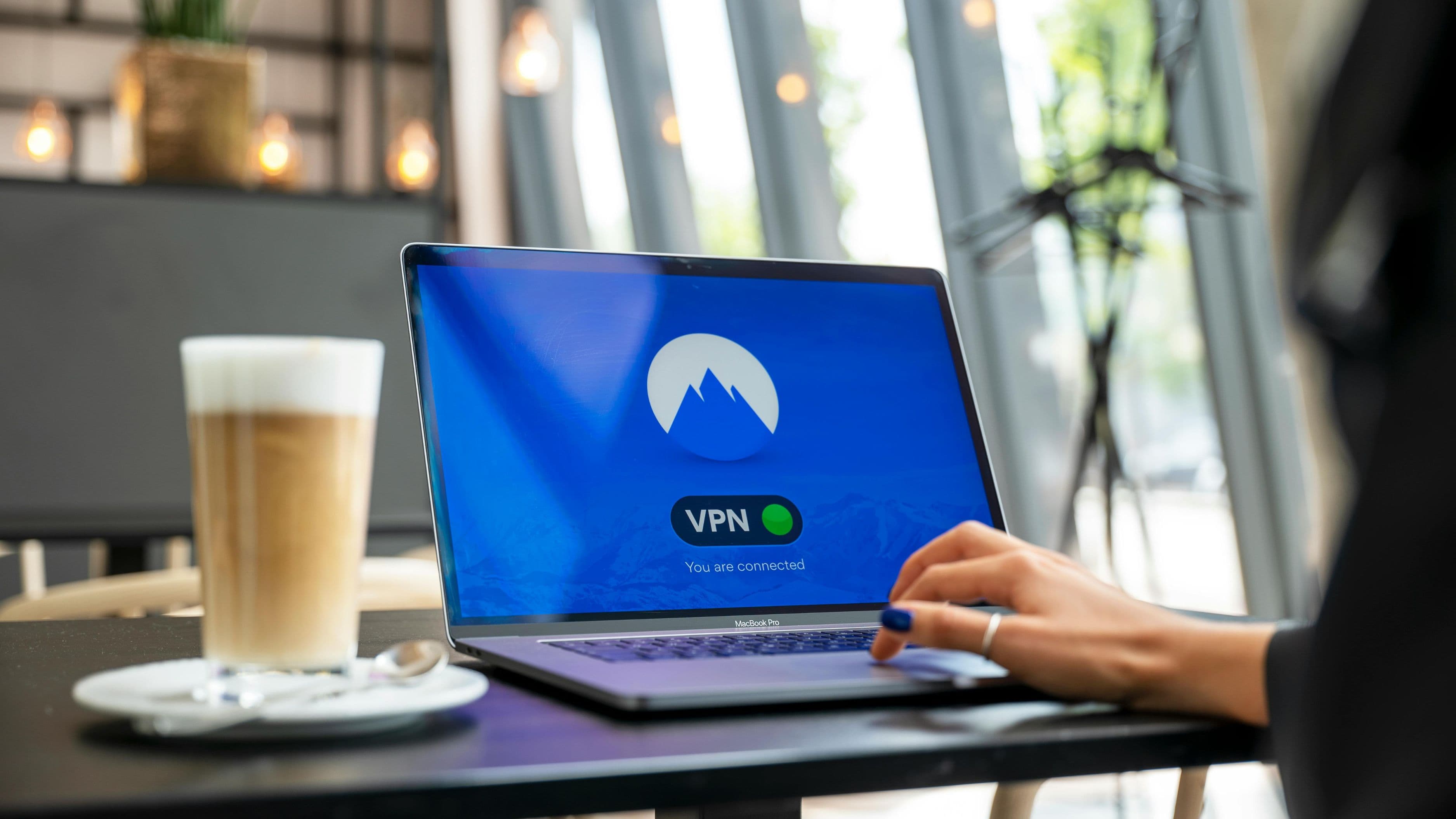



This breakdown covers which VPNs hold up across all three platforms, what makes each one worth (or not worth) your money, and what to realistically expect when you're using one.
Why Streaming Platforms Block VPNs in the First Place
Before getting into the recommendations, it helps to understand what you're working against. Netflix, Disney+, and BBC iPlayer are all contractually required to restrict content by region. A show available on UK Netflix might not be licensed for US viewers, and BBC iPlayer is legally limited to UK residents only. When these platforms detect that your traffic is coming from a known VPN IP address, they block it – not because they're being difficult, but because their licensing deals require it.
This is a constant back-and-forth between VPN providers and streaming services. Platforms identify and block VPN IP ranges; VPN providers rotate in new IP addresses and adapt. The best providers invest heavily in this process, which is a big part of why the top-tier options cost more than the budget alternatives. If a VPN isn't actively maintaining its streaming capabilities, it falls behind quickly.
The VPNs That Consistently Deliver
ExpressVPN
ExpressVPN is the most reliably tested VPN for streaming across all three platforms – Netflix, Disney+, and BBC iPlayer. It maintains a large pool of IP addresses and has a track record of staying ahead of platform detection systems. Its Lightway protocol delivers fast, stable connections, which matters when you're streaming in HD or 4K and can't afford the connection to drop mid-episode.
It works across essentially every device you'd use for streaming – smart TVs, Fire TV Stick, Apple TV, iOS, Android, and desktop. The main downside is price: ExpressVPN is one of the more expensive options at around $6–$10/month depending on the plan. For users who primarily want reliable streaming access, that cost is justifiable. For users who only occasionally need a VPN, it might be more than necessary.
Best for: Users who want the most consistent streaming performance across all three platforms without troubleshooting.
NordVPN
NordVPN is arguably the best value option among the top-tier streaming VPNs. It has dedicated streaming-optimized servers clearly labeled in the app, which takes the guesswork out of finding one that works. Its NordLynx protocol (built on WireGuard) delivers some of the fastest speeds of any VPN on the market, and its server network is one of the largest available.
For Netflix specifically, NordVPN works reliably for both US and UK libraries. It handles Disney+ consistently well, and BBC iPlayer access through UK servers is solid. Like any VPN, specific servers can occasionally get blocked, but NordVPN's volume of servers means you can usually switch to a working one in under a minute. Pricing runs around $3–$5/month on annual plans, which makes it one of the better deals in this space.
Best for: Users who want strong all-round performance at a better price point, and don't mind occasionally switching servers.
Surfshark
Surfshark punches above its weight for the price. At roughly $2–$4/month on longer plans, it's one of the most affordable VPNs that still maintains reliable access to Netflix, Disney+, and BBC iPlayer. One particularly useful feature is unlimited simultaneous connections – meaning you can run it on every device in your household without paying extra.
Performance is strong on nearby servers, though it can be less consistent than ExpressVPN or NordVPN on longer-distance connections. For most streaming use cases – especially if your main goal is accessing UK or US content from a nearby country – Surfshark does the job well. It also has a clean, easy-to-use app that works on all major streaming devices.
Best for: Budget-conscious users, families, or anyone who wants VPN coverage across many devices without paying per connection.
Private Internet Access (PIA)
PIA has a massive server network – one of the largest of any VPN – which gives it a statistical edge when platforms start blocking IP ranges. More IPs means more options to cycle through when one gets flagged. It works reliably with Netflix US and UK, and BBC iPlayer access is generally solid through its UK servers.
The trade-off is that Disney+ can be more hit-or-miss compared to ExpressVPN or NordVPN. PIA's interface is also more technical-feeling than the others, which may not suit casual users. Speeds are competitive, especially on nearby servers, and pricing is among the lowest of the reliable options – around $2–$3/month on multi-year plans. It's a solid pick for more experienced users who don't mind doing a little server-switching to get things working.
Best for: Users comfortable with a slightly more hands-on setup who prioritize a large IP pool and low cost.
Proton VPN
Proton VPN is best known for its privacy focus – it's based in Switzerland, audited, and genuinely transparent about its logging practices. But it also works well for streaming. Netflix and BBC iPlayer access through its Plus tier (the paid plan) is reliable, and Disney+ compatibility has improved significantly over the last year.
The free tier exists but is not suitable for streaming – it's slow, limited to a handful of servers, and won't get you past Netflix's VPN detection. The Plus plan runs around $4–$8/month. What sets Proton apart is trust: if you care as much about privacy as streaming access, it's the only provider here that competes on both fronts at a serious level.
Best for: Privacy-focused users who also want reliable streaming access and are willing to pay for the Plus plan.
Platform-by-Platform Breakdown
Netflix is the most aggressively managed of the three when it comes to VPN detection. It blocks entire IP ranges from known providers regularly. ExpressVPN and NordVPN are the most consistent here, though all five providers listed above have been independently tested and shown to work with Netflix US and UK libraries as of 2025. Expect occasional server switches when a specific IP gets flagged.
Disney+ has become stricter about VPN use over the past two years. It's not as aggressive as Netflix in terms of detection frequency, but it does block known VPN ranges. ExpressVPN and NordVPN handle Disney+ most reliably. Surfshark and PIA work but may require more server-switching, particularly outside major regions.
BBC iPlayer is geo-restricted to UK IP addresses and requires a UK-based server to access. All five providers listed have UK servers, but the quality varies. ExpressVPN, NordVPN, and Surfshark are the most tested and consistently cited for BBC iPlayer access. One important note: BBC iPlayer technically requires a TV licence to watch legally in the UK. Using a VPN to access it from outside the UK sits in a legal grey area that's worth being aware of.
What to Avoid
Free VPNs. No free VPN reliably works with Netflix, Disney+, or BBC iPlayer on an ongoing basis. They lack the infrastructure to keep up with platform detection, and many impose bandwidth caps that make streaming impractical anyway. The ones that do work tend to do so briefly before getting blocked.
VPNs with a small server count. A provider with 50 servers has very limited ability to rotate IPs when platforms block them. Look for providers with thousands of servers across multiple countries.
Connecting to a distant server when you don't need to. If you're trying to access UK Netflix from France, connect to a UK server – but don't connect to a US server out of habit. Unnecessary distance adds latency and increases the chance of a poor experience.
Expecting it to work 100% of the time. Even the best VPNs get specific servers blocked temporarily. If something isn't loading, try a different server in the same country before assuming the VPN has stopped working entirely.
Frequently Asked Questions
Can Netflix ban your account for using a VPN? Netflix's terms of service discourage VPN use for accessing content outside your home region, but account bans for VPN use are extremely rare. The platform typically just blocks the stream rather than taking action against the account.
Do VPNs work on smart TVs for these platforms? Smart TVs don't usually support VPN apps natively. The most reliable workarounds are installing the VPN on your router (covers all devices on your network), using a VPN-enabled Fire TV Stick or Android TV device, or using a travel router with VPN capability.
Is it legal to use a VPN with BBC iPlayer? Using a VPN itself is legal in most countries. However, BBC iPlayer requires a UK TV licence, and accessing it from outside the UK using a VPN to appear as a UK resident is a terms of service violation. Whether it crosses a legal line depends on your jurisdiction, but it's worth knowing the rules before you set it up.
How often do VPNs stop working with these platforms? Individual servers get blocked regularly – sometimes daily for heavily used IPs. But reputable providers cycle in new IPs continuously. If you're with a good provider, the fix is usually switching servers, not switching VPNs.
The Bottom Line
If you want one recommendation that covers all three platforms reliably and without much fuss, ExpressVPN is the safest bet. If you want strong performance at a better price, NordVPN is the closest runner-up and edges ahead on value. Surfshark is the pick if you're on a tighter budget or want to cover multiple household devices. PIA suits more technical users who want a large IP pool to work with, and Proton VPN is the right call if privacy is as important to you as streaming access.
None of these are perfect – platform detection is ongoing and no VPN can guarantee 100% uptime on any given streaming service. But these five providers are the ones that do the maintenance, rotate the IPs, and consistently show up in independent testing as the ones that actually work.
📚 Sources
PCMag – Best VPNs for Netflix (2025): https://www.pcmag.com/picks/the-best-vpns-for-netflix
Tom's Guide – Best VPNs for Streaming (2025): https://www.tomsguide.com/best-picks/best-vpns-for-streaming
ExpressVPN – Streaming with ExpressVPN: https://www.expressvpn.com/vpn-service/streaming-vpn
NordVPN – VPN for Netflix: https://nordvpn.com/blog/vpn-for-netflix
Surfshark – VPN for streaming: https://surfshark.com/streaming-vpn
Proton VPN – Streaming with Proton VPN: https://protonvpn.com/streaming
BBC iPlayer – Help: Access and availability: https://www.bbc.co.uk/iplayer/help/questions/getting-started/availability
Netflix – Terms of Use: https://www.netflix.com/legal/termsofuse