


What a VPN Actually Does in This Context
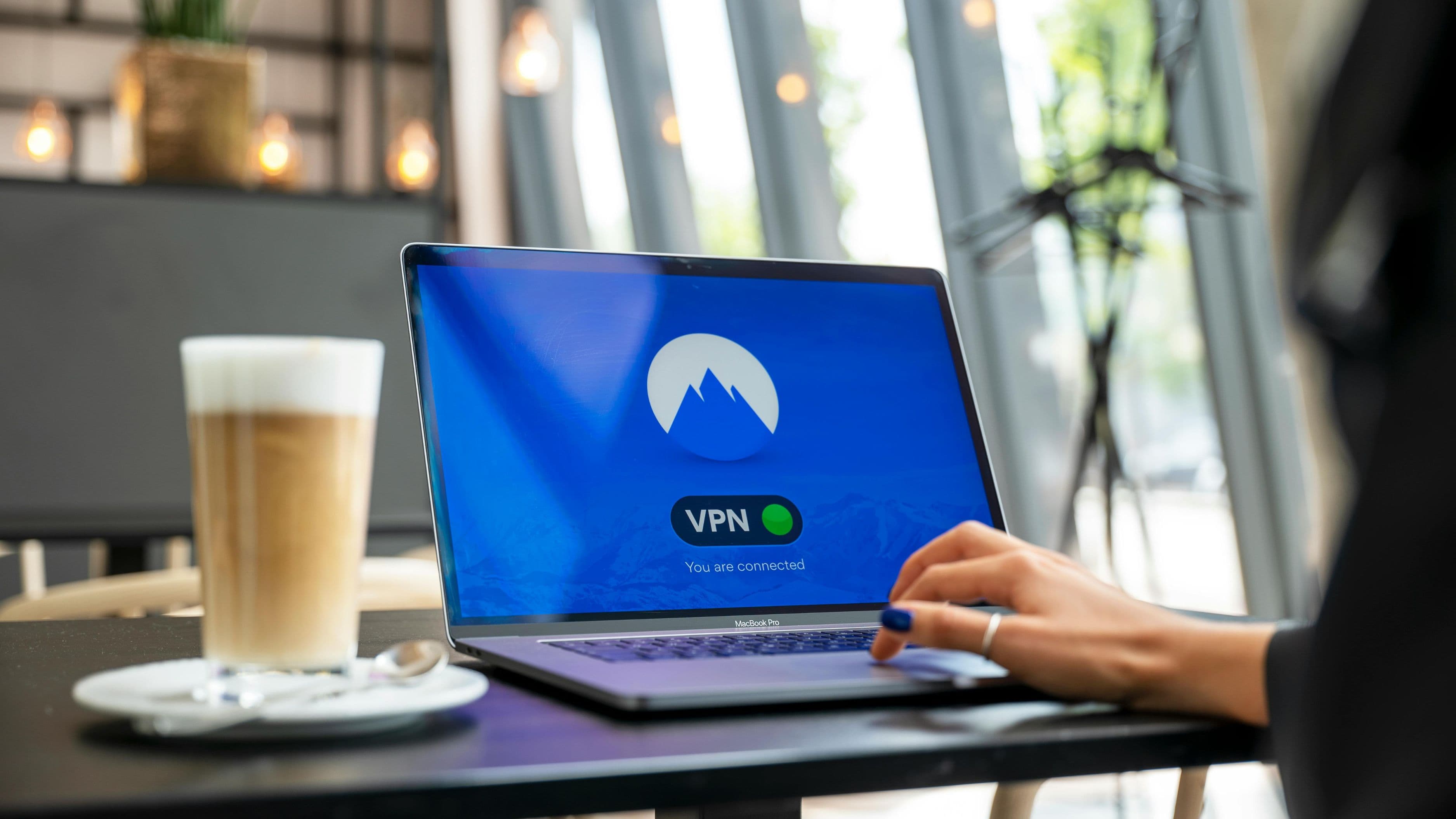
A VPN (virtual private network) routes your internet connection through a server located in a different country, making streaming platforms see your connection as coming from that country's location rather than your actual physical location. Since many streaming platforms use this location data to determine which regional content library to show you, connecting through a server in, say, South Korea or Japan can display that region's version of a platform's catalog rather than your home country's version.
This is a widely used approach specifically among travelers and expats trying to maintain access to content available in their home country while abroad, or trying to access a platform's specific regional catalog that differs from what's shown in their current location.
Important Considerations Before Using a VPN This Way
Using a VPN to access region-specific content can violate the terms of service of individual streaming platforms, even where doing so isn't illegal in a broader legal sense. Platforms license content on a region-by-region basis due to agreements with studios and broadcasters, and technically circumventing those regional restrictions, even for personal, non-commercial viewing, sits in a gray area that individual platforms address differently in their own terms.
Some platforms actively detect and block known VPN server IP addresses specifically to enforce these regional agreements, which is why VPN effectiveness for streaming varies significantly between providers and can change over time as platforms update their detection methods. It's worth reviewing the specific terms of service for any platform you're accessing this way, and understanding that account restrictions are a possible consequence some users have reported, even if enforcement varies.
What to Look for in a VPN for Streaming Specifically
Not every VPN service is well-suited to streaming, since effectiveness against platform detection systems, connection speed, and server locations in the specific countries you need all matter significantly for this particular use case. A VPN with a large, well-maintained network of servers specifically in the Asian countries whose content you're trying to access, South Korea, Japan, and others depending on your interests, gives you more options if one particular server gets blocked by a platform's detection system.
Connection speed matters more for streaming than for many other VPN use cases, since video streaming, particularly in higher resolutions, requires a stable, reasonably fast connection to avoid buffering or forced quality downgrades. Look for providers with clear, published speed performance data or trial periods that let you test actual streaming performance before committing to a longer subscription.
Server Network Size and Reliability
VPN providers with larger server networks in your target regions generally offer more reliable access, since having multiple server options in the same country means you can switch if one particular server becomes detected and blocked by a streaming platform. Providers offering only one or two servers in a given country are more vulnerable to that access breaking entirely if a platform blocks those specific server addresses, compared to providers with a broader server network to fall back on.
Privacy and Logging Policies Matter Regardless of Use Case
Beyond streaming-specific considerations, any VPN you use should have a clearly published, independently audited no-logs policy, meaning the provider doesn't retain records of your browsing activity or connection history. This matters for general privacy regardless of whether you're using the VPN specifically for streaming, and reputable providers typically make this information easy to find and verify rather than burying it in vague marketing language.
Realistic Expectations
VPN effectiveness for accessing region-specific streaming content is genuinely inconsistent and changes over time, since it's an ongoing back-and-forth between platforms' detection systems and VPN providers' efforts to maintain access. A VPN that works reliably for a specific platform today may be blocked next month, and providers vary in how quickly they respond to and work around new detection methods.
Treat any specific VPN's streaming compatibility as something that can change, rather than a permanent guarantee, and prioritize providers with a track record of consistently maintaining access rather than ones making bold but unverified claims.
What to Avoid
Avoid free VPN services for this purpose specifically. Free VPNs frequently have smaller, more heavily used server networks that are more likely to already be detected and blocked by major platforms, and some free VPN providers have been found to log and sell user browsing data, which undermines the privacy benefit VPNs are generally meant to provide in the first place.
Also avoid VPN providers making explicit claims about guaranteed access to every specific platform and region combination, since platform detection methods change frequently enough that no provider can honestly guarantee permanent, universal access to every regional content library indefinitely.
What This Means for Your Streaming Setup
If you're primarily trying to maintain access to your home country's content while traveling, or specifically interested in accessing broader regional catalogs like Korean or Japanese platforms not fully available in your home country, a reputable VPN with strong server coverage in your specific target regions is a reasonable approach, understood within the terms-of-service considerations noted above. Combining this with the legitimate, region-specific streaming platforms covered elsewhere, like Viki's genuinely broad multi-region licensing, often reduces how much you need to rely on VPN-based regional switching in the first place.
FAQ
Is using a VPN to access different regional streaming content illegal? Generally, using a VPN itself is legal in most countries, though accessing region-restricted streaming content this way can violate a specific platform's terms of service, which is a different consideration than broader legality. Check your specific country's laws and the platform's terms if you're unsure.
Will a VPN definitely work for every streaming platform? No. Effectiveness varies by platform and changes over time as detection methods evolve on both sides. A VPN that works for one platform may not work for another, and success isn't guaranteed to be permanent even where it currently works.
Does a VPN slow down streaming quality? It can, depending on the provider's server speed and your distance from the server location. Reputable, paid VPN providers generally offer better speed performance than free options, though some quality or speed reduction compared to a direct connection is common.
📚 Sources
Electronic Frontier Foundation – Understanding VPNs and Online Privacy: https://www.eff.org/issues/privacy
Federal Trade Commission – VPN Apps: What to Know: https://consumer.ftc.gov/consumer-alerts/2022/09/vpn-apps-what-know-and-do-protect-your-data
Consumer Reports – VPN Buying Guide: https://www.consumerreports.org/electronics-computers/vpn-services/