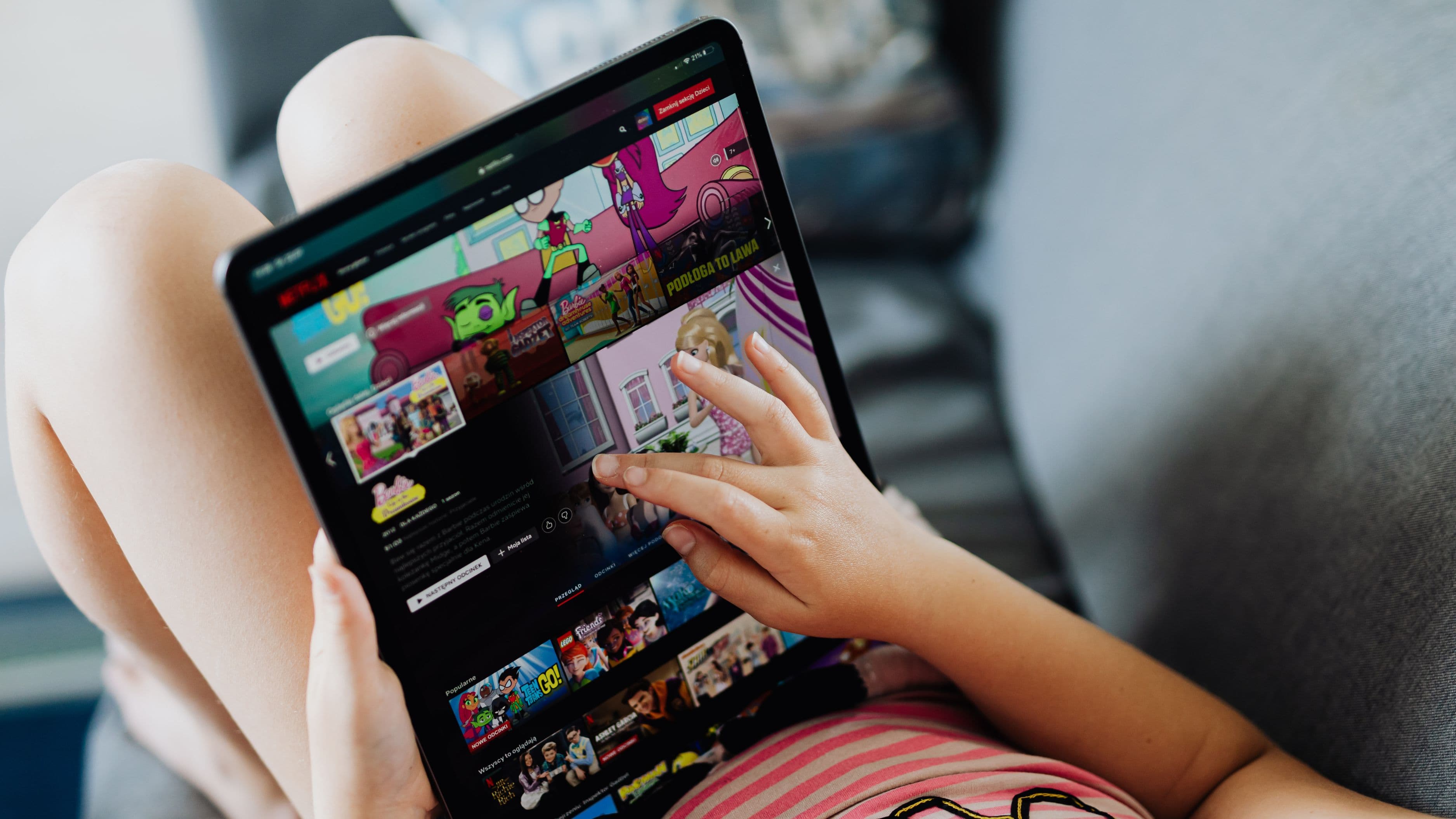

The honest answer is: yes, VPNs can unlock more streaming content, but how well that works depends on which service you use, which platform you're trying to access, and how much effort you're willing to put into it. Here's what's actually happening under the hood and what you can realistically expect.
Why Streaming Libraries Differ by Country
Before getting into VPNs, it helps to understand why streaming catalogs vary by region in the first place. When a streaming service licenses a TV show or movie, they typically license it for specific territories. The rights to show a title in the US might belong to Netflix, while the rights for the same title in the UK belong to a broadcaster, and in Australia it might be on a completely different platform. This is why a title can appear on Netflix in one country and vanish entirely in another.
Streaming platforms are required to enforce these geographic boundaries through a system called geo-blocking – they detect your location using your IP address and show you only the content licensed for your region. A VPN routes your internet traffic through a server in another country, replacing your real IP address with one from that location. To the streaming service, your device appears to be located wherever the VPN server is. If you connect to a UK server, Netflix thinks you're in the UK and shows you the UK library.
That's the core mechanic. Where it gets more complicated is that streaming services don't just sit back and let this happen.
The Cat-and-Mouse Reality
Netflix, Disney+, Amazon Prime Video, and most other major streamers actively work to detect and block VPN traffic. They do this by maintaining lists of known VPN IP addresses and blocking any connections coming from them. When a VPN provider adds a batch of new servers, it's usually only a matter of time before those IPs get flagged too.
This has created an ongoing cycle. VPN providers constantly rotate and add new server IPs to stay ahead of the blocks. Streaming platforms constantly update their detection systems. The result is that VPN performance for streaming access is genuinely inconsistent – not because VPNs are broken, but because the situation changes week to week. A server that worked perfectly last Tuesday might be blocked today.
Premium VPN providers – ExpressVPN, NordVPN, Surfshark, and a few others – invest significantly in maintaining servers that work with major streaming platforms, and they're generally more reliable for this use case than budget or free VPN services. Even then, the experience varies. A connection that works for Netflix US might not work for BBC iPlayer. A server that bypasses Disney+ geo-blocks might struggle with Amazon's detection. Expecting a single VPN to perfectly unlock every platform consistently is setting yourself up for disappointment.
Where VPNs Work Well for Streaming
Despite the complexity, there are real, practical scenarios where a VPN delivers on the content-unlocking promise.
Accessing your home country's streaming library while traveling abroad is the most reliable use case. If you're a US Netflix subscriber traveling to Europe for a month, your US library doesn't follow you – you get the local catalog instead. A VPN with a US server reconnects you to what you're already paying for. This use case works consistently well with major VPN providers because the streaming service isn't blocking you – it's just geographic routing, and connecting back to your home region is stable and reliable.
BBC iPlayer and other international public broadcasters are platforms where VPNs perform well with the right provider. BBC iPlayer requires a UK IP address, which makes it inaccessible outside the UK by default. Several VPN providers specifically call out BBC iPlayer compatibility as a selling point and maintain servers that work with it regularly. The same applies to services like France's ARTE, Germany's ZDF Mediathek, and similar public media platforms that carry content not available elsewhere.
Smaller regional streaming services that don't invest heavily in VPN detection are generally the easiest to access. If you're trying to reach a South American sports streaming service, an Asian drama platform, or a regional broadcaster, VPN blocks tend to be less sophisticated than what Netflix deploys, and access is more consistent.
Netflix library differences are real but narrowing. Netflix has been working toward a more unified global library for several years, which means the gap between what's available in different regions has shrunk compared to five years ago. Some meaningful differences remain – certain local originals, licensed catalog titles that vary by territory – but the dramatic "Netflix Japan has 3,000 more movies" narrative is less accurate than it used to be.
Where VPNs Underdeliver
The streaming unlocking pitch oversells what VPNs deliver in a few specific areas.
Netflix in general has significantly improved its VPN detection. Most free VPN services will get blocked almost immediately. Even many paid VPNs struggle to maintain consistent Netflix US access from abroad. The providers that work best rotate servers frequently and are often flagged within days or weeks, requiring you to switch server locations or wait for the provider to resolve it. If consistent Netflix library switching is your primary use case, the experience will frequently frustrate you.
Speed impact on video quality is something VPN marketing tends to downplay. Routing your traffic through an international server adds latency and can reduce your available bandwidth. Streaming 4K content through a VPN server on the other side of the world isn't always smooth, and buffering becomes more common. The quality impact depends heavily on your base internet speed and the VPN server's capacity, but it's worth knowing about before you sign up expecting seamless international streaming.
Free VPNs are largely useless for streaming. Their server pools are small, they get blocked quickly, and many operate on bandwidth caps that make video streaming impractical. Some free VPNs have also had documented privacy issues, which makes them a poor choice regardless of streaming performance. For streaming specifically, a paid service is the only tier that functions reliably.
How to Evaluate Whether a VPN Will Work for Your Situation
Before subscribing to any VPN service for streaming purposes, three questions are worth answering.
First, does the specific provider explicitly support the platform you want to access? Reputable VPN providers publish lists of streaming services they're compatible with. If they don't list the platform you're targeting, assume it may not work reliably. NordVPN, ExpressVPN, and Surfshark all maintain publicly updated compatibility information on their websites.
Second, do they offer a money-back guarantee? Most reputable providers offer 30-day refund windows. Testing with your specific use case during that window before committing long-term is the sensible approach. Connect to the region you want, attempt to access the platform you're targeting, and evaluate the quality before the refund window closes.
Third, what does the community say right now? Forums like Reddit's r/VPN and r/NetflixViaVPN have active communities posting real-time reports of what's working and what isn't. These are more current than any review article, because the streaming/VPN landscape changes fast enough that a review from three months ago may not reflect today's reality.
Realistic Expectations
A well-chosen, paid VPN from a reputable provider will reliably let you access your home streaming library while traveling abroad. It will often work for international public broadcasters like BBC iPlayer. It may or may not work for Netflix library differences depending on the day and server. It won't give you some magical vault of unlimited global content that streams perfectly in 4K from anywhere.
For most people who subscribe to a VPN primarily for streaming, the value is narrower than the marketing suggests – and that's fine, as long as you're signing up for the right reasons. If you travel internationally and want access to your home subscriptions, a VPN is genuinely useful. If you're hoping to unlock thousands of titles that don't exist in your region, the reality will fall short of that expectation most of the time.
VPNs also have real value beyond streaming – privacy protection on public Wi-Fi, encrypted browsing, and masking your activity from your ISP are legitimate benefits that exist independently of any content unlocking. For many users, those are the stronger reasons to subscribe, with streaming access as a useful bonus rather than the headline feature.
What to Avoid
Subscribing to a free VPN for streaming is almost always a waste of time. The servers get blocked, the speeds are too slow for video, and you may be trading your privacy data for the service. Free VPNs have a documented history of data monetization practices that make them a poor choice for any use case, let alone streaming.
Picking a VPN based solely on streaming marketing without checking current compatibility reports leads to disappointment. The provider's homepage always looks more capable than the day-to-day reality. Use community resources and independent tests to verify performance before paying.
Expecting a VPN to fix poor base internet speeds is a misconception worth addressing. A VPN can't improve your connection – it can only route it differently. If your internet is slow, adding VPN overhead makes streaming performance worse, not better.
FAQ
Will using a VPN violate my streaming service's terms? Most major streaming services prohibit the use of VPNs to access content outside your subscribed region in their terms of service. In practice, enforcement typically means blocking the VPN connection rather than account suspension, but it's worth knowing the terms exist. Using a VPN to access your own home region while traveling falls into a grayer area, as you're accessing content you're already paying for.
Which VPN works best for Netflix? ExpressVPN and NordVPN are most consistently cited for Netflix compatibility, though performance varies by server and changes over time. Neither works with every Netflix region reliably – US and UK Netflix are the most commonly maintained connections. Check community reports for the most current working server recommendations before subscribing.
Does a VPN slow down streaming? It can, depending on how far the server is from your physical location and the VPN's server capacity. Choosing a server geographically close to your actual location minimizes the speed impact. Most premium providers are fast enough for HD streaming, but 4K streaming through a distant international server is more hit-or-miss.
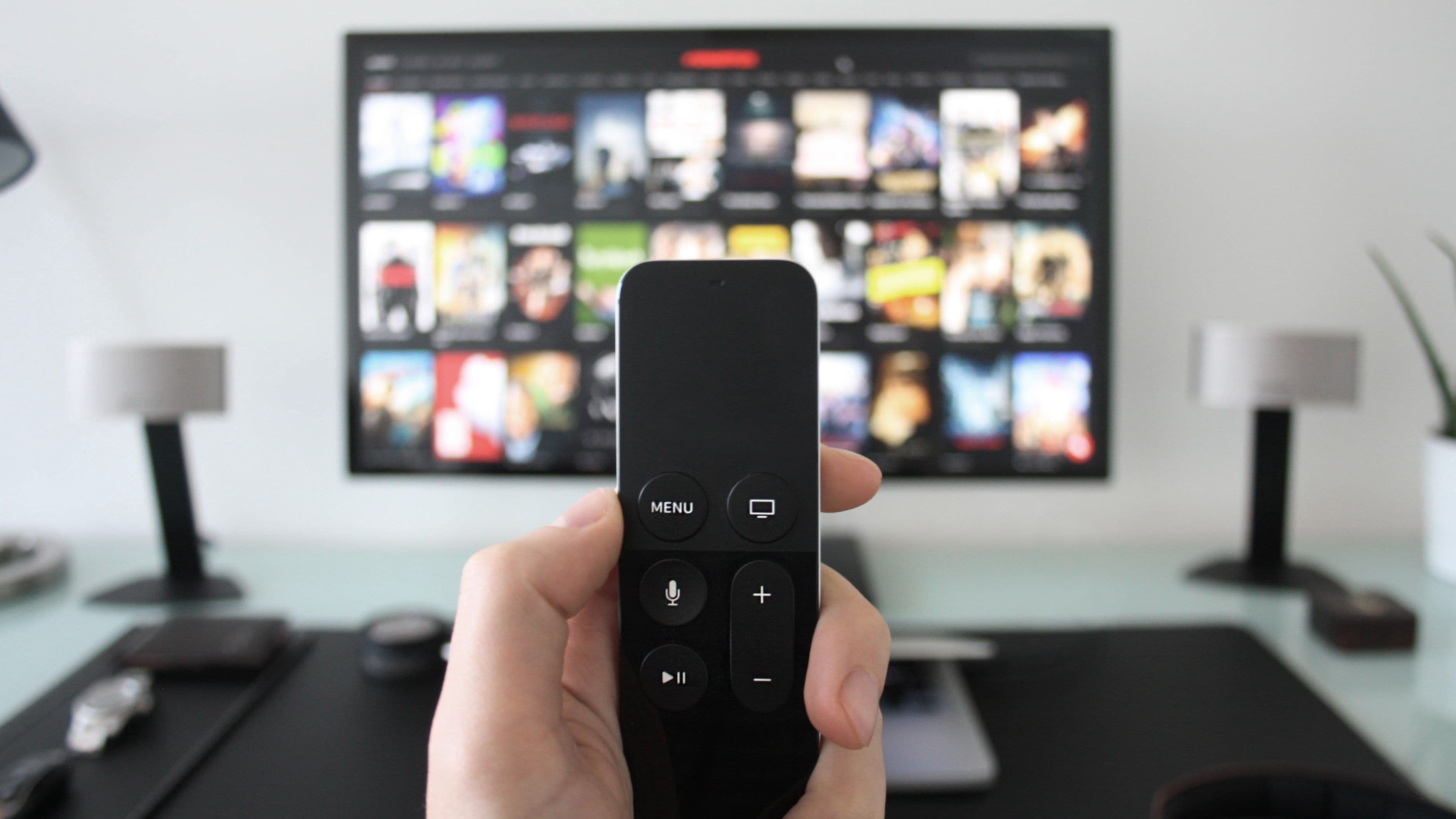
Can I use a VPN on a Smart TV or streaming stick? Not directly on most smart TVs, which don't have native VPN app support. The practical workarounds are installing a VPN on your home router (so all devices use it), using a streaming stick like Fire TV or Apple TV that supports VPN apps, or sharing a VPN connection from a laptop via hotspot.
Is it worth paying for a VPN just for streaming? It depends on how often you travel internationally or whether there's a specific regional platform you want access to reliably. For occasional use, the monthly cost of a premium VPN ($5–$13/month depending on plan) is reasonable if it solves a clear problem. If you only stream domestically and don't travel, the streaming unlocking benefit alone probably doesn't justify the cost.
📚 Sources
ExpressVPN – Streaming Services Supported: https://www.expressvpn.com/features/vpn-for-streaming
NordVPN – How VPNs Work With Streaming Platforms: https://nordvpn.com/blog/vpn-for-streaming/
Electronic Frontier Foundation – VPN Explainer: What a VPN Does and Doesn't Do: https://ssd.eff.org/module/choosing-vpn-thats-right-you
PCMag – Best VPNs for Streaming Tested and Reviewed: https://www.pcmag.com/picks/the-best-vpns-for-streaming
The Verge – Why Netflix Is So Hard to VPN Into Anymore: https://www.theverge.com/2021/4/8/22372849/netflix-vpn-blocked-circumvention