

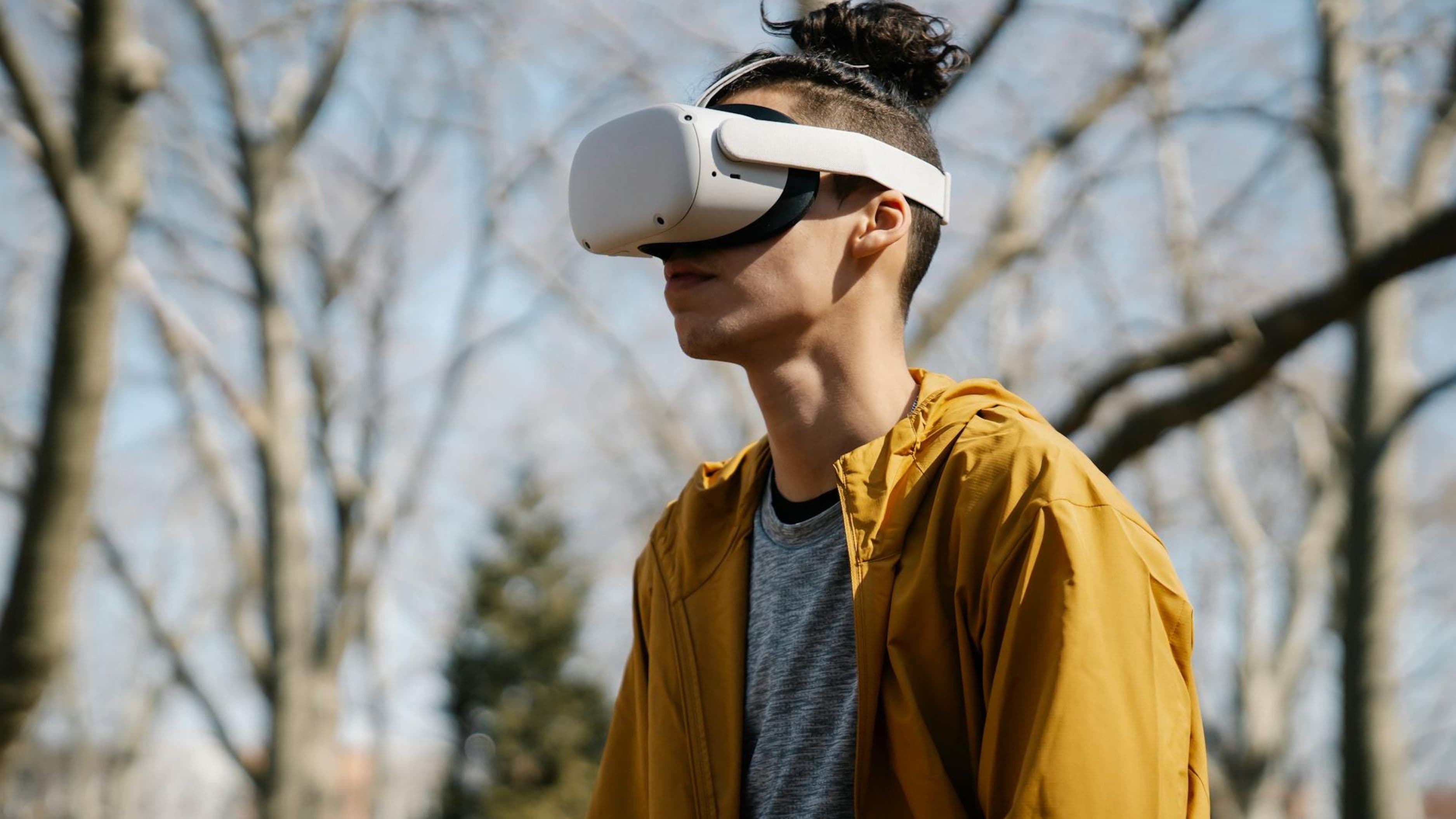
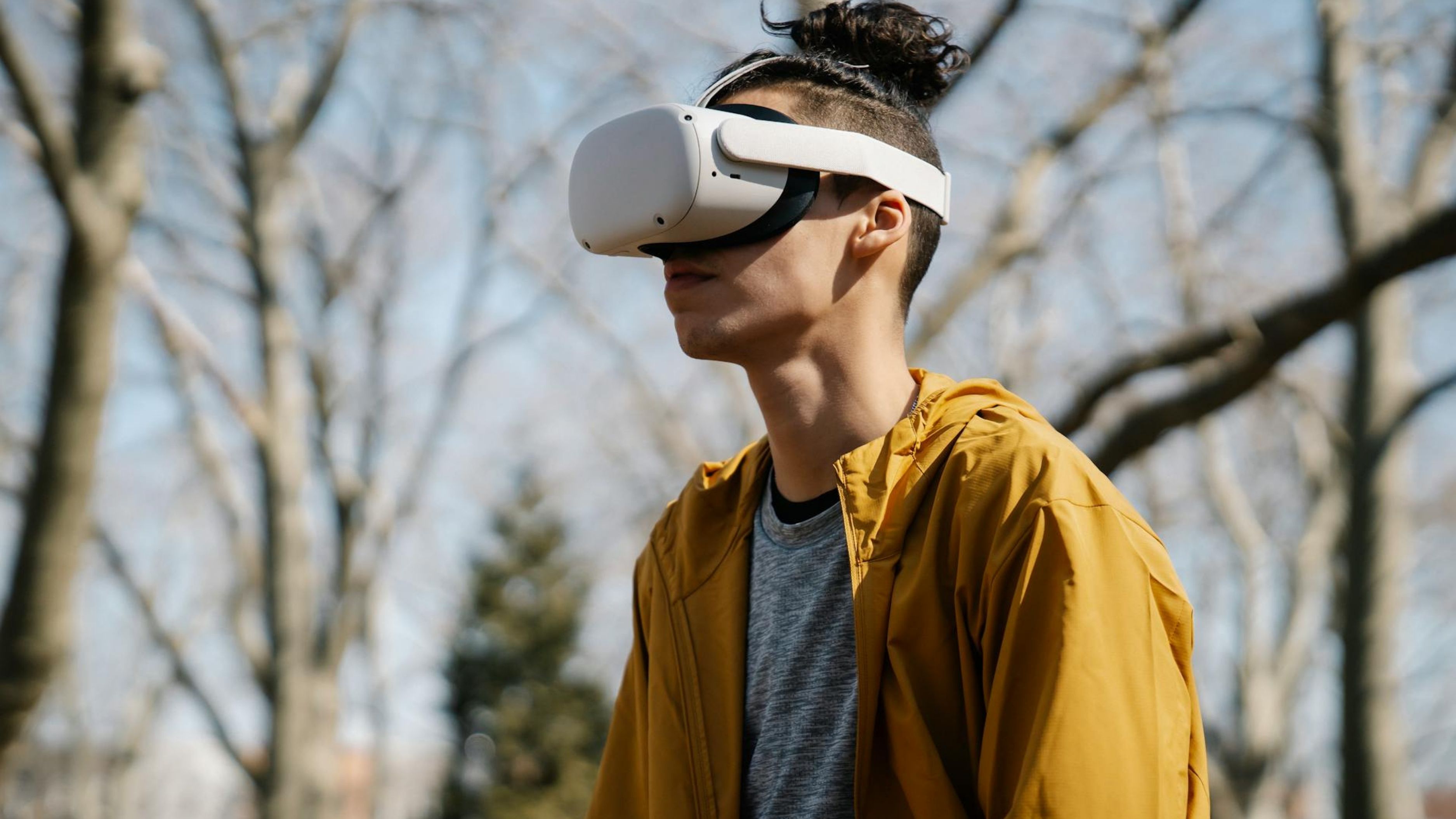
The virtual tourism industry exploded from a niche tech novelty to a multi-billion dollar phenomenon faster than you can say "Google Street View." But here's the million-dollar question entertainment insiders are buzzing about: Is this technological marvel killing traditional travel, or is it the best marketing campaign destinations never knew they needed?
Let's dive into this digital versus physical showdown and figure out what's really happening to our wanderlust.
The Netflix Effect Meets Travel
Just like how streaming didn't kill movie theaters but changed how we consume content, virtual tours are reshaping rather than replacing travel. Think about it: When you binge-watch a show set in Iceland, you don't feel satisfied—you feel an overwhelming urge to book a flight to Reykjavik. Virtual tours work the same way, acting as immersive trailers for the real experience. You get a taste, not the whole meal, and suddenly your bucket list grows three sizes like the Grinch's heart.
The technology has become seriously impressive, too. We're not talking about those clunky, laggy virtual tours from 2010 that made you motion sick. Today's offerings feature 8K resolution, spatial audio, and even haptic feedback that lets you "feel" the cobblestones beneath your feet. Some museums now offer after-hours virtual tours where you get expert commentary without dodging selfie sticks. It's like VIP access from your couch, and honestly, the appeal is undeniable.
When Virtual Actually Wins
Let's be real: there are scenarios where the digital version might actually be better than schlepping halfway across the world. Got mobility issues that make climbing the 138 steps to Angkor Wat challenging? Virtual reality has your back. Want to explore the submerged ruins of ancient Alexandria without a scuba certification? Done. Curious about North Korea but, you know, concerned about the whole totalitarian regime thing? Virtual tour it is.
The accessibility angle is huge and often overlooked in this conversation. For elderly travelers, people with disabilities, or those managing chronic conditions, virtual tourism isn't replacing travel—it's creating opportunities that never existed before. A grandmother in Ohio can finally "visit" her ancestral village in Ireland without the physical strain. A wheelchair user can navigate the ancient stone streets of Petra. This isn't about second-best; it's about democratizing experiences that were previously gatekept by physical limitations or financial constraints.
Then there's the environmental elephant in the room. Aviation accounts for roughly 2.5% of global carbon emissions, and conscious consumers are increasingly weighing their wanderlust against their carbon footprint. Virtual tours offer a guilt-free way to satisfy curiosity about distant lands. You can "visit" twenty countries in a week without contributing to overtourism in Venice or carbon pollution in the atmosphere. For the eco-conscious traveler, digital exploration becomes not a replacement but a supplement—a way to preview destinations and choose physical trips more intentionally.
The Irreplaceable Real Deal
But here's where virtual tours hit their limit: they can't replicate the unpredictable magic of real travel. No algorithm can simulate the moment when you turn a corner in Barcelona and stumble upon a hidden tapas bar where locals are singing Catalan folk songs. No VR headset captures the specific scent of rain on ancient Roman stones or the way sunset light hits the Taj Mahal exactly when the crowds have thinned. Travel isn't just about seeing—it's about smelling, tasting, getting slightly lost, and having your assumptions completely shattered.
The human connection element is irreplaceable, too. That conversation with a street vendor in Marrakech who shares his grandmother's spice blend recipe. The fellow traveler from Sweden you meet at a hostel in Thailand who becomes a lifelong friend. The way interacting with different cultures literally changes your neural pathways and expands your worldview. These serendipitous moments define travel, and they simply can't be coded.
There's also something about physical investment that creates deeper memories. When you've navigated three airports, survived questionable street food, and walked fifteen miles in uncomfortable shoes, that experience embeds itself in your consciousness differently than clicking through a virtual tour. The struggle is part of the story, and your brain encodes those challenges as meaningful experiences worth remembering.
The Hybrid Future Is Here
The smart money isn't betting on either-or; it's betting on both-and. The travel industry is catching on fast. Destinations are using virtual tours as sophisticated marketing tools—essentially saying, "Here's a taste, now come get the full experience." Hotels offer virtual property tours so you know exactly what you're booking. Tour operators provide VR previews of excursions. It's test-driving a car before buying, except the car is a two-week adventure through Southeast Asia.
This hybrid approach benefits everyone. Travelers make more informed decisions, reducing post-booking disappointment. Destinations can showcase hidden gems that don't photograph well but shine in 360-degree video. Even attractions that can't handle massive tourist volumes—fragile historical sites, wildlife habitats, sacred spaces—can share their beauty with millions while protecting the physical location from damage. It's a win-win that previous generations couldn't have imagined.
Educational institutions are pioneering this balanced approach brilliantly. Students can virtually visit ancient Rome before reading Caesar, making the literature come alive in ways textbooks never could. Then, if possible, school trips to actual historical sites become infinitely more meaningful because students arrive with context and questions rather than blank stares. The virtual experience primes the pump for deeper real-world engagement.
The Verdict: Appetite Whetted
So are virtual tours replacing real travel? Not even close. If anything, they're creating more travelers by making the world feel simultaneously more accessible and more intriguing. When you can explore a destination virtually, you're not scratching an itch—you're discovering new itches you didn't know existed. That virtual walk through Kyoto's bamboo forest doesn't satisfy your wanderlust; it transforms abstract knowledge into visceral desire.
According to recent tourism industry research, destinations that invested in high-quality virtual tours during the pandemic saw increased booking intentions post-reopening, not decreased ones. People who took virtual tours of museums were more likely to plan future in-person visits. The data suggests virtual experiences function as appetizers, not main courses—they stimulate hunger rather than satisfy it.
The future of travel isn't digital versus physical; it's about using technology to make physical travel more intentional, accessible, and meaningful. Virtual tours help us travel smarter, not less. They let us preview, prioritize, and prepare. They extend travel's reach to people who couldn't go otherwise. And crucially, they make us appreciate the irreplaceable magic of actually being somewhere when we finally get there.
Your passport isn't obsolete. If anything, it's about to get a lot more stamps. Those virtual tours you've been taking? Consider them your personalized travel inspiration playlist, queuing up adventures your future self will thank you for. The world is still waiting, and now you've got a pretty good idea of where you want to go first.
📚 Sources
1. International Air Transport Association (IATA). "Aviation and Climate Change Fact Sheet." 2023.
2. Pew Research Center. "Digital Technology and Travel Behavior." 2024.
3. World Tourism Organization (UNWTO). "Virtual Reality and Tourism Marketing: Impact Study." 2023.