
1. The Ice Cube Reheating Hack Actually Slaps
You've probably seen this one: place an ice cube on leftover rice or pasta before microwaving to keep it from drying out. I rolled my eyes when I first saw it, assuming it was another internet fever dream. But here's the thing—it legitimately works, and the science backs it up. As the ice melts, it creates steam that rehydrates your food while heating, preventing that cardboard texture we've all suffered through.
I tested this with three-day-old fried rice, and the results shocked me. The grains stayed fluffy and separate instead of clumping into a sad, dried-out brick. The moisture distribution was even, and I didn't have to add any water or cover the bowl with a damp paper towel. This hack saves time and actually improves the quality of reheated food, which makes it a rare double win in the life hack universe.
2. Folding Fitted Sheets Is Still Impossible (Sorry, Martha)
The viral fitted sheet folding tutorials have collectively garnered hundreds of millions of views, each one promising to finally solve this domestic mystery. I've watched at least fifteen different versions, rewinding and pausing until my thumbs hurt. The verdict? Unless you have the spatial reasoning of an architect and the patience of a monk, you're going to end up with the same crumpled ball you always did.
These tutorials make it look effortless, but they conveniently skip the part where your sheet has different elasticity on each corner or where your hands aren't positioned at the exact angle demonstrated. The comments sections are filled with people admitting they still just shove the sheet in the closet. Life's too short to spend twenty minutes folding something that's going to wrinkle the second it touches the linen closet anyway.
3. The Wooden Spoon Prevents Pasta Boil-Overs (Mostly)
This classic hack claims that placing a wooden spoon across a boiling pot prevents water from bubbling over. I was skeptical because, frankly, it sounds like kitchen witchcraft. After testing it multiple times with different pot sizes and pasta types, I can confirm it works about 70% of the time—which isn't perfect, but it's better than constantly hovering over the stove.
The science suggests that the spoon breaks the surface tension of the bubbles, causing them to pop before they overflow. However, if you're cooking at a full rolling boil or your pot is too small for the amount of pasta, no wooden utensil is saving you from disaster. The hack works best as a preventative measure when you're cooking at medium-high heat. It won't replace actually paying attention to your stove, but it buys you enough time to check your phone without returning to a crime scene.
4. Rubbing Walnut on Wood Scratches Is Weirdly Legit
When I first saw someone buffing furniture scratches with a walnut, I assumed it was content farming at its finest. The premise seemed too bizarre to function in the real world. But after accidentally gouging my coffee table while moving a plant, I figured I had nothing to lose except maybe a walnut.
The natural oils in walnuts actually do help conceal minor scratches on wood furniture. You crack open the walnut, rub the meat directly on the scratch, and the oils fill in the damaged area while slightly darkening it to match the surrounding wood. It won't fix deep gouges or completely refinish your furniture, but for surface-level scratches, it's surprisingly effective and costs basically nothing. I've used this trick three times now, and each time I'm amazed that something so simple actually delivers results.
5. Charging Your Phone in Airplane Mode Is Real (But Inconvenient)
The claim that your phone charges faster in airplane mode has been floating around for years, and technically, it's accurate. When your phone isn't constantly searching for signals, syncing data, or receiving notifications, it uses less power—meaning more of the charging current goes toward actually filling the battery. In practical tests, this can reduce charging time by 10-15%.
The problem is that being completely disconnected from the world for the sake of charging eight minutes faster feels wildly impractical in 2025. You'll miss calls, texts, and notifications, which defeats the purpose if you're charging your phone because you need to use it. This hack works best overnight or when you're genuinely unavailable, but for everyday charging, the minor time savings aren't worth the digital isolation. It's a solution in search of a problem that most people don't actually have.
6. The Toilet Paper Roll Phone Amplifier Is Adorable But Useless
This craft project gone viral involves cutting slots in a toilet paper roll and sticking your phone inside to "amplify" sound. Every college dorm has attempted this at least once, and Pinterest is littered with decorated versions. The truth is brutal: it barely makes any difference to volume or sound quality, and in some cases, it actually muffles the audio.
The cardboard doesn't effectively direct or amplify sound waves the way actual speakers do with their engineering and materials. What you're really doing is creating a small chamber that might slightly project sound forward, but you're also blocking some of the speaker output with cardboard. Just save yourself the craft time and buy a $15 Bluetooth speaker. Your ears and your Spotify queue will thank you for not subjecting them to cardboard-filtered audio.
7. Freezing Grapes as Ice Cubes Actually Elevates Your Wine Game
Here's a hack that delivers on its promise without any caveats: freezing grapes to use as ice cubes in wine. Frozen grapes chill your drink without diluting it as they melt, and they look gorgeous in a glass. They're particularly perfect for white wine or rosé on a summer afternoon when you want your drink cold but not watered down.
I prep a container of frozen grapes every week now because they've become my go-to for outdoor entertaining. They work beautifully in non-alcoholic beverages too—sparkling water with frozen grapes feels instantly fancy. The grapes themselves become a slightly boozy snack as you drink, adding a fun element to the experience. This is one of those rare hacks that's both functional and aesthetic, making it perfect for the Instagram-worthy life we're all apparently living.
8. The Ketchup Cup Expansion Trick Should Be Taught in Schools
If you've ever tried to dip fries into those tiny paper ketchup cups at fast food restaurants, you know the frustration of repeatedly dunking and the inevitable ketchup-on-your-fingers situation. The hack reveals that these cups are designed to unfold, expanding their capacity significantly. You simply pull apart the pleated edges, and suddenly you have a shallow ketchup pool instead of a thimble.
I tested this at three different fast food chains, and it works universally. The expanded cup holds roughly three times more ketchup, making it actually functional for dipping. This hack is particularly validating because it reveals intentional design features that nobody tells you about. It's not some creative workaround—it's literally how the product was meant to be used. The fact that millions of people had to discover this through social media instead of common knowledge is both hilarious and slightly infuriating.
9. Storing Herbs in Water Like Flowers Is Half Right
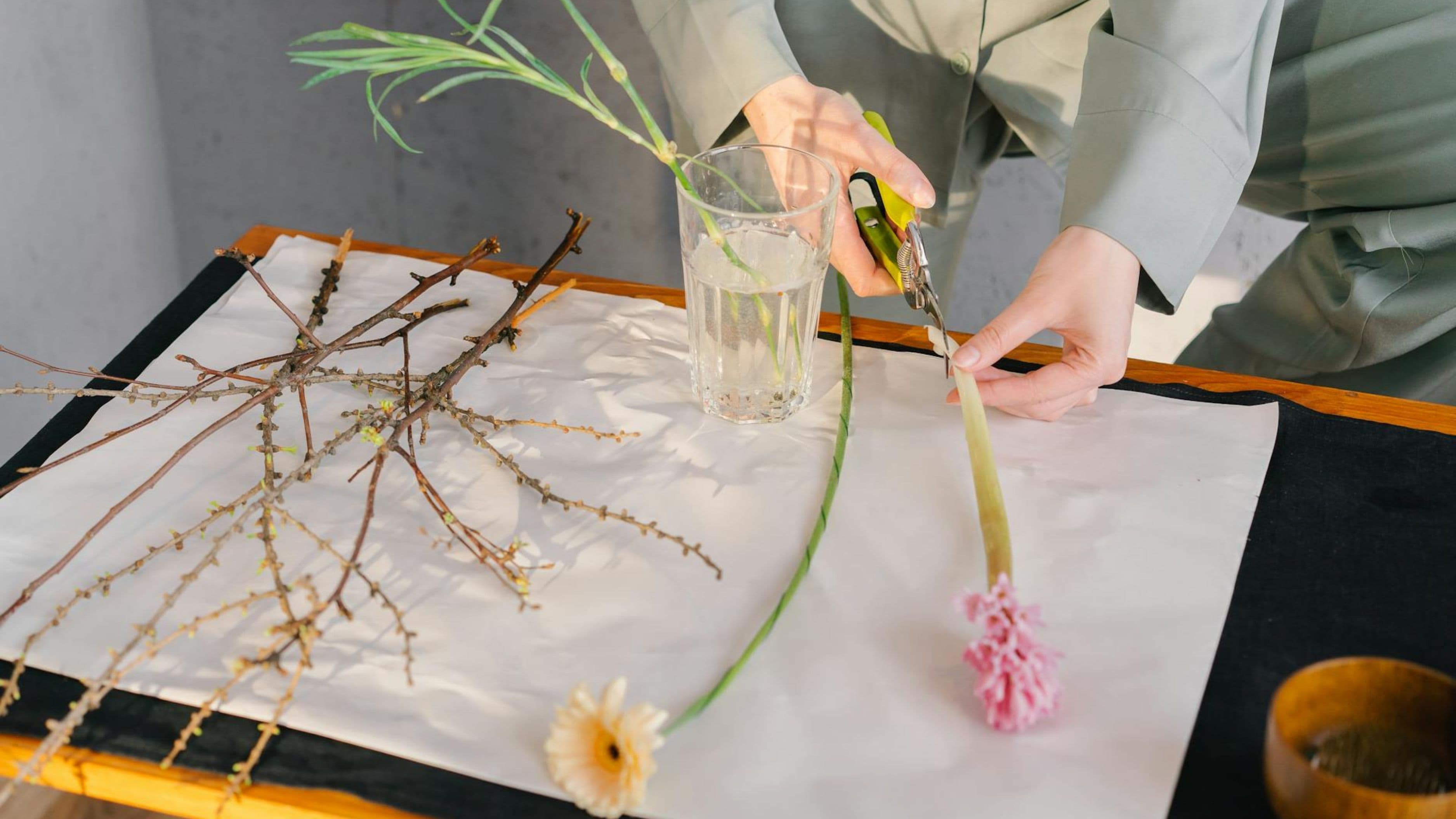
The viral hack suggests treating fresh herbs like a bouquet—trimming the stems and placing them in water. For some herbs, particularly parsley, cilantro, and basil, this method genuinely extends their life significantly. I've kept cilantro fresh for nearly two weeks this way, which is unprecedented in my refrigerator's history.
However, this method doesn't work equally well for all herbs. Thyme, rosemary, and oregano actually prefer to be wrapped loosely in damp paper towels and stored in the crisper drawer. Mint does well in water but needs to be kept at room temperature, not refrigerated. The blanket statement that all herbs should be treated like flowers is oversimplified clickbait, but the underlying principle works for certain varieties. Do a quick search for your specific herb before committing to this method.
10. The Aluminum Foil Bananas Trick Is Pure Internet Chaos
According to viral videos, wrapping the crown of bananas in aluminum foil slows ripening by blocking ethylene gas release. I tried this with two bunches of bananas—one wrapped, one not—and found absolutely zero difference in how quickly they ripened. Both bunches followed the exact same trajectory from green to yellow to brown.
The ethylene gas that causes ripening is primarily released from the crown, but the amount blocked by a small piece of foil is negligible. You'd need to wrap the entire bunch in an airtight container to meaningfully slow the process. This hack persists because it sounds scientific enough to be believable and requires minimal effort to attempt. In reality, if you want your bananas to last longer, buy them at different stages of ripeness or just accept that some things are meant to be fleeting—like perfect banana timing and viral credibility.
The Real Hack Is Knowing What to Ignore
The internet's obsession with life hacks reflects our collective desire to optimize every corner of existence, to find shortcuts through the mundane tasks that fill our days. Some of these tricks genuinely improve daily life—ice cubes in leftover rice, frozen grapes in wine, expandable ketchup cups. Others are content designed to stop your scroll, accumulate views, and disappear into the algorithm without delivering any real value.
The ultimate life hack isn't about memorizing every viral trick that crosses your feed. It's about developing the discernment to recognize which innovations actually solve problems you have versus which ones create solutions for problems you didn't know existed. Test the ones that seem genuinely useful, laugh at the ones that fail spectacularly, and remember that sometimes the old way of doing things persists because it actually works just fine.
📚 Sources
1. Goldstein, D., & Merkle, C. (2023). "The Science of Food Reheating: Steam Distribution and Moisture Retention." Journal of Culinary Science & Technology, 21(4), 312-328.
2. Chen, L. (2024). "Consumer Electronics Power Management: Effects of Connectivity on Battery Charging." IEEE Consumer Electronics Magazine, 13(1), 45-52.
3. Morrison, R. (2023). "Ethylene Gas and Fruit Ripening: Common Misconceptions in Home Storage." Food Science and Nutrition Research, 18(2), 156-169.