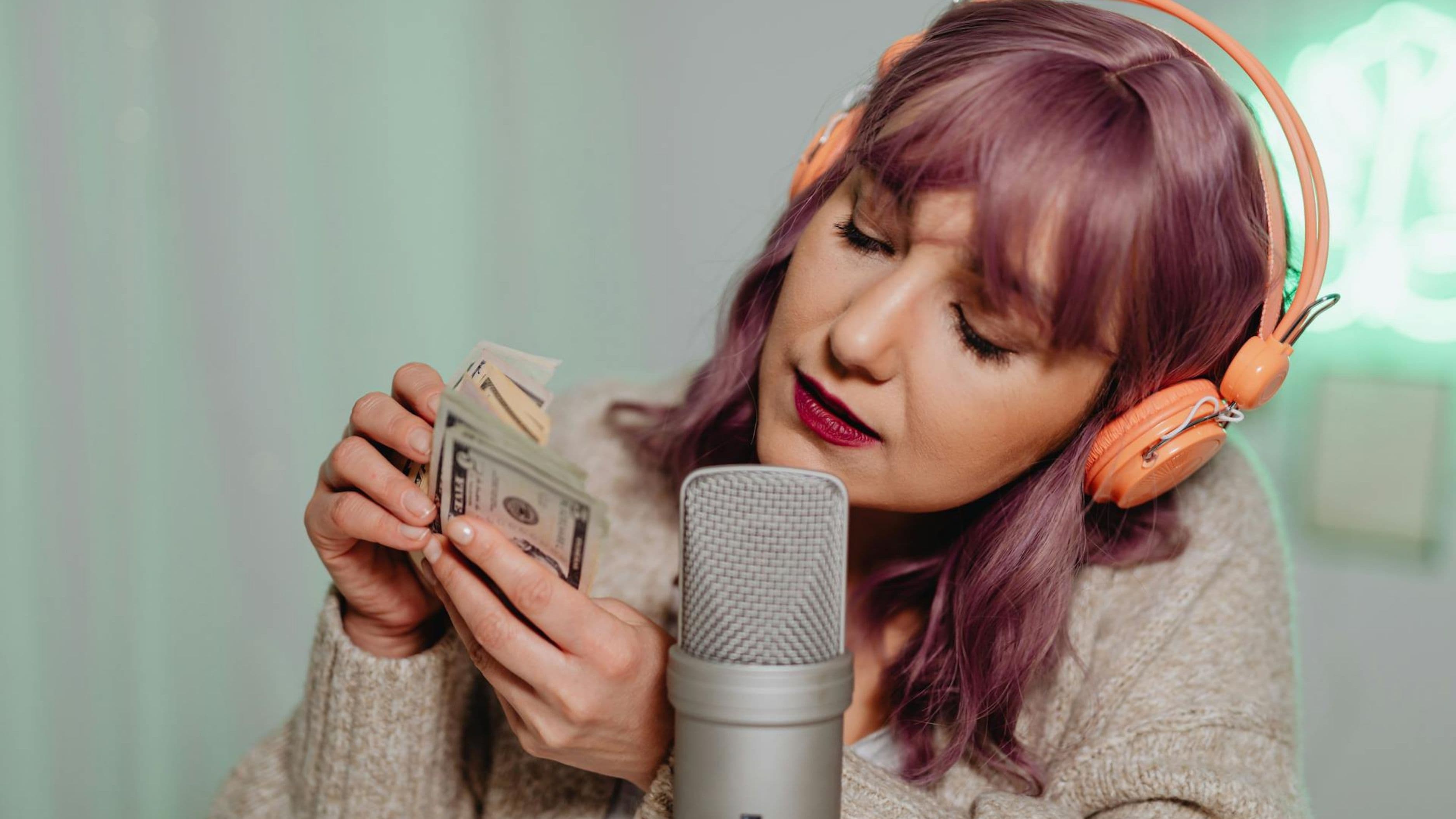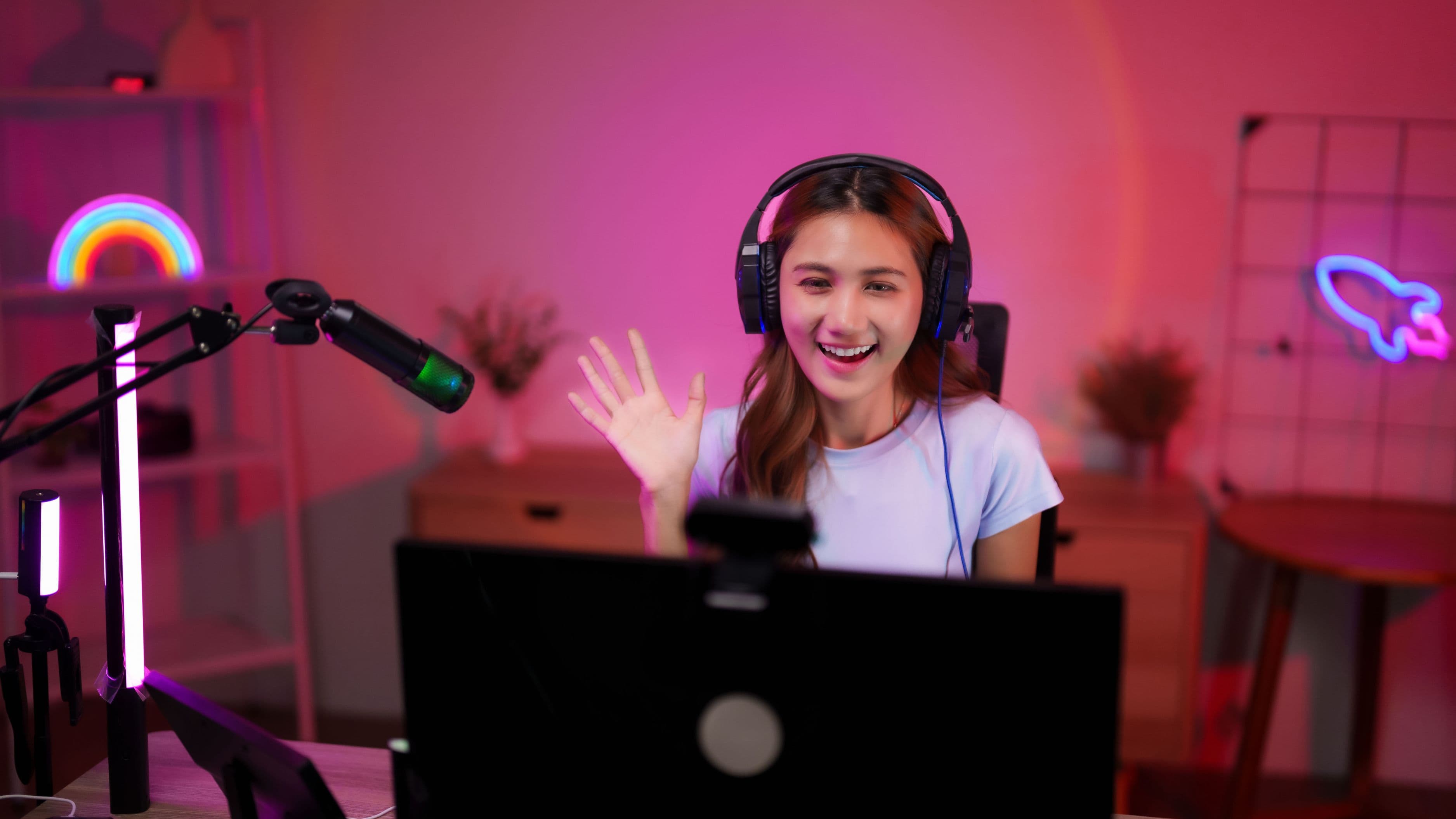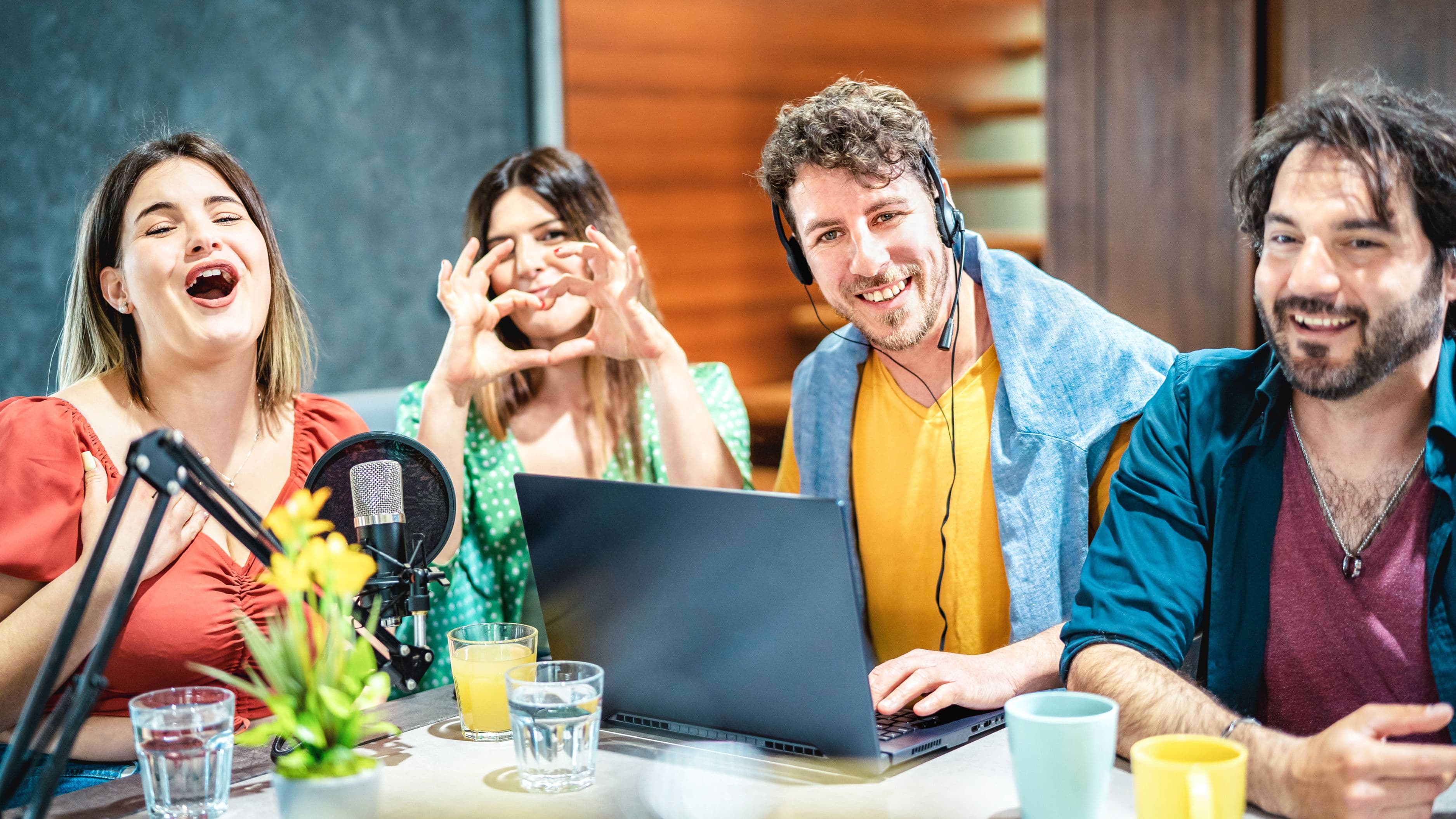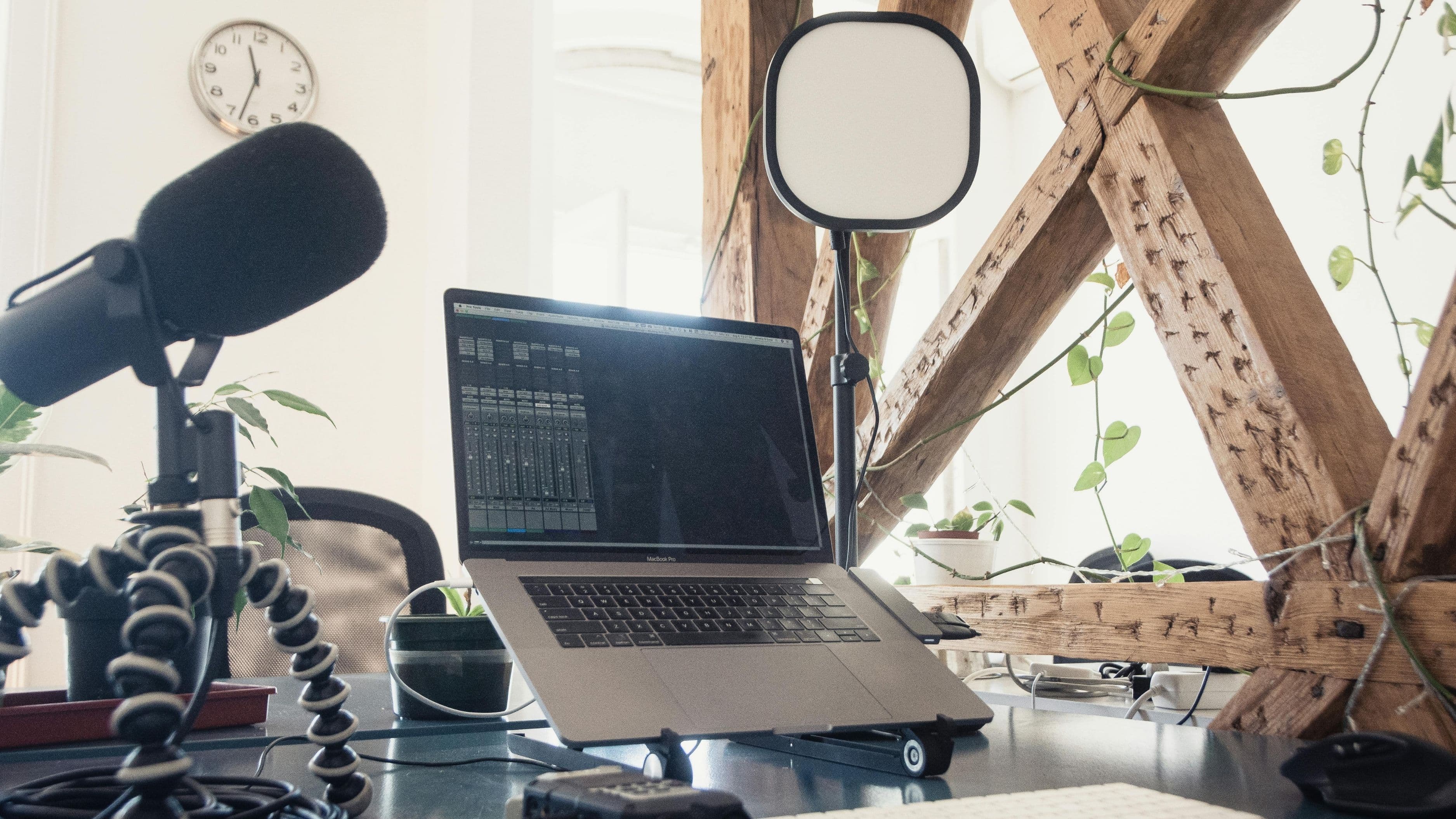

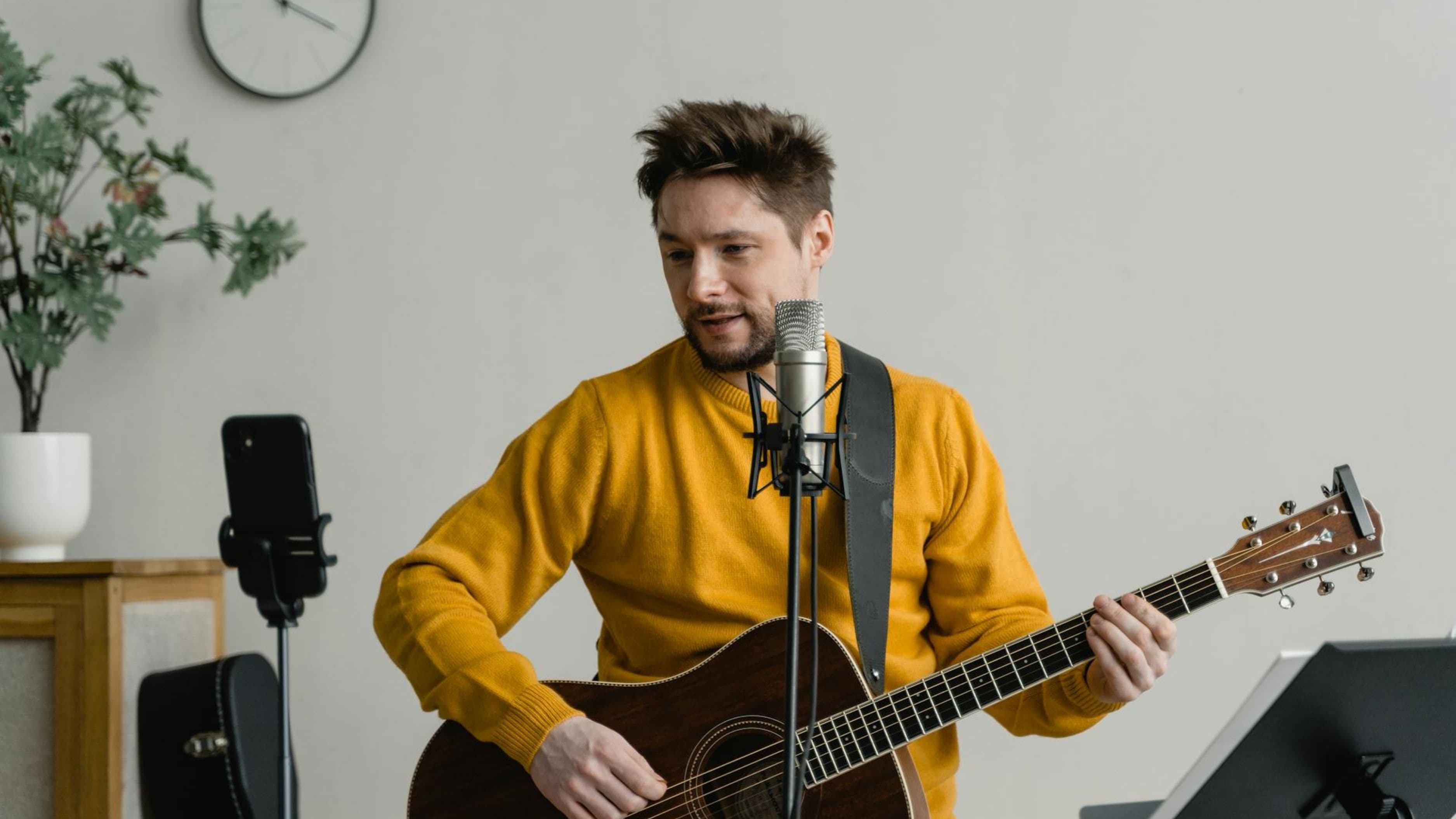
We're living in an era where a 17-year-old recording vocals in their bedroom on a $50 microphone can rack up more streams than artists with Juilliard degrees and decades of training. It's messy, it's controversial, and it's absolutely reshaping the music industry as we know it. So let's dive into this digital showdown between the algorithm-blessed and the classically trained, shall we?
The Raw Power of Authenticity
Here's the thing about TikTok singers that traditionally trained vocalists often miss: they're selling a vibe, not perfection. When someone like Gayle blows up with "abcdefu," she's not demonstrating flawless vocal runs or impeccable breath control. She's channeling pure, unfiltered emotion that resonates with millions of people who've been through a bad breakup. The slight cracks in her voice, the imperfect delivery—these aren't bugs, they're features. They make the performance feel real, like your best friend venting to you at 2 AM over cold pizza.
Traditional training often emphasizes control, precision, and technical mastery. You learn to hit every note perfectly, to maintain consistent tone quality, to project properly for different performance spaces. These skills are genuinely valuable, but they can sometimes sand down the rough edges that make a performance feel human. TikTok audiences aren't tuning in to hear someone execute a perfect arpeggio; they're looking for something that hits them right in the feels, even if it's technically "imperfect."
The Algorithm Knows What You Want (Sometimes Better Than You Do)
Let's talk about the elephant in the room: TikTok's algorithm is basically a talent scout with access to billions of data points and no coffee breaks. It can identify what resonates with audiences faster than any A&R executive ever could. When a vocal performance starts gaining traction, it's not because it checked all the boxes on some classical music theory rubric. It's because thousands, then millions of people stopped scrolling, listened, and felt something worth sharing.
Traditional music industry gatekeepers spent decades deciding who got heard based on their trained ears and industry experience. Sometimes they were right. Sometimes they passed on The Beatles because "guitar groups are on their way out." The algorithm doesn't care about your musical pedigree or whether you can sight-read Bach. It only cares about engagement metrics, and those metrics reflect what actual listeners want to hear. That's simultaneously liberating and terrifying, depending on which side of the microphone you're standing.
Technical Skill Still Matters (Just Maybe Not How You Think)
Now, before all the vocal coaches come for me, let's be clear: technical training absolutely provides advantages that can't be ignored. Proper breath support prevents vocal strain and injury. Understanding pitch and harmony opens up creative possibilities. Knowledge of music theory helps with songwriting and arrangement. These things matter enormously for longevity and versatility in the music industry.
Where the conversation gets interesting is when we ask: what happens when you combine viral appeal with technical skill? Artists like Pentatonix went viral with their a cappella arrangements precisely because they had the technical chops to execute complex harmonies flawlessly. Their training didn't limit their accessibility; it amplified their impact. The sweet spot seems to be when artists use their technical skills to serve emotional authenticity rather than showcase them for their own sake. Nobody wants to hear you show off your five-octave range if the song doesn't call for it. They want to hear you use whatever range you have to tell a story that matters.
The Democratization Double-Edged Sword
Here's where things get complicated in the best possible way. TikTok has blown open the doors that traditional music education and industry access kept locked. You don't need a conservatory degree, expensive vocal lessons, or connections to make it anymore. A smartphone, some natural talent, and the right thirty seconds can change your life overnight. This is genuinely revolutionary for artists from marginalized communities or without financial resources for formal training.
But let's keep it real: this democratization comes with trade-offs. The signal-to-noise ratio is bonkers. For every legitimate talent who breaks through, there are thousands of people who probably needed a few more months (or years) of practice before sharing their work with millions. The old gatekeeping system was elitist and exclusionary, but it did provide some quality control. The new system is accessible and democratic, but it can reward whatever grabs attention fastest, regardless of whether it represents genuine artistry or sustainable talent. Neither system is perfect, and pretending otherwise is just intellectually dishonest.
Staying Power: Where Training Shows Its True Value
Pop quiz: what happened to Rebecca Black after "Friday" went viral? Or PSY after "Gangnam Style"? Viral fame and lasting career success are two very different animals. This is where traditional training often proves its worth. Artists with solid technical foundations and deep understanding of their craft tend to have more tools for evolving, adapting, and sustaining careers beyond their initial viral moment.
Singers like Olivia Rodrigo demonstrate this perfectly. She went viral on social media, but she also has serious musical training and songwriting chops that let her follow up initial success with consistently strong work. Meanwhile, countless TikTok viral sensations burn bright for a few weeks then disappear because they had one catchy hook but no foundation to build on. Technical training doesn't guarantee longevity, but it definitely increases the odds. It's like the difference between someone who got lucky at poker once versus someone who actually knows how to play the game.
The Genre Factor Changes Everything
This entire debate shifts dramatically depending on what genre we're discussing. In opera or musical theater, there's simply no substitute for years of technical training. You physically cannot perform these repertoires safely or effectively without proper vocal technique. Your body needs conditioning, your ear needs training, and your stamina needs development. TikTok fame won't get you through a three-hour Wagner opera without destroying your voice.
But in pop, hip-hop, indie, or alternative music? Technical perfection matters far less than emotional resonance and stylistic authenticity. Some of the most influential voices in popular music—Bob Dylan, Billie Eilish, Tom Waits—would probably fail a traditional vocal audition. Their power comes from their unique sound and emotional delivery, not their technical prowess. The genre you're working in fundamentally determines whether traditional training is essential, helpful, or potentially even limiting to your artistic goals.
Collaboration: The Real Winner
Here's the plot twist: the best answer might be "both/and" rather than "either/or." The music industry is increasingly seeing successful collaborations between viral TikTok artists and traditionally trained musicians, producers, and vocal coaches. Someone might blow up on TikTok with raw talent, then work with trained professionals to develop their skills and expand their range without losing what made them special in the first place.
This collaborative approach takes the best of both worlds: the authenticity and audience connection that viral artists bring, combined with the technical knowledge and industry experience that trained professionals offer. It's not about making TikTok singers sound like opera performers or vice versa. It's about helping artists develop their unique voices while gaining tools to protect their vocal health, expand their creative possibilities, and build sustainable careers. The most exciting music being made right now often comes from these kinds of cross-pollinated partnerships.
The Audience Has Spoken (And They're Not Going Back)
Let's face the music: whether traditionalists like it or not, audiences have voted with their ears, their attention, and their streaming dollars. They want authenticity, relatability, and emotional connection more than they want technical perfection. A 2022 study from MIDiA Research found that 75% of Gen Z music listeners discover new artists through social media, primarily TikTok. These listeners didn't grow up with the same reverence for traditional music industry structures that previous generations had.
This generational shift isn't about lower standards or lack of appreciation for artistry. It's about different values and different consumption patterns. Today's listeners are creating playlists that mix bedroom pop artists with symphony orchestras, SoundCloud rappers with jazz virtuosos. They're not particularly invested in the traditional versus viral debate because they genuinely don't see a hierarchy. Good music is good music, regardless of where it came from or how technically "correct" it is. That's not cultural decline; it's cultural evolution.
Your Life Doesn't Need to Be Perfect — Just More Harmonious
So can viral TikTok singers compete with traditionally trained vocalists? The answer is yes, no, and it depends—probably the most frustrating answer possible, but also the most honest. They're often competing in different arenas, by different rules, for different prizes. Traditional training offers undeniable advantages for technical skill, versatility, and career longevity. Viral success offers unprecedented access, authentic audience connection, and genre-redefining innovation.
The future of music probably doesn't belong exclusively to either camp. It belongs to artists who understand that technique serves emotion, that viral moments need substance behind them, and that the best path forward might involve learning from both approaches. Whether you're a classically trained vocalist looking to connect with modern audiences or a TikTok sensation wanting to build a lasting career, the goal isn't to prove your approach is superior. It's to make music that moves people, regardless of how you learned to do it.
After all, Mozart was basically the viral TikTok sensation of his era—young, unconventional, and annoying the establishment—and we still listen to him centuries later. Maybe the real lesson is that genuine talent finds a way, whether it comes wrapped in conservatory credentials or compressed into a fifteen-second video clip.
📚 Sources
1. MIDiA Research (2022). "Music Consumption Report: The Rise of Social Media Discovery." MIDiA Research consumer survey data on music discovery habits among Generation Z listeners.
2. Pew Research Center (2021). "Social Media Use in 2021." Report on platform usage patterns and content consumption across demographic groups.