
TikTok has democratized music creation in ways we never imagined possible. Musicians are going viral with tracks recorded on equipment that wouldn't have made it past a sound engineer's assistant a decade ago. But here's the thing—this isn't about cutting corners. These digital-native artists have cracked the code on finding affordable gear that genuinely delivers studio-quality sound. They're not just making do; they're making hits.
1. The USB Microphone Revolution (Sorry, XLR Purists)
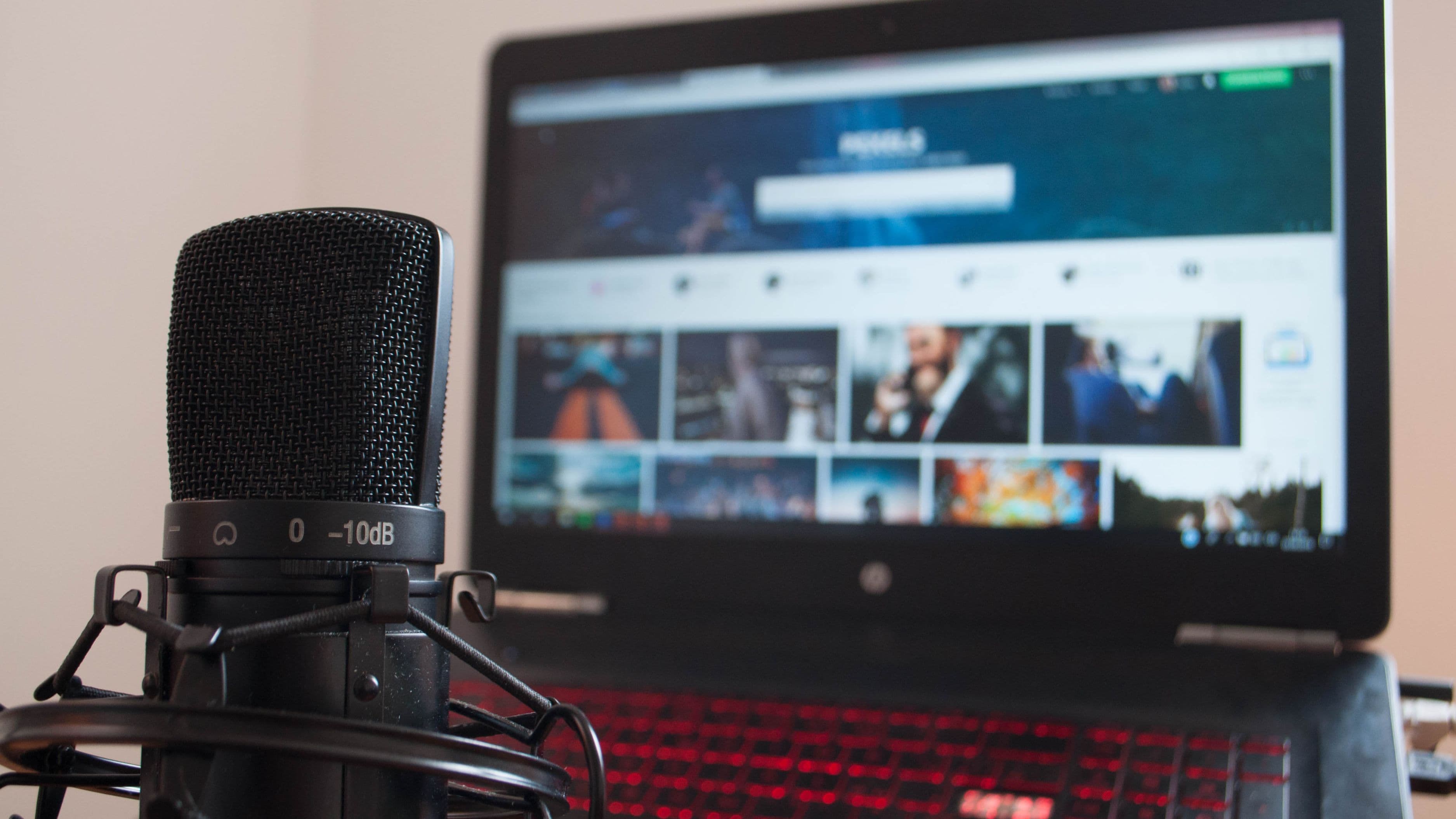
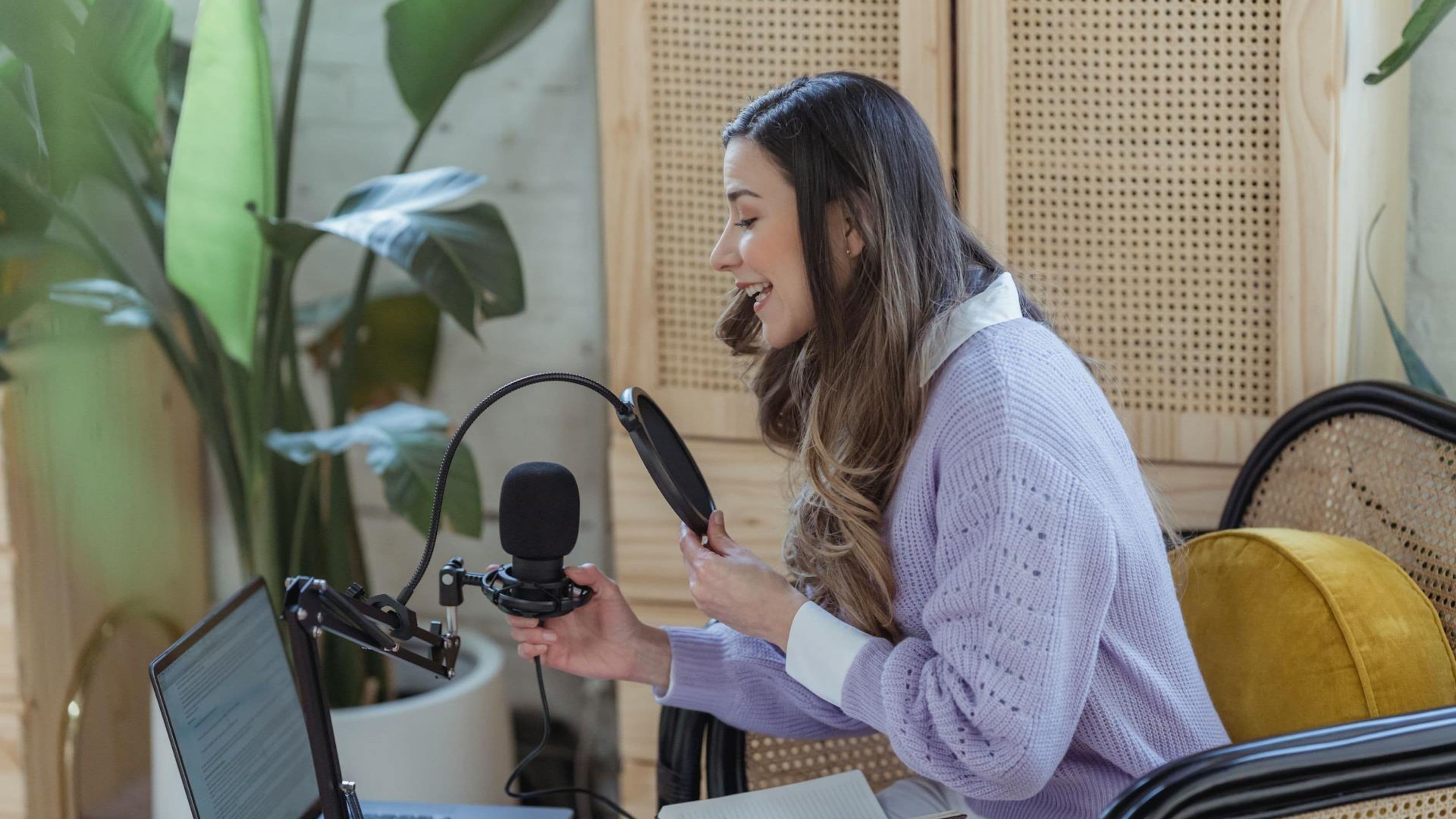
The gatekeepers told us we needed XLR mics, audio interfaces, phantom power, and basically a degree in audio engineering to sound professional. TikTok musicians laughed and plugged a USB mic straight into their laptops. Mics like the Audio-Technica AT2020USB+ (around $150) and the Blue Yeti (often under $100 on sale) have become the secret weapons of bedroom producers everywhere. These plug-and-play powerhouses deliver crisp, broadcast-quality audio without the cable spaghetti or the existential crisis of setting gain levels.
What makes these mics studio-worthy isn't just convenience—it's the tech inside. Modern USB microphones pack the same condenser capsules you'd find in traditional studio mics, but with built-in preamps and analog-to-digital converters. Translation? One cable does everything. Artists like Cavetown and mxmtoon built their entire early catalogs with USB mics, proving that the barrier to entry isn't about spending thousands—it's about knowing what actually matters for your sound.
The kicker? These mics record at 24-bit/96kHz, which is overkill for most streaming platforms anyway. Spotify streams at roughly 320kbps, so that $3,000 Neumann you've been lusting after won't make your track sound noticeably better to your TikTok audience scrolling at 2 a.m.
2. The $200 Audio Interface That Punches Above Its Weight
When TikTok producers do graduate to XLR mics, they're not dropping rent money on interfaces. The Focusrite Scarlett series—particularly the Scarlett Solo and 2i2 (ranging from $120-$200)—dominates bedroom studios for good reason. These compact red boxes have become so ubiquitous that spotting one in a music producer's setup video is like seeing a Stanley cup at a yoga class.
The Scarlett series offers studio-grade preamps with low noise floors, which is fancy talk for "your recordings won't sound like they were made in a tin can." PreSonus AudioBox and Behringer U-Phoria interfaces also populate the TikTok music ecosystem, offering similar quality at even friendlier price points. These interfaces prove that clean gain staging and reliable drivers matter more than fancy LED displays and Instagram-worthy industrial design.
Here's the insider move: TikTok musicians buy previous-generation interfaces secondhand. A Focusrite Scarlett 2i2 from 2016 still records audio identically to streaming platforms' standards. The only difference? You saved $50-70 by not caring about marginally faster USB-C connectivity.
3. Monitor Headphones Over Studio Monitors (Your Neighbors Will Thank You)
Studio monitors are sexy. Those big woofers and tweeters make you feel like a real producer. But TikTok musicians are getting wise to something professional engineers have known forever: great headphones are often more honest than budget monitors in an untreated room. The Audio-Technica ATH-M50x (around $150) has achieved legendary status in the bedroom producer community, offering flat frequency response that reveals every flaw and glory in your mix.
Sony MDR-7506 headphones, which have been around since dinosaurs roamed the earth (okay, since 1991), still cost under $100 and remain a studio standard. Beyerdynamic DT 770 PRO headphones join the pantheon of affordable reference monitors that won't lie to you. These closed-back designs also provide isolation, meaning you can mix at midnight without waking your roommate or that passive-aggressive neighbor who keeps leaving notes.
The acoustic advantage can't be overstated. Most bedroom studios have terrible acoustics—parallel walls, reflective surfaces, and all the acoustic treatment of a bathroom. Studio monitors in these spaces create a false representation of your mix. Quality headphones bypass room acoustics entirely, giving you a more reliable reference point. Mix on headphones, check on speakers if you have them, but trust what your cans tell you.
4. DAWs: Free Is the New $600
Here's where TikTok musicians are really beating the system. Digital Audio Workstations that once cost hundreds now come free or dirt cheap. GarageBand comes pre-installed on Macs and is literally free—and it's shockingly capable. Olivia Rodrigo recorded parts of "drivers license" in GarageBand. That song has over 1.2 billion Spotify streams. Your move, Pro Tools evangelists.
Reaper offers a fully functional 60-day trial that never expires (though you should buy the $60 license because supporting good developers is cool). Cakewalk by BandLab went completely free and packs professional features that would've cost $500 just a few years ago. Ableton Live Lite comes bundled with most audio interfaces, giving you the famous Ableton workflow without the $449 Standard edition price tag.
The reality check? Most viral TikTok songs use maybe 10% of what these DAWs offer. You don't need every plugin and feature—you need to master the basics of arrangement, EQ, and compression. Free tutorials on YouTube teach these fundamentals better than many expensive production courses. The learning curve isn't about the software anymore; it's about your willingness to experiment and iterate.
5. The Acoustic Treatment Hack That Costs Less Than Brunch
Professional acoustic treatment panels can cost thousands. TikTok musicians? They're hitting up craft stores and hardware warehouses. Rockwool insulation panels (used in construction) offer the same acoustic absorption as fancy studio foam for a fraction of the cost. A $30 pack of Roxul Safe'n'Sound covers what $200 of "premium" acoustic foam does.
DIY acoustic panels have become a rite of passage in the TikTok musician community. Buy Rockwool, build simple wooden frames, wrap them in fabric, and hang them at reflection points. Total cost? Usually under $100 for enough treatment to dramatically improve your room's sound. Bonus: they look way cooler than geometric foam patterns that scream "I watched one YouTube video about acoustics."
Heavy curtains, bookshelves filled with books (irregular surfaces scatter sound), and even moving blankets strategically placed make legitimate differences. The goal isn't to create an anechoic chamber—it's to reduce early reflections and tame bass buildup. Your $150 microphone will suddenly sound like it costs twice as much when you're not recording in an echo chamber.
6. The Plugin Ecosystem: Stock Is the New Premium
Remember when everyone pirated Native Instruments Komplete because it was the only way to access professional-sounding instruments and effects? TikTok producers are discovering that stock plugins—the ones that come with your DAW—are legitimately incredible now. Ableton's native instruments rival many paid third-party options. Logic Pro X ships with one of the best vintage compressor emulations money can't buy (because it's included).
Free plugin developers have also raised the bar. Vital synth offers a Serum-quality wavetable synthesizer for exactly zero dollars. Valhalla FreqEcho and Supermassive provide studio-grade effects without the studio budget. TDR Nova is a dynamic EQ that professionals actually use—and it's free. The paid plugin market is responding by making entry-level versions more affordable, creating a race to the bottom that benefits everyone making music.
The mindset shift is crucial here. TikTok musicians aren't chasing the "perfect" vintage compressor plugin or the latest overhyped sample library. They're learning to maximize what they already have. Constraint breeds creativity. When you can't buy your way out of every problem, you actually learn sound design, mixing techniques, and arrangement skills that make you a better producer.
7. Microphone Placement Beats Expensive Mics Every Time
This might be the biggest secret in the TikTok music production world: microphone placement matters infinitely more than which microphone you use. A $100 mic in the right position will destroy a $1,000 mic placed poorly. TikTok producers are learning this through trial, error, and a whole lot of A/B comparison videos that go viral.
The classic moves still work: angle your mic slightly off-axis to reduce plosives (those annoying "p" pops), maintain 6-8 inches of distance for vocals, and experiment with proximity effect for warmth. Acoustic guitarists are rediscovering the 12th-fret sweet spot. Vocalists are learning that backing away from the mic during loud passages creates more dynamic, professional-sounding recordings than smashing into the capsule.
Room position matters enormously too. Singing in the corner of your room? You're amplifying bass frequencies and creating unnatural resonance. Moving even a few feet toward the center of the room can transform your recordings. TikTok's short-form video format makes it easy to share these experiments, creating a collective knowledge base that would've taken years to accumulate in the pre-internet era.
8. The Used Gear Market Is Your Best Friend
TikTok musicians have embraced buying used gear with the enthusiasm of vintage clothing shoppers at a thrift store. Platforms like Reverb, eBay, and local Facebook Marketplace groups overflow with barely-used audio equipment from people who gave up on their music dreams (sad for them, great for you). A $300 microphone from 2015 works identically today—sound waves haven't changed—but you'll find it for $150 because it's not the latest model.
The strategy is simple: research what pros actually use, then buy the previous generation secondhand. Audio gear doesn't degrade like electronics; a well-maintained microphone from 2010 sounds the same as the day it was made. The Audio-Technica AT2035, Rode NT1-A, and countless other studio workhorses circulate through the used market at 40-60% of their original prices.
Building relationships in online music communities accelerates this process. TikTok Discord servers and Reddit communities regularly feature "gear for sale" sections where musicians upgrading their setups sell to fellow artists at reasonable prices. Everyone remembers being broke and starting out, creating a surprisingly supportive ecosystem of affordable gear circulation.
9. Smartphone Recording Isn't Just a Backup Anymore
Plot twist that audio engineers hate: modern smartphones record shockingly good audio. The iPhone's built-in mics and third-party apps like Voice Record Pro or GarageBand mobile have enabled entire tracks to be conceived, recorded, and released without touching a computer. TikTok's native recording has launched careers because the platform's compression actually masks some audio imperfections while preserving the energy and vibe.
Steve Lacy famously produced songs for Kendrick Lamar and The Internet using GarageBand on his iPhone—including his own hit "Dark Red." Smartphones are legitimate music production tools now, not just voice memo recorders. The limitations force you to commit to ideas quickly and trust your creative instincts over endless tweaking.
For TikTok musicians, this means ultimate flexibility. Inspiration strikes at 3 a.m.? Record into your phone. The audio quality will be "good enough" for a demo, and increasingly, good enough for the final product if you nail the performance. The gear isn't the bottleneck anymore—your creativity is.
10. The Mindset Shift: Gear Serves the Song, Not Vice Versa
Here's the uncomfortable truth that TikTok musicians are embracing while gear snobs argue about preamp colorations: no one listening to your song on their phone speakers or AirPods cares what microphone you used. They care if the song makes them feel something. The TikTok algorithm doesn't boost tracks based on which audio interface they were recorded through—it boosts songs that connect.
This generational shift in perspective is liberating. Instead of saving for years to afford "real" studio gear, TikTok musicians are making music right now with what they can afford. They're learning that the $500 difference between a good mic and a great mic matters far less than the 500 hours you spend practicing your craft. Technical perfection has given way to authentic expression, and audiences are responding.
The professional music industry is quietly adapting to this reality. Mixing and mastering engineers now regularly work with home recordings that would've been rejected a decade ago—because the performances and songs are undeniable. Your affordable gear isn't holding you back. Your excuses are.
The democratization of music production through affordable, studio-quality gear represents more than just technological progress—it's a cultural revolution. TikTok musicians have proven that the barrier to entry isn't thousands of dollars in equipment; it's the courage to start creating with what you have. The next viral hit is being recorded right now in someone's bedroom on gear that costs less than a used car, and it'll sound absolutely incredible because the artist focused on the song instead of the setup.
Your expensive gear fantasies can wait. The music can't.
📚 Sources
1. Apple Inc. (2024). GarageBand for Mac: Features and specifications. Retrieved from official Apple product documentation.
2. Focusrite Audio Engineering Ltd. (2024). Scarlett series technical specifications and user guides.
3. Audio-Technica Corporation. (2024). Professional audio equipment specifications and frequency response data.
4. Billboard Magazine. (2021). "How Olivia Rodrigo Made 'drivers license' at Home: Behind the Breakout Hit." Billboard.com
5. Sound on Sound Magazine. (2023). "The Evolution of USB Microphones: Studio Quality for Home Recording." Sound on Sound publication archives.
6. Reverb.com. (2024). Used music gear market trends and pricing analysis.