
The Magic Eraser Menace
1. Your painted walls are losing their finish. Magic erasers work like ultra-fine sandpaper, literally abrading away dirt along with your wall's protective coating. After a few enthusiastic scrubs, you'll notice dull patches, exposed primer, or color variations that scream "amateur repair job." Save these melamine foam miracles for truly stubborn marks on glossy, non-porous surfaces instead.
2. Stainless steel appliances develop microscopic scratches. That sleek refrigerator finish isn't as tough as it looks. Magic erasers create tiny grooves that trap dirt and bacteria, making your appliances look perpetually dingy over time. The same abrasive action that removes fingerprints also strips away the protective layer that keeps stainless steel shining. Stick with microfiber cloths and proper stainless steel cleaners moving forward.
3. Wood furniture loses its luster permanently. Whether it's sealed, waxed, or oiled, wood surfaces shouldn't meet magic erasers. The abrasion removes protective finishes and can leave cloudy, damaged patches that require professional refinishing to repair. One viral "hack" for removing water rings can cost you hundreds in furniture restoration.
The Vinegar Trap
4. Natural stone countertops become etched and dull. Marble, granite, and limestone are porous materials that react badly to acidic cleaners. Vinegar's acidity literally eats away at the calcium carbonate in these stones, creating dull spots and permanent etching that no amount of scrubbing will fix. According to the Marble Institute of America, acid damage is one of the most common—and expensive—stone countertop issues homeowners face.
5. Grout sealer deteriorates faster than expected. While vinegar can clean grout initially, repeated use breaks down the protective sealer that prevents staining and water damage. Once that barrier is compromised, your grout becomes a magnet for mold, mildew, and discoloration. You'll end up resealing every few months instead of every few years.
6. Hardwood floors lose their protective coating. That gleaming polyurethane or wax finish on your floors? Vinegar gradually dissolves it, leaving wood vulnerable to water damage, scratches, and warping. What starts as a "natural" cleaning solution ends with expensive floor refinishing or replacement.
The Dishwasher Tablet Disaster
7. Oven racks develop irreversible discoloration. The viral hack of using dishwasher tablets to clean oven racks can strip the protective coating off certain finishes, leaving behind unsightly dark patches and rough textures. The harsh chemicals designed for dishware don't translate well to metal surfaces subjected to high heat.
8. Shower doors get cloudy from residue buildup. Those same powerful detergents and rinse aids leave behind a film that's nearly impossible to remove from glass. What should make surfaces sparkle instead creates a hazy coating that requires specialized glass cleaners to eliminate. Your quick hack just created more work.
9. Washing machine seals crack and deteriorate. Tossing dishwasher tablets into your washing machine drum might seem ingenious, but the concentrated chemicals can be too harsh for rubber gaskets and seals. Over time, these components become brittle, crack, and leak, leading to costly repairs or replacement.
The Toilet Bowl Bomb Backfire
10. Porcelain develops hairline cracks from thermal shock. Those fizzing DIY toilet bombs with citric acid and baking soda look impressive, but the chemical reaction can create temperature changes that stress porcelain. Combined with the natural expansion and contraction from regular use, this accelerates the development of tiny cracks that eventually become major leaks.
11. Tank components corrode and fail prematurely. Dropping cleaners directly into toilet tanks exposes rubber flappers, fill valves, and other internal parts to harsh chemicals they weren't designed to withstand. According to plumbing professionals, this is one of the leading causes of premature toilet repairs in homes where DIY cleaning hacks are popular.
The Baking Soda Breakdown
12. Aluminum cookware becomes pitted and discolored. Baking soda's mild abrasiveness makes it great for many surfaces, but aluminum reacts chemically with it, creating dark stains and small pits. That expensive cookware set loses its smooth surface and even heating properties after just a few applications of this "gentle" cleaner.
13. Electronics screens develop permanent scratches. Using baking soda paste to clean TV screens, phone displays, or laptop monitors is a recipe for disaster. The gritty texture creates microscopic scratches that blur images and reduce clarity. Screen manufacturers specifically warn against abrasive cleaners for good reason.
The Dawn Dish Soap Dilemma
14. Leather furniture dries out and cracks. While Dawn cuts grease beautifully on dishes, it strips essential oils from leather, leaving it brittle and prone to cracking. That supple couch you love will develop premature aging and damage from well-intentioned but misguided cleaning attempts. Leather needs specialized pH-balanced cleaners that condition while they clean.
15. Car paint loses its protective wax coating. The same degreasing power that makes Dawn effective on dishes also removes the wax layer protecting your car's paint job. Without that barrier, paint becomes vulnerable to UV damage, oxidation, and environmental contaminants that cause fading and deterioration.
The Hydrogen Peroxide Problem
16. Colored grout becomes bleached and uneven. Hydrogen peroxide is technically a bleaching agent, and while it whitens white grout beautifully, it can leave colored grout splotchy and faded. That carefully chosen grout color that ties your bathroom together becomes a mottled mess that requires professional re-grouting to fix.
17. Hardwood floors develop lightened spots. Concentrated hydrogen peroxide can actually bleach wood finishes, creating irregular light patches that stand out like spotlights. These discolored areas are permanent and become more noticeable as the surrounding wood ages naturally.
Smart Alternatives That Actually Work
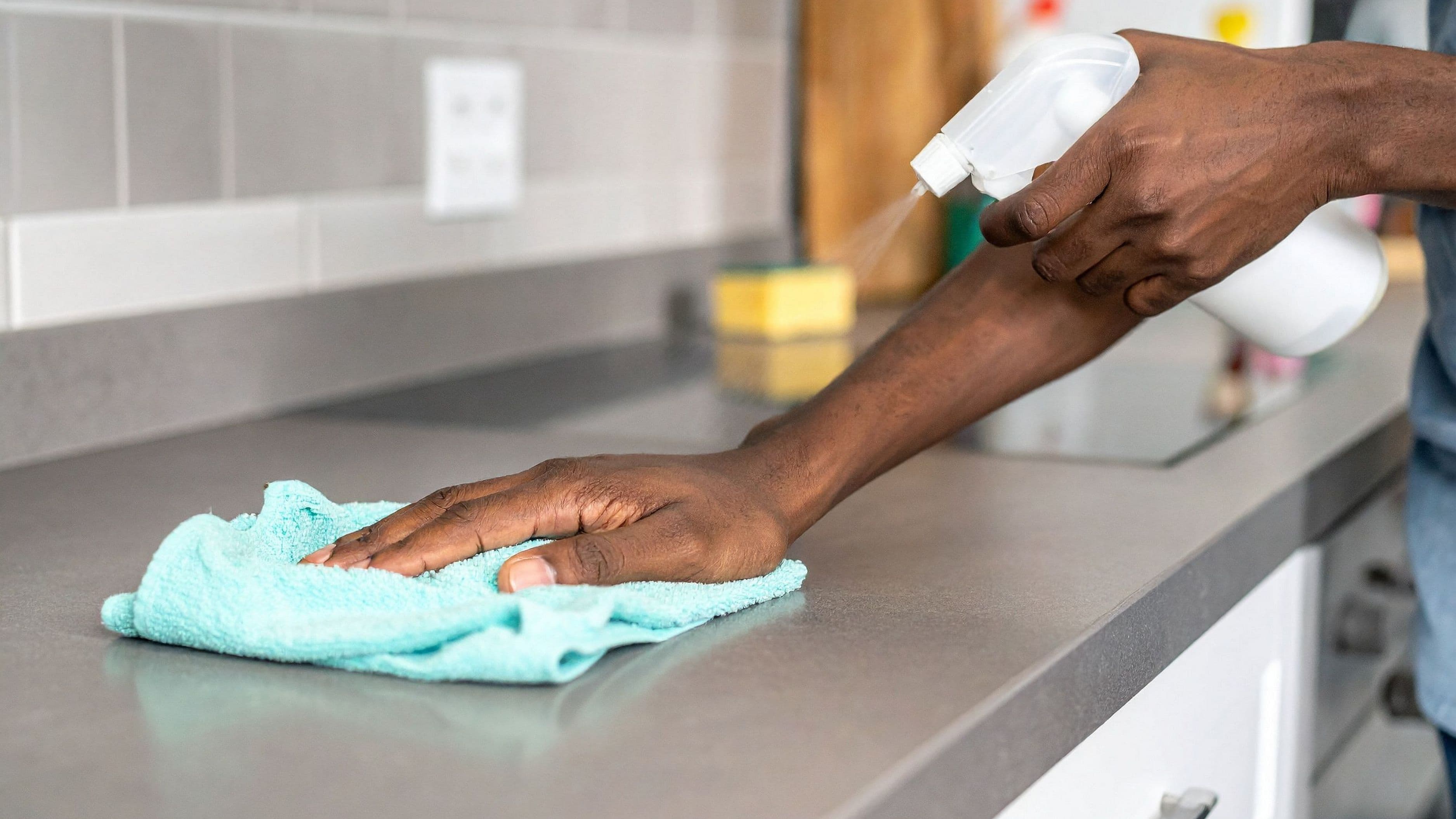
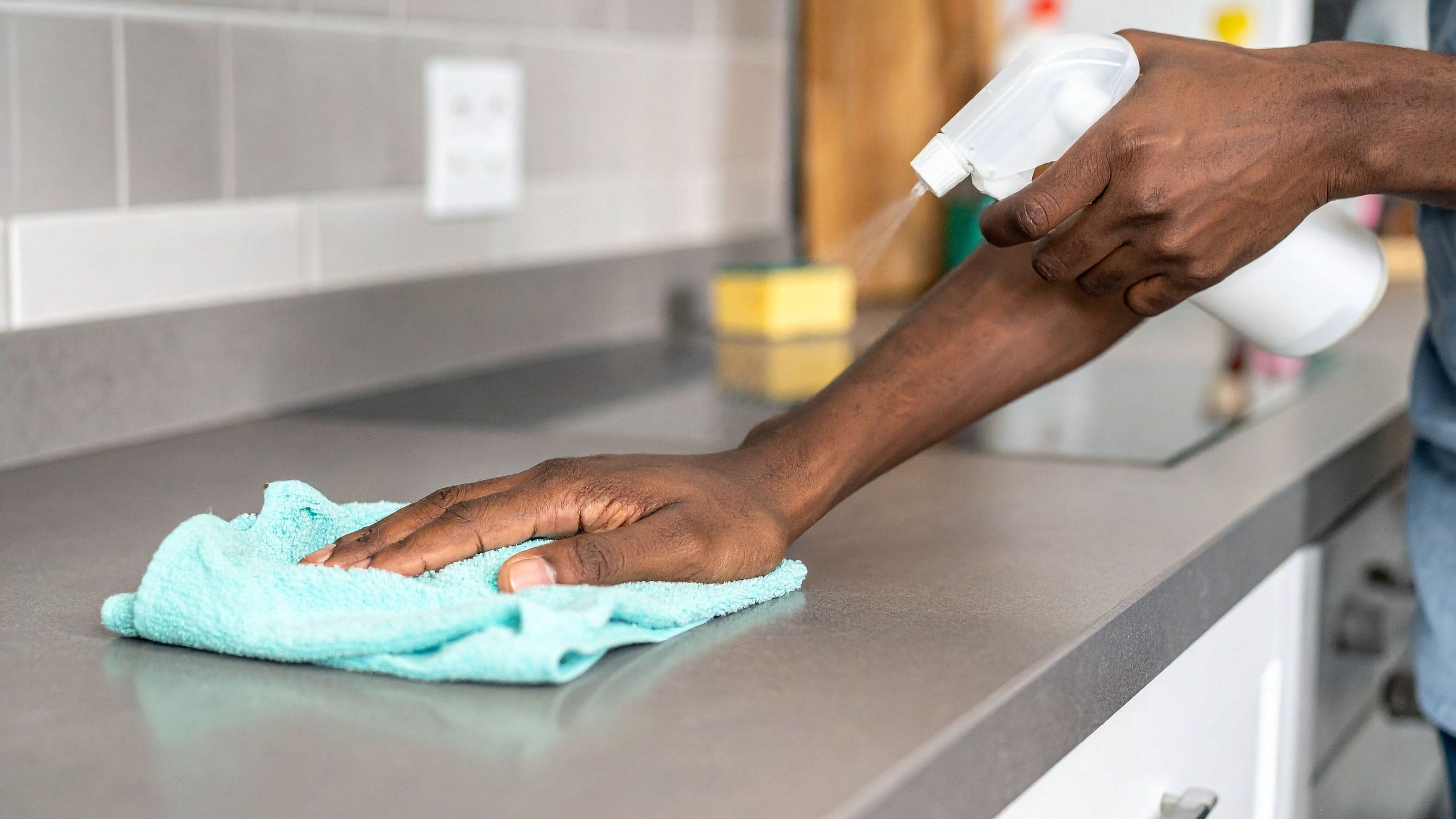
18. Microfiber cloths with plain water tackle most messes. The textile structure of quality microfiber traps dirt and bacteria without chemicals or abrasion. For 90% of everyday cleaning, dampened microfiber is safer and more effective than any viral hack. Keep separate colors for different areas to prevent cross-contamination.
19. pH-neutral cleaners protect surfaces while cleaning effectively. Purpose-made cleaners exist because chemistry matters. Products formulated for specific surfaces—stone, wood, stainless steel—maintain protective finishes while removing grime. The few extra dollars spent prevents hundreds in damage repairs.
20. Old-fashioned elbow grease beats chemical shortcuts. Sometimes the unglamorous truth is that proper cleaning takes time and effort. A soft brush, appropriate cleaner, and patient scrubbing will always outperform a shortcut that promises miracles but delivers disasters. Real results aren't always camera-ready, but they keep your home intact.
The dopamine hit of watching grime disappear in a 15-second video is powerful, but your home deserves better than internet trends. Before trying the next viral sensation, research the chemistry, consider your specific surfaces, and remember that if something seems too good to be true, it probably is. Pick one surface in your home today—maybe that stainless steel fridge or those hardwood floors—and commit to cleaning it the right way. Your future self (and your wallet) will thank you for choosing protection over performance art.
📚 Sources
1. Marble Institute of America. (2023). Natural Stone Care and Maintenance Guide.
2. National Association of Home Builders. (2024). Common Household Cleaning Mistakes and Their Costs.
3. American Cleaning Institute. (2023). Understanding pH and Cleaning Product Selection.