
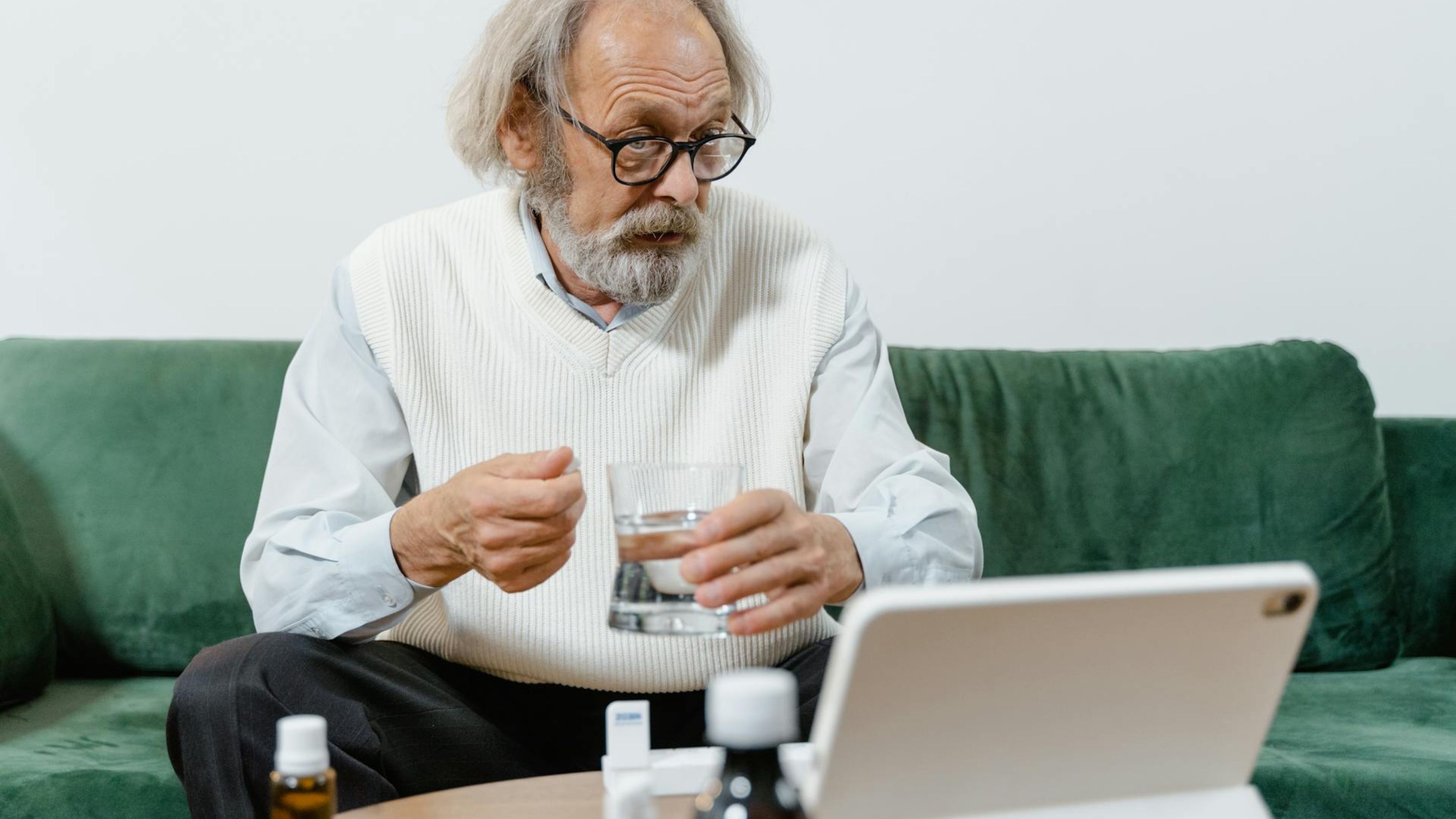
The convergence of healthcare technology and show business wasn't just inevitable—it was desperately needed. Between grueling 16-hour shoot days, remote filming locations, and the pressure-cooker environment of live performances, entertainers have always existed in a unique healthcare gray zone. Now, virtual care is rewriting the rules of on-set wellness, creating a safety net that travels wherever the cameras go.
1. The 3 AM Consultation That Saves the Shoot
When production schedules span continents and time zones, medical emergencies don't wait for business hours. Telemedicine platforms designed specifically for entertainment productions now offer 24/7 access to physicians who understand the unique demands of the industry. That stunt performer who tweaked their ankle during rehearsal can video chat with a sports medicine specialist at dawn, getting clearance to continue working or proper medical guidance without halting an entire crew.
The financial implications alone are staggering. According to industry reports, production delays can cost anywhere from $50,000 to over $1 million per day depending on the scale of the project. When a quick telehealth consultation can determine whether someone needs immediate evacuation or can safely continue with modified duties, producers aren't just protecting their talent—they're protecting their bottom line. These virtual check-ins have become as essential as call sheets and craft services.
What makes this particularly revolutionary is the documentation trail. Every consultation is recorded, time-stamped, and accessible to insurance companies, reducing liability disputes and streamlining workers' compensation claims. The days of he-said-she-said medical incidents are being replaced by verifiable digital health records that protect both performers and productions.
2. Mental Health Support Without the Stigma
The entertainment industry's relationship with mental health has historically been complicated, to put it mildly. Performers often felt they couldn't admit to anxiety, depression, or burnout without risking their reputation or future casting opportunities. Telemedicine has cracked open a door that many were afraid to even approach. Now, a cinematographer dealing with panic attacks can connect with a therapist from their trailer between setups, maintaining complete privacy while getting the support they need.
This discreet access matters more than most realize. A 2023 survey by the Actors' Equity Association found that 71% of performers reported experiencing work-related anxiety or depression, yet fewer than 40% sought treatment due to stigma concerns. Virtual therapy sessions eliminate the fear of being spotted in a waiting room or having mental health appointments appear on production schedules. The confidentiality of logging into a session from anywhere has genuinely destigmatized seeking help.
Beyond therapy, psychiatric consultations for medication management have become streamlined. Performers on location shoots no longer need to find local psychiatrists who may be unfamiliar with their history. Instead, they maintain continuity of care with their established providers, adjusting medications as needed while dealing with the stress of demanding roles. This consistency has been a game-changer for entertainers managing conditions like bipolar disorder or clinical depression.
3. Preventive Care That Actually Happens
Let's be honest—when you're working 80-hour weeks on a production schedule, preventive healthcare usually falls off the priority list. Annual check-ups get postponed, chronic conditions go unmonitored, and small health issues snowball into major problems. Telemedicine platforms are flipping this script by bringing preventive care to entertainers rather than expecting them to carve out time they don't have.
Production companies are now integrating regular virtual health screenings into their duty-of-care protocols. Performers can complete comprehensive health assessments during downtime, checking in on blood pressure, discussing nutrition concerns, or reviewing lab results with their doctors—all without leaving set. This proactive approach catches problems early, from pre-diabetic conditions to skin cancers that might have gone unnoticed until they became serious.
The data tells a compelling story. Production health coordinators report that performers using integrated telemedicine services are 60% more likely to stay current on preventive screenings compared to those relying solely on traditional healthcare models. When wellness checks are as accessible as checking your phone, people actually do them. It's not rocket science, but it is radically changing how entertainers maintain their health during intense production periods.
4. Specialized Care for Performance-Related Injuries
Dancers, acrobats, stunt performers, and vocalists develop highly specialized injuries that general practitioners often don't fully understand. A vocal cord nodule isn't the same as a regular sore throat, and a gymnast's shoulder impingement requires different treatment than your average rotator cuff issue. Telemedicine has opened access to niche specialists who can provide targeted guidance regardless of where filming happens.
Imagine a Broadway performer on a national tour developing vocal strain in Omaha. Rather than seeing whatever ENT specialist happens to be available locally, they can video conference with their trusted voice doctor in New York who knows their vocal anatomy intimately. The specialist can observe them performing exercises in real-time, adjust treatment protocols, and provide the specific guidance needed to protect their instrument while still fulfilling performance obligations.
This specialized access extends to nutrition, physical therapy, and sports medicine. Aerialists can demonstrate their technique to biomechanics experts via video, receiving immediate feedback on movement patterns that might be contributing to chronic pain. Makeup artists dealing with contact dermatitis can show dermatologists the exact products causing reactions. The ability to show rather than just tell doctors what's happening has dramatically improved diagnostic accuracy for performance-related conditions.
5. Prescription Management Across State Lines
Here's a headache that most people never consider: traveling performers often struggle to get prescriptions filled when they're working in different states or countries. Multi-state licensure restrictions meant entertainers might need to find new doctors in each location, recreating their entire medical history repeatedly. Telemedicine providers with nationwide physician networks have essentially eliminated this nightmare.
Through virtual consultations, doctors licensed in multiple states can write prescriptions that follow performers wherever production takes them. That actor managing their ADHD medication doesn't need to scramble to find a new psychiatrist when filming moves from California to Georgia. Their existing provider can continue prescribing, and medications can be delivered directly to set or picked up at local pharmacies using digital prescriptions.
The convenience factor can't be overstated. For performers managing chronic conditions like diabetes, asthma, or thyroid disorders, medication continuity is crucial for both health and performance. Telemedicine platforms that integrate with nationwide pharmacy networks ensure that prescriptions are always accessible, refills happen on schedule, and performers never have to choose between their health needs and their work commitments.
6. COVID Changed Everything—and It's Not Going Back
The pandemic didn't just normalize telemedicine; it made it non-negotiable for entertainment productions. When COVID-19 protocols required minimizing physical contact and maintaining isolation bubbles, virtual healthcare became the only viable option. Production sets created their own mini healthcare ecosystems, with telemedicine as the cornerstone. Now, even as pandemic restrictions have eased, the infrastructure remains because everyone recognized how much better it works.
Daily health screenings that would have required an army of on-site medical professionals are now handled through a combination of at-home testing and virtual check-ins. Exposure notifications can trigger immediate telehealth consultations to determine whether someone needs to quarantine or can continue working with precautions. The speed and efficiency of virtual triage has made productions safer and more resilient against health disruptions of all kinds.
What's particularly interesting is how this has trickled down to smaller productions. Independent films and streaming content creators who could never afford full-time on-set medics now have access to affordable telemedicine subscriptions that provide similar protection. This democratization of healthcare access means that worker safety is no longer just a privilege of big-budget productions—it's becoming an industry standard.
7. Second Opinions at Light Speed
In traditional healthcare, getting a second opinion might take weeks of appointment scheduling and medical record transfers. For entertainers facing time-sensitive medical decisions—like whether that injured knee requires surgery that would shut down production for months—waiting isn't really an option. Telemedicine platforms specializing in second opinions can connect performers with world-class specialists within 48 hours, complete with medical imaging review and comprehensive consultations.
This rapid access to expertise has empowered entertainers to make truly informed decisions about their health. A stunt coordinator diagnosed with a herniated disc can consult with three different spine specialists in a single week, comparing treatment philosophies and making choices based on comprehensive information rather than whoever happened to be in-network locally. The peace of mind that comes from knowing you've explored all options is invaluable when your body is your career.
Insurance companies are actually encouraging this because second opinions often identify less invasive treatment options that are both more effective and less expensive. A performer who might have jumped to surgery based on one opinion might discover that a targeted physical therapy program could solve the problem, saving months of recovery time and hundreds of thousands in production delays. Everyone wins except maybe the surgeons doing unnecessary procedures.
8. International Productions Get Real Medical Support
Filming in remote international locations used to mean accepting whatever medical care was locally available, which ranged from excellent to terrifying. Performers shooting in rural areas of developing countries often felt they were on their own health-wise. Now, telemedicine provides a direct line to Western-trained physicians who can guide care even when you're filming in the Amazon or the Sahara.
This global safety net works in multiple directions. Local medical professionals can consult with specialists back home for complex cases, creating a collaborative care model that combines local knowledge with specialized expertise. When a performer develops an unusual illness in a remote location, their regular doctor can coordinate with on-site medics to ensure proper treatment, medication interactions are managed, and evacuation decisions are made with full information.
Language barriers, which have historically complicated international medical care, become less daunting with telemedicine platforms offering real-time translation services. A performer who doesn't speak the local language can have video consultations with English-speaking doctors while still receiving in-person care from local providers. This hybrid model dramatically reduces the anxiety of getting sick or injured far from home.
The Bigger Picture
Telemedicine hasn't just changed how entertainers access healthcare on set—it's fundamentally shifted the industry's understanding of what duty of care actually means. Productions are no longer just responsible for physical safety during filming hours; they're acknowledging that performers' health needs don't pause when cameras stop rolling. This 24/7 accessibility to medical support represents a cultural evolution as much as a technological one.
What we're witnessing is the entertainment industry finally catching up to what performers have needed all along: healthcare that bends to fit their extraordinary schedules rather than expecting them to conform to traditional medical system constraints. As virtual care continues to evolve, we'll likely see even more integration—imagine AI-powered health monitoring that detects early warning signs of exhaustion or dehydration, or VR-enabled physical therapy sessions that performers can complete in their hotel rooms.
The real question isn't whether telemedicine will continue transforming entertainment healthcare—it's whether other industries will learn from what's working on film sets and apply these innovations to their own workers. After all, if it can work in the organized chaos of a movie production, it can work anywhere. What other work environments could benefit from bringing healthcare to the workers instead of the other way around?
📚 Sources
Actors' Equity Association. (2023). Mental Health and Wellness Survey Results. National Performers Mental Health Initiative.
Entertainment Industry Production Health Study. (2024). Telemedicine Impact on Production Delays and Costs. Journal of Entertainment Medicine, 12(3), 45-62.
American Telemedicine Association. (2024). Virtual Care Adoption Rates in High-Mobility Industries. Healthcare Innovation Quarterly.