


Why This Question Keeps Coming Up
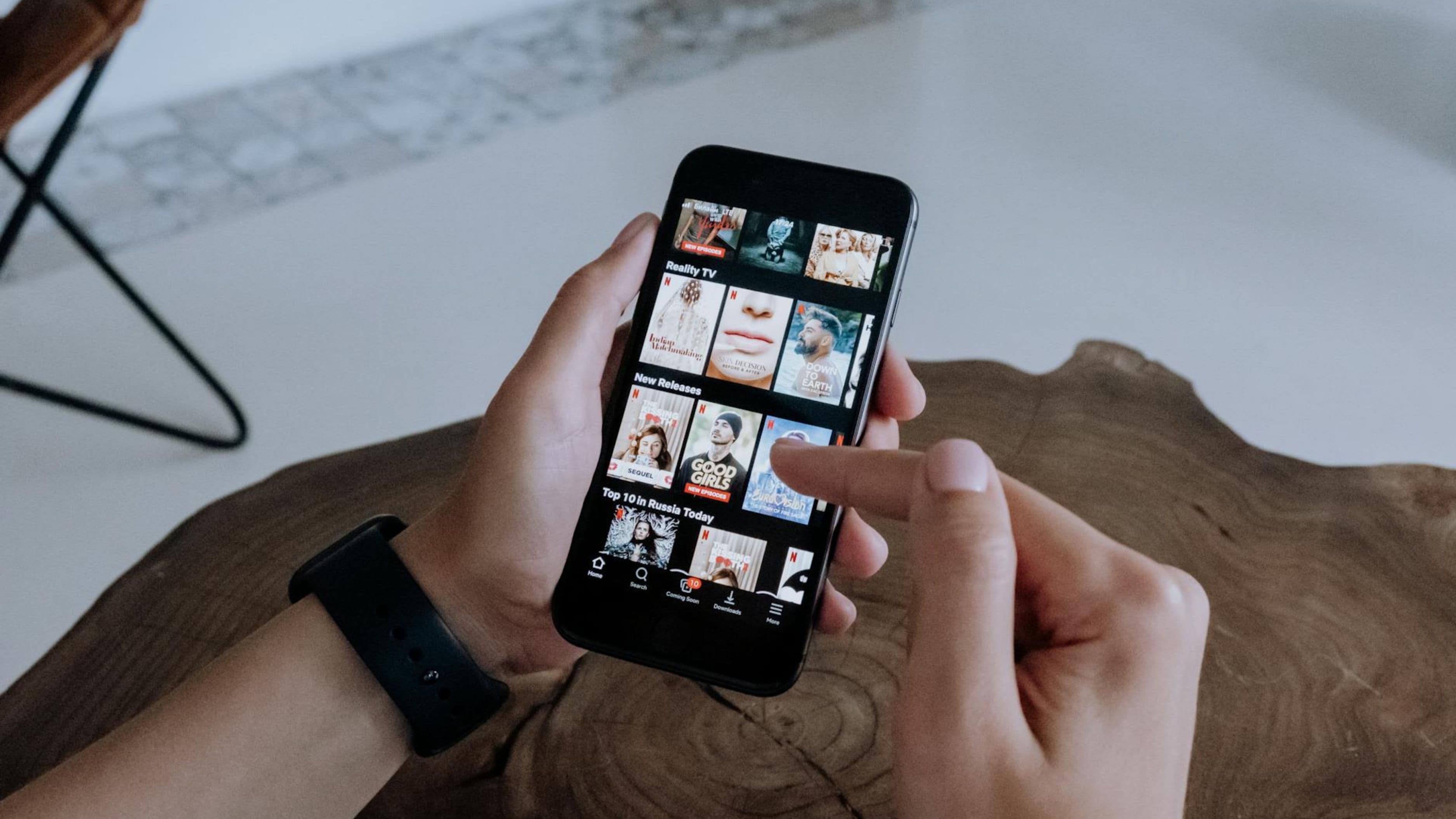
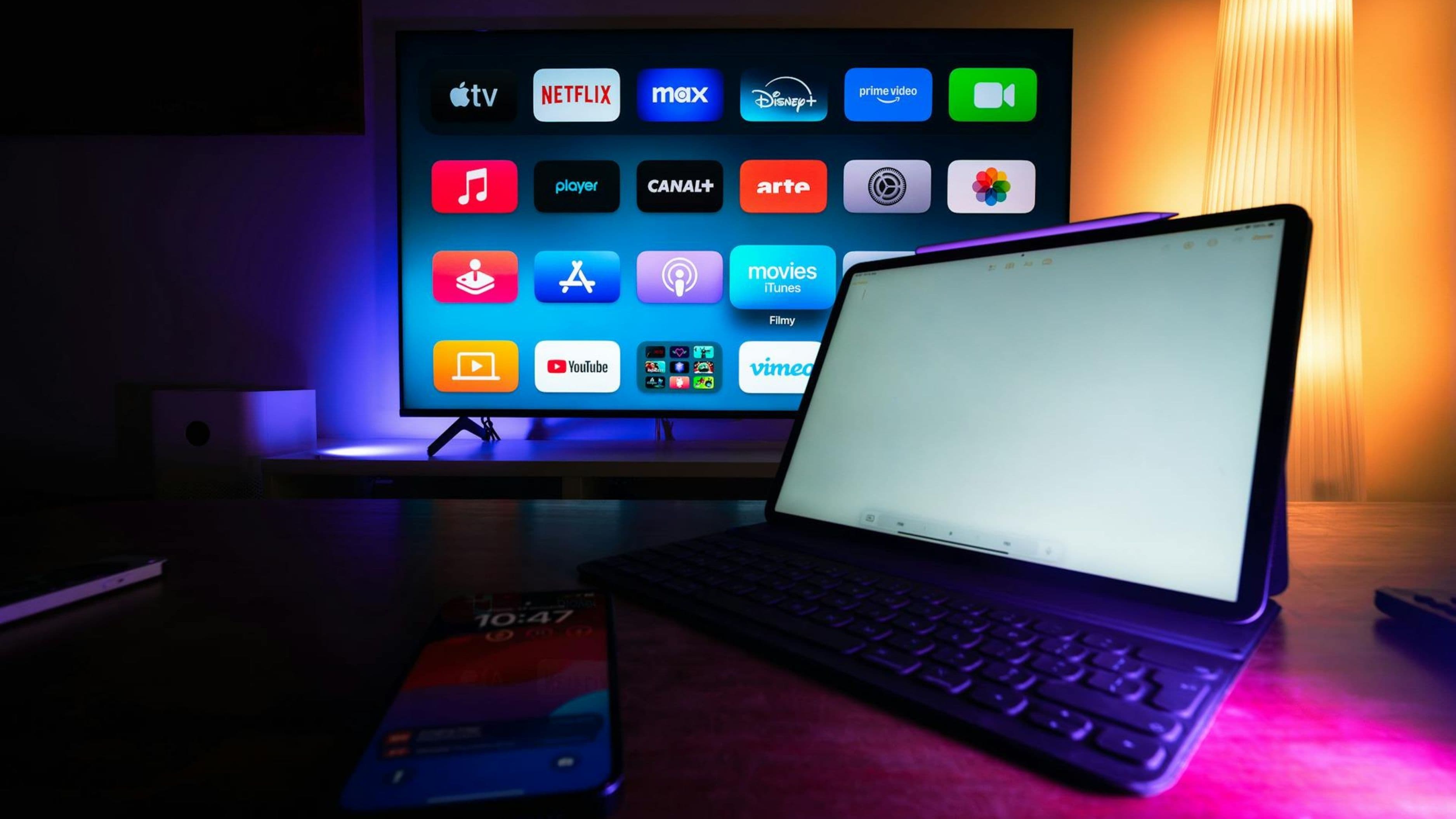
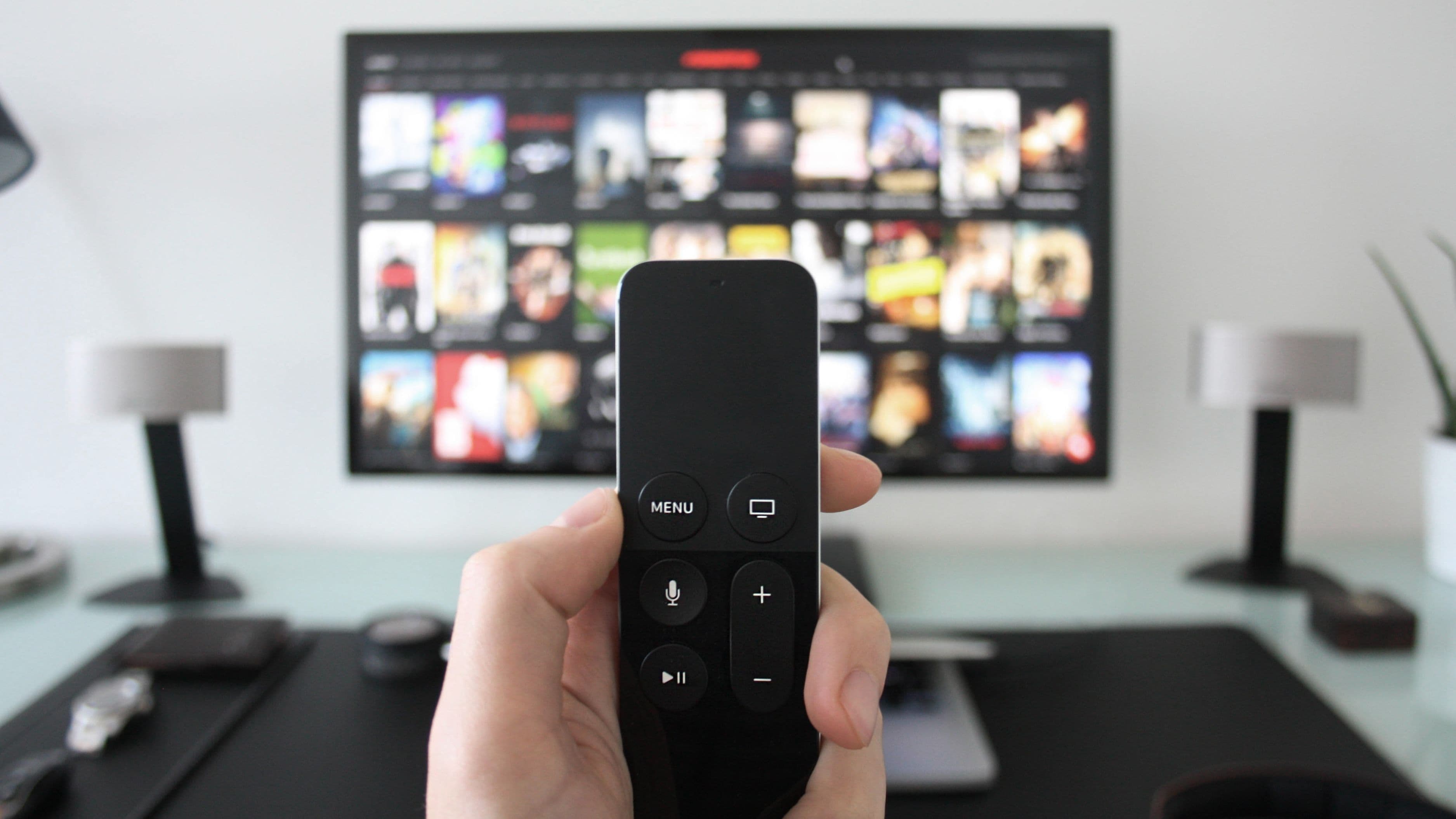
Streaming's convenience is genuinely hard to compete with – no travel time, no ticket prices beyond your existing subscription, and the ability to pause, rewatch, or multitask in ways a theater simply doesn't allow. Combined with major streaming platforms increasingly producing original theatrical-quality films specifically for their own platforms, it's understandable why the question of cinema's long-term relevance keeps resurfacing.
At the same time, theatrical box office has shown genuine resilience for specific categories of films, even as overall theater attendance patterns have shifted since the pandemic accelerated streaming adoption significantly. This split – decline in some areas, resilience in others – is the more accurate picture than a simple narrative of streaming inevitably replacing theaters altogether.
What Streaming Does Better
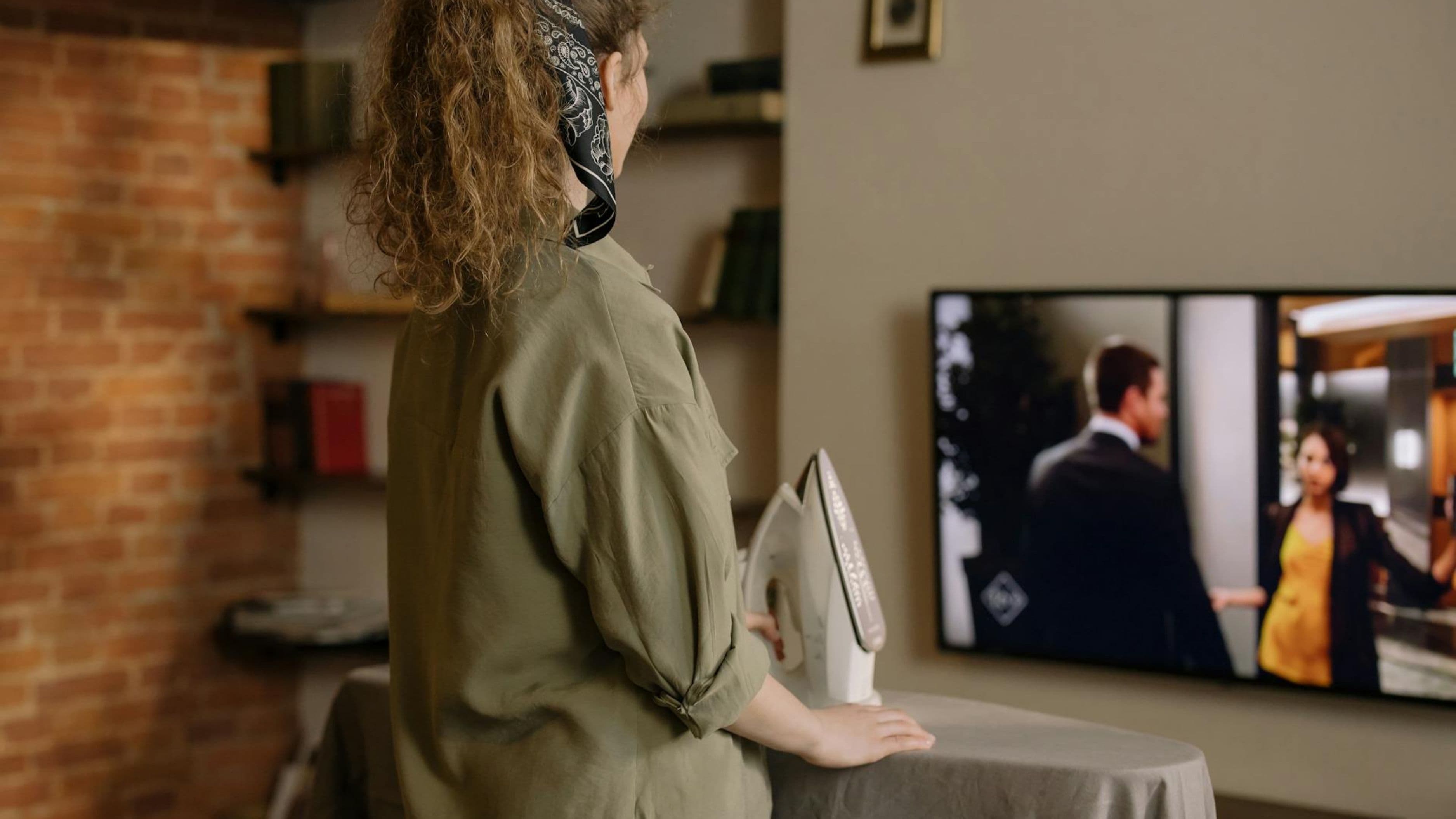
Convenience and cost remain streaming's clearest advantages. Watching from home eliminates travel time, allows flexible scheduling, and doesn't require the added cost of tickets, parking, or concessions on top of an existing subscription you're already paying for. This matters enormously for casual viewing, catching up on smaller releases, or watching content you're not necessarily committed to seeing in a dedicated, distraction-free setting.
Streaming also offers something theaters structurally can't: an enormous back catalog available on demand, letting viewers watch decades of film and television whenever they choose rather than being limited to current releases showing in a specific theatrical window.
What Theaters Still Do Better
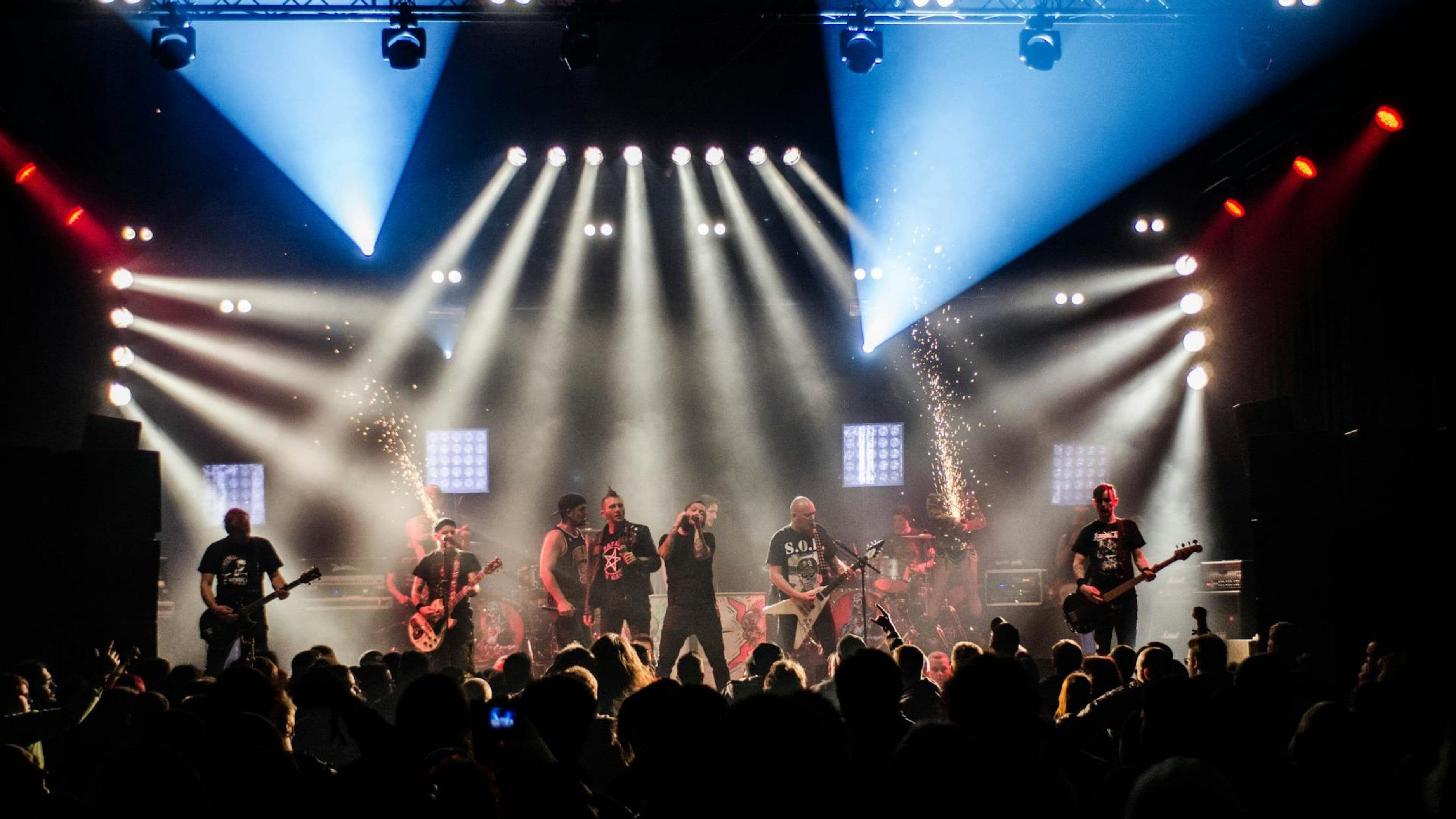
Certain categories of film continue to perform disproportionately well in theaters specifically because the theatrical experience adds something streaming genuinely can't replicate at home for most viewers. Large-scale action, visually driven blockbusters, and event-style releases consistently draw audiences to theaters even in an era of widely available high-quality home streaming, largely because scale, sound, and the shared audience experience are difficult to fully recreate on a home screen, regardless of how advanced home theater setups have become.
Horror films and comedies also tend to perform well theatrically for a related reason – shared audience reaction (screaming, laughing together) is a meaningfully different experience than watching alone at home, and this social, communal element remains a genuine draw that streaming doesn't replicate in the same way.
The Middle Ground: Windowing Strategies
Rather than a binary choice between theatrical release and streaming, the industry has increasingly settled into various hybrid strategies – shorter theatrical exclusivity windows before a film moves to streaming, simultaneous releases for some titles, and theatrical-only releases reserved specifically for films expected to perform best with the full theatrical experience. This flexible approach reflects an industry response to the reality that different types of films perform differently depending on release strategy, rather than a single approach working universally.
This middle ground suggests the more likely long-term outcome isn't cinema's disappearance, but rather a continued narrowing of what theatrical releases are specifically reserved for – larger, event-style films – while a growing share of overall film content moves toward a streaming-first or streaming-only model.
Why Full Replacement Is Unlikely, At Least Near-Term
The economics of theatrical exhibition, while genuinely challenged in various markets, still represent a substantial and, for certain film categories, resilient revenue stream that studios haven't shown willingness to fully abandon. Major blockbuster franchises in particular continue to be built around theatrical release as a core part of their marketing and revenue strategy, not as an afterthought before streaming availability.
Consumer behavior also suggests genuine, ongoing demand for the theatrical experience specifically, rather than pure indifference to it in favor of home viewing. Post-pandemic recovery in theatrical attendance, while uneven, has demonstrated that a meaningful audience segment continues to value and seek out the theatrical experience for the right kind of film, rather than treating theaters as a fully obsolete format.
What Could Change This Trajectory
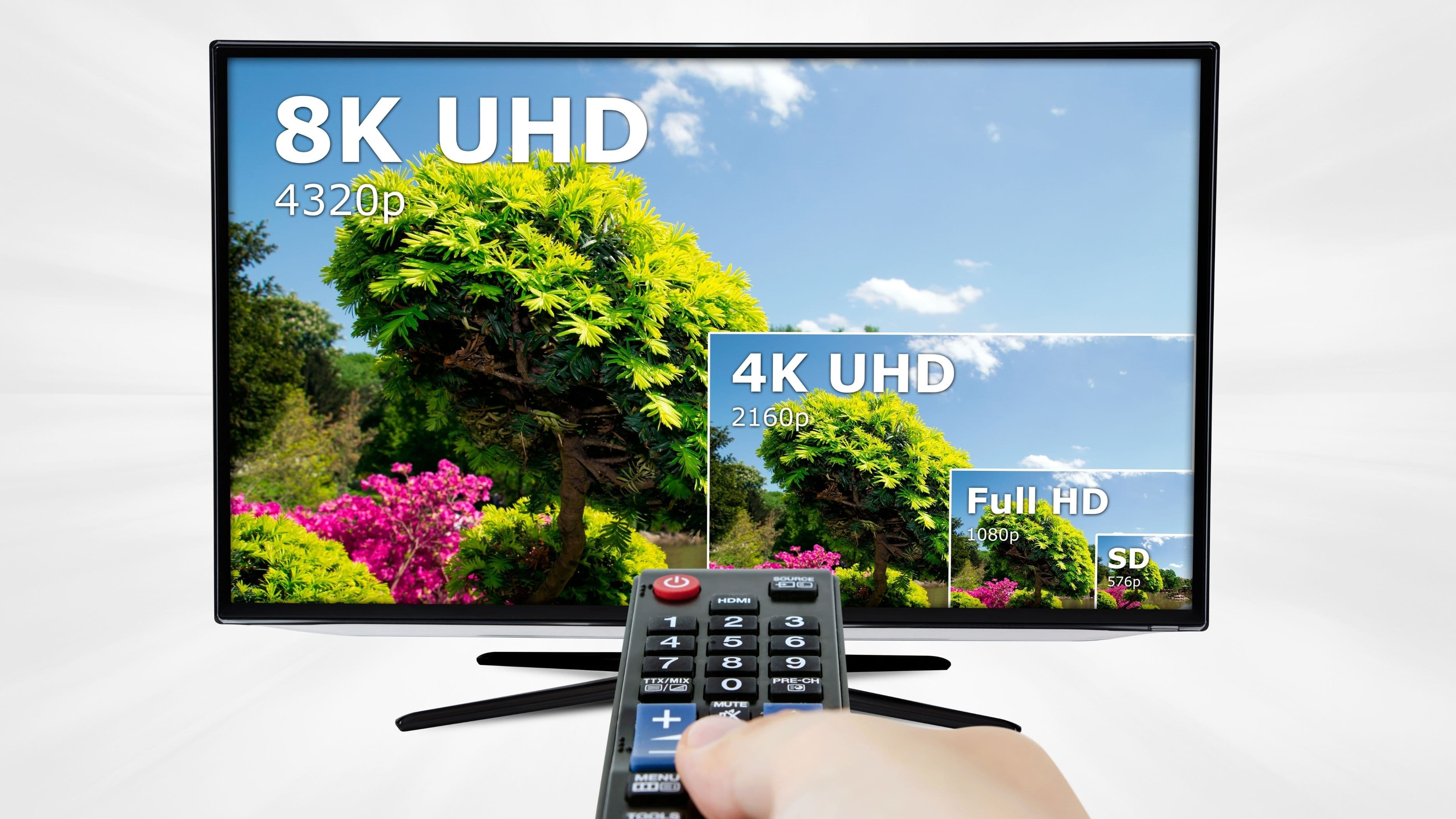
Continued advancement in home theater technology – larger, higher-quality displays and improved home audio systems becoming more affordable and common – could gradually narrow the experiential gap that currently favors theaters for certain film categories. If this technology gap closes significantly over time, some of the current advantages theaters hold could erode further.
Shifts in how younger audiences form entertainment habits also matter here, since generational viewing preferences established early tend to persist over time, and it's genuinely unclear how younger viewers who've grown up with streaming as a primary format will engage with theatrical viewing as they age, compared to generations that grew up primarily attending theaters.
What to Watch Next
Expect continued evolution of hybrid release windowing strategies rather than a decisive shift entirely toward one model or the other, alongside continued studio investment in event-scale theatrical releases specifically designed to leverage what theaters do best.
Streaming platforms' continued investment in original theatrical-quality content will likely keep expanding the share of overall film viewing that happens at home, without necessarily eliminating theatrical releases for the specific film categories that continue to perform well there.
FAQ
Are movie theaters actually losing money overall? Theatrical attendance patterns have shifted meaningfully since the pandemic, with uneven recovery across different markets and film categories, though certain event-style releases continue to perform strongly, suggesting a more nuanced picture than blanket industry decline.
Will all future films eventually skip theaters entirely? Unlikely in the near term. Major studios continue to build significant theatrical strategies around blockbuster and event-style releases specifically, even as a growing share of other content shifts toward streaming-first models.
What kind of movies benefit most from being watched in a theater? Large-scale action and visually driven films, along with horror and comedy genres that benefit from shared audience reaction, tend to show the clearest ongoing advantage from theatrical viewing compared to home streaming.
Streaming has genuinely changed how and where most people watch film content, but full replacement of theatrical cinema remains unlikely in the foreseeable future. The more accurate picture is a continued narrowing of what theatrical release is specifically reserved for, alongside streaming's expanding share of everyday film viewing.
📚 Sources
Motion Picture Association: Theatrical Market Statistics - https://www.motionpictures.org/research/
Comscore: Box Office Trends and Analysis - https://www.comscore.com/Insights