


This guide covers the best options for movie lovers who care about having a real library to explore, not just a landing page full of content they've already seen.
What Makes a Film Library Actually Deep
Before getting into specific services, it helps to know what you're actually evaluating. Volume alone isn't depth. A service could have 10,000 titles and still feel shallow if everything is recent, mainstream, and algorithmically similar. Real depth means breadth across decades and eras, genuine international cinema, meaningful genre coverage, and a mix of titles you know and titles you've never heard of but end up loving.
The other thing worth knowing upfront is that the streaming rights landscape shifts constantly. Services acquire and lose titles all the time. The rankings below reflect what's available as of mid-2025, but if a specific film is important to you, always check the current library before subscribing.
The Criterion Channel – Best for Cinephiles
If you take film seriously, the Criterion Channel is the single most important streaming subscription you can have. It's built around the Criterion Collection – the gold standard for curated classic and art-house cinema – and that editorial sensibility runs through everything about the service. The library covers international cinema from across the globe, essential directors with deep filmographies, film movements, rare short films, and decades of cinema that mainstream services simply don't carry.
The programming is one of its strongest differentiators. Criterion organizes its library into thematic collections, director spotlights, curated film programs, and series that help you navigate the library rather than just scroll through it endlessly. It's the difference between a well-curated bookshop and a warehouse – the selection is intentional. If you want to work through the filmography of Agnès Varda, Ingmar Bergman, or Wong Kar-wai, the Criterion Channel has the depth to do it. The monthly programming rotations bring new films in while archiving others, which also keeps the experience fresh.
The subscription costs around $10.99 per month or $99.99 per year, which is an excellent value for the depth on offer. The interface is clean and organized by editorial programs rather than pure algorithm, which is unusual in streaming and much more useful for actual discovery. The limitation is that it's not a service for recent commercial releases – if you want new Marvel films or this year's box office hits, the Criterion Channel isn't where you'll find them.
Mubi – Best for Discovery and Rotating Curation
Mubi takes an unusual approach: it only shows 30 films at a time, refreshing one film per day as new titles rotate in and older ones rotate out. That constraint sounds limiting until you actually use it. Because Mubi's editorial team hand-picks every title with genuine curatorial intent, every film on the service at any given moment is worth your time. There's no filler, no padding the library count with forgettable content.
The selection skews toward international, independent, and art-house cinema, with a particular strength in films from directors you may not yet know but will end up following after you discover them here. Mubi is also one of the best places to find recent festival films that aren't yet (and may never be) on mainstream platforms – it has strong relationships with distributors of independent and foreign-language cinema, and often carries films shortly after their theatrical run. For anyone who wants to expand beyond Hollywood and into world cinema, Mubi is the most approachable way to do it.
The pricing is around $14.99 per month. The experience is thoughtful and beautifully designed, with editorial context for each film that helps you understand what you're watching and why it matters. The limitation is that the rotating model means if you miss a film, it's gone until (or unless) it returns. Some viewers find the 30-film limit restrictive when they want to browse a large library – if that's you, the Criterion Channel better suits that instinct. But if you want a service that tells you "watch this tonight," Mubi is excellent.
Max – Best for Mainstream Depth with Genuine Range
Max (formerly HBO Max) has a genuinely impressive film library for a mainstream streaming service, and the combination of HBO's prestige content, Warner Bros.' deep studio catalog, and licensed acquisitions gives it more range than most services at its price tier. The library includes extensive classic Warner Bros. films spanning multiple decades, the full run of HBO Films and original theatrical releases, a substantial selection of international and independent cinema, and ongoing licensed content from other distributors.
Where Max punches above its weight for movie lovers is in mid-century American cinema, classic Hollywood, and the broader Warner Bros. catalog – there's genuine depth in those categories that you'd have to go to physical media or specialty services to match elsewhere. It also carries a strong selection of prestige theatrical releases more quickly than most competitors, since Warner Bros. has historically moved films to the service relatively soon after their theatrical run.
Pricing starts around $9.99 per month for the ad-supported tier and $15.99 for ad-free. The ad-supported version is usable for most viewing, though ads during films are genuinely disruptive. For a serious movie library, the ad-free tier is worth it. The main limitation is that Max's algorithm leans heavily toward TV content in its recommendations, which means you sometimes have to dig actively to find the film library rather than having it surfaced to you.
Apple TV+ – Best for Premium New Releases
Apple TV+ is a different kind of entry on this list – its library is relatively small by volume, but its batting average on quality is genuinely exceptional. Apple focuses on original content and select theatrical acquisitions, and it has won Academy Awards for films like CODA and consistently produces prestige titles that sit comfortably alongside the best theatrical releases of any given year.
For movie lovers who prioritize quality over quantity and are current with major releases, Apple TV+ earns its place in a streaming stack alongside a deeper library service. It's not a substitute for the Criterion Channel or Mubi – you won't find classic cinema here – but it delivers a consistent supply of excellent newer films that often arrive on the platform before competitors. The pricing is also among the lowest in streaming at $9.99 per month, and it's included free for three months with any Apple device purchase.
The limitation is straightforward: the library is small. Once you've watched the films that interest you, you'll exhaust the movie catalog within a few months. This is a service that earns its subscription through ongoing new releases, not through a back catalog to explore. Pair it with something else if film discovery is important to you.
Amazon Prime Video – Best All-Around Library for Casual Movie Watchers
Amazon Prime Video's film library is large and varied, covering mainstream new releases, a wide range of catalog titles, and a mix of licensed international content. It's not as editorially curated as Mubi or as classically deep as the Criterion Channel, but for a general-purpose streaming subscription, it covers more ground than most. The MGM acquisition has significantly strengthened the library with a deep back catalog of MGM titles across multiple decades.
The frustration with Prime Video for serious movie lovers is the "rent to watch" tier – Amazon freely mixes rental titles with subscription-included titles in the same interface, which can be confusing when you discover a title you want to watch and then find it requires an additional $4 to $6 to rent. Filtering by "Prime included" before committing to a browsing session is a necessary habit. Despite that annoyance, the included library is genuinely substantial and a reasonable default for anyone who already has Prime membership.
Pricing for the streaming component is included in Amazon Prime ($14.99 per month or $139 per year), and an ad-free tier for video is available for an additional $2.99 per month if you have the standard Prime plan.
How to Build a Smart Streaming Stack for Movie Lovers
For serious film watchers, the best approach is combining two services: a mainstream service for current releases and a specialty service for discovery and depth. The Criterion Channel plus Max or Prime Video covers a wide range efficiently. Mubi plus Apple TV+ is a strong combination for someone who wants quality over quantity across both new and classic cinema.
You don't need all of these simultaneously. Most film lovers find rotating subscriptions – spending two months with the Criterion Channel, taking a month with Mubi, returning to Max for award season – more efficient than paying for everything year-round. The content on specialty services like Criterion and Mubi updates regularly enough that returning after a few months always surfaces new titles to explore.
What to Avoid
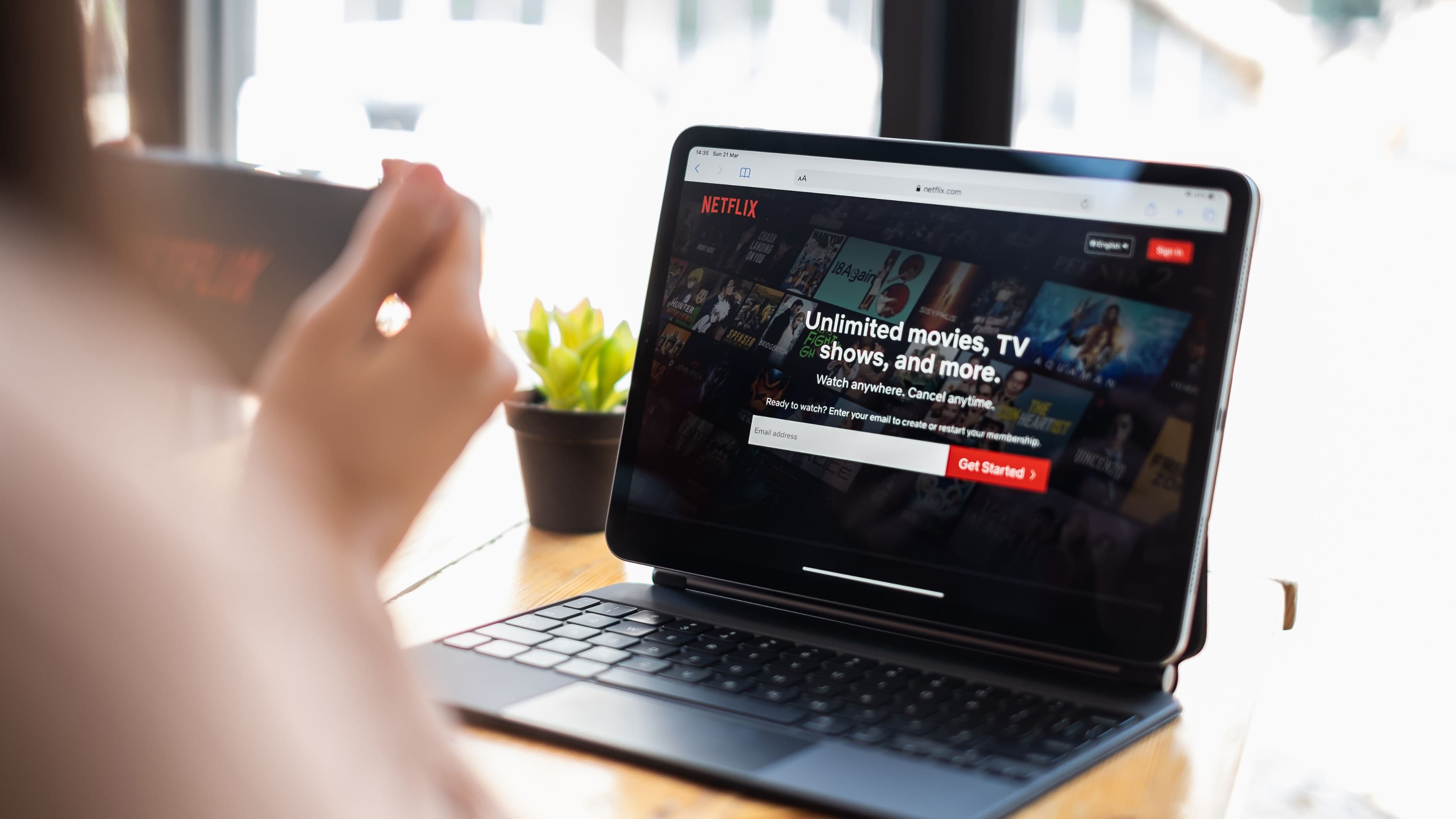
Paying for a mainstream service solely because of its film library when TV content is actually its strength is a common mistake. Netflix has a widely known film library but loses most licensing battles for classics to services that specialize in them, and its deep catalog for serious film lovers is weaker than the specialty services covered here. It excels at originals and recent mainstream releases, but if you're subscribing to Netflix specifically to explore classic or world cinema, you'll find the well runs dry quickly.
Stacking too many services at once is another trap. More subscriptions mean more monthly cost and, counterintuitively, less purposeful watching because you spread your attention too thin. Two well-chosen services watched intentionally produce a better experience than five services consumed passively.
FAQ
Is there a streaming service with the largest film library overall? By raw volume, Amazon Prime Video and Tubi (a free, ad-supported service) tend to have among the largest libraries. Tubi in particular has an enormous catalog of catalog titles available at no cost, though quality and curation are inconsistent. For curated depth rather than sheer volume, the Criterion Channel and Mubi are the more useful options for serious film watchers.
Is Tubi worth using for movie lovers? Tubi is a free, ad-supported service with a surprisingly large library of catalog films, particularly in horror, action, and older Hollywood titles. The trade-off is ads and a library that requires patience to dig through. It's worth bookmarking as a supplementary resource – not a primary service – for finding older titles you wouldn't expect to find for free.
Can I watch new theatrical releases on streaming services quickly? It depends on the service and the distributor. Some studios have shorter theatrical windows than others, moving films to streaming within 45 days of theatrical release. Apple TV+ and Amazon typically move their own theatrical acquisitions to the platform faster than the industry average. Disney+ follows a similar pattern for Disney-distributed films. For films released by other studios, timing varies and some wait 90 days or longer.
What's the best free streaming option for movie lovers? Tubi, Pluto TV, and Kanopy (available free through many public libraries) are the best no-cost options. Kanopy in particular has a strong art-house and international film selection and is genuinely useful for serious movie watchers who have library access. It's worth checking whether your library card provides access before paying for a specialty subscription.
Is it worth paying for the Criterion Channel if I'm not a film scholar? Yes, if you're genuinely interested in discovering films outside the mainstream. The Criterion Channel is organized in a way that's accessible to anyone curious about cinema – you don't need academic background to enjoy it. The thematic programs and editorial context make it easy to find entry points regardless of how much you already know.
The best streaming service for movie lovers isn't a single answer – it depends on what kind of films you love and whether you're prioritizing depth in classics, discovery of world cinema, quality of new releases, or all three. The options above represent genuinely different approaches to film libraries, and combining two of them thoughtfully covers more ground than any single service can on its own.
📚 Sources
The Criterion Channel. About. https://www.criterionchannel.com/pages/about
Mubi. About MUBI. https://mubi.com/en/about
Max. Plans and Pricing. https://www.max.com/plans
Apple TV+. Movies on Apple TV+. https://tv.apple.com/channel/tvs.sbd.4000
Variety. Streaming Movie Libraries Compared 2025. https://variety.com/vip/best-streaming-services-movie-libraries/