
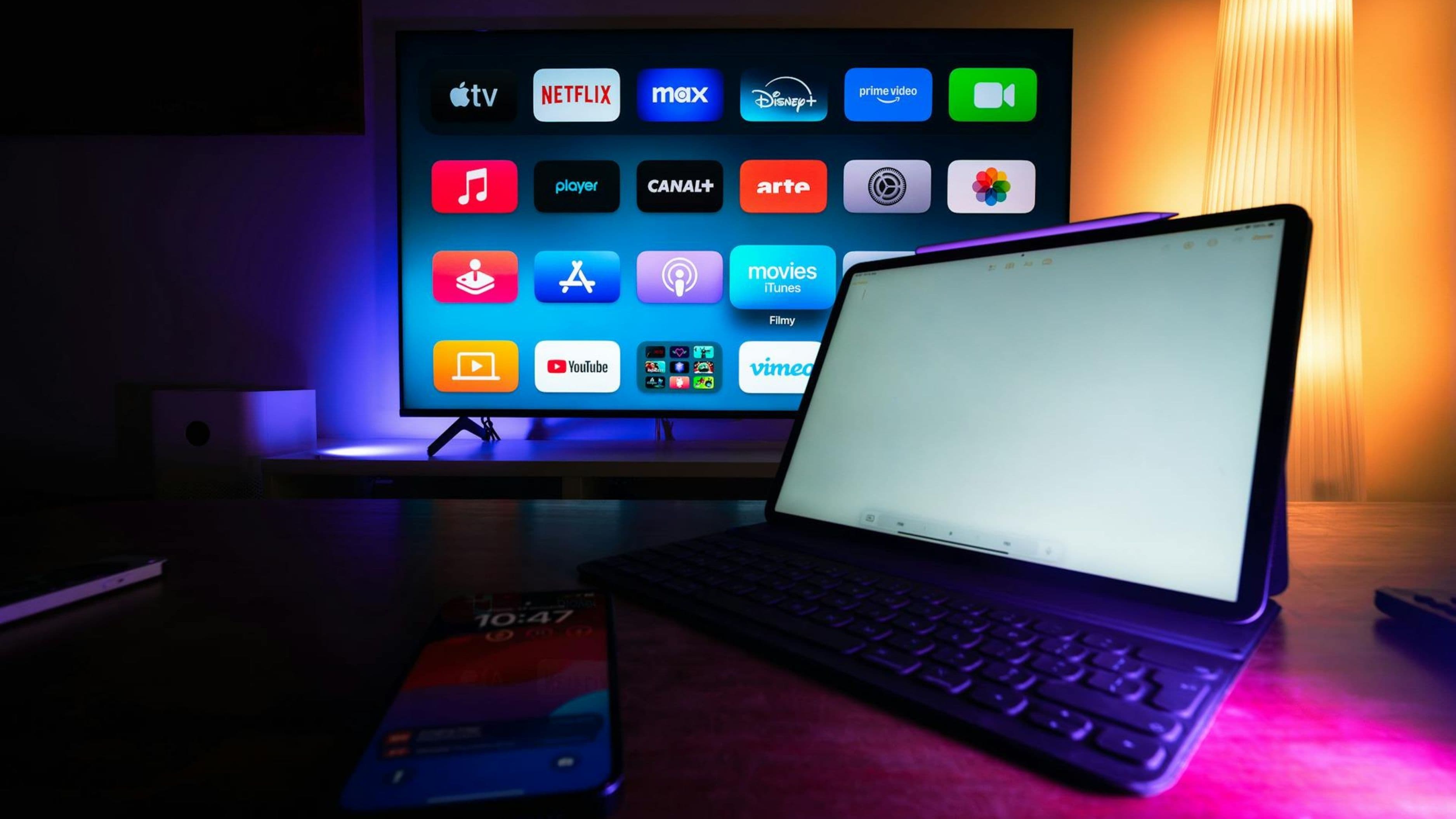
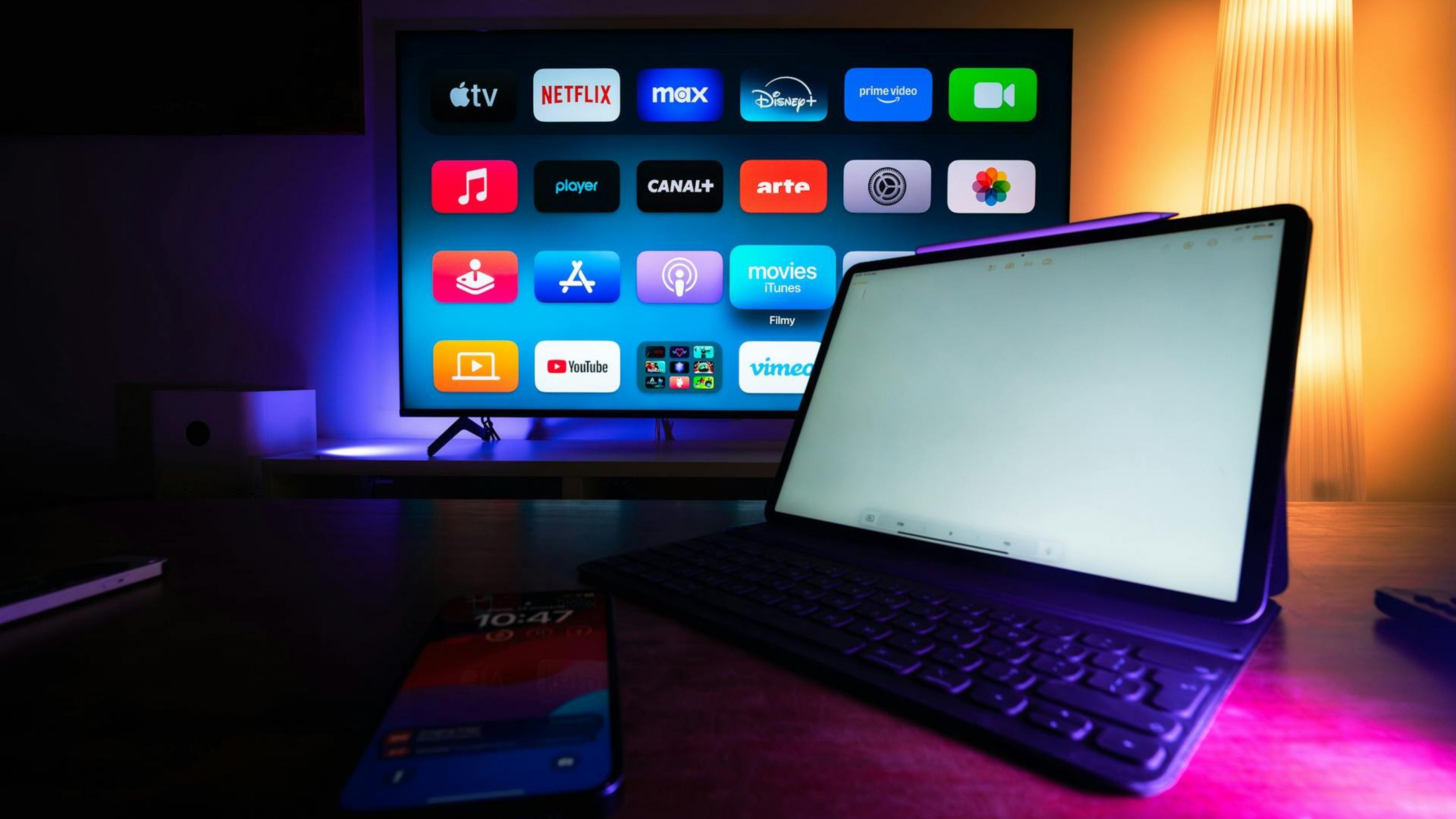
The streaming wars have entered a new phase. While Netflix and Disney+ dominate with their massive libraries and household-name recognition, a wave of ambitious platforms is rising to challenge them. Peacock, Paramount+, Max, Apple TV+, and countless regional players are all vying for screen time. But here's what most viewers don't realize: behind every smooth playback, personalized recommendation, and seamless device switch lies a complex tech ecosystem. The platforms that get this infrastructure right win our subscriptions. The ones that don't become cautionary tales of buffering screens and abandoned watch sessions.
So what exactly goes into building a streaming platform that can go toe-to-toe with the giants? Let's pull back the curtain on the technology powering the next generation of streaming services.
1. Cloud Infrastructure Is the Foundation, Not a Feature
Every major streaming platform runs on cloud infrastructure, and for good reason. When your series finale drops at midnight and millions of users simultaneously hit play, your servers need to scale instantly. AWS, Google Cloud, and Microsoft Azure have become the backbone of the streaming industry, each offering the massive computing power and global reach that streaming demands.
Netflix famously runs on AWS, utilizing thousands of servers across multiple regions to ensure content delivery stays smooth regardless of demand spikes. Newer platforms have taken note. Paramount+ built its infrastructure on AWS, leveraging services like Amazon CloudFront for content delivery and AWS Elemental for video processing. Disney+ made a similar bet on AWS, though they maintain some proprietary systems from their earlier BAMTech acquisition. The cloud isn't just convenient for these platforms. It's economically essential. Building and maintaining physical data centers would require hundreds of millions in upfront investment, capital that rising platforms simply don't have. Cloud infrastructure turns those fixed costs into variable ones, allowing platforms to pay only for the resources they actually use. It's the difference between buying an entire warehouse or renting shelf space as you grow.
2. Content Delivery Networks Make or Break the Experience
Here's the uncomfortable truth about streaming: your content might be brilliant, but if it buffers, nobody cares. Content Delivery Networks are the unsung heroes that prevent those dreaded loading wheels. CDNs store copies of video content on servers distributed around the globe, ensuring viewers can access content from a server physically close to them.
Akamai, Cloudflare, and Fastly dominate this space, but Netflix took it further by developing Open Connect, their proprietary CDN. They literally install servers directly inside internet service provider networks, getting their content as close to viewers as physically possible. Rising platforms can't always afford custom CDNs, so they're getting creative. Many use hybrid approaches, combining major CDN providers with edge computing strategies. Peacock, for instance, leverages Comcast's existing network infrastructure, giving them a built-in advantage for delivery speeds. The technical challenge is enormous. A single hour of 4K video can exceed 7GB of data. Multiply that by millions of simultaneous streams, and you're moving petabytes of data daily. CDNs don't just improve speed; they make the entire business model viable.
3. Video Transcoding Is the Secret Sauce Nobody Sees
When you upload a video to YouTube or publish a show on a streaming platform, that single file gets transformed into dozens of different versions. This process, called transcoding, creates multiple quality levels and formats so your content plays smoothly whether someone's watching on a 4K TV or a phone with spotty reception. It's computationally intensive and absolutely critical.
Most platforms rely on cloud-based transcoding services like AWS Elemental MediaConvert, Google Transcoder API, or Azure Media Services. These services automatically convert source files into various bitrates and resolutions, packaging them for adaptive bitrate streaming. That's the technology that lets your stream automatically adjust quality when your WiFi gets wonky. Smaller platforms are increasingly turning to open-source solutions like FFmpeg, combined with encoding standards like H.264, H.265 (HEVC), and the newer AV1 codec. Apple TV+ has pushed AV1 adoption aggressively because it offers better compression, meaning higher quality at lower bandwidth. For a platform trying to compete with established players, delivering better quality at lower streaming costs provides a genuine competitive edge. The transcoding pipeline also includes sophisticated quality control systems. Platforms like Paramount+ use automated QC tools to catch encoding errors, audio sync issues, or visual artifacts before content goes live. When you're publishing hundreds of hours of content monthly, manual review becomes impossible.
4. Recommendation Engines Drive Engagement and Retention
Netflix didn't win the streaming wars just by having more content; they won by becoming eerily good at predicting what you'd want to watch next. Their recommendation engine is legendary, powered by machine learning models that analyze billions of data points about viewing behavior, ratings, and even when users pause or rewind. Rising platforms know they need similar capabilities to compete.
Most newer streaming services build recommendation systems using TensorFlow or PyTorch, Google and Meta's respective machine learning frameworks. These platforms collect data on viewing patterns, search queries, and user interactions, feeding it into algorithms that identify patterns and predict preferences. Apple TV+ uses Core ML and their own recommendation framework, leveraging their device ecosystem to understand viewing contexts. Did you start watching on your iPhone during your commute? Their system knows to surface shorter content during those times.
The challenge for smaller platforms is data scarcity. Netflix has decades of viewing data from hundreds of millions of subscribers. A platform launched two years ago doesn't have that luxury. To compensate, many use hybrid recommendation systems that combine collaborative filtering (based on what similar users watched) with content-based filtering (based on the attributes of shows themselves). Some platforms are getting creative with partnerships. Peacock integrates NBC's decades of viewership data from traditional broadcasting, applying those insights to streaming recommendations. It's not perfect, but it provides a starting point that pure streaming startups lack.
5. Microservices Architecture Enables Rapid Innovation
The old way of building software involved monolithic applications where everything was interconnected. Update one feature, and you risked breaking everything. Modern streaming platforms have embraced microservices architecture, where different functions—user authentication, payment processing, recommendation engines, video playback—operate as independent services that communicate through APIs.
Netflix pioneered this approach in streaming, and it's now industry standard. Paramount+, Max, and others build their platforms as collections of loosely coupled microservices, often running in Docker containers orchestrated by Kubernetes. This architecture offers crucial advantages. Teams can update specific features without touching the rest of the platform. If the recommendation engine needs improvement, developers can work on that service independently. If payment processing requires an upgrade, it doesn't affect video playback. Microservices also enable faster experimentation. Platforms can A/B test different user interface designs, recommendation algorithms, or pricing structures on small user segments without committing to full platform changes. For rising platforms trying to find their footing against established competitors, this agility is essential.
6. Real-Time Analytics and Monitoring Prevent Disasters
When millions of people are streaming your content simultaneously, you need to know instantly if something breaks. Modern streaming platforms invest heavily in real-time monitoring and analytics systems that track everything from server performance to playback quality to user behavior patterns. These systems provide both operational intelligence and business insights.
Platforms typically use tools like Datadog, New Relic, or Prometheus for infrastructure monitoring, tracking metrics like CPU usage, memory consumption, and network latency across thousands of servers. For video-specific metrics, they monitor bitrate delivery, buffering rates, and playback failures across different devices and regions. These systems don't just detect problems; they often automatically respond. If a server cluster starts struggling under load, auto-scaling systems spin up additional capacity. If a CDN node fails, traffic automatically reroutes to healthy nodes. Users rarely notice these interventions, which is exactly the point.
The analytics side feeds product development. Platforms track which content gets watched, where viewers drop off, which user interface elements get clicked, and how different cohorts behave. This data informs everything from content acquisition decisions to interface redesigns. Paramount+ used analytics to discover that users were abandoning shows during commercial breaks, leading them to expand their ad-free tier. Max found that viewers preferred binge-watching certain series formats, influencing their release strategies. Without sophisticated analytics infrastructure, these platforms would be flying blind in an intensely competitive market.
7. Mobile-First Development Captures the Growing Audience
Here's a shift that caught traditional media companies off-guard: more people now watch streaming content on mobile devices than on traditional TVs, especially younger demographics. Rising platforms have adapted by prioritizing mobile-first development, ensuring their apps deliver exceptional experiences on smartphones and tablets before worrying about living room screens.
This approach influences every technical decision. Mobile apps are built using native development frameworks like Swift for iOS and Kotlin for Android, or cross-platform solutions like React Native or Flutter that allow code sharing across platforms. The mobile-first mindset affects user interface design, video encoding strategies, and feature prioritization. Apple TV+ leverages their control over iOS to provide deep integration with the iPhone ecosystem. Their video player includes features like audio sharing through AirPods and seamless handoff between devices. These advantages are harder for competitors to match. Smaller platforms often choose React Native or Flutter for mobile development because these frameworks let small teams build for both iOS and Android simultaneously. The trade-off is slightly less polished performance compared to native apps, but for platforms with limited engineering resources, it's a practical compromise.
Mobile-first also means designing for interrupted viewing. Platforms implement robust resume functionality, offline downloading capabilities, and cellular data management features. Paramount+ and Peacock both offer download options specifically optimized for mobile viewers who want to watch content during commutes or flights.
8. Security and DRM Protect the Business Model
Content piracy remains a massive threat to streaming platforms. Industry estimates suggest piracy costs streaming services billions annually in lost revenue. Every major platform implements sophisticated Digital Rights Management systems to protect their content from unauthorized copying and distribution. These systems are complex, expensive, and absolutely necessary.
Most platforms use industry-standard DRM solutions like Google's Widevine, Apple's FairPlay, or Microsoft's PlayReady. These systems encrypt video content and require authentication before decryption and playback occurs. Different devices support different DRM technologies, so platforms typically implement multiple systems to ensure broad compatibility. Beyond DRM, platforms invest heavily in broader security infrastructure. This includes secure user authentication systems (often using OAuth 2.0 or similar standards), encrypted data transmission (TLS/SSL), secure payment processing (PCI DSS compliance), and protection against credential stuffing attacks where hackers use stolen passwords from other sites.
Rising platforms face a particular challenge here. Implementing robust DRM and security is expensive and technically complex, but skipping it invites piracy and data breaches that can destroy a platform's reputation. Many leverage third-party security platforms like Auth0 for authentication and Stripe for payment processing, outsourcing these critical functions to specialists rather than building them in-house.
9. API-First Design Enables Platform Expansion
The streaming experience no longer lives solely within dedicated apps. Content now appears in voice assistants, smart displays, car entertainment systems, gaming consoles, and countless other devices. Platforms that design API-first architectures can expand to these new surfaces more easily, meeting viewers wherever they happen to be.
An API-first approach means building robust, well-documented APIs that expose platform functionality to external developers and internal teams alike. This architecture supported Netflix's expansion to thousands of device types, from smart TVs to game consoles to streaming sticks. Newer platforms learn from this example. They build comprehensive APIs that handle authentication, content discovery, playback initiation, and user preference management. These APIs use RESTful architecture or GraphQL, industry-standard approaches that simplify integration. The business advantage is significant. When Amazon launches a new Fire TV device or Google releases an updated Chromecast, platforms with solid APIs can support these devices quickly. Platforms with tightly coupled, monolithic architectures struggle to expand beyond their initial device support.
10. Adaptive Bitrate Streaming Delivers Seamless Quality
Ever notice how your stream might look a bit fuzzy for a few seconds, then sharpen up? That's adaptive bitrate streaming at work, one of the most important technologies enabling modern streaming experiences. ABR dynamically adjusts video quality based on available bandwidth, preventing buffering while delivering the best possible picture quality your connection can support.
ABR works by dividing video content into small chunks, typically a few seconds each, encoded at multiple quality levels. The player measures available bandwidth in real-time and requests higher or lower quality chunks accordingly. If your connection slows down, the player drops to a lower bitrate. When bandwidth recovers, quality improves. Industry protocols like HLS (HTTP Live Streaming) developed by Apple and DASH (Dynamic Adaptive Streaming over HTTP) standardize this approach. Most platforms use one or both protocols depending on device support. Netflix developed their own variant optimized for their specific needs, but most rising platforms stick with the standards.
The technology has become incredibly sophisticated. Modern implementations don't just measure bandwidth; they consider factors like device type, screen size, battery level, and even viewing context. A platform might serve lower bitrates to mobile users on cellular connections to prevent data overage charges, even if bandwidth technically allows higher quality. For platforms competing with Netflix and Disney+, delivering smooth playback is table stakes. Users have zero tolerance for buffering or quality issues. Adaptive bitrate streaming, properly implemented, ensures those problems rarely occur. It's the technology that makes streaming feel like magic rather than a complicated technical process.
The streaming wars aren't just about who has the most Marvel movies or the best reality shows. Beneath the surface, these platforms are engaged in a fierce technical competition, building and refining the infrastructure that determines whether viewers stay or leave. Rising platforms have learned that competing with Netflix and Disney+ requires matching not just their content budgets but their technical sophistication.
The platforms succeeding in this environment are those that treat their tech stack as a core competitive advantage rather than a necessary evil. They invest in cloud infrastructure that scales effortlessly, implement recommendation engines that keep viewers engaged, and build mobile experiences that meet users where they actually watch content. They understand that a brilliant show means nothing if it buffers, that exclusive content is worthless if viewers can't discover it, and that competitive pricing fails if the experience frustrates users.
What's fascinating is how quickly the technical playing field is leveling. Cloud services, machine learning frameworks, and CDN technologies that once required massive investment are now accessible to smaller players. A startup can access the same AWS infrastructure as Netflix. A regional platform can implement recommendation algorithms using the same TensorFlow framework as Disney+. The democratization of streaming technology means the next major platform might emerge from anywhere, built by teams that understand both entertainment and engineering. For viewers, this technical arms race delivers real benefits. Streams start faster, recommendations get smarter, and quality improves across devices. The platforms we choose to pay for increasingly deliver experiences that would have seemed like science fiction a decade ago.
The streaming revolution is far from over. As these platforms continue refining their tech stacks, the line between watching and experiencing content will blur further. The winners will be those who master the invisible technology that makes entertainment feel effortless.
📚 Sources
1. Amazon Web Services (AWS). (2024). Media & Entertainment on AWS Case Studies.
2. Netflix Technology Blog. (2024). Engineering insights on microservices architecture and content delivery.
3. Conviva. (2024). State of Streaming Report: Viewing trends and platform performance metrics.
4. Akamai Technologies. (2024). State of Online Video Report: CDN performance and streaming infrastructure analysis.
5. Streaming Media Magazine. (2024). Technical analysis of adaptive bitrate streaming protocols and implementation.