
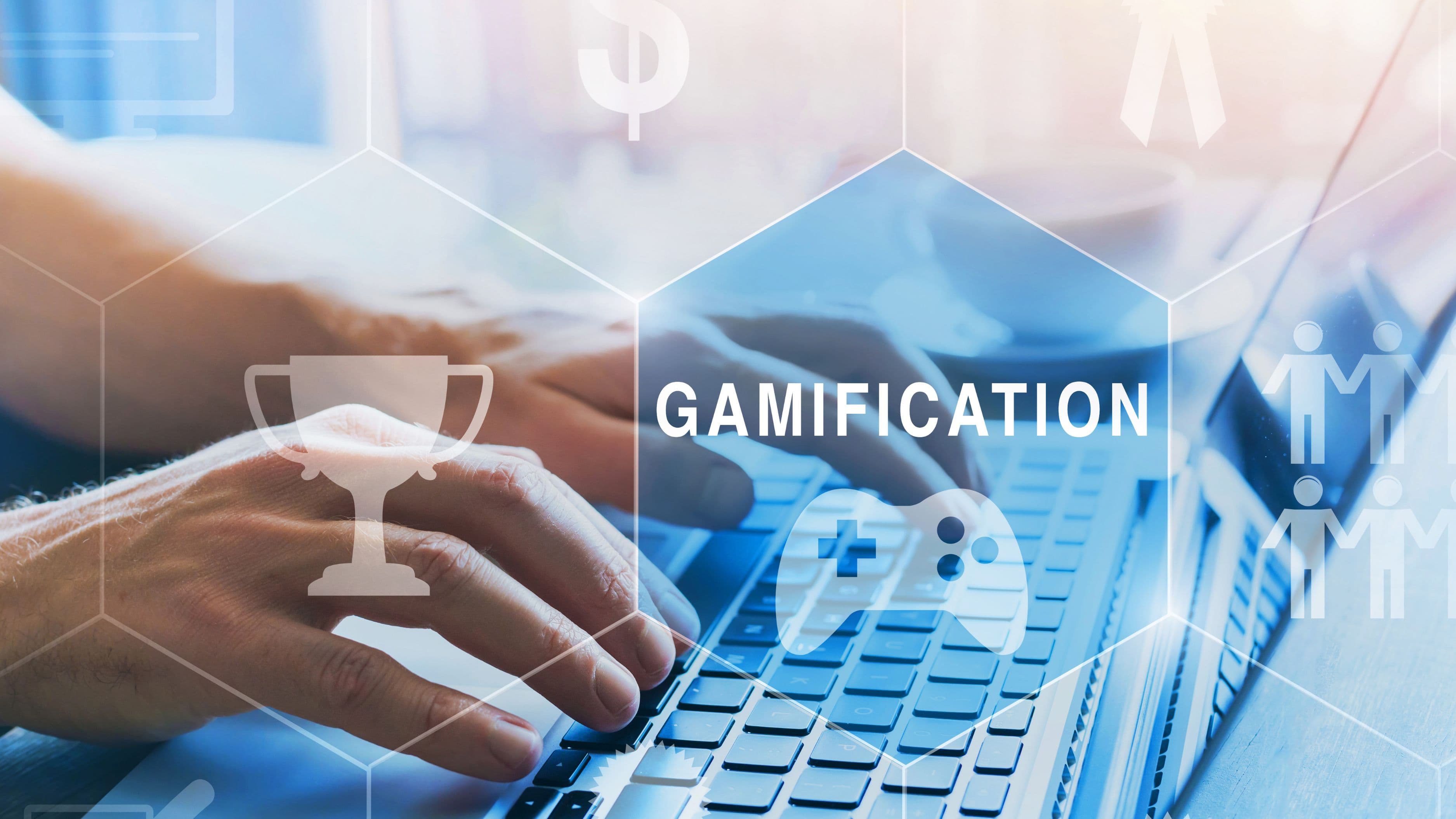
What Gamification Actually Means Here
This isn't unique to streaming, since gamification has been used across fitness apps, language learning platforms, and social media for years, but it's a relatively newer addition to how major streaming services approach content discovery specifically.
Common Gamification Features You've Probably Already Seen
Progress and completion tracking, showing you exactly how far through a series or a platform's full library you've gotten, taps into a basic psychological drive to finish what you've started. Several platforms have expanded this into visible completion percentages or "you've watched X% of this genre" style prompts specifically designed to nudge you toward exploring further.
Daily login streaks and rewards, borrowed almost directly from mobile gaming, encourage habitual platform use by giving you something to "lose" if you break the pattern. Personalized challenges, like a platform suggesting you try a specific number of new genres within a set period, add a structured goal to what would otherwise be unstructured browsing.
Some platforms have also introduced trivia, interactive polls, or watch-along features tied to specific shows, turning passive viewing into something with a more active, participatory element, which tends to increase engagement time and social sharing around specific content.
Why Platforms Are Investing in This Approach
The core business reason is straightforward: gamification mechanics have been shown across many different industries to increase user engagement and retention, and streaming platforms are under significant competitive pressure to keep subscribers actively watching rather than letting their subscription go unused and eventually canceled. A subscriber who's actively engaged through completion tracking, streaks, or challenges is statistically less likely to cancel than one who logs in occasionally without much sense of ongoing engagement.
This also connects directly to the broader content discovery problem streaming platforms face, since most services now have libraries large enough that finding something new to watch can feel genuinely overwhelming without some kind of structured guidance. Gamified discovery features give platforms another tool for surfacing content beyond a traditional algorithm-driven recommendation row, adding a layer of active engagement rather than passive suggestion.
What This Looks Like in Practice for Viewers
If you've ever felt a small pull to finish a show specifically because a progress bar showed you were close to completing it, or felt a mild sense of loss when you broke a daily login streak on a platform, you've experienced these mechanics working as intended. This isn't inherently manipulative or harmful, but it's worth being aware of the psychological mechanism at play, particularly if you notice yourself watching content less out of genuine interest and more out of a desire to maintain a streak or complete a challenge.
Some viewers actually find these features genuinely helpful for discovering content they wouldn't have found otherwise, particularly challenge-based features that encourage exploring genres outside their usual viewing habits. Whether these features feel helpful or manipulative often comes down to your own awareness of how they're influencing your viewing decisions.
Practical Ways to Use Gamification Features to Your Benefit
If a platform's genre challenge or exploration feature genuinely introduces you to shows or movies you end up enjoying, that's a legitimate benefit worth taking advantage of, since discovery challenges can break you out of an algorithm-driven bubble of similar recommendations. Approaching these features with the specific goal of expanding your viewing rather than just maintaining a streak for its own sake tends to produce a more genuinely useful outcome.
If you notice a login streak or completion tracker is driving you to watch content you're not actually enjoying, just to maintain the streak or reach 100% completion, that's a good signal to consciously step back and prioritize your actual viewing preferences over the gamified metric itself.
What to Watch Out For
Be cautious about mistaking a platform's gamification-driven engagement for genuinely being interested in content, since it's easy to conflate "I want to maintain my streak" with "I actually want to watch this," especially when a platform is specifically designed to blur that distinction.
If gamification features are pushing you toward significantly more screen time than you actually intend, particularly late at night to maintain a daily streak, it's worth adjusting notification settings or disabling specific gamified features if your platform allows it, since these mechanics are specifically designed to be difficult to ignore.
What's Likely Coming Next
Expect continued expansion of these features, particularly more sophisticated personalized challenges based on viewing history and social features that let you compare viewing achievements or challenges with friends, following a pattern already well established in mobile gaming and fitness app design. Platforms will likely continue testing which specific mechanics most effectively drive engagement without pushing viewers toward the kind of fatigue that could eventually backfire into subscription cancellations.
FAQ
Can I turn off gamification features on streaming platforms if I don't want them? This varies by platform, with some offering settings to disable notifications related to streaks or challenges, though full removal of gamified discovery elements isn't always possible depending on how deeply integrated they are into the platform's design.
Do gamification features actually help people discover better content, or just watch more? Both outcomes happen depending on the specific feature and how you engage with it. Genre exploration challenges can genuinely introduce new content you enjoy, while streak-based features are more purely engagement-focused without necessarily improving discovery quality.
Is gamified content discovery a sign a platform is trying to manipulate viewers? It's more accurate to describe it as a deliberate engagement strategy rather than manipulation in a harmful sense, though being aware of how these mechanics influence your viewing decisions helps you use them intentionally rather than being passively driven by them.
📚 Sources
Nielsen – "The State of Streaming Engagement" – https://www.nielsen.com/insights/
Pew Research Center – "How Americans Use Streaming Services" – https://www.pewresearch.org/