
What's Actually Driving This Shift
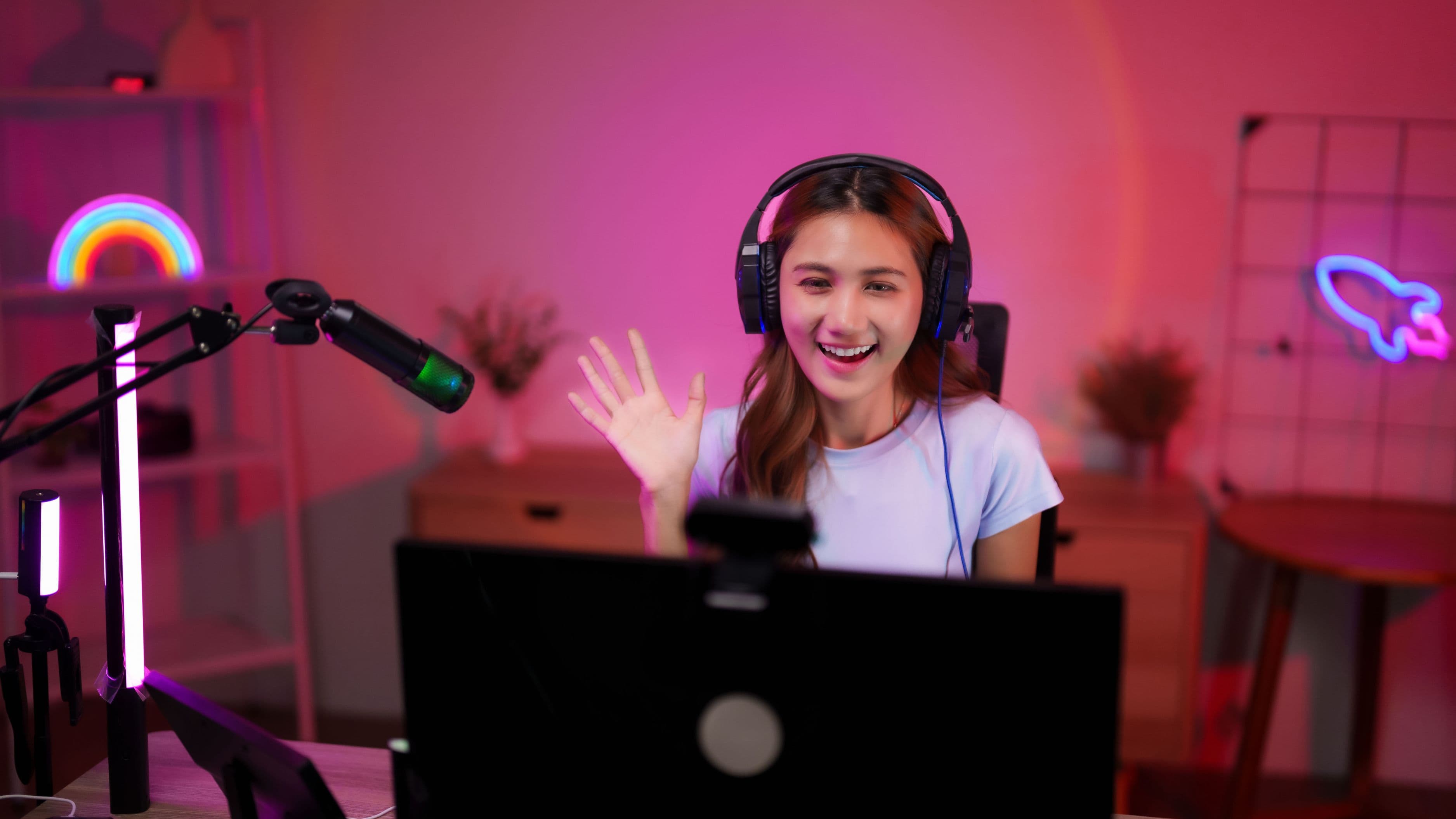
Streaming fitness platforms offer on-demand and live-streamed workout classes across a wide range of formats – strength training, yoga, cardio, cycling – accessible from home without any commute time, class scheduling constraints, or the sometimes intimidating social environment a physical gym can present for some users. This combination of convenience and reduced social friction genuinely resonates with a specific segment of the fitness market that gyms have historically struggled to fully serve.
Cost also plays a meaningful role, since most streaming fitness subscriptions run considerably less than a typical gym membership, particularly when you factor in that many gym memberships go underused relative to their cost, given how commute time and scheduling constraints can reduce actual attendance frequency compared to the more flexible, immediate access streaming platforms provide.
Who This Shift Genuinely Serves Well
Users whose primary fitness barrier was time and convenience, rather than needing specific gym equipment or environment, tend to find streaming fitness platforms genuinely sufficient for their needs, since a well-designed home workout space with minimal equipment can support many of the same workout formats gyms offer. Parents managing childcare schedules, people with unpredictable work hours, and those in areas without convenient gym access have found streaming platforms particularly valuable, given how directly these platforms address the specific access barriers that made consistent gym attendance difficult.
Users prioritizing group class-style workouts – yoga, cycling, structured bootcamp-style sessions – also tend to transition well to streaming platforms, since these formats translate reasonably effectively to a home environment with a screen, in contrast to workouts requiring heavier gym equipment that's genuinely difficult to replicate at home.
Where Streaming Fitness Apps Still Fall Short
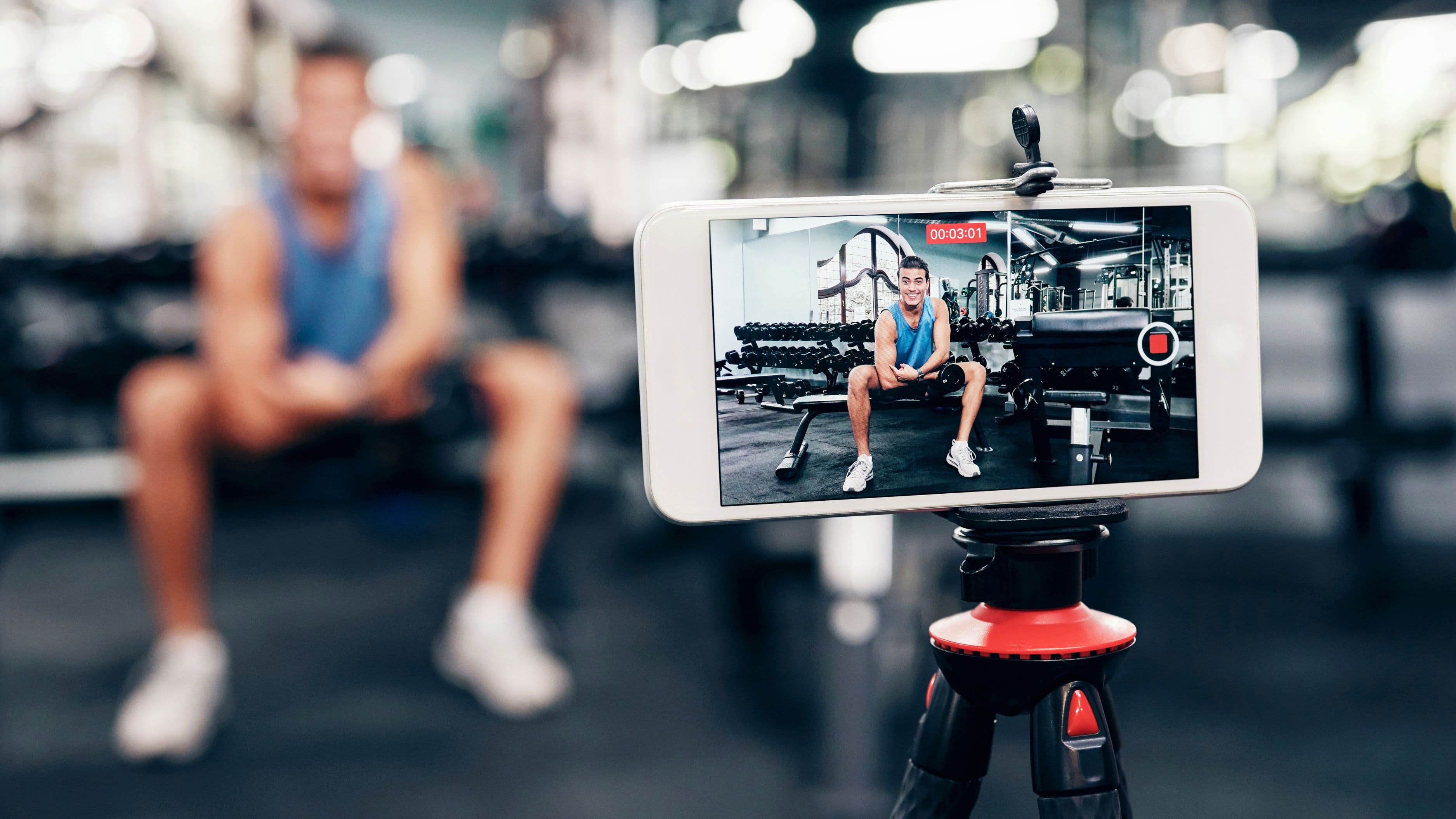
Serious strength training relying on heavier equipment – barbells, squat racks, extensive weight machine variety – remains genuinely difficult to replicate through a streaming platform alone, since this requires either a substantial home gym investment or access to equipment a typical home setup doesn't include. Users specifically focused on progressive heavy strength training often still need gym access for this specific training goal, regardless of how much they might supplement with streaming content for other workout formats.
The social and community aspect some gym users specifically value – ambient motivation from working out alongside others, informal community built through consistent attendance at the same gym – is also genuinely difficult for a streaming platform to fully replicate, even with live-streamed class formats that attempt to create some sense of shared, simultaneous participation.
How Some Users Combine Both Approaches
Rather than treating this as a strict either-or choice, many users have adopted a hybrid approach, maintaining a gym membership specifically for strength training or equipment-dependent workouts while using streaming platforms for cardio, yoga, or other formats that translate well to a home environment. This hybrid model captures the genuine strengths of each approach rather than forcing a single solution to cover every fitness need a user might have.
This hybrid pattern has become common enough that some gyms have responded by offering their own streaming content as a membership add-on, recognizing that members increasingly want flexibility across both in-person and home-based workout options rather than being restricted to one format exclusively.
What This Means for the Broader Fitness Industry
This shift reflects a genuine, structural change in how a meaningful segment of consumers approach fitness, rather than simply a temporary trend, given how directly it addresses persistent barriers – cost, time, convenience, environment comfort – that have limited gym attendance consistency for a significant portion of the population regardless of genuine underlying motivation to exercise regularly.
Traditional gym chains have generally responded by expanding their own digital offerings rather than treating streaming platforms purely as an external competitive threat, reflecting a genuine industry recognition that consumer preferences have meaningfully diversified beyond a single dominant fitness access model.
What to Consider Before Fully Switching
If you're considering replacing a gym membership entirely with a streaming fitness platform, honestly assess whether your specific fitness goals require equipment or training formats a home setup can genuinely support, since serious strength training goals specifically may still benefit from gym access even if other aspects of your routine transition well to streaming content. It's also worth considering whether you personally benefit from the social or environmental structure a physical gym provides, since this is a genuinely individual preference that affects how well a fully home-based streaming approach will actually work for your specific motivation and consistency.
FAQ
Do I need much equipment to get real value from streaming fitness apps? Many platforms offer bodyweight-based or minimal-equipment workout options that require little more than a yoga mat and perhaps a set of dumbbells, though platforms focused specifically on strength training may recommend more substantial equipment investment for full program benefit.
Are streaming fitness apps actually cheaper than gym memberships long-term? Generally yes on a pure subscription cost basis, though this comparison depends on how consistently you'd actually use a gym membership versus a streaming platform, since underutilized gym memberships effectively cost more per actual workout than their base price alone suggests.
Can streaming fitness platforms provide the same results as gym-based strength training? For bodyweight and moderate resistance training, many platforms can provide genuinely effective programming, though progressive heavy strength training focused on continually increasing weight typically still benefits from gym equipment access for meaningful long-term progression.
Do gyms still offer value if streaming platforms cover most workout formats? Yes, particularly for equipment-dependent strength training, specialized classes requiring specific gym equipment, and for users who genuinely benefit from the social and environmental structure a physical gym space provides.
📚 Sources
International Health, Racquet & Sportsclub Association – Fitness Industry Trends Report
American Council on Exercise – Home Versus Gym-Based Training Research