


The good news is this is fixable with a few practical habits, not a complete overhaul of how you watch things.
Why Streaming Fatigue Happens
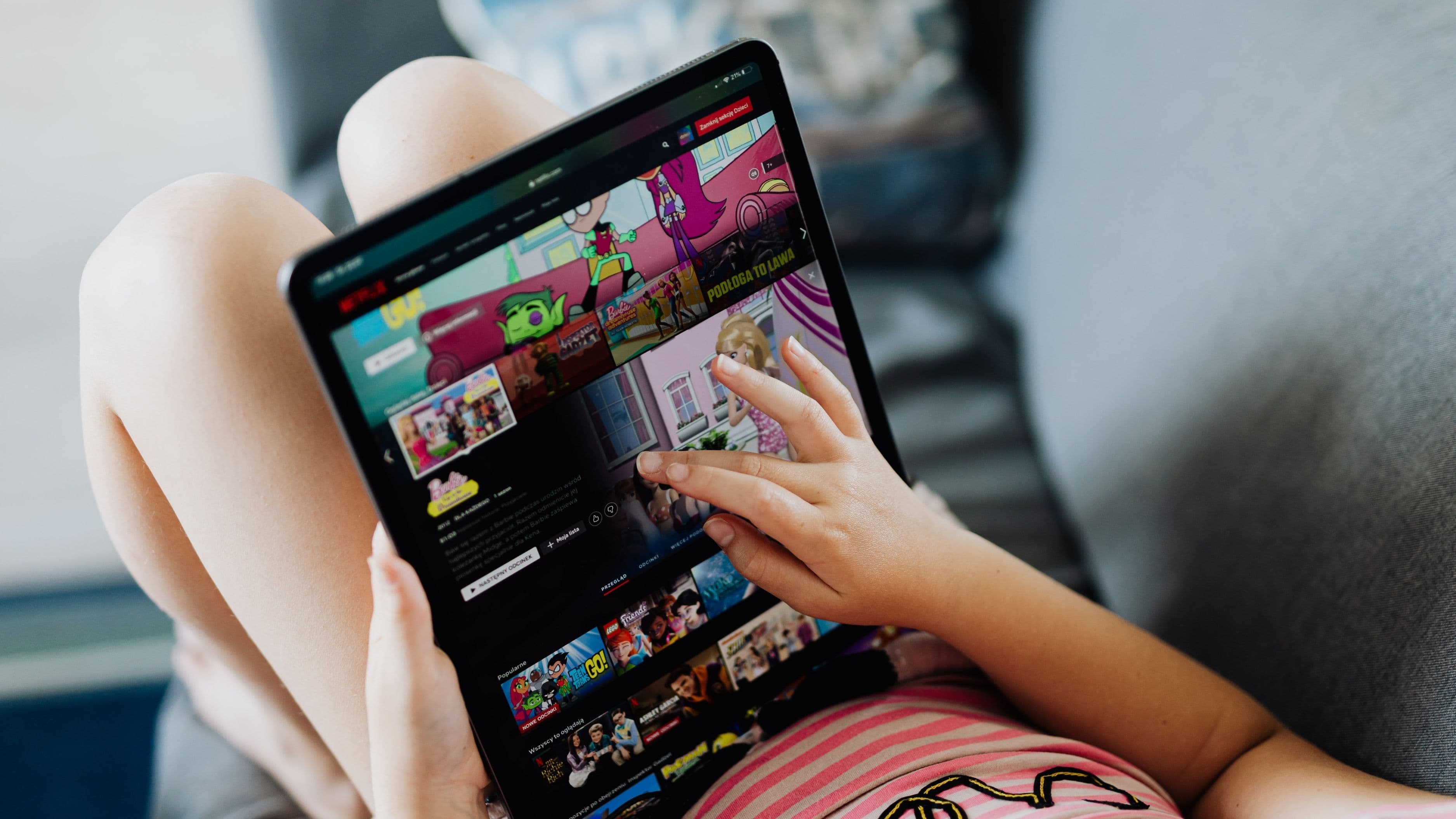
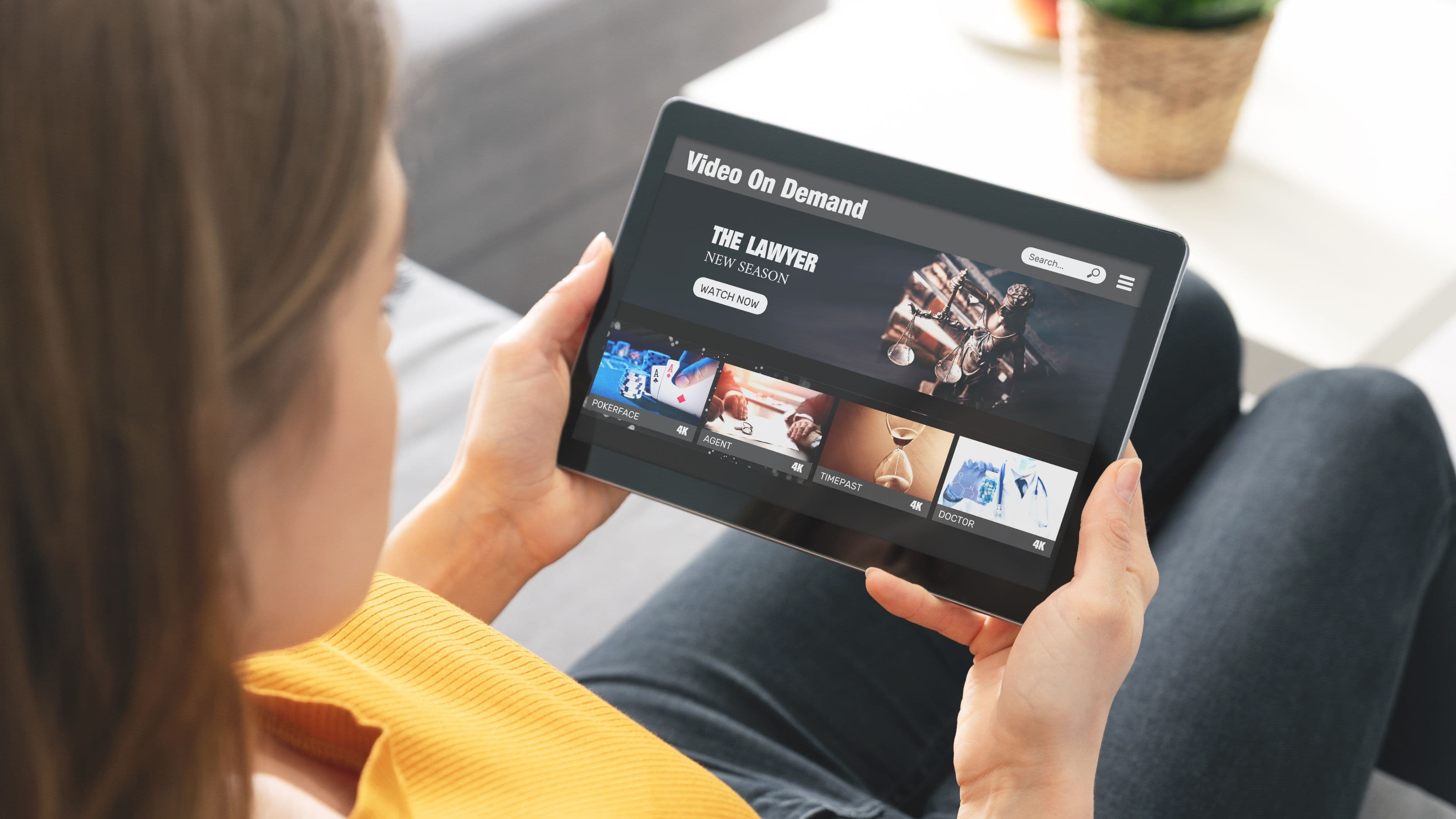
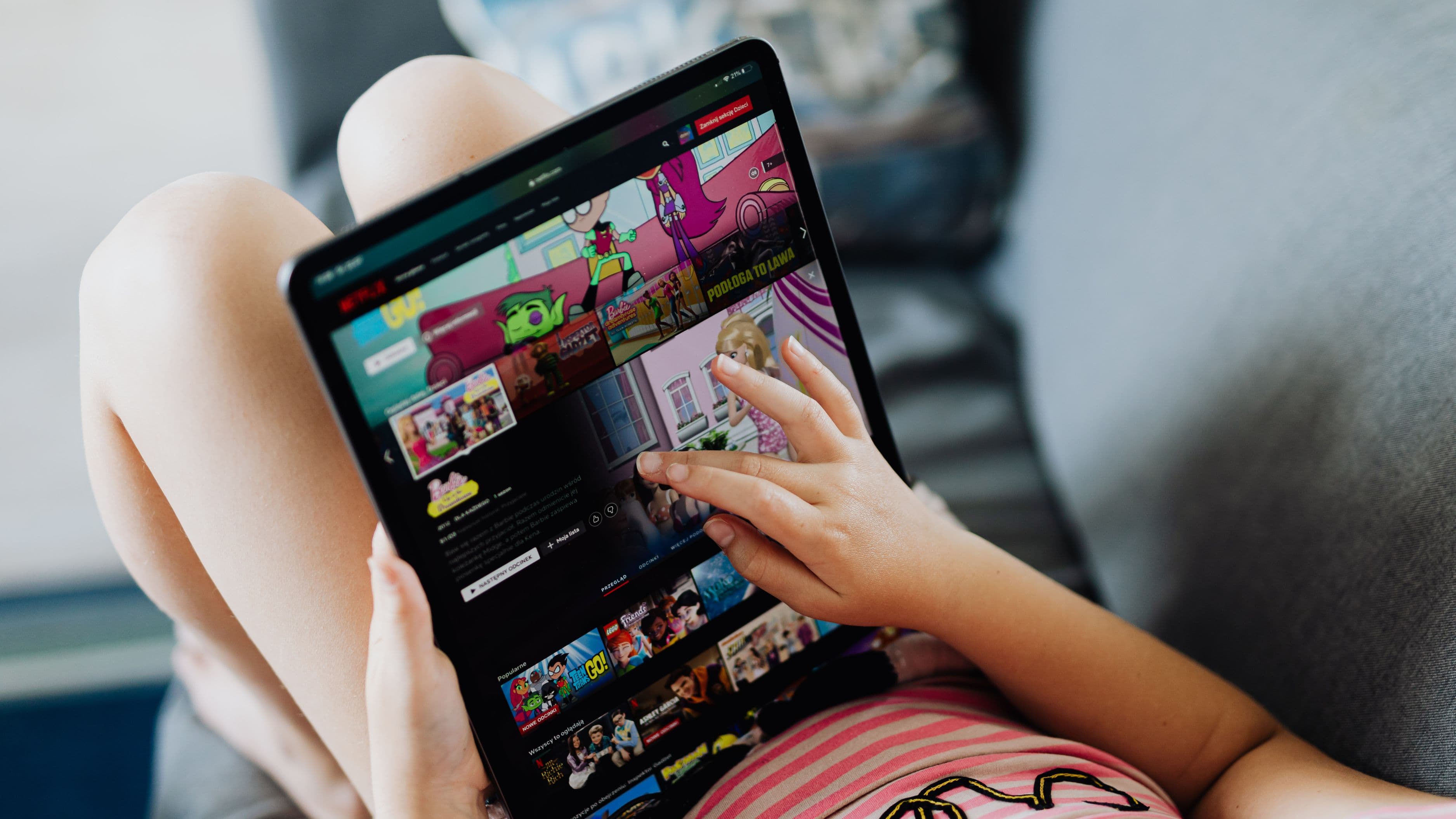
The core issue isn't that there's too much good content – it's that the sheer volume of choice across multiple apps creates decision fatigue before you've even picked something to watch. Every additional platform you subscribe to adds another catalog to scroll through, another algorithm suggesting things, and another mental step between "I want to watch something" and actually watching it.
This gets worse when your watchlist is scattered across different apps with no central place to track what you actually want to watch versus what an algorithm is pushing at you. Without a system, every session starts from scratch, which is exhausting in a way that has nothing to do with how much you actually enjoy watching TV or movies.
Actionable Steps to Fix It
Consolidate your watchlist into one place. Instead of relying on each individual app's built-in watchlist feature, use a cross-platform tool like JustWatch or Reelgood that tracks what you want to watch across all your subscribed services in one list. This removes the need to remember which app has which show queued up, and gives you a single starting point instead of five separate ones.
Set a hard limit on active subscriptions. It's easy to accumulate services over time – a free trial here, a show you wanted to catch there – until you're paying for and scrolling through far more platforms than you can realistically keep up with. Pick a number of active subscriptions that feels manageable, and treat adding a new one as a decision that requires dropping another, rather than just stacking on top of what you already have.
Use a rotation strategy instead of keeping everything active year-round. Rather than subscribing to every platform indefinitely, subscribe to one or two at a time, binge through what you actually want to watch on that service, and then cancel and move to the next. This works particularly well for platforms with smaller, more finite libraries, and it naturally limits how much content you're trying to track and choose from at any given time.
Give yourself a decision time limit. Set an actual limit – five minutes, say – for deciding what to watch before you commit to something from your list rather than continuing to scroll. This sounds small, but it directly targets the specific behavior that causes the most fatigue: endless scrolling without committing, which burns time and energy without any payoff.
Trim your watchlist regularly. A watchlist that's grown to fifty or more items becomes just as overwhelming as scrolling a full catalog, defeating the purpose of having a curated list in the first place. Periodically go through it and remove anything you added on a whim but don't have genuine interest in anymore – a shorter, more intentional list is easier to choose from than a long one.
Tips for Better Results
Pay attention to what you actually gravitate toward when you're not overthinking it, and let that guide future choices more than trending lists or algorithm suggestions. A lot of streaming fatigue comes from feeling pressure to keep up with what's popular or widely discussed, rather than watching what you're genuinely drawn to in the moment.
It also helps to accept that you're not going to watch everything, and that's completely fine. Trying to keep up with every buzzworthy show across every platform is a losing game given how much content exists now, and letting go of that pressure alone reduces a meaningful amount of the fatigue.
Common Mistakes to Avoid
A common mistake is keeping every subscription active "just in case" you might want to watch something on it eventually, which keeps your decision-making spread across too many places and too many options at once. If you haven't opened a specific app in a month or more, that's a reasonable signal it's time to cancel it, at least until there's something specific pulling you back.
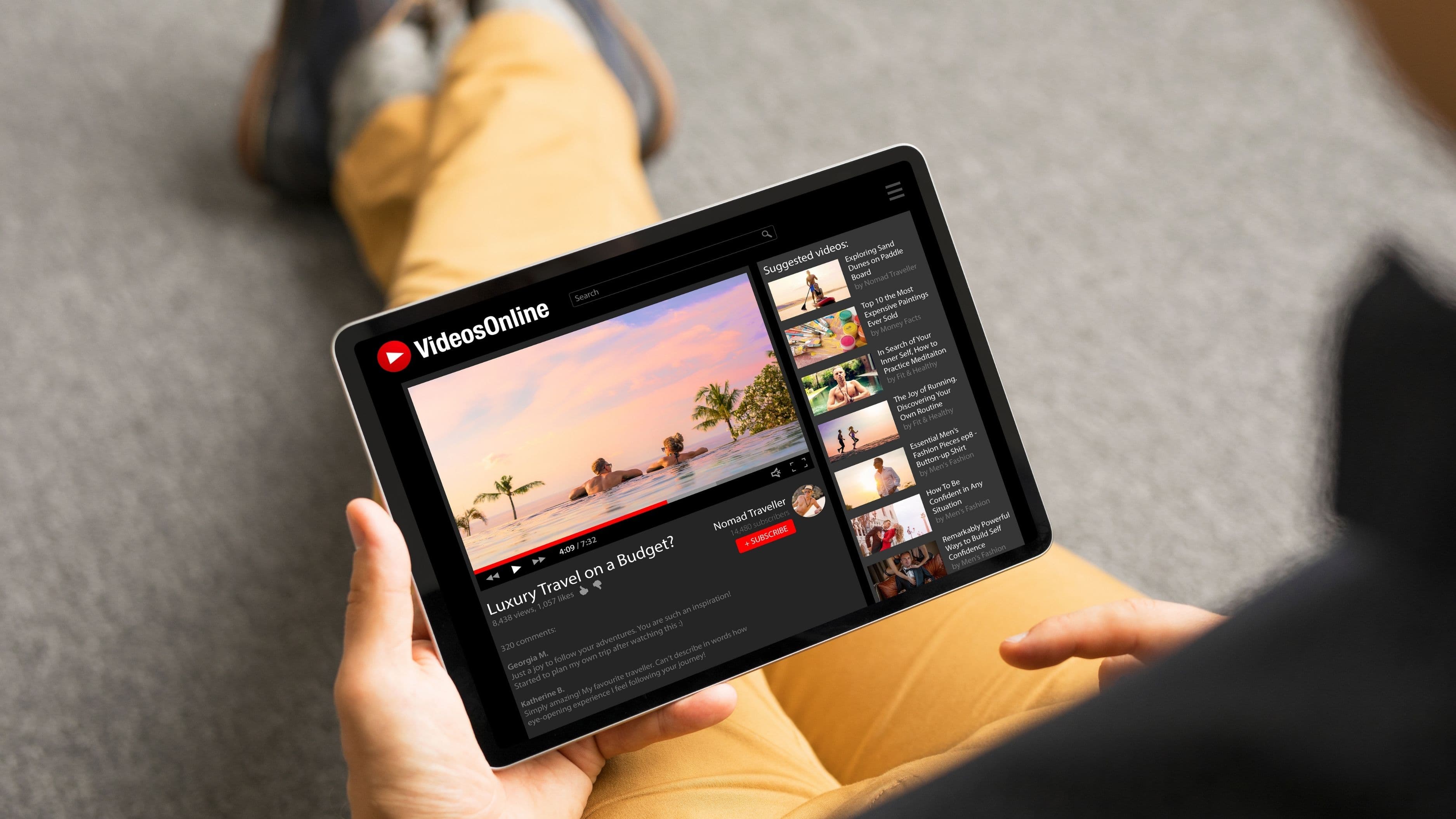
Another mistake is relying entirely on algorithmic recommendations to decide what to watch, rather than a list you've actually curated yourself. Algorithms are designed to keep you scrolling and engaged, not necessarily to help you make a quick, satisfying decision, so leaning on them too heavily can actually contribute to the scrolling fatigue you're trying to avoid.
It's also worth avoiding adding things to your watchlist just because they're trending or someone mentioned them once, without genuine interest. This is one of the fastest ways a watchlist balloons into something too overwhelming to actually use as a helpful tool.
FAQ
Do watchlist tracking apps cost money? Most popular options, including JustWatch and Reelgood, offer free versions with core tracking features, though some offer optional paid tiers with additional functionality like more detailed notifications.
How many streaming subscriptions is too many? There's no universal number, but if you find yourself unable to remember what's even on each platform you're subscribed to, or paying for services you haven't opened in weeks, that's a sign you've likely gone past what's actually manageable for your viewing habits.
Will rotating subscriptions actually save money too? Often, yes – canceling and resubscribing based on what you're actively watching means you're not paying for platforms sitting unused between binges, which can meaningfully reduce your total monthly streaming costs alongside reducing decision fatigue.
📚 Sources
"JustWatch – Where to Watch Movies and TV Shows" – JustWatch, justwatch.com
"Decision Fatigue: Why It Matters and How to Manage It" – American Psychological Association, apa.org
🔍 Explore Related Topics
Best cross-platform watchlist apps compared
How to cut streaming costs with a rotation strategy
Signs you're subscribed to too many streaming services
How algorithms shape what you watch online
Building a personal watchlist that actually works
How to declutter your streaming app home screen
Managing multiple streaming subscriptions efficiently
Why endless scrolling makes decisions harder
How to find hidden gems without algorithm pressure
Simple habits for smarter streaming choices