


Why Audience Data Matters More on Live Platforms Than On-Demand Ones
On-demand streaming platforms have long used viewership data to inform content decisions, but live platforms have a distinct advantage: real-time engagement signals during the actual broadcast, not just after-the-fact viewership totals. Chat activity, reaction spikes, and moment-to-moment audience retention during a live stream give platforms and creators immediate feedback about what's actually working, in a way that on-demand content's more delayed viewership data simply can't replicate.
This matters practically because it means live content can adapt within a single broadcast, not just across future content decisions. A creator or platform noticing engagement drop during a specific segment can adjust format on the fly, something that's structurally impossible with pre-recorded, on-demand content that's already locked before release.
What This Looks Like in Practice
Platforms like Twitch and YouTube Live have both expanded interactive features, real-time polls, prediction and betting-style engagement tools, and reaction overlays, directly in response to data showing these features measurably increase watch time and return viewership. This isn't guesswork on the platform's part; it's a direct response to what the engagement data has shown works.
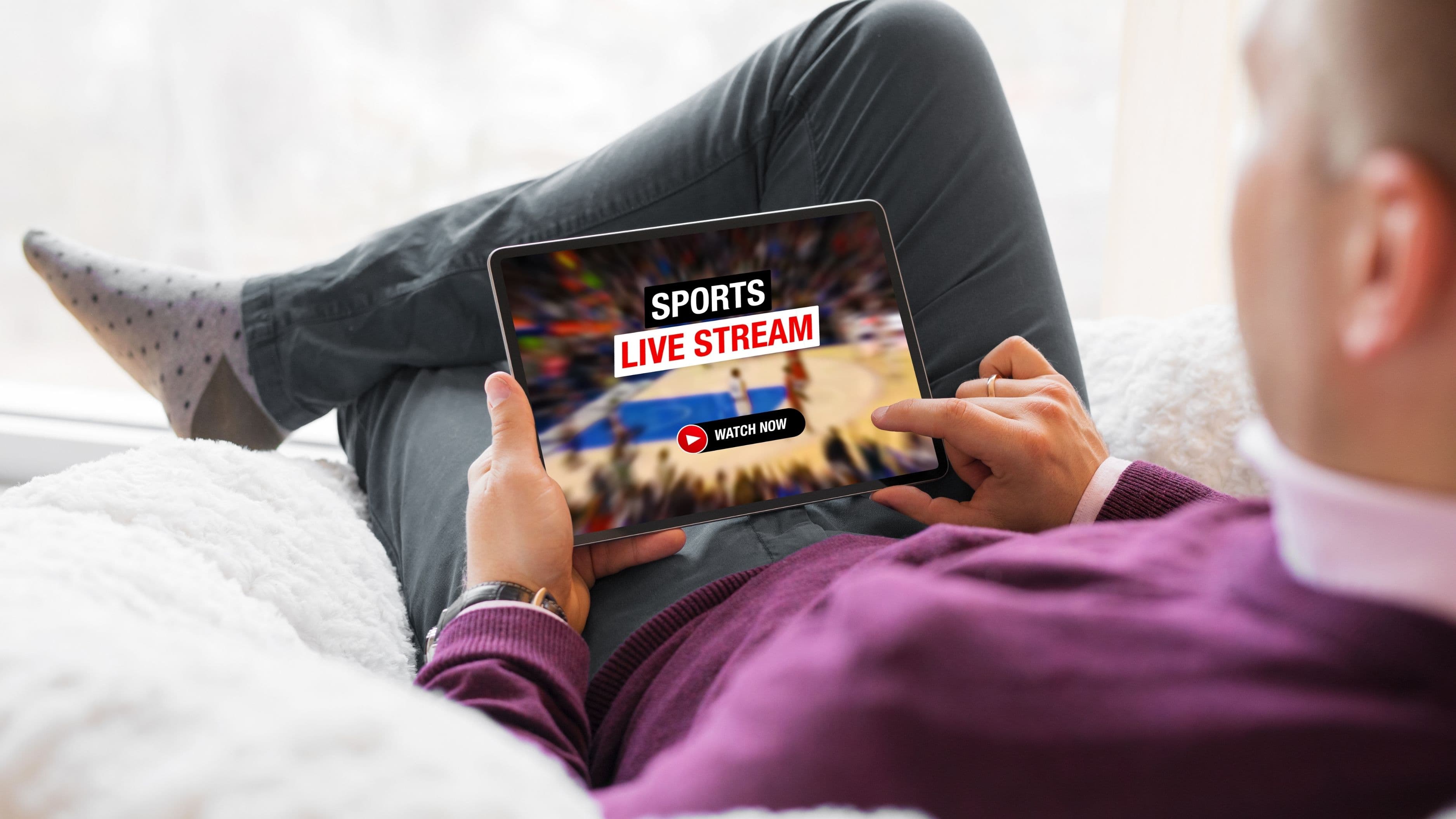
Live sports and live events streaming has followed a similar pattern, with platforms increasingly building second-screen companion experiences, real-time stats overlays, multi-angle viewing options, based specifically on data showing audiences want more control over their viewing experience during live events rather than a single fixed broadcast feed.
The Content Format Shift This Is Driving
Audience data has also shaped what kind of live content gets platform promotion and investment in the first place. Formats that generate high real-time engagement, co-streaming and reaction content, interactive Q&A formats, live collaborative gaming sessions, have seen disproportionate platform support because the underlying data shows these formats keep audiences actively engaged rather than passively watching, which correlates with longer session times and better platform retention overall.
This has real implications for what you're likely to see more of going forward: formats explicitly designed around real-time audience participation are increasingly favored over more traditional, passive live broadcast formats, simply because the data consistently shows participation-driven content performs better on the engagement metrics platforms care most about.
What to Watch Out For as a Viewer
This audience-driven content shift isn't purely positive from a viewer experience standpoint. Formats optimized heavily for engagement metrics can sometimes prioritize algorithmically favorable content over genuinely well-produced content, meaning what gets algorithmic promotion doesn't always correlate with what's actually highest quality. It's worth being aware that platform recommendations increasingly reflect what drives measurable engagement rather than a neutral curation of the best available content.
Being an active participant, chatting, reacting, voting in polls, does directly shape what gets made and promoted going forward on these platforms, which is worth knowing if you have preferences about content direction, since passive viewing sends a meaningfully different signal than active engagement does.
Realistic Expectations
This trend toward audience-data-driven live content decisions is likely to continue and deepen rather than reverse, since the underlying economic incentive, better engagement data leading to better platform retention and monetization, isn't going away. Expect continued platform investment in real-time interactive features and formats that generate measurable audience participation, rather than a return to more traditional, passive broadcast-style live content as the default.
FAQ
Does my individual viewing behavior actually influence what content gets made? In aggregate, yes. Individual actions matter less than collective audience patterns, but consistent audience behavior across large groups of viewers is exactly what platforms and creators respond to when making content and format decisions.
Are these interactive features available on all live streaming platforms? Availability varies by platform and continues expanding, with major platforms like Twitch and YouTube Live generally leading feature rollout compared to smaller or more niche streaming services.
Is this data-driven approach making live content better or worse overall? This is genuinely mixed and depends on your personal viewing preferences; engagement-optimized content isn't automatically lower quality, but it does mean algorithmically favorable formats get more platform support than they might based on production quality alone.
📚 Sources
Twitch platform feature updates – https://blog.twitch.tv/
YouTube Live streaming trends – https://blog.youtube/