
Smart home security systems have transformed from luxury items into mainstream essentials faster than you can say "Alexa, who's watching me?" Ring doorbells perch on doorframes like digital sentries, indoor cameras sweep across living rooms, and smart locks remember every coming and going. We've traded privacy for convenience, but did we read the fine print on that deal? Let's dive into whether your home security system is actually securing you—or just collecting data about your life.
The Surveillance Sweet Spot
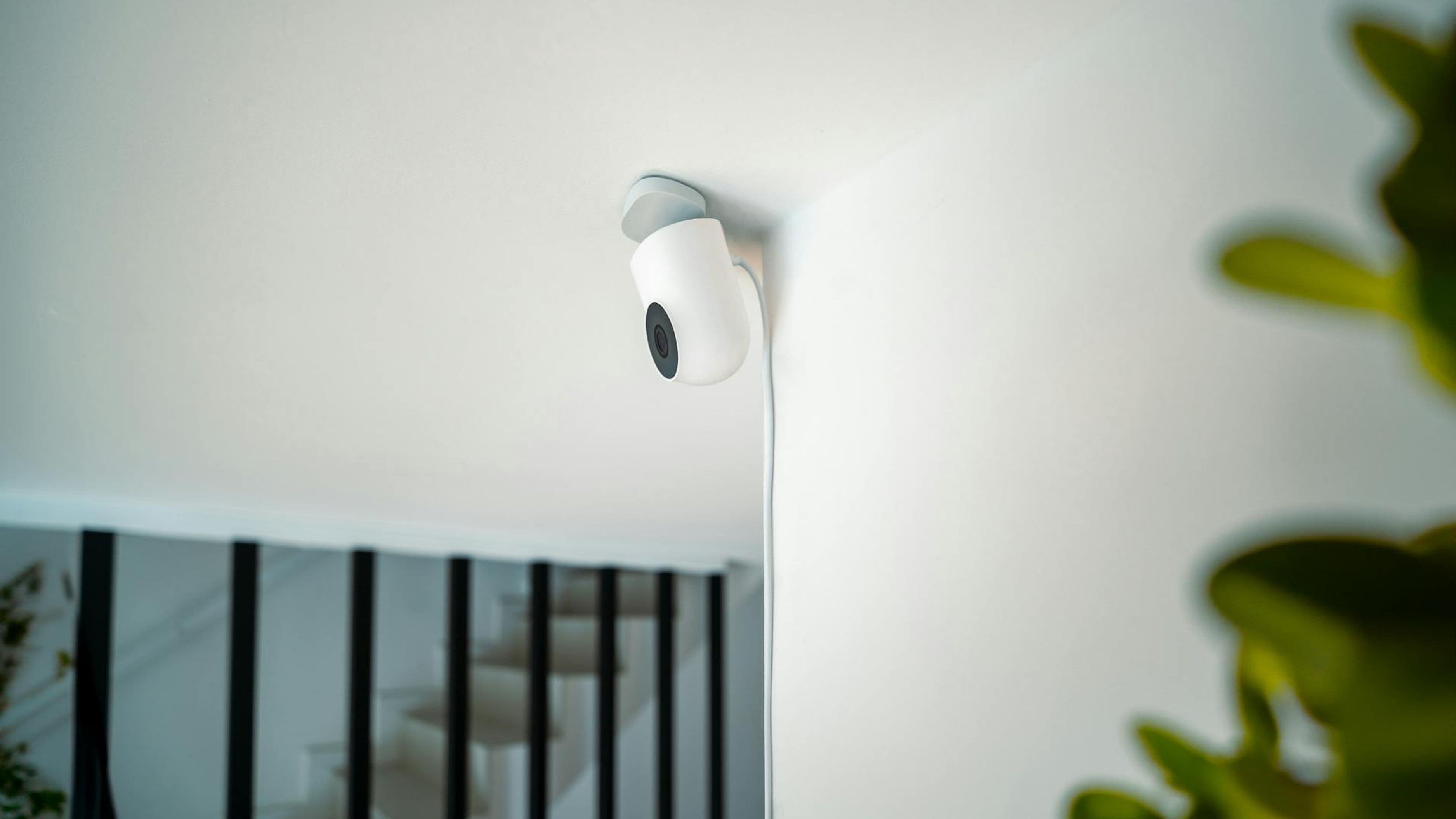
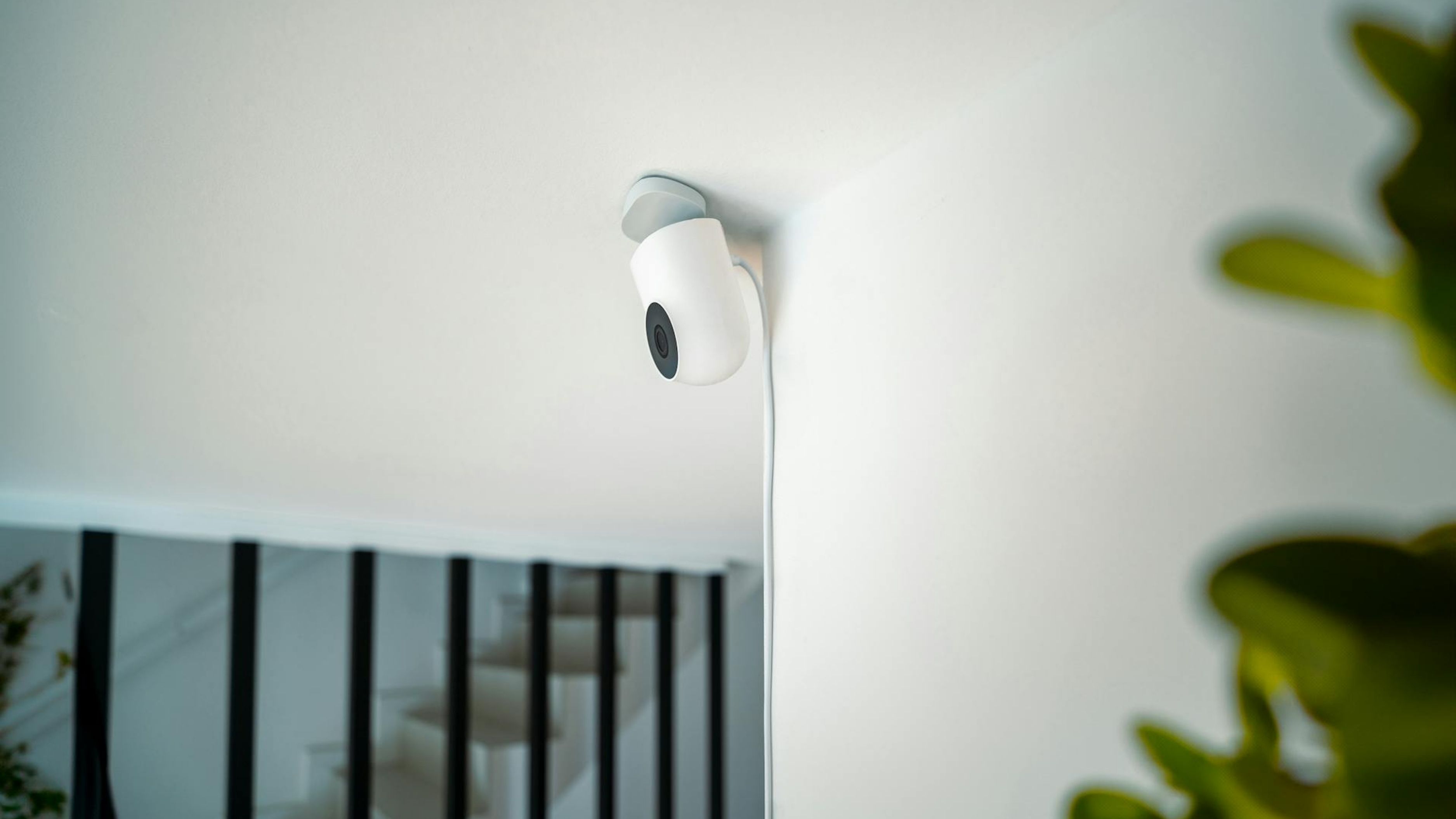
Here's the uncomfortable truth: that camera watching your front porch isn't just yours anymore. When you connect a security device to the internet, you're essentially creating a window that others can potentially peer through. Most smart home security companies store your footage on cloud servers, meaning your data lives somewhere in the vast digital universe, accessible through login credentials and occasionally vulnerable to breaches.
The irony is thick enough to cut with a knife. We install these systems to feel safer, yet they introduce entirely new vulnerabilities we never had when we just locked our doors and hoped for the best. A 2023 study found that over 80% of smart home devices have at least one security vulnerability, and many users never update their firmware or change default passwords. That Ring doorbell protecting you from porch pirates might simultaneously be an open door for digital intruders.
But before you start wrapping your house in tinfoil, let's acknowledge that most people aren't targets of sophisticated hacking operations. The real question isn't whether these systems could be compromised—anything connected to the internet can be—but whether the practical benefits outweigh the theoretical risks for your specific situation.
Who's Really Watching?
Your security footage doesn't just sit in a locked digital vault gathering dust. Multiple parties potentially have access to what your cameras see and microphones hear. First, there's the company itself. Ring faced scrutiny when reports revealed employees had access to customer video feeds. While companies insist this access is limited and monitored, "trust us" isn't the most reassuring privacy policy.
Then there's law enforcement. Many security companies have partnerships with police departments, and some have handed over footage without warrants or even informing users. Your doorbell camera might be solving crimes, which sounds noble until you realize you've become an unpaid, unknowing surveillance contractor for your local police department. Amazon's Ring has shared video with law enforcement over 20,000 times since 2022, often without explicit user consent when they deem there's an emergency.
And let's not forget the hackers, the uninvited guests at this privacy party. When security systems are poorly configured, bad actors can access live feeds, disable cameras, or even communicate through two-way audio features. Stories of hackers talking to children through bedroom cameras or watching families in their most private moments aren't just urban legends—they're documented incidents that should make anyone pause before installing that indoor camera.
The Data Goldmine in Your Living Room
Beyond video footage, smart security systems collect mountains of metadata that paint an incredibly detailed picture of your life. They know when you wake up, when you leave for work, when you return home, and when you go to bed. They know if you're an early bird or a night owl, whether you have frequent visitors, and how many people live in your household.
This behavioral data is incredibly valuable to advertisers and data brokers. While companies promise not to sell your video footage, the metadata and usage patterns often fall into a grayer area of their privacy policies. That's why you might install a security system and suddenly start seeing ads for products that seem eerily tailored to your routine. Your smart home isn't just protecting you—it's profiling you.
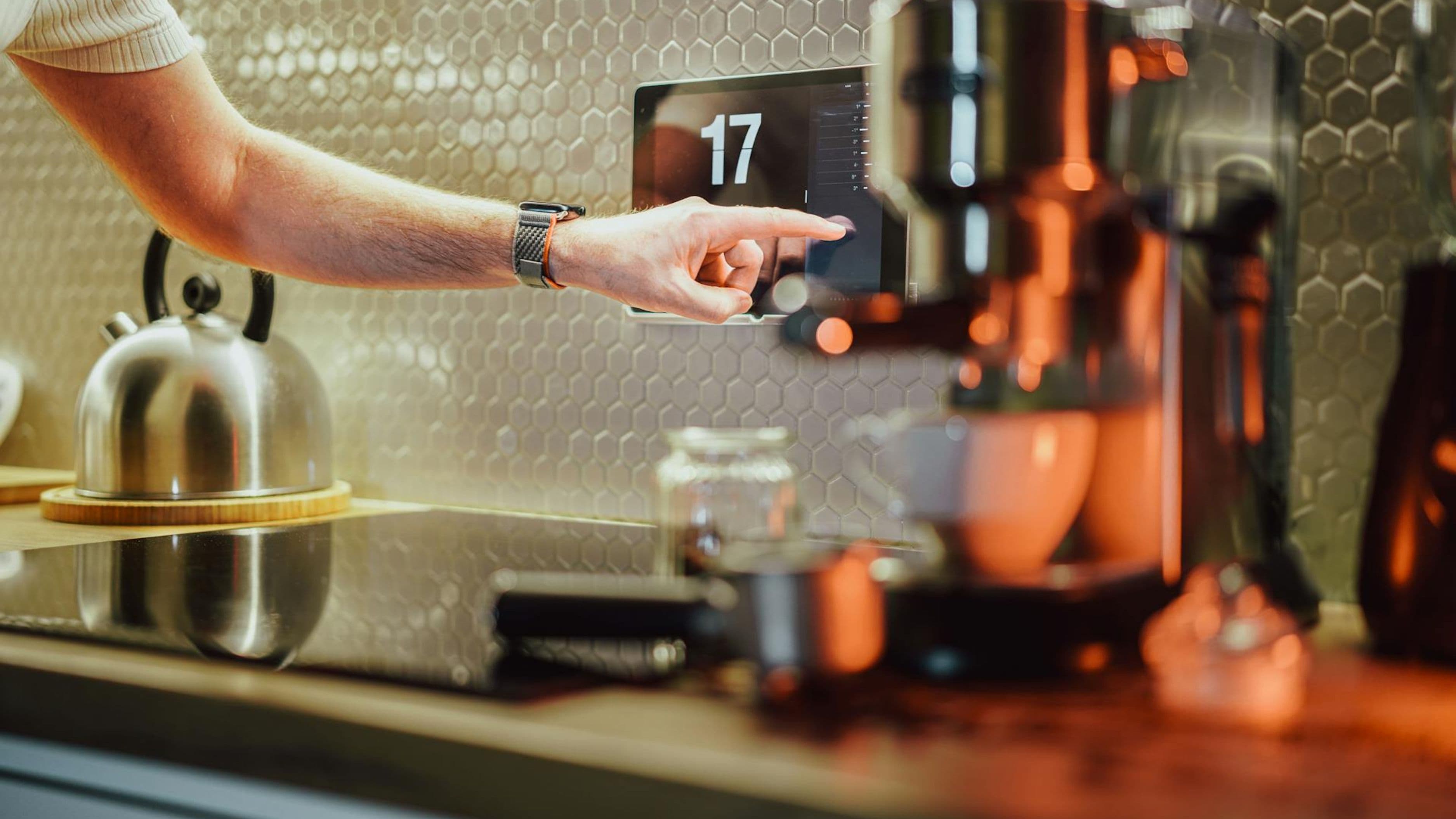
The integration between devices makes this even more complex. Your security system talks to your smart thermostat, which chats with your smart lights, which gossip with your voice assistant. Each device alone knows a little about you, but together they create a comprehensive digital dossier. It's the difference between someone knowing you bought coffee once and someone knowing you buy a large latte every Tuesday and Thursday at 7:42 AM from the shop near your office.
The Convenience Tax We're Paying
Let's be honest about why we accept these trade-offs: smart home security is genuinely convenient. Being able to unlock your door remotely when your kid forgets their keys, or checking if you remembered to close the garage from three states away provides real peace of mind. The ability to see who's at your door without getting up or to verify that package delivery happened is undeniably useful.
We've also become somewhat desensitized to surveillance. We carry phones that track our location constantly, post our activities on social media, and use apps that harvest our data with abandon. In this context, one more camera doesn't feel like a dramatic escalation. We've been boiled like the proverbial frog, each new privacy concession seeming small until we look back and realize how much we've given up.
The question isn't whether smart security systems watch us—they absolutely do. That's literally their job. The question is whether we're comfortable with who else might be watching and what they're doing with that access. For some people, the security benefits clearly outweigh privacy concerns. For others, the idea of being constantly recorded feels like a dystopian nightmare.
Making Smarter Security Choices
If you're going to embrace smart home security, at least do it with your eyes open. Start by actually reading privacy policies, especially the sections about data sharing and retention. Look for companies that offer end-to-end encryption, where even they can't access your footage without your explicit permission. Local storage options, where video stays on a device in your home rather than uploading to the cloud, provide significantly more control.
Change those default passwords immediately, and enable two-factor authentication wherever possible. Update firmware regularly—those updates often patch security vulnerabilities that could be exploited. Be strategic about camera placement, avoiding truly private spaces like bedrooms and bathrooms. Just because you can put a camera somewhere doesn't mean you should.
Consider whether you actually need all the features you're using. Does that indoor camera really need to be on 24/7, or could you activate it only when you're away? Do you need to save footage for 60 days, or would a week suffice? Every feature you disable and every piece of data you don't collect is one less vulnerability in your system.
The Future of Home Surveillance
Smart home security isn't going away—if anything, it's becoming more sophisticated and integrated. Facial recognition, AI-powered threat detection, and predictive analytics are already entering consumer products. These advances promise better security but also raise the stakes on privacy concerns. When your security system can identify individual faces, recognize unusual behavior patterns, or predict when you'll be home, we're approaching a level of surveillance that would make even George Orwell uncomfortable.
Regulation is slowly catching up to technology, with some states implementing laws about data retention, consent, and law enforcement access. But legislation moves glacially compared to tech innovation, so expecting the government to protect your privacy is like expecting a bicycle to win a race against a sports car. Personal vigilance remains your best defense.
The emerging trend toward local processing, where AI analysis happens on the device itself rather than in the cloud, offers hope for privacy-conscious users. If your camera can detect a person or package without uploading video to company servers, that's a meaningful improvement. Look for products emphasizing "edge computing" and privacy-by-design principles.
Finding Your Comfort Zone
There's no universal answer to whether you should worry about smart home security watching you. Your threat model—what you're trying to protect against—matters enormously. If you're mainly concerned about porch pirates and want to know when Amazon delivers your packages, the privacy trade-offs might feel minimal. If you're worried about corporate data collection or government overreach, even the most secure system might feel like too much exposure.
Consider your personal circumstances too. A single person living alone might feel differently about indoor cameras than a family with teenagers who deserve privacy. Someone in a high-crime area might prioritize security over privacy in ways that someone in a quiet suburb wouldn't. Your comfort level with technology and ability to manage security settings also factors into the equation.
The middle path—embracing smart security while remaining skeptical and vigilant—probably makes the most sense for most people. You don't have to choose between complete surveillance and zero protection. Use outdoor cameras but skip indoor ones. Enable features that matter, disable ones that don't. Stay informed about your system's capabilities and limitations.
Your House, Your Rules
Ultimately, you're the only one who can decide what level of surveillance feels acceptable in your own home. The key is making that decision consciously rather than sleepwalking into a surveilled existence because it was easy and everyone else was doing it. Smart home security can genuinely make your life safer and more convenient, but pretending there aren't privacy trade-offs is naive.
Your home should be your sanctuary, a place where you can let your guard down and just exist without performance or observation. If smart security systems make you feel safer without undermining that fundamental sense of peace, then they're serving their purpose. But if you find yourself wondering who's watching, feeling uncomfortable in your own space, or modifying your behavior because of cameras, then the system is working against you rather than for you.
You don't need a perfectly secure home or perfectly protected privacy—those ideals don't exist in our interconnected world. You just need a setup that aligns with your values, serves your actual needs, and lets you sleep soundly at night, whether that peace comes from knowing cameras are watching or knowing they aren't.
📚 Sources
1. Consumer Reports, "Security Vulnerabilities in Smart Home Devices Study" (2023)
2. Electronic Frontier Foundation, "Ring Doorbell and Law Enforcement Partnership Report" (2022-2024)
3. Federal Trade Commission, "Smart Home Security: Understanding the Privacy Implications" (2024)