
The Clear Winners
1. Smart thermostats are money-printing machines in disguise
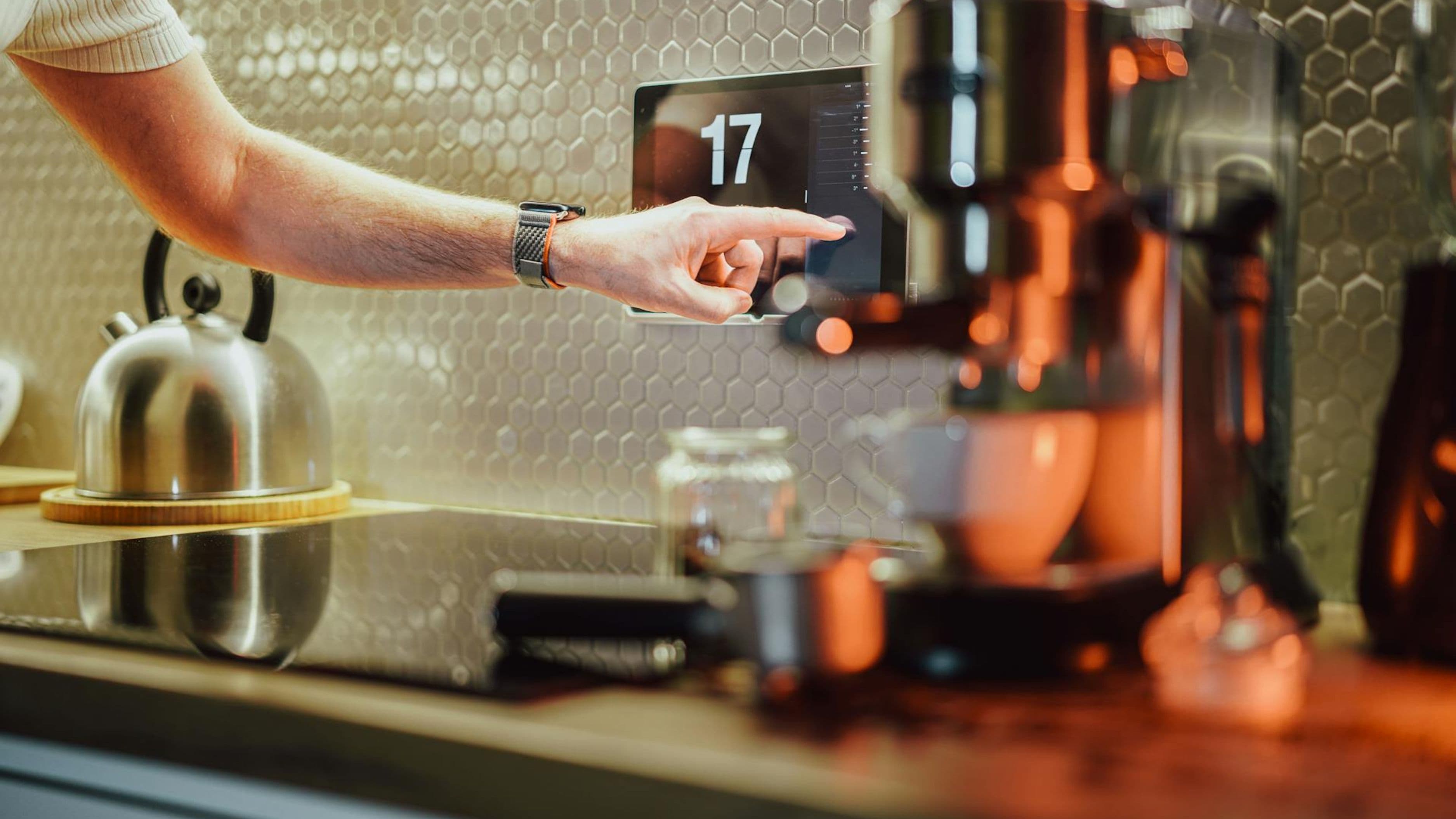
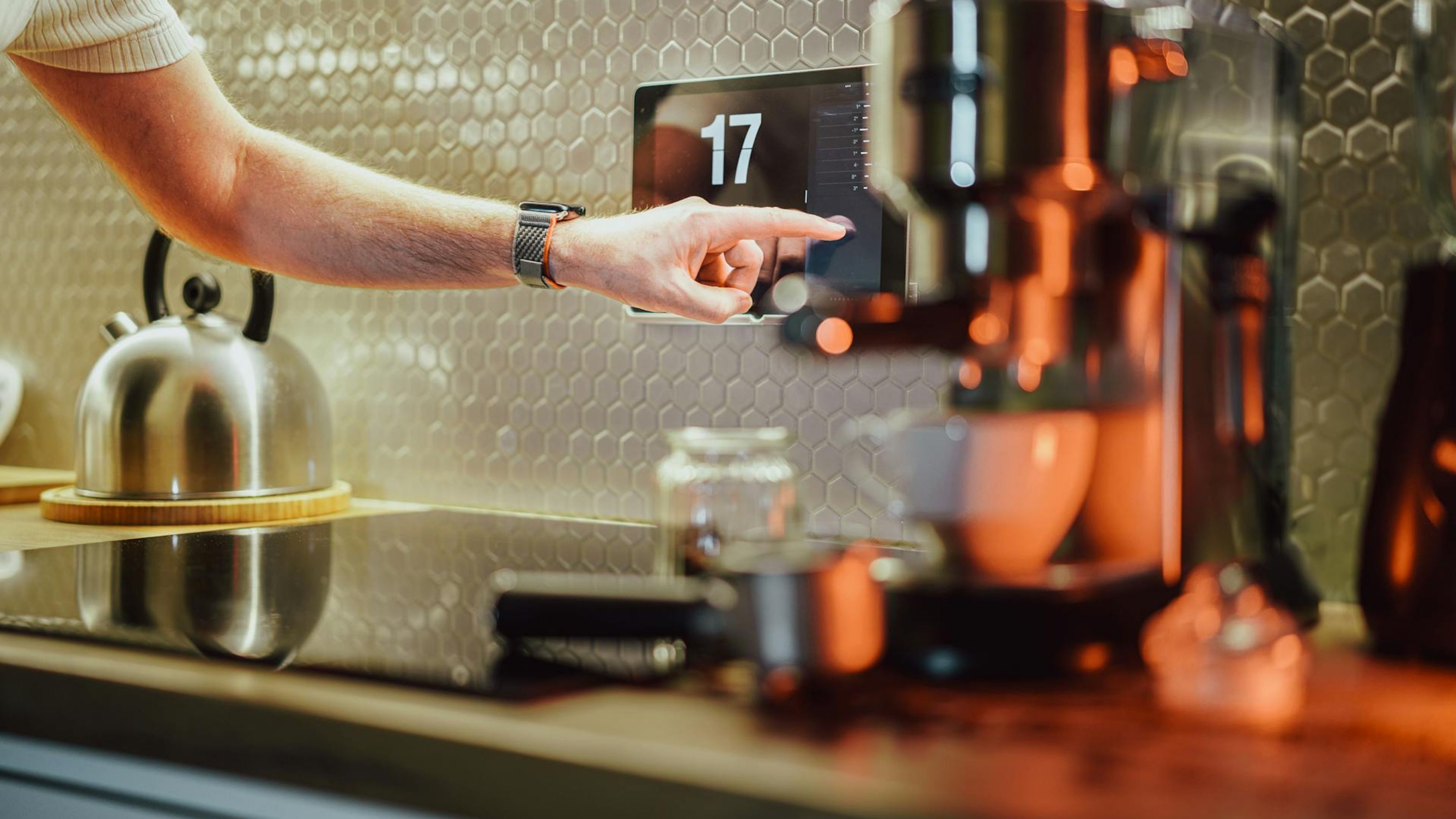
Tech reviewers universally praise devices like the Nest and Ecobee because they pay for themselves within 1-2 years through energy savings. These thermostats learn your schedule, automatically adjust when you're away, and can slash heating and cooling costs by up to 23%. The interface feels intuitive, the installation is surprisingly simple, and controlling your home's temperature from your phone when you're returning from vacation prevents that initial energy spike. Most importantly, you'll actually notice the difference on your utility bills every single month.
2. Smart locks eliminate the "did I lock the door?" panic
Reviewers consistently rank smart locks as life-changing, especially for anyone who's ever driven halfway to work wondering if they secured their home. Models like the August and Yale locks let you lock or unlock your door remotely, create temporary codes for guests or service providers, and receive alerts every time someone enters. The peace of mind alone justifies the $150-300 price tag, but the convenience of never fumbling for keys when your hands are full of groceries pushes these devices into essential territory.
3. Smart lighting creates ambiance without the hassle
Philips Hue and LIFX systems dominate reviewer recommendations because they transform how your home feels throughout the day. Set schedules that gradually brighten in the morning to wake naturally, dim automatically for movie nights, or flash red when your security system detects motion. The color-changing bulbs might seem gimmicky, but reviewers note they're perfect for setting the mood for entertainment—exactly what culturally curious readers crave when hosting watch parties or gaming sessions. Voice control through Alexa or Google means you never have to get up during that cliffhanger moment.
4. Video doorbells actually deter package thieves
Ring and Nest Hello devices consistently earn high marks because they solve a real modern problem: porch pirates. Tech reviewers love that these doorbells record continuously, let you speak to visitors from anywhere, and provide clear enough footage to identify faces and license plates. The subscription fees for cloud storage can add up ($3-10 monthly), but the ability to catch deliveries in real-time and ward off potential thieves makes these devices worth every penny according to long-term testing reviews.
The Overhyped Disappointments
5. Smart refrigerators are expensive Instagram machines
Nearly every tech reviewer warns against the $3,000-6,000 smart fridges with touchscreens and internal cameras. The technology sounds impressive—see inside your fridge from the grocery store, leave digital notes for family members, stream music while cooking—but in practice, the features feel half-baked and rarely get used after the novelty wears off. The cameras struggle with poor lighting, the touchscreens become slow and outdated quickly, and you're paying a massive premium for functionality your smartphone already handles better. Save thousands and buy a regular high-efficiency fridge instead.
6. Smart mirrors are solutions searching for problems
Reviewers almost universally pan bathroom mirrors with built-in displays showing weather, news, or your calendar. The concept seems futuristic, but the execution falls flat because the information isn't actually useful when you're brushing your teeth, and the displays often look washed out in bathroom lighting. At $500-2,000, these mirrors represent terrible value when your phone provides the same information more conveniently. The entertainment factor lasts about a week before you stop noticing the display entirely.
7. Smart pet feeders cause more stress than they solve
Tech reviewers caution against automatic pet feeders with cameras and scheduling apps because they're notoriously unreliable. The mechanisms jam frequently, the cameras have limited viewing angles, and Wi-Fi connectivity issues mean you might not know if your pet actually got fed. Pet owners report more anxiety checking if the feeder worked properly than they had just feeding their animals manually. Unless you travel constantly, the $100-300 investment creates more problems than it solves.
The Surprisingly Useful Middle Ground
8. Smart speakers are entertainment command centers
Amazon Echo and Google Nest speakers receive strong recommendations from reviewers not for their smart home control (though that's useful) but for how they transform entertainment consumption. Voice commands to play specific songs, podcasts, or streaming radio stations while you're cooking or cleaning beats fumbling with your phone constantly. The multiroom audio feature lets you carry music throughout your home seamlessly, perfect for parties or when you're moving between spaces. At $50-100, they're affordable enough to experiment with and powerful enough to become daily essentials.
9. Smart plugs turn dumb devices into smart ones
Reviewers call smart plugs the gateway drug of home automation because they're cheap ($15-30) and instantly gratifying. Plug your existing lamp, fan, or coffee maker into one, and suddenly you've got voice control and scheduling without buying new appliances. Tech experts love these for holiday lights, creating the illusion someone's home when you're traveling, and eliminating phantom power draw from devices that consume electricity even when "off." They're the highest return-on-investment smart home purchase you can make.
10. Robot vacuums are worth it if you accept their limitations
High-end models from Roborock and iRobot earn qualified recommendations from reviewers who emphasize they're maintenance tools, not replacements for deep cleaning. They'll keep floors presentable between thorough vacuuming sessions, work brilliantly on hardwood and tile, and some models now empty themselves into larger bins. The mapping technology has improved dramatically, so they navigate furniture efficiently and you can schedule cleaning while you're binge-watching the latest streaming phenomenon. Just don't expect perfection with thick carpets or pet hair, and you'll be satisfied with your $300-900 investment.
The Bottom Line From Tech Experts
Start small with proven winners like smart thermostats or plugs that solve specific problems in your daily routine. Tech reviewers emphasize that successful smart homes build gradually—one device at a time—rather than through expensive whole-home installations that overwhelm users with complexity. The best smart home features enhance your entertainment experience (imagine lights that sync with your movies) and simplify annoying tasks without requiring constant maintenance or troubleshooting. Skip anything that doesn't solve a real problem in your life, no matter how futuristic it sounds.
Pick one device from the "Clear Winners" section and try it this month. Watch how it changes your daily routine before expanding further. The smart home revolution isn't about having the most gadgets—it's about intentionally choosing technology that gives you more time for the entertainment and cultural experiences you actually care about. Momentum starts small, but the right smart home features can create surprising ripples throughout your entire living space.
📚 Sources
1. U.S. Department of Energy. (2024). "Thermostats." Energy Saver Guide. energy.gov/energysaver/thermostats
2. Parks Associates. (2024). "Smart Home Device Adoption and Consumer Satisfaction Survey." Consumer Technology Research.
3. Pew Research Center. (2023). "Americans' Views on Home Automation and Connected Devices." Technology and Home Life Survey.