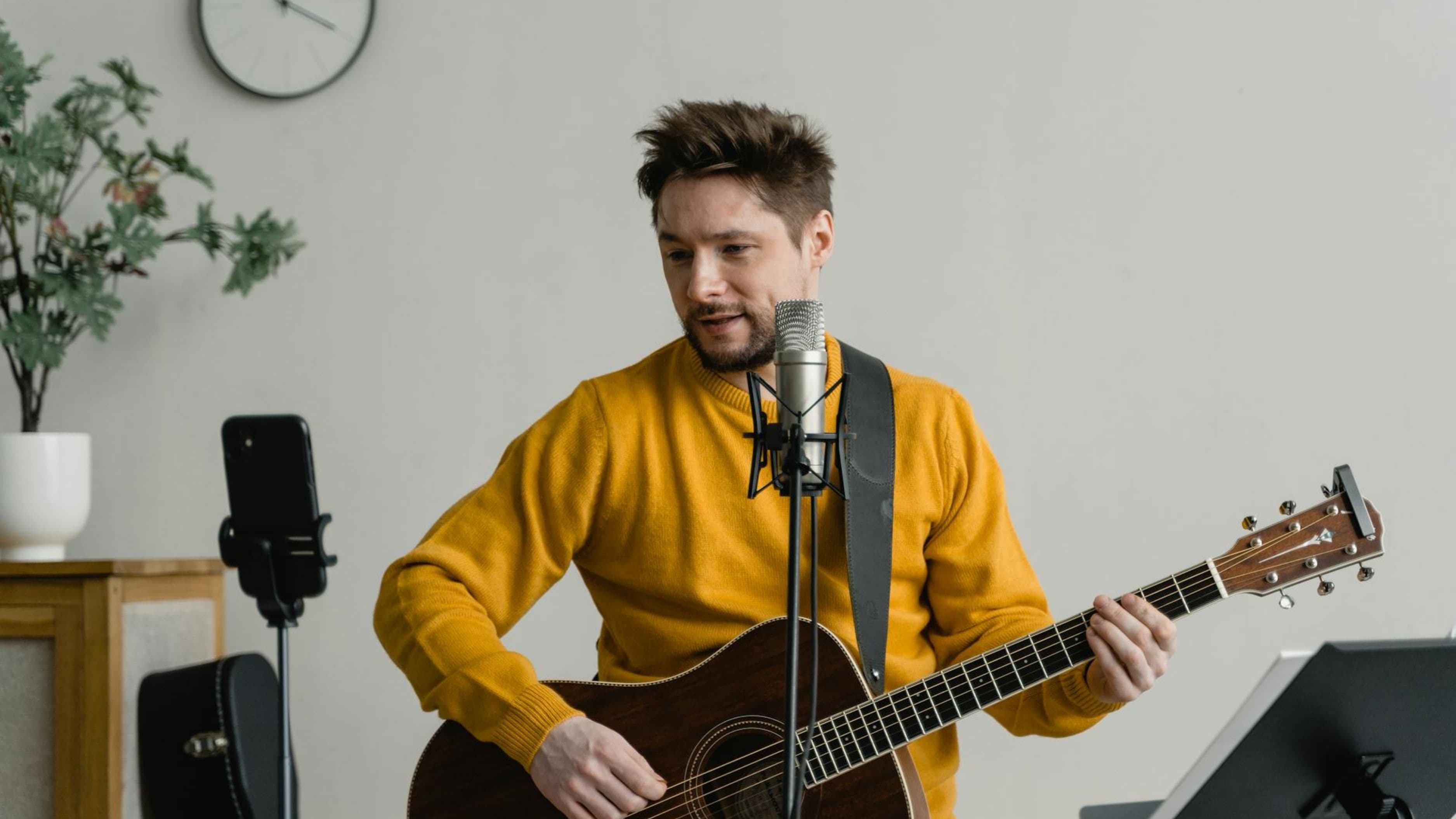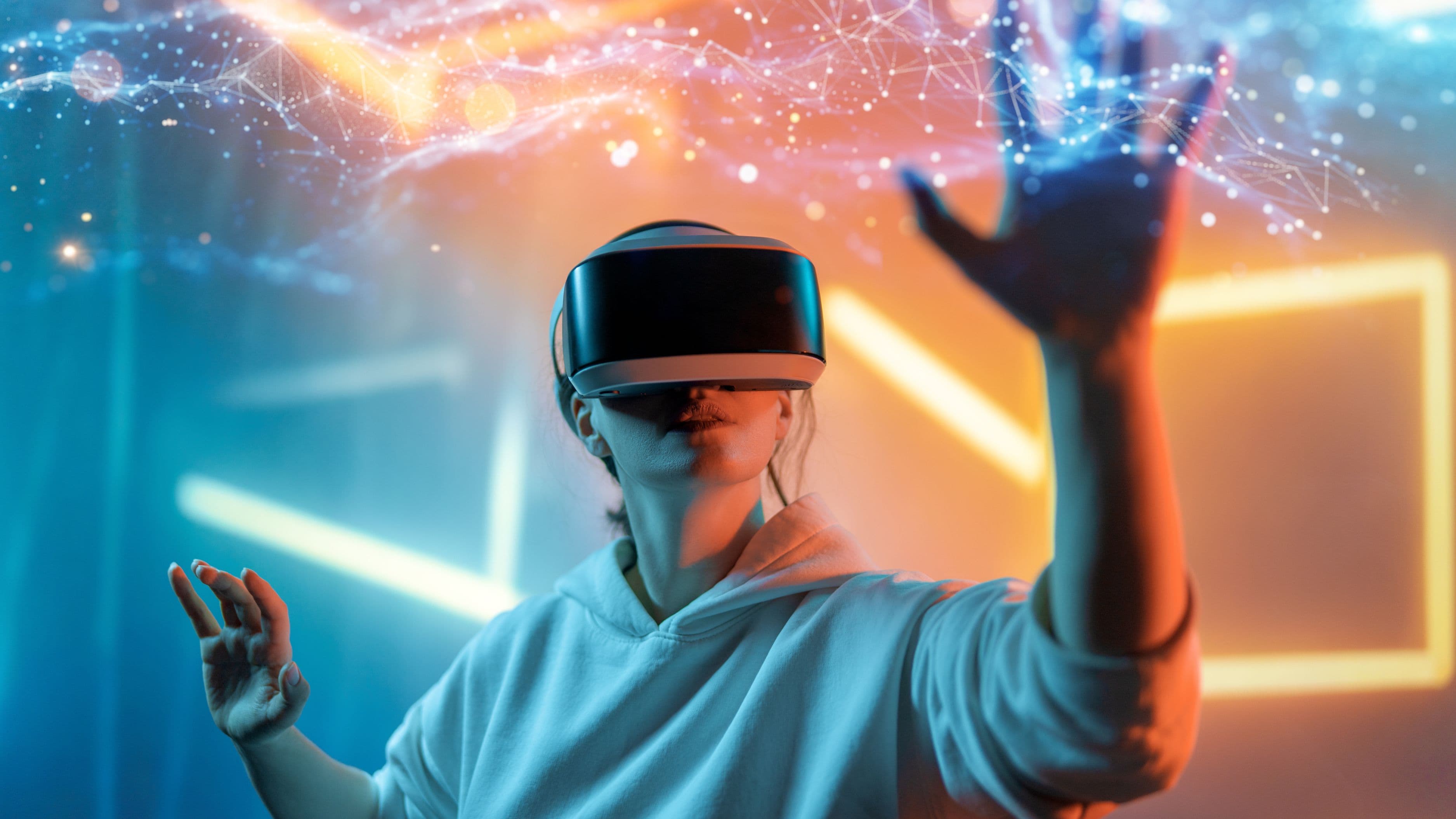



The entertainment industry has long worshiped at the altar of in-person collaboration. Writers' rooms buzzing with caffeine-fueled banter. Recording studios where musicians lock eyes across soundproofed walls. Film sets where directors huddle with cinematographers, adjusting shots in real-time. Yet somewhere between 2020's forced digital pivot and today's hybrid reality, something unexpected happened: remote tools didn't just replicate the old way of working — they fundamentally transformed it. The screens that were supposed to be temporary band-aids became permanent portals to new creative possibilities.
Myth: You Need Everyone in One Room to Create Great Content → Truth: Geography Is Now Optional, Talent Isn't
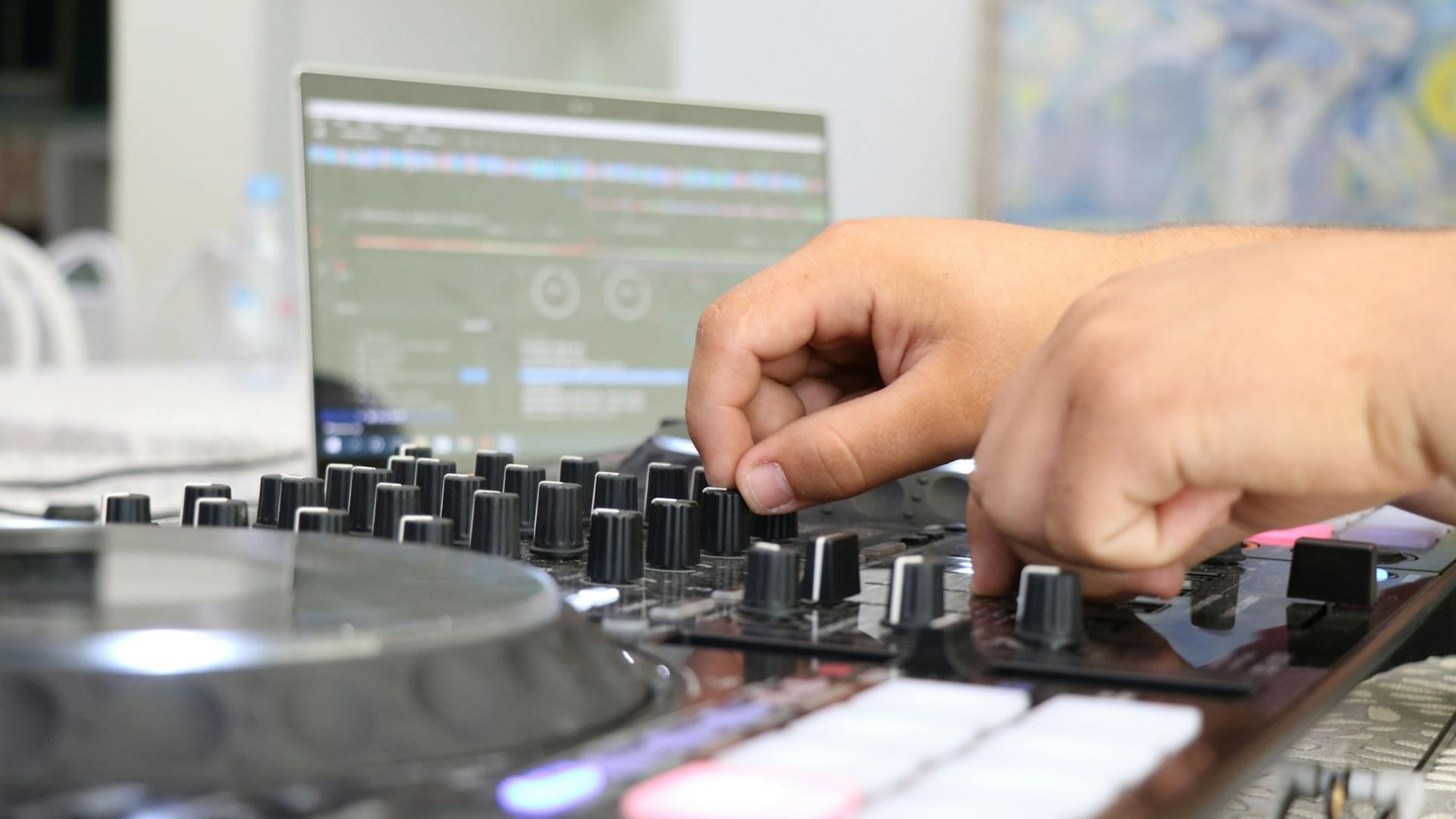
The old gatekeepers insisted that real collaboration required proximity. If you couldn't afford to relocate to Los Angeles, Nashville, or New York, your dreams stayed local. Remote collaboration tools obliterated that barrier overnight. Now, a showrunner in Vancouver can develop a series with writers in Lagos, Mumbai, and São Paulo without anyone booking a flight. A music producer in Seoul can layer vocals from a singer in Rio while a mixer in Berlin polishes the final track — all before lunch.
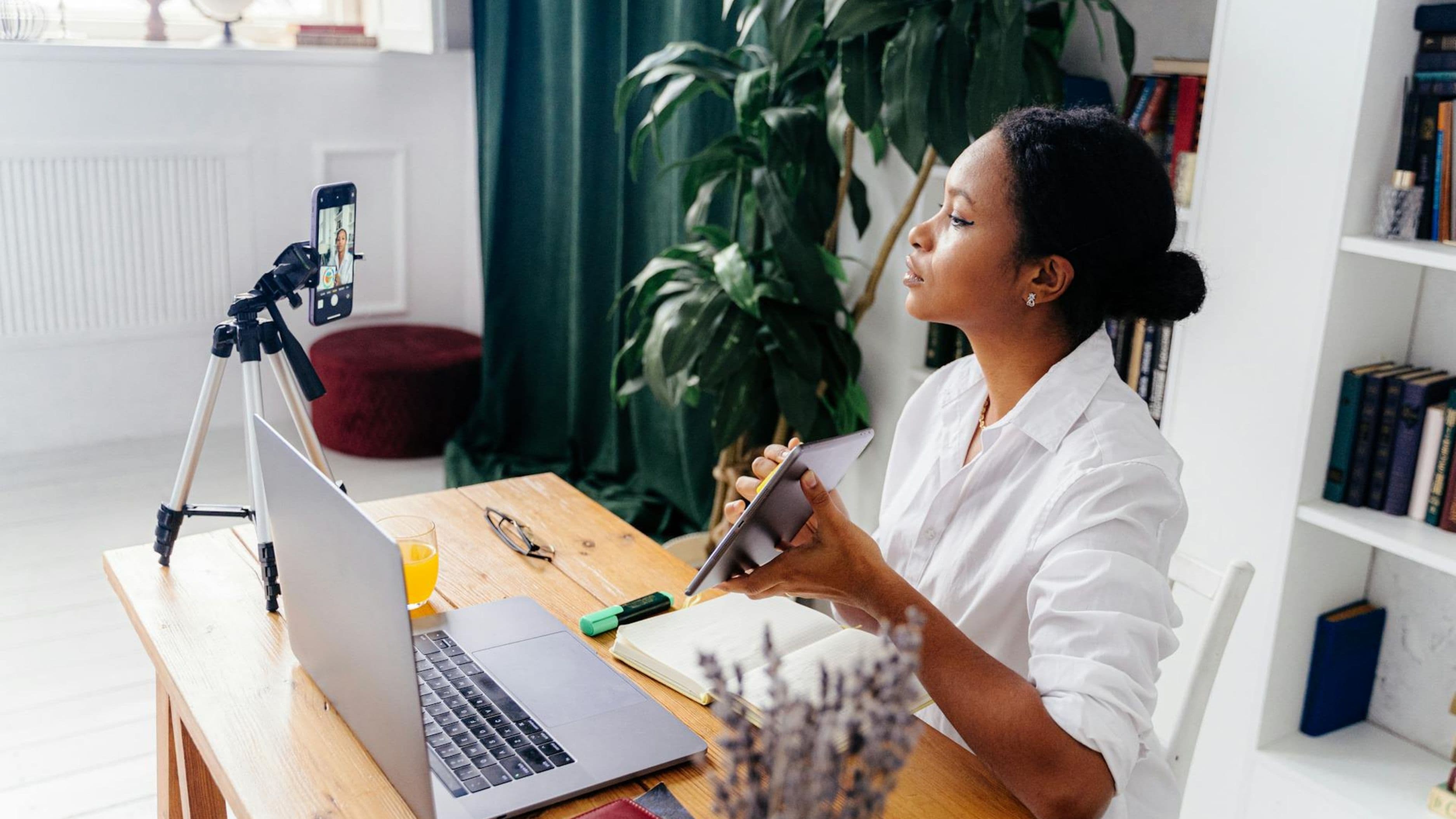
This isn't just convenient; it's revolutionizing who gets to participate in entertainment creation. Platforms like Frame.io allow film editors to share cuts with directors across time zones, with frame-accurate comments appearing like digital sticky notes. Composers use Soundtrap and BandLab to build orchestral scores with musicians they've never met face-to-face. The result? Entertainment that reflects genuinely global perspectives rather than the limited viewpoints of whatever talent happened to live near industry hubs. When geography becomes irrelevant, the talent pool becomes infinite.
Myth: Remote Work Kills Spontaneity → Truth: Digital Tools Capture Lightning in New Ways
Critics mourned the death of spontaneous creativity when Zoom replaced conference rooms. They worried that scheduled video calls would murder the serendipitous hallway conversations where golden ideas supposedly lived. But they fundamentally misunderstood how digital collaboration actually works. Tools like Miro and Figma don't just facilitate meetings — they create persistent, always-accessible creative spaces where ideas can simmer and evolve asynchronously.
Consider how television writers' rooms now operate. Using platforms like Slack integrated with scriptwriting software, writers drop ideas, jokes, and character beats into shared channels at 2 AM when inspiration strikes, rather than waiting for Tuesday's 10 AM meeting. Their collaborators across different time zones wake up to a buffet of raw material, building on each other's thoughts in layered conversations that would be impossible in traditional linear discussions. The spontaneity hasn't disappeared — it's multiplied across 24-hour creative cycles. Animation studios using SyncSketch can have artists in different hemispheres iterating on character designs continuously, with each time zone adding refinements like a creative relay race. The lightning still strikes; it just illuminates more sky.
Myth: Remote Collaboration Is Cheaper but Lower Quality → Truth: It's Actually Unlocking Premium Production Value
When remote tools first proliferated, skeptics dismissed them as cost-cutting measures that would inevitably compromise quality. The assumption was simple: distributed teams using consumer-grade technology couldn't possibly match the polished output of traditional studios with professional equipment. That assumption aged like milk in summer sun. Today's remote collaboration tools don't just match studio quality — they often exceed it by democratizing access to professional-grade resources.
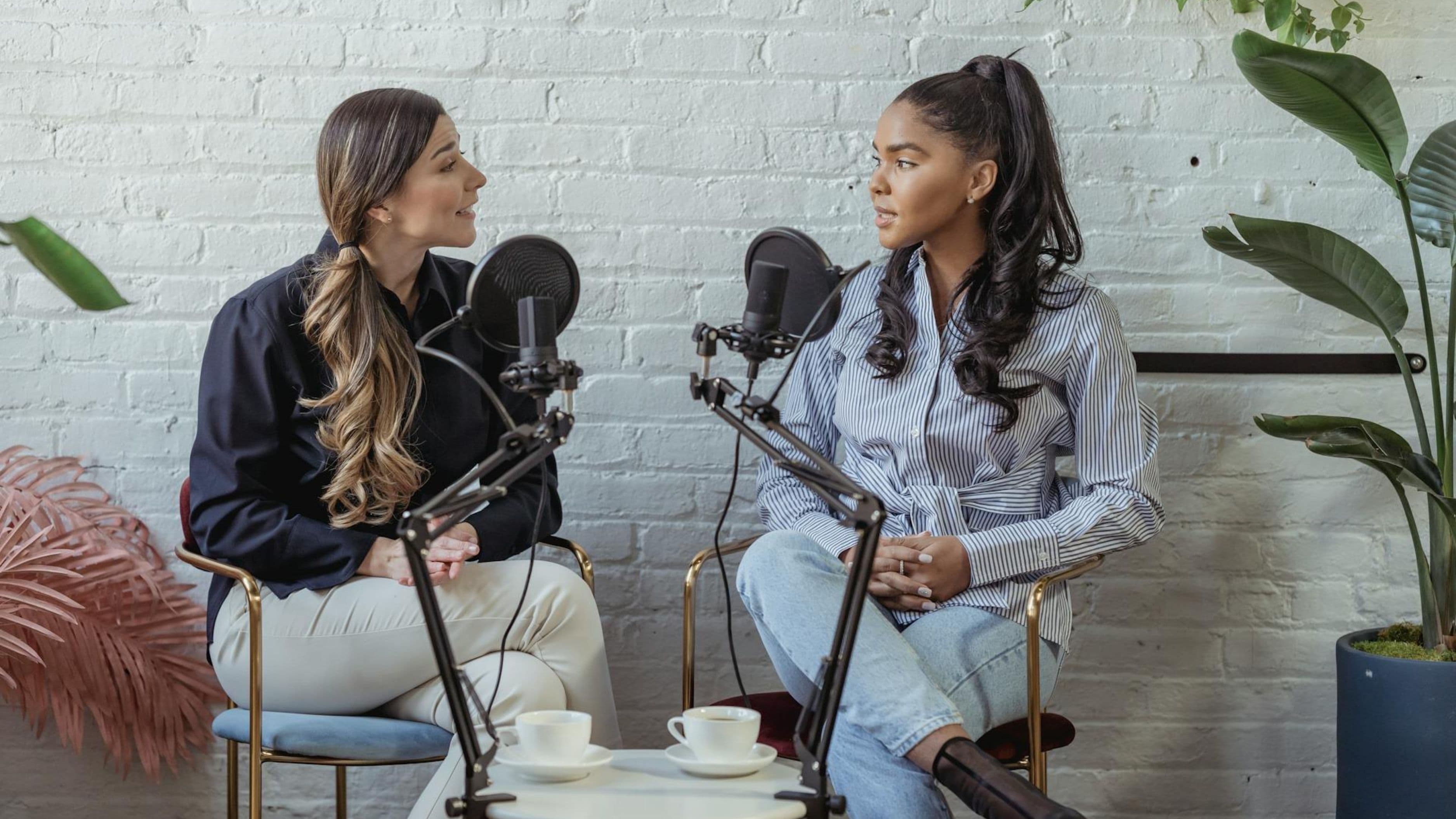
Cloud-based color grading through platforms like DaVinci Resolve Studio enables indie filmmakers to access the same tools used on Marvel blockbusters, with colorists collaborating remotely on projects they'd never have access to under the old studio system. Virtual production tools like Unreal Engine allow directors to preview and refine CGI environments in real-time with VFX teams scattered across continents, making decisions that previously required months of back-and-forth. Even audio production has transformed: podcast networks now operate entirely remotely, with hosts recording in home studios that rival NPR's sound quality, while producers and sound designers polish episodes from wherever inspiration finds them. The democratization of professional tools hasn't lowered the bar — it's raised the ceiling for what's possible outside traditional production infrastructure.
Myth: In-Person Sets Are Irreplaceable → Truth: Hybrid Models Are Creating New Production Paradigms
The most persistent myth is that cameras, lights, and actors must physically coexist on expensive sound stages. While principal photography often still requires physical presence, remote tools are radically reshaping everything around those shoots. Directors can now conduct casting sessions with actors on different continents through platforms like Casting Networks, watching hundreds of auditions without anyone traveling. Pre-production meetings involving costume designers, set decorators, and producers happen in virtual spaces where 3D models of sets can be walked through and modified instantly.
Post-production has become almost entirely location-agnostic. Editors work from home studios, sharing cuts with directors who might be scouting locations for their next project halfway across the world. Visual effects artists render scenes on cloud servers, collaborating through tools like ShotGrid (formerly Shotgun) that track every asset and revision across distributed teams. Even the most ambitious projects — the kind that used to require everyone camped at a studio lot for months — now operate with skeleton crews on-site and armies of specialists contributing remotely. The result isn't a compromise between remote and in-person work; it's a hybrid model that cherry-picks the best of both worlds, using physical space only when presence genuinely adds value.
Myth: Technology Replaces Human Connection → Truth: The Right Tools Actually Deepen Creative Relationships
Perhaps the most damaging myth is that screens create barriers between collaborators, reducing rich human interaction to pixelated faces in Brady Bunch grids. This fundamentally misreads how creative relationships actually form and deepen. The tools don't replace connection — they remove the friction that previously prevented many meaningful collaborations from happening at all.
Musicians who spent decades never finding the right collaborators in their geographic area can now build deep creative partnerships with kindred spirits discovered through SoundCloud or Splice. Documentary filmmakers partner with fixers, translators, and local cinematographers in countries they're covering, building trust through consistent communication on platforms like WhatsApp and Telegram long before anyone gets on a plane. Animation collaborators using Toon Boom Harmony work so seamlessly across borders that crew members often forget they haven't shared physical space. The depth of these relationships isn't measured by face-to-face hours but by shared creative vision, mutual respect, and the quality of work produced together. When geography and logistics stop being obstacles, people can actually focus on the relationship itself. The technology doesn't hollow out human connection — it reveals that connection was never really about proximity in the first place.
Let Go of "The Way It's Always Been Done"
The entertainment industry's transformation isn't waiting for permission. While traditionalists clutch their in-person protocols, a new generation of creators is building entirely different production models from the ground up. They're assembling global teams before they secure funding, producing award-worthy content from bedrooms and basements, and redefining what "professional" even means.
If you're still waiting for the "right connections" in your city, for the budget to bring everyone together, or for permission from gatekeepers who value proximity over talent — you're already behind. The tools exist right now to collaborate with the exact people you need, regardless of where they wake up each morning. The question isn't whether remote collaboration can create great entertainment. We're already watching it, streaming it, and obsessing over it. The only question left is whether you're ready to let go of outdated geography-based thinking and start making moves that actually work in this new creative landscape.
The future of entertainment isn't being made in Hollywood's traditional studios. It's being made everywhere, by everyone, all at once — connected not by postal codes but by shared vision and the digital tools that make distance irrelevant. Stop hustling to be in "the room where it happens." Build your own room, and invite the world inside.
📚 Sources
1. Frame.io - Collaborative Video Review Platform. Adobe, 2024.
2. "The State of Remote Work in Creative Industries." ProductionHUB Industry Report, 2024.
3. DaVinci Resolve Studio - Professional Color Grading Software. Blackmagic Design, 2024.
4. "How Virtual Production Is Changing Filmmaking." Unreal Engine Case Studies, Epic Games, 2024.
5. ShotGrid (formerly Shotgun) - Production Management Platform. Autodesk, 2024.