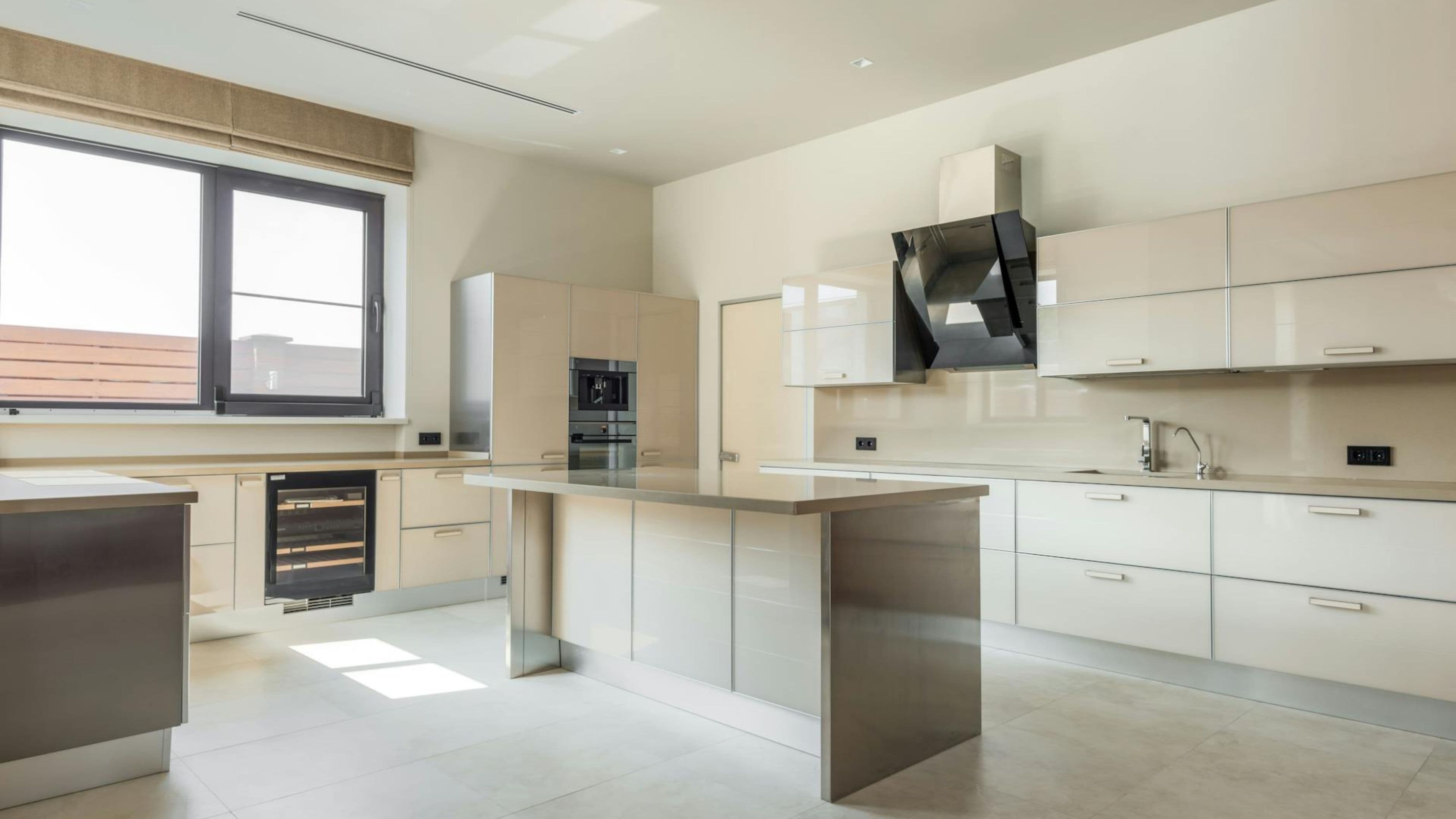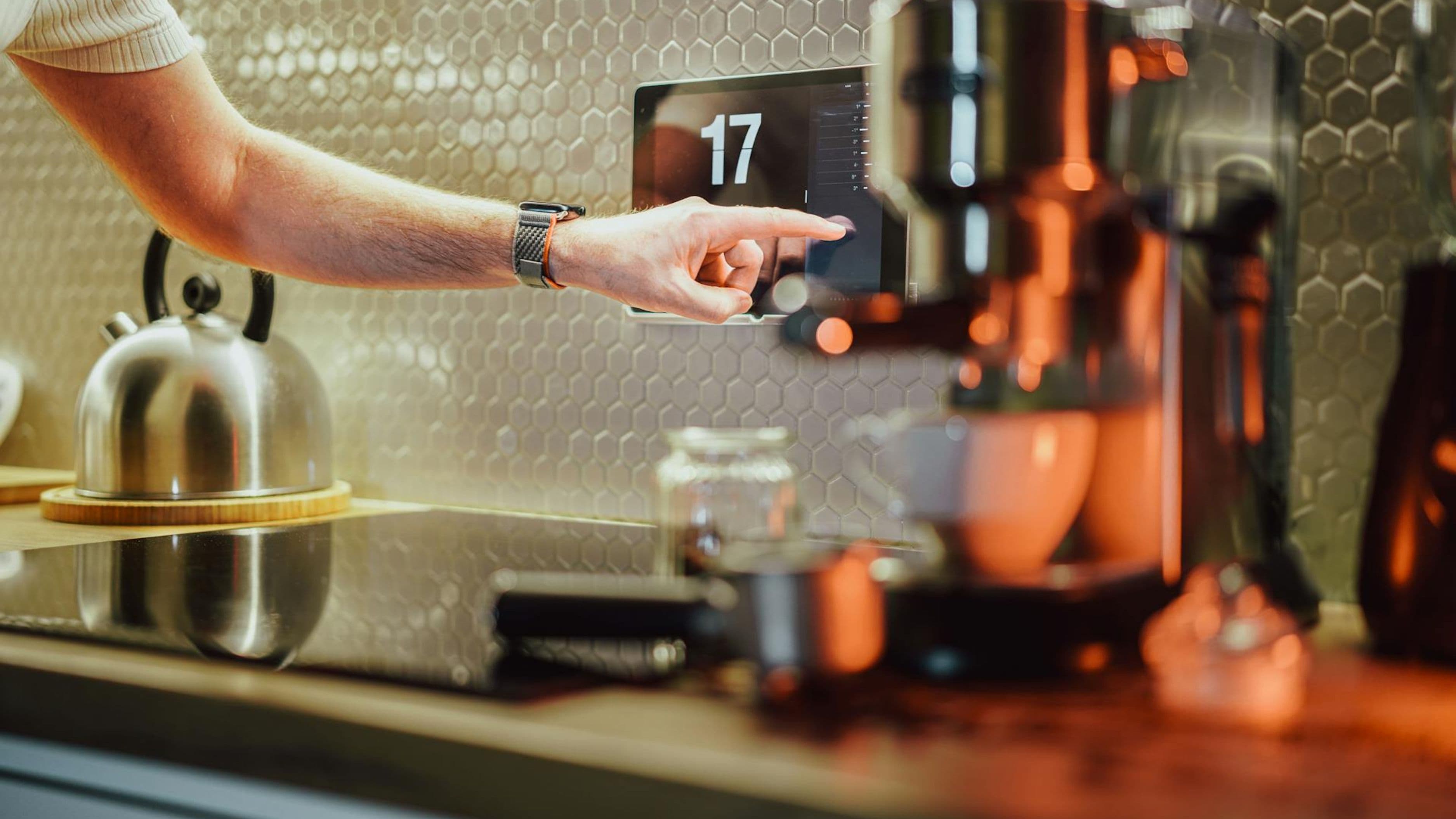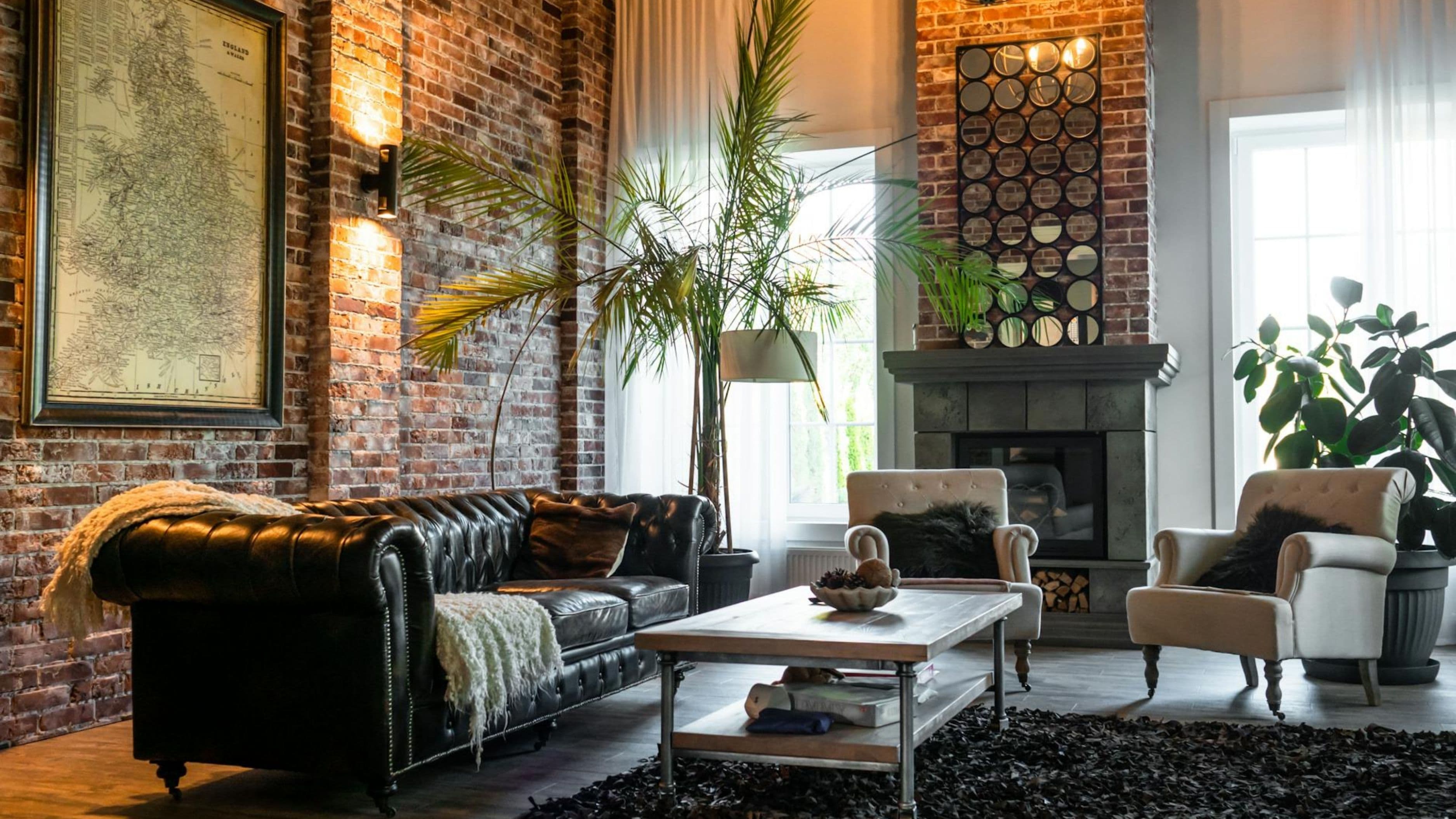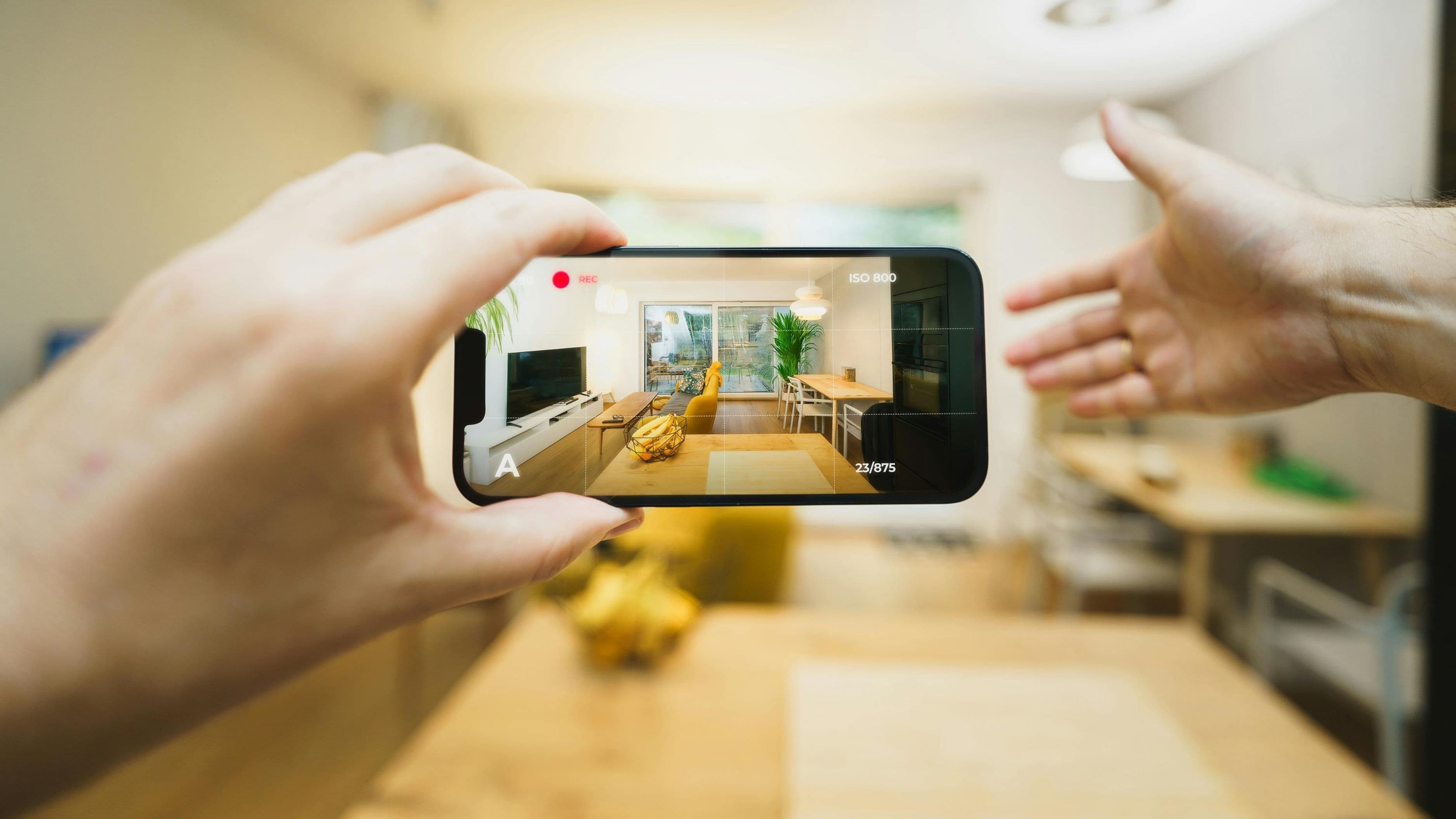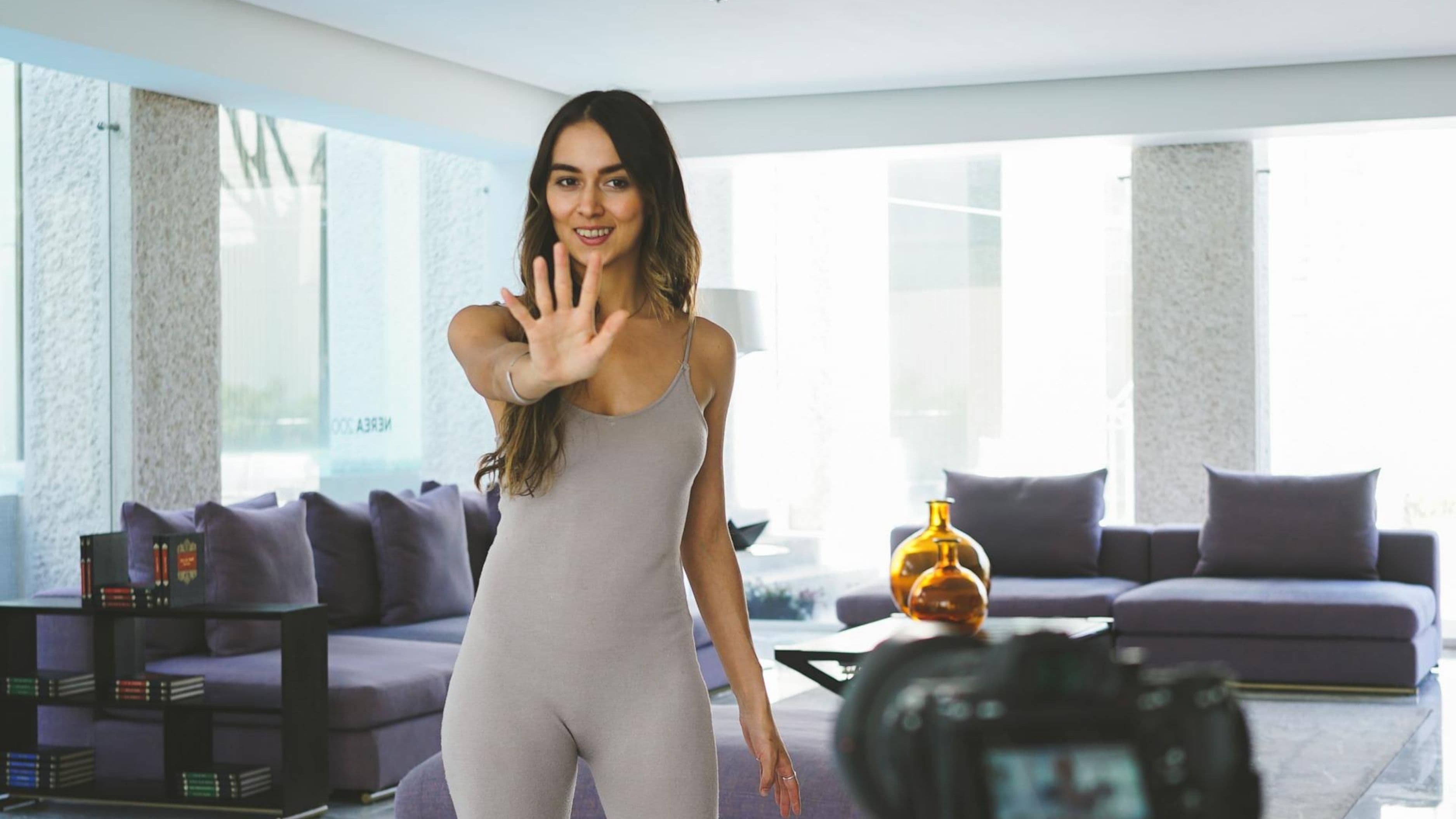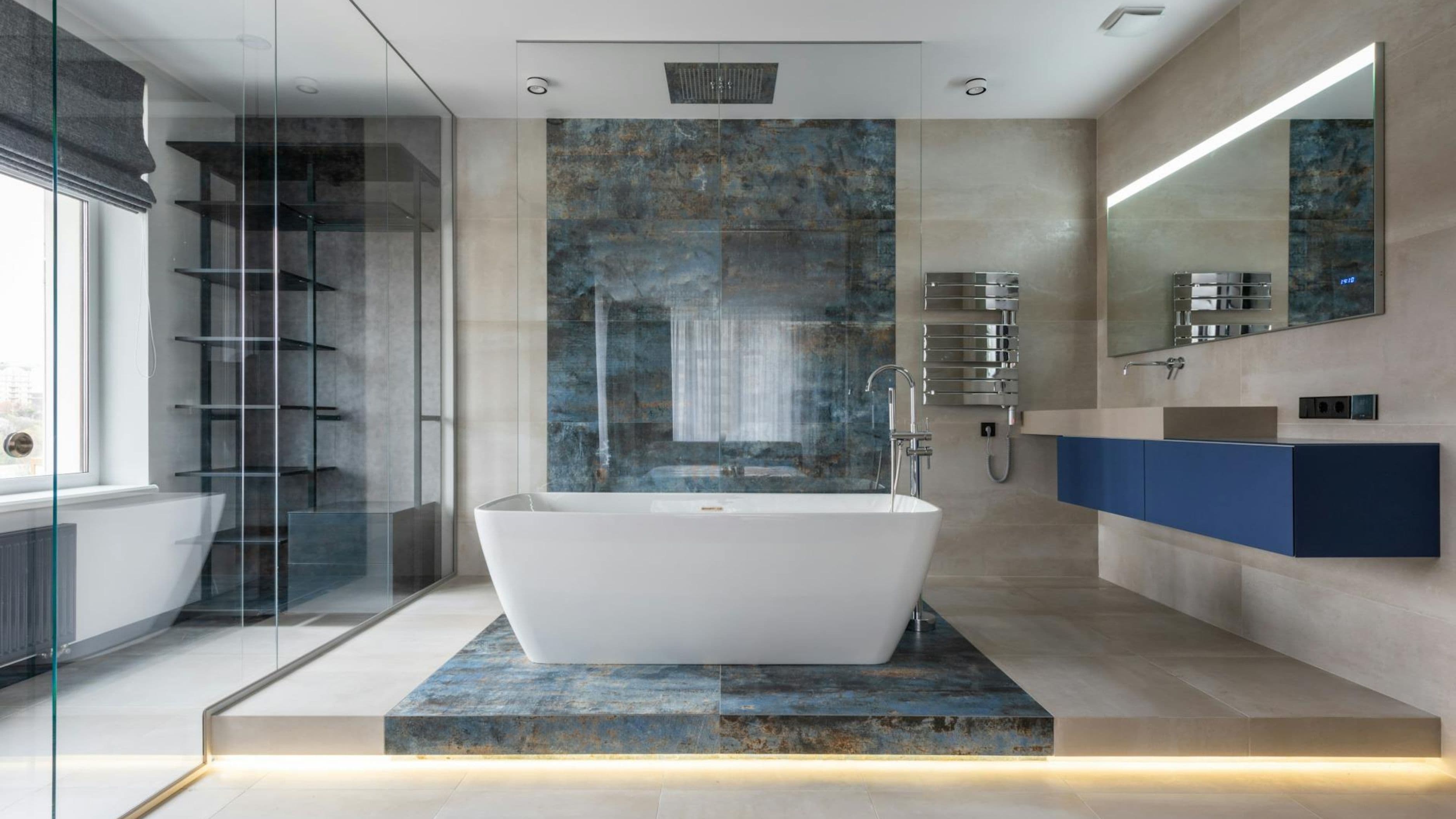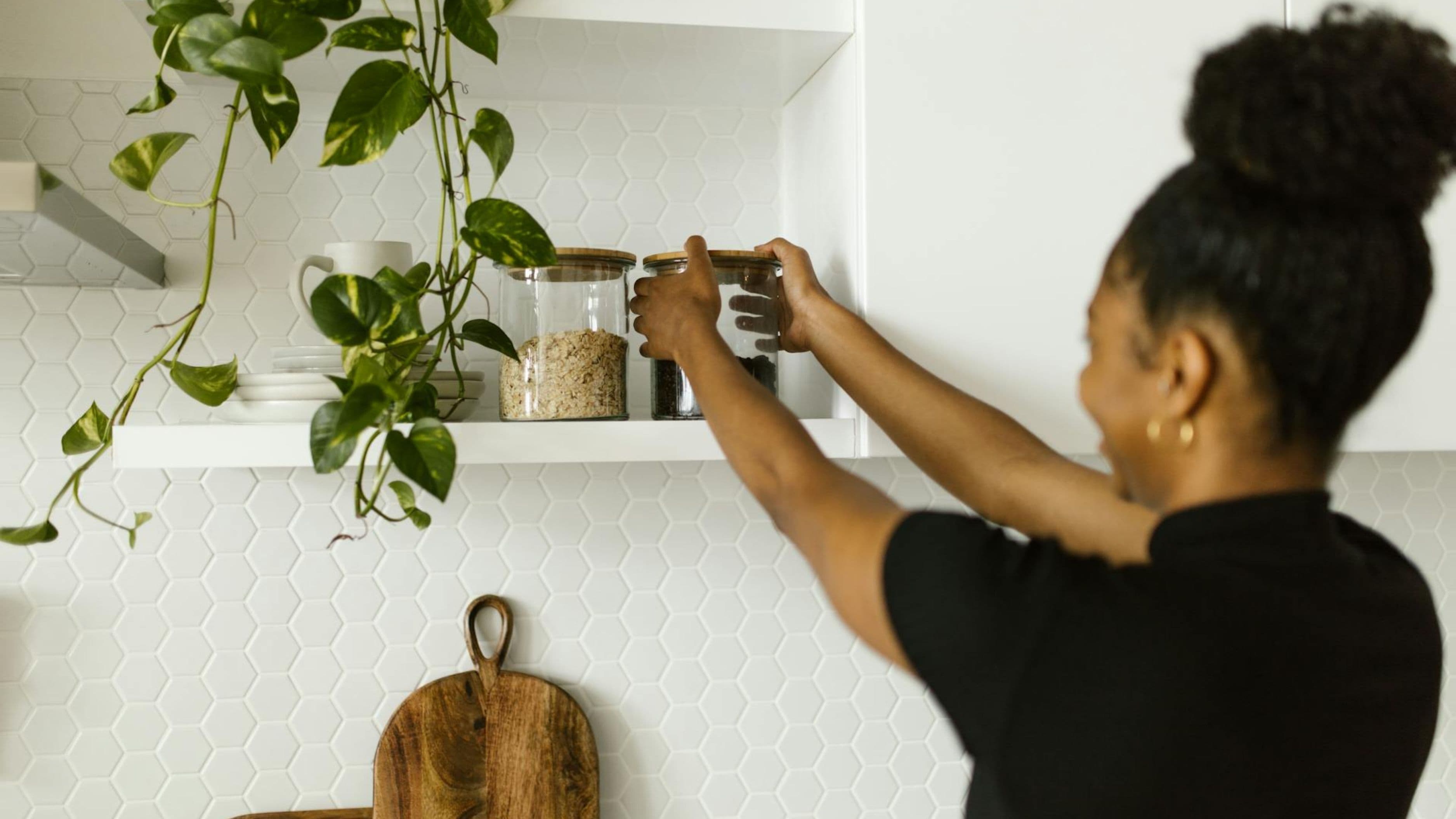

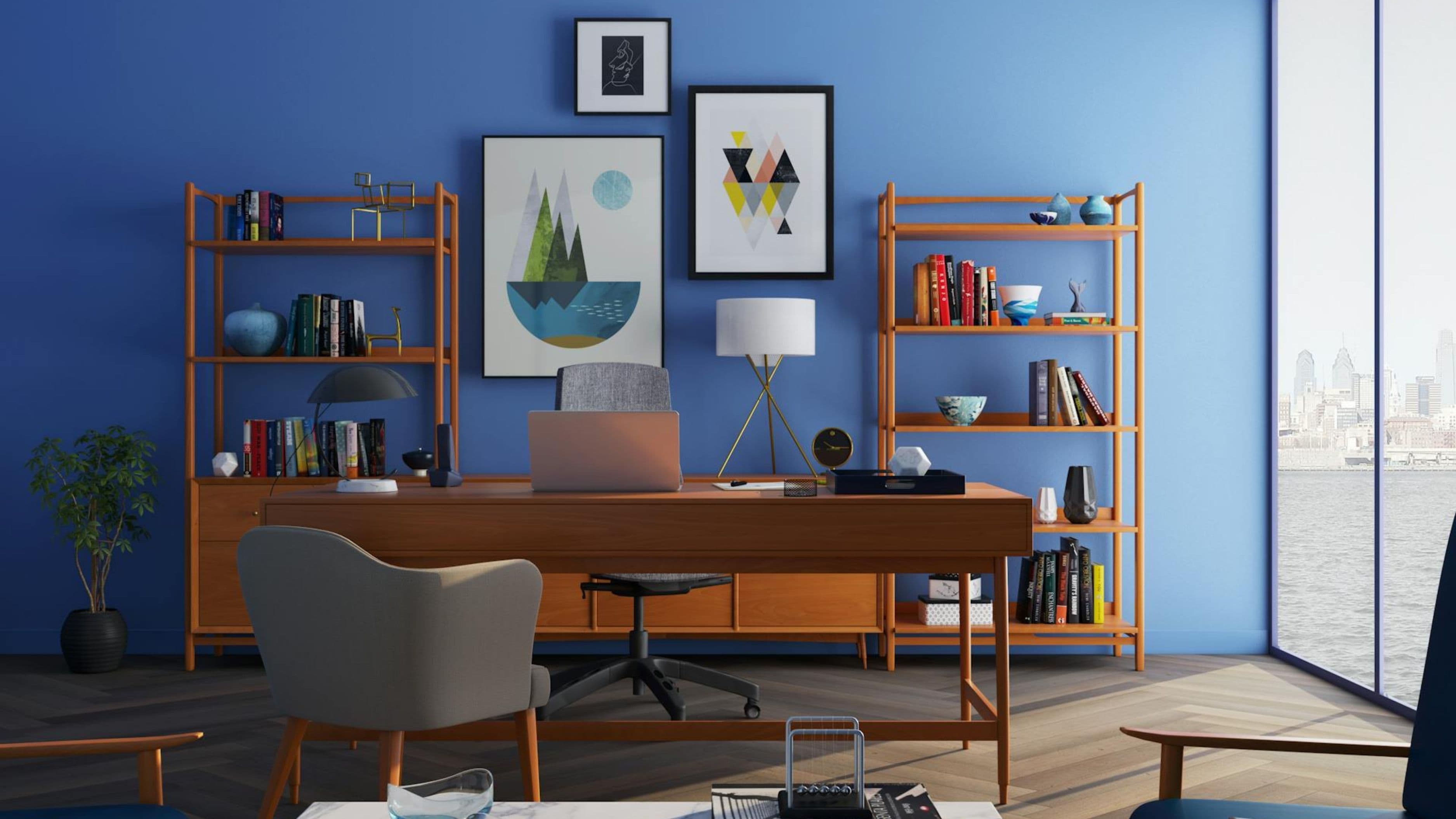
Social media hasn't just influenced how we decorate our homes; it's fundamentally rewired our entire relationship with interior design. What used to be the exclusive domain of professional decorators and glossy magazines has exploded into a democratized, hyperactive marketplace of ideas where a college student in Ohio and a design influencer in Copenhagen are shopping from the same algorithmic mood board. We're not just consuming decor content anymore—we're performing our taste, curating our spaces like Instagram feeds, and chasing trends that evaporate faster than morning dew.
1. The Death of Personal Style (And Its Weird Resurrection)
Walk into ten different apartments in any major city, and you'll likely see the same fiddle leaf fig tree, the same geometric wall art from Target, and the same cloud couch knockoff. This is the Pinterest paradox: platforms designed to inspire individuality have created a strange homogeneity. When everyone's pulling from the same visual database, our homes start looking like variations on a theme rather than expressions of genuine personality.
But here's where it gets interesting. The backlash has already begun. Gen Z is leading a counter-movement toward "chaotic maximalism" and "weird decor"—spaces that deliberately reject the clean, minimalist aesthetic that dominated Instagram for the past decade. They're mixing grandma's vintage finds with ironic thrift store treasures, creating spaces that are purposefully un-Instagrammable. The algorithm giveth, and the algorithm gets rebelled against.
The shift reflects a deeper exhaustion with performative living. When your home becomes content, when every corner needs to be camera-ready, something essential gets lost. The most human spaces are often the messiest, the most lived-in, the ones that would never make it past the first scroll.
2. Trend Cycles Are Moving at Warp Speed
Remember when design trends lasted years, maybe even decades? Those days are ancient history. Millennial pink had its moment and faded. Farmhouse chic rose and fell. Now we're cycling through "coastal grandmother," "Barbiecore," and "quiet luxury" aesthetics so quickly that by the time you've bought the throw pillows, you're already behind.
This acceleration is exhausting both our wallets and the planet. Fast furniture has become the new fast fashion, with companies churning out cheap versions of whatever's trending this week. That viral rattan mirror? Available on Amazon in twelve hours, made with questionable labor practices and materials that'll last maybe eighteen months. We're decorating disposably, treating our homes like outfit changes.
The economic implications are staggering. According to research from the Harvard Joint Center for Housing Studies, Americans spent over $472 billion on home improvements and decorating in 2023, a significant portion driven by social media trends. We're not just keeping up with the Joneses anymore—we're keeping up with thousands of anonymous influencers whose "authentic" spaces are often sponsored content in disguise.
3. DIY Culture Has Exploded (For Better and Worse)
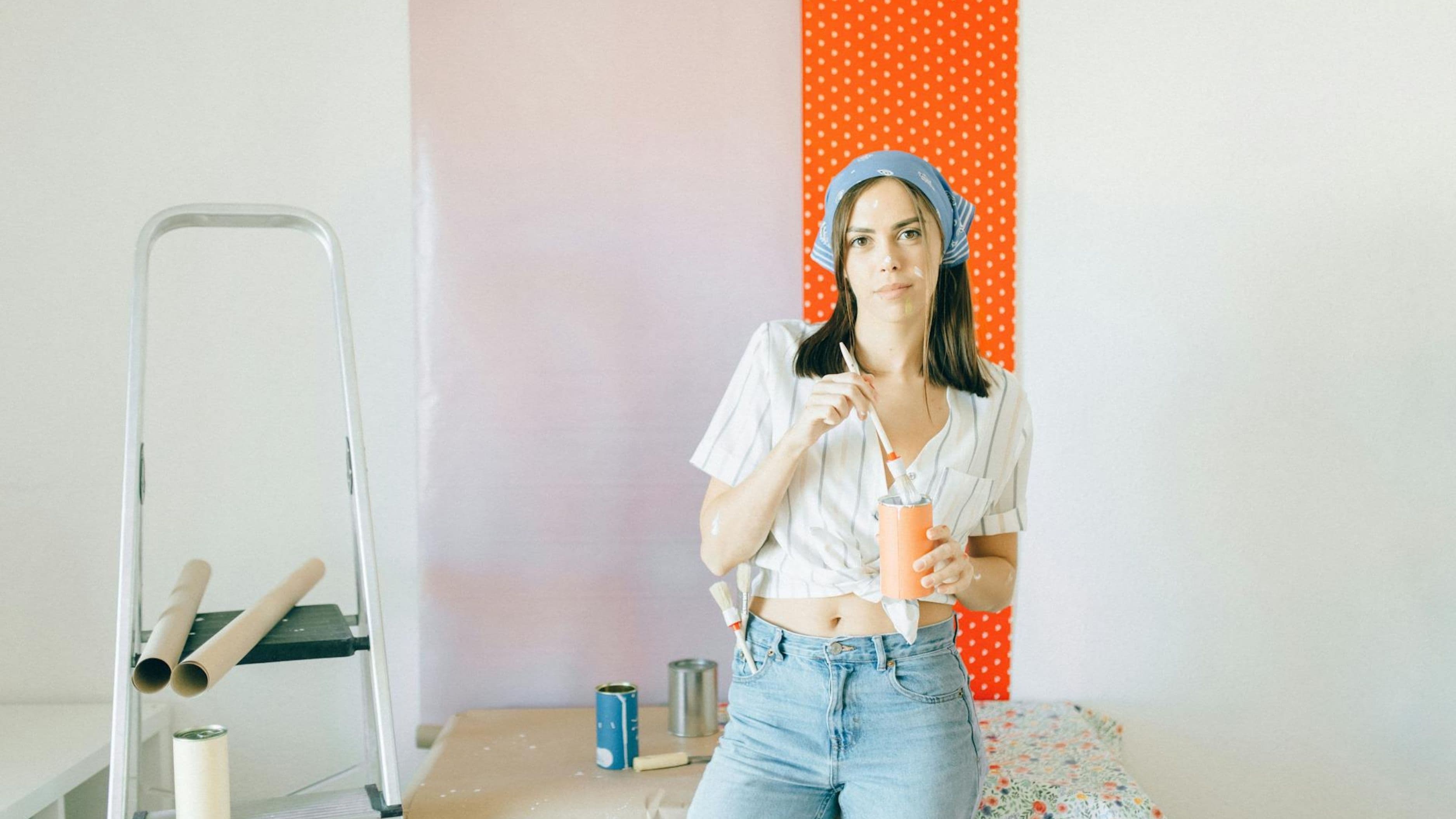
Instagram and Pinterest have transformed millions of people into amateur interior designers. The platforms offer instant access to tutorials, hacks, and before-and-after transformations that make everything look achievable. Need to refinish a dresser? There are 47,000 posts showing you how. Want to create a gallery wall? Here's a template, measurements included.
This democratization has genuinely empowered people who couldn't afford professional designers. Single mothers are learning to tile their own bathrooms. College students are upcycling furniture instead of buying new. The knowledge-sharing aspect represents something beautiful about social media at its best—collective wisdom freely exchanged.
But the platforms also create unrealistic expectations about skill, time, and cost. Those satisfying 30-second transformation videos conveniently edit out the six hours of sanding, the three trips to Home Depot, and the mistakes that required starting over. The comments section fills with "this is so easy!" while countless people feel inadequate when their attempts don't match the polished final product. The highlight reel culture extends beyond our personal lives into our creative capabilities.
4. Small Spaces Have Become Content Gold
Tiny apartment tours rack up millions of views. Studio apartment transformations go viral. There's an entire ecosystem of content dedicated to maximizing small spaces, and it's changed how we think about square footage. Suddenly, having a small space isn't a limitation—it's an aesthetic challenge, a constraint that sparks creativity.
This shift matters because it reflects changing economic realities. As housing costs soar and younger generations struggle with affordability, social media has reframed small-space living as aspirational rather than unfortunate. The 400-square-foot Brooklyn studio isn't just what you can afford—it's cozy, it's minimalist, it's intentional living. The narrative work these platforms do is as significant as the design work.
Platform algorithms favor transformation content, which means small spaces naturally perform well. The dramatic before-and-after is more compelling in a compact apartment than a sprawling suburban home. This has inadvertently created valuable resources for people who need them most, even as it sometimes glosses over the privilege required to "do small space living right."
5. Color Trends Now Have Expiration Dates
There was a time when choosing a paint color meant living with that decision for years. Now? Colors trend and fade like pop songs. Sage green had its season. Terracotta had its moment. Navy blue came and went. We're treating our walls like temporary canvases, repainting to match whatever aesthetic is currently flooding our feeds.
Paint companies have caught on. Sherwin-Williams and Benjamin Moore now release "colors of the year" with accompanying social media campaigns, partnering with influencers to showcase their picks. What was once a slow-moving industry has embraced the speed of digital trend cycles. They're not just selling paint anymore—they're selling transformation, newness, the promise that the right shade of beige will make your life feel different.
The psychological toll of constantly shifting aesthetics shouldn't be underestimated. There's a low-grade anxiety that comes with feeling like your space is "outdated" after just months or years. We've internalized the message that our homes should evolve as quickly as our Instagram feeds, creating a perpetual state of incompleteness.
6. Shopping Has Become Seamless (And Dangerously Easy)
Instagram's shopping features have collapsed the distance between inspiration and transaction. See a lamp you like? Tap the tag, buy it immediately. Pinterest's shopping ads feel less like advertising and more like helpful suggestions. The platforms have perfected the art of turning aspiration into impulse purchase.
This frictionless commerce has changed not just how we shop, but how we conceptualize our spaces. We're constantly in acquisition mode, scrolling and mentally shopping even when we're not actively looking to buy anything. Our homes become works-in-progress, never quite finished because there's always something new to add, swap, or upgrade.
The environmental impact is sobering. The UN Environment Programme estimates that the furniture industry contributes up to 5% of global carbon emissions, with fast furniture from social media trends accelerating waste. That trendy piece you bought because it matched an Instagram aesthetic? Statistically, it'll end up in a landfill within a few years, replaced by whatever trend comes next.
7. Authenticity Has Become the Ultimate Currency
In reaction to overly curated content, there's been a significant shift toward "real home" content. People are sharing their messy counters, their unfinished projects, their spaces that aren't perfectly styled. Hashtags like #realhomes and #messyhomeclub have millions of posts celebrating imperfection.
This trend represents a healthy correction, a collective exhale after years of aspirational pressure. But it also raises questions about what counts as "authentic" when authenticity itself becomes a brand. Some influencers carefully curate their "messy" content, strategically placing that coffee mug or rumpled throw blanket to signal relatability. We've created a meta-game where even our rejection of perfectionism gets performed.
The most interesting spaces emerging now blend both impulses—they're visually appealing enough to photograph but lived-in enough to feel human. They tell stories about the people who inhabit them rather than showcasing products. The pendulum is swinging, however slowly, toward substance over style.
The Beautiful Chaos of It All
Standing in my living room now, surrounded by both successful projects and spectacular failures, I've made peace with the Pinterest chaos. That terracotta vase? It never did turn out right, but the process taught me something about my own limitations and preferences. My space is an evolving experiment, influenced by but not enslaved to the algorithm.
Social media has given us unprecedented access to ideas, inspiration, and resources. It's connected us to global design movements and empowered creative expression. But it's also accelerated consumerism, heightened comparison culture, and sometimes made us forget that homes are meant to be lived in, not performed. The key is finding balance—taking inspiration without losing yourself, scrolling with intention rather than obligation, and remembering that the best spaces are the ones that serve your actual life, not your imagined feed. Your home doesn't need to be Instagram-worthy. It needs to be yours.
📚 Sources
1. Harvard Joint Center for Housing Studies. (2023). "Improving America's Housing 2023." Harvard University.
2. UN Environment Programme. (2023). "Sustainability in the Furniture Industry: Challenges and Opportunities."