


Comparison Overview
OLED and LED/QLED TVs differ primarily in how they produce light and color. OLED panels light each individual pixel independently, allowing true black levels since a pixel can turn completely off, while LED and QLED TVs rely on a backlight shining through a liquid crystal layer, meaning even the darkest scenes have some light bleeding through. This fundamental difference shapes most of the real-world picture quality gap between the two.
OLED: What It Actually Does Better
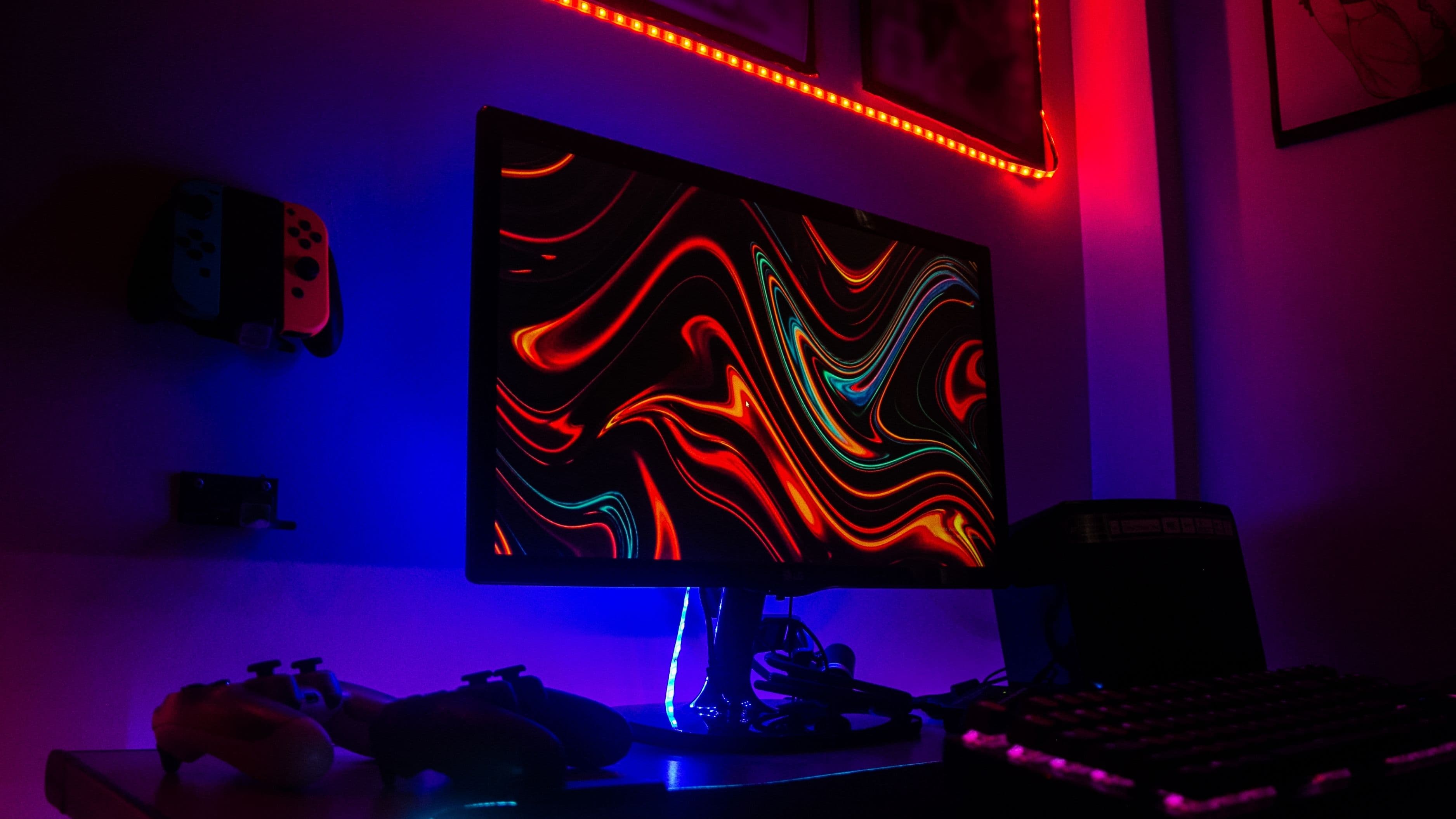
OLED's biggest advantage for streaming is contrast, specifically in dark or mixed-lighting scenes. Because each pixel can turn off individually, OLED produces genuinely true blacks with no glow or haze around bright objects on a dark background, which is a meaningful visual difference in dimly lit movies, night scenes, and dark sci-fi or fantasy shows that make up a large chunk of popular streaming content. Viewing angles are another real strength, since OLED maintains consistent color and contrast even when watching from an angle, which matters if your living room seating isn't perfectly centered on the TV.
Cost: Higher, often $300 to $800+ more than a comparable LED or QLED model at the same screen size.
Limitations: OLED panels are generally less bright at their peak than high-end QLED models, which can matter in a very bright room with a lot of natural light, and OLED has historically carried some risk of burn-in with static images displayed for extended periods, though modern OLED TVs include pixel-shifting and other protections that have significantly reduced this risk for normal streaming use.
LED/QLED: Where It Holds Up Well
Modern QLED TVs, which add a quantum dot layer to a traditional LED backlight, have closed much of the color and brightness gap with OLED, particularly in well-lit rooms where their higher peak brightness is a genuine advantage. For most streaming content watched in a normally lit living room, rather than a fully dark home theater setup, a good QLED TV delivers vivid, accurate color and enough contrast that the difference from OLED is far less noticeable than marketing materials suggest.
Cost: Meaningfully lower than OLED at the same screen size, often the more practical choice for larger screen sizes where OLED pricing climbs steeply.
Limitations: Black levels won't match OLED in dark scenes, and depending on the specific model, some QLED TVs can show a subtle "blooming" effect, a slight halo of light around bright objects on a dark background, due to the backlight not being able to dim with pixel-level precision.
Does Streaming Content Actually Show Off the Difference?
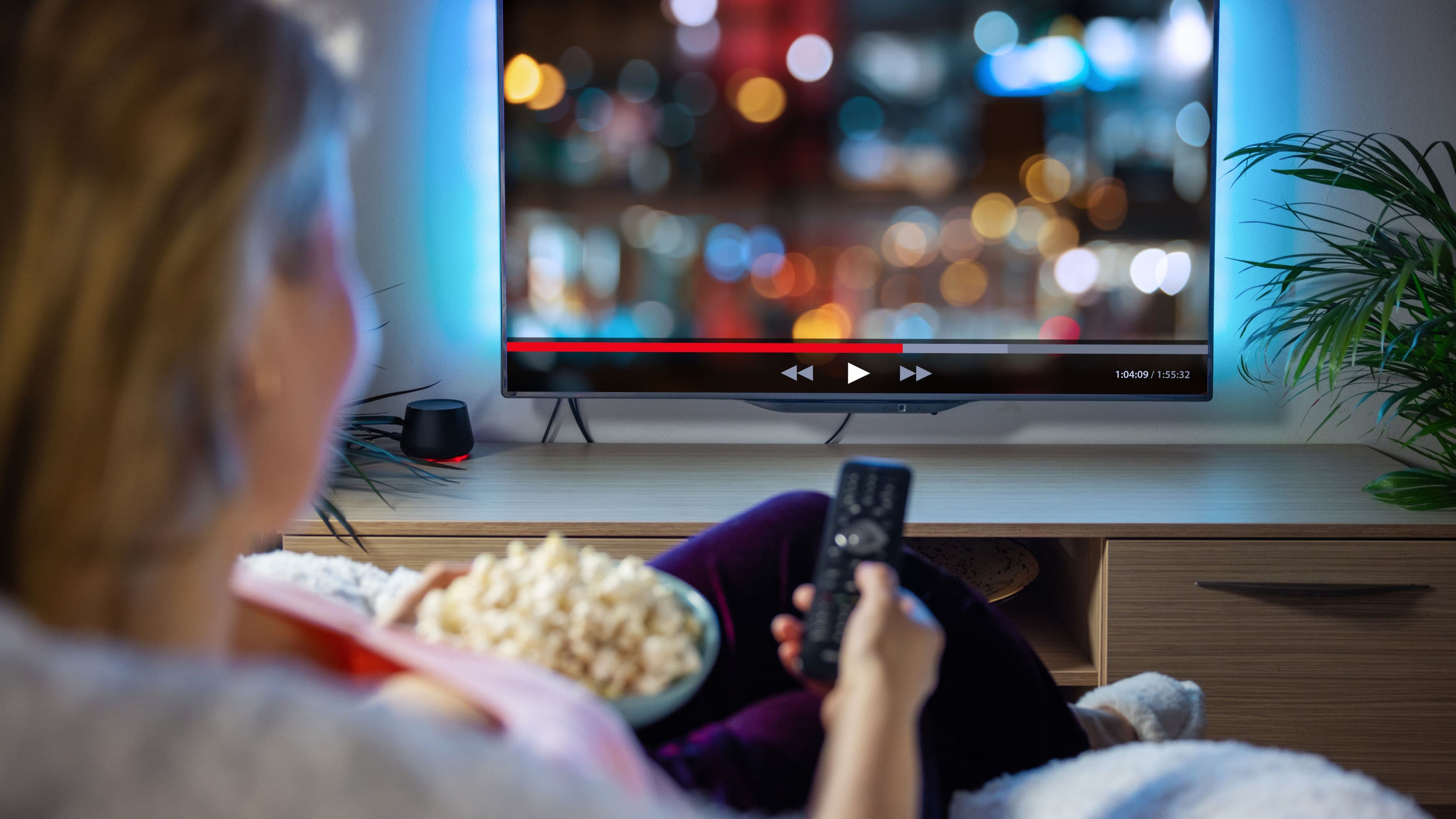
This is the part that matters most for your specific question. A lot of streaming content, especially anything not specifically mastered in HDR or Dolby Vision, won't fully showcase OLED's biggest advantages, since the source material itself doesn't have the same dynamic range a 4K Blu-ray or premium HDR-mastered title might. That said, most major streaming platforms now offer a substantial and growing library of HDR and Dolby Vision content, and for that specific content, OLED's contrast advantage becomes genuinely visible, particularly in darker or moodier titles.
If your streaming habits lean toward brightly lit sitcoms, reality TV, or daytime content, the practical difference between OLED and a good QLED will be smaller than if you're regularly watching darker dramas, horror, or prestige TV shows shot with a lot of shadow and contrast, where OLED's true blacks make a noticeably bigger visual impact.
Recommendation
If you primarily watch streaming content in a well-lit room, care more about brightness and vivid color than deep black levels, or are prioritizing a larger screen size on a moderate budget, a good QLED TV is not overkill to skip – it's a genuinely sound choice that will look great for the vast majority of streaming content without the OLED price premium.
If you frequently watch in a darker room, gravitate toward dark, moody, HDR-mastered content, and view the TV from an angle rather than dead center, OLED's advantages are real and noticeable enough to justify the cost for a lot of viewers, rather than being purely a marketing-driven upgrade.
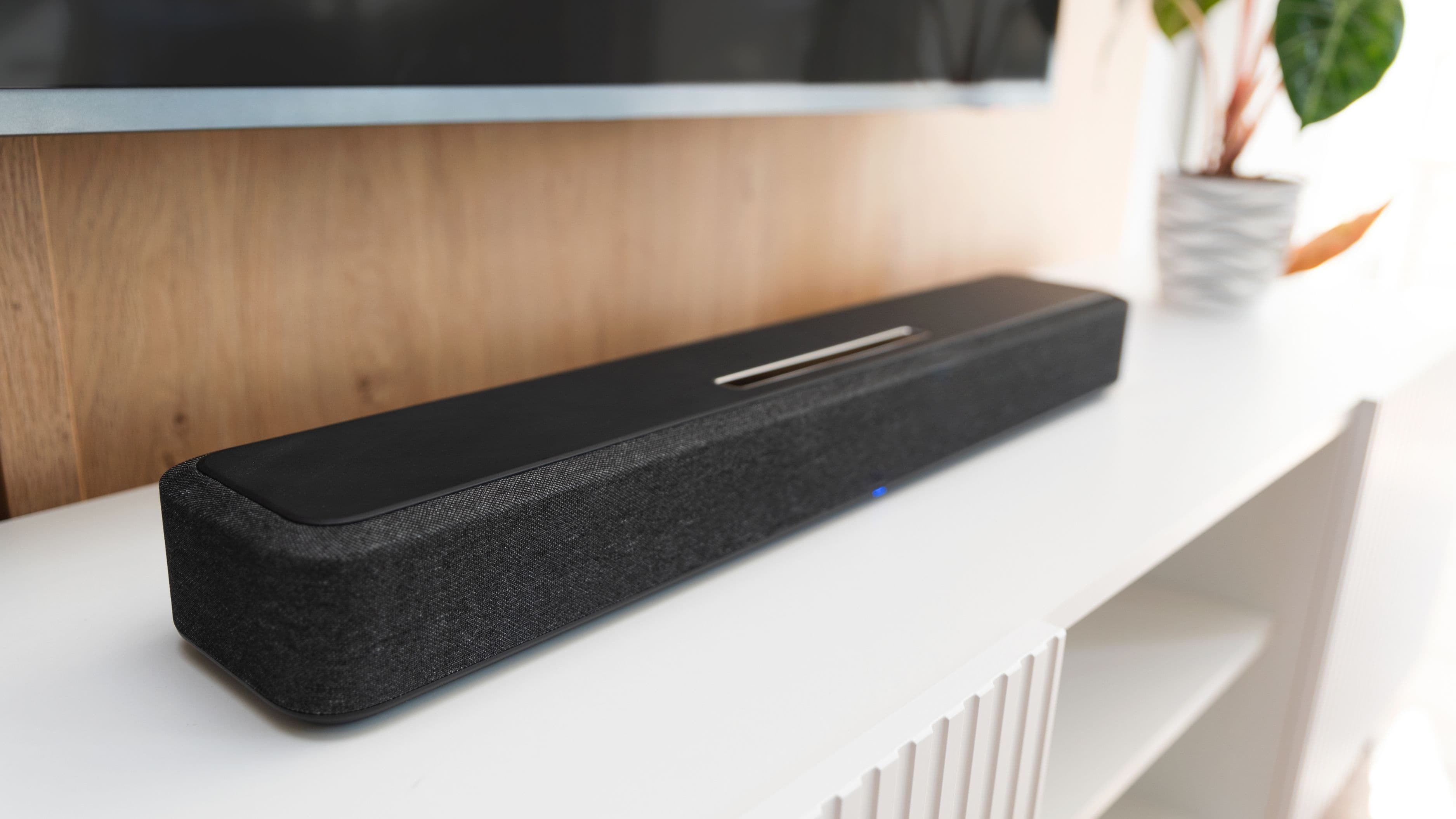
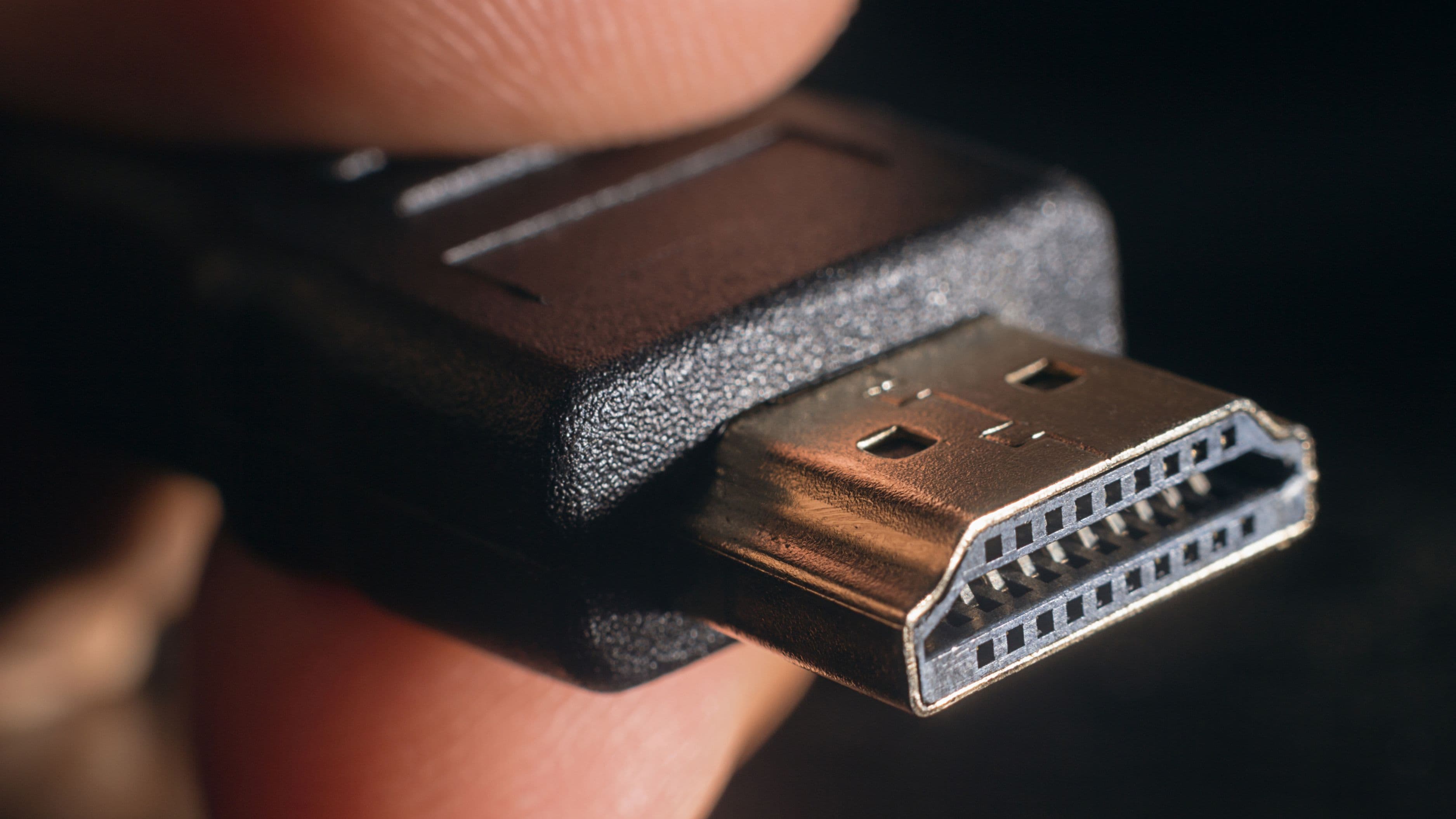
For casual or occasional streamers without a strong preference either way, OLED is closer to a "nice to have" than a necessity, and the money saved by choosing a quality QLED model instead can often go toward other real upgrades, like a better HDMI setup, soundbar, or faster internet plan, that will affect your streaming experience just as much or more.
What to Avoid
Don't assume OLED is automatically the better choice without considering your actual room lighting, since a bright room can undercut OLED's peak brightness limitations and diminish some of its advantage over a bright QLED panel. Avoid buying based purely on marketing language around "infinite contrast" without understanding that the real-world difference depends heavily on the specific content you watch and the lighting conditions in your room. And don't discount burn-in concerns entirely if you plan to leave static content, like a news channel logo or a paused screen, up for extended periods regularly, even though modern OLEDs handle this risk much better than earlier generations.
FAQ
Is OLED worth it just for watching Netflix and Disney+? It depends on your content preferences and room lighting. For darker, HDR-mastered content in a dim room, yes, the difference is noticeable. For brightly lit shows in a well-lit room, a good QLED will look very similar for a lower price.
Does OLED burn-in still happen with normal streaming use? Modern OLED TVs include several burn-in prevention features, and normal, varied streaming use carries low risk. The concern is more relevant for extended static image display, like a permanently paused screen or a fixed channel logo for hours at a time.
Is QLED basically as good as OLED now? QLED has closed a lot of the gap, particularly in brightness and color volume, but OLED still holds a clear advantage in black levels and contrast, especially in darker viewing environments.
What matters more for streaming quality: the TV panel type or my internet connection? Both matter, but a fast, stable internet connection and correctly configured device and app settings are foundational – even the best TV panel can't compensate for a weak signal or capped streaming quality settings.
📚 Sources
Consumer Reports – OLED vs QLED TV Comparison, https://www.consumerreports.org/tvs/oled-vs-qled-tvs/
RTINGS – OLED vs LED TV, https://www.rtings.com/tv/reviews/by-technology/oled-vs-led-lcd
CNET – What Is HDR and Do You Need It, https://www.cnet.com/tech/home-entertainment/what-is-hdr-tv-and-why-does-it-matter/