
The honest answer is that none of them is universally the best. Netflix, Disney+, and Max are each built around different content strategies, different audience strengths, and different value propositions. Which one gives you the most for your money depends almost entirely on what you watch and who's in your household. This breakdown covers the real differences so you can decide with actual information rather than just brand recognition.
Pricing: What You're Actually Paying
Before diving into content, it's worth laying out what each service costs in 2025, because the pricing has changed significantly over the past few years and the tiers are more meaningful than they used to be.
Netflix offers three main plans: Standard with Ads at around $7 per month, Standard (no ads) at around $15 per month, and Premium (4K, no ads, multiple streams) at around $22 per month. Netflix also has a paid sharing policy that limits account use to one household, though profiles for people outside the home are available for an extra fee.
Disney+ offers two plans: Basic (with ads) at around $8 per month, and Premium (no ads) at around $14 per month. The Disney Bundle – which adds Hulu and ESPN+ to the same subscription – starts at around $14 per month with ads or $25 per month without ads, and it's arguably the best value proposition Disney offers.
Max (formerly HBO Max) offers three plans: With Ads at around $10 per month, Ad-Free at around $16 per month, and Ultimate (4K, more streams, downloads) at around $20 per month.
For a fair value comparison, you're looking at roughly $7 to $10 per month for the ad-supported base tier of each, and $14 to $22 for the premium no-ads tiers. The pricing is close enough that the differentiator is content, not cost.
Netflix: The Broadest Library, the Strongest Original Machine
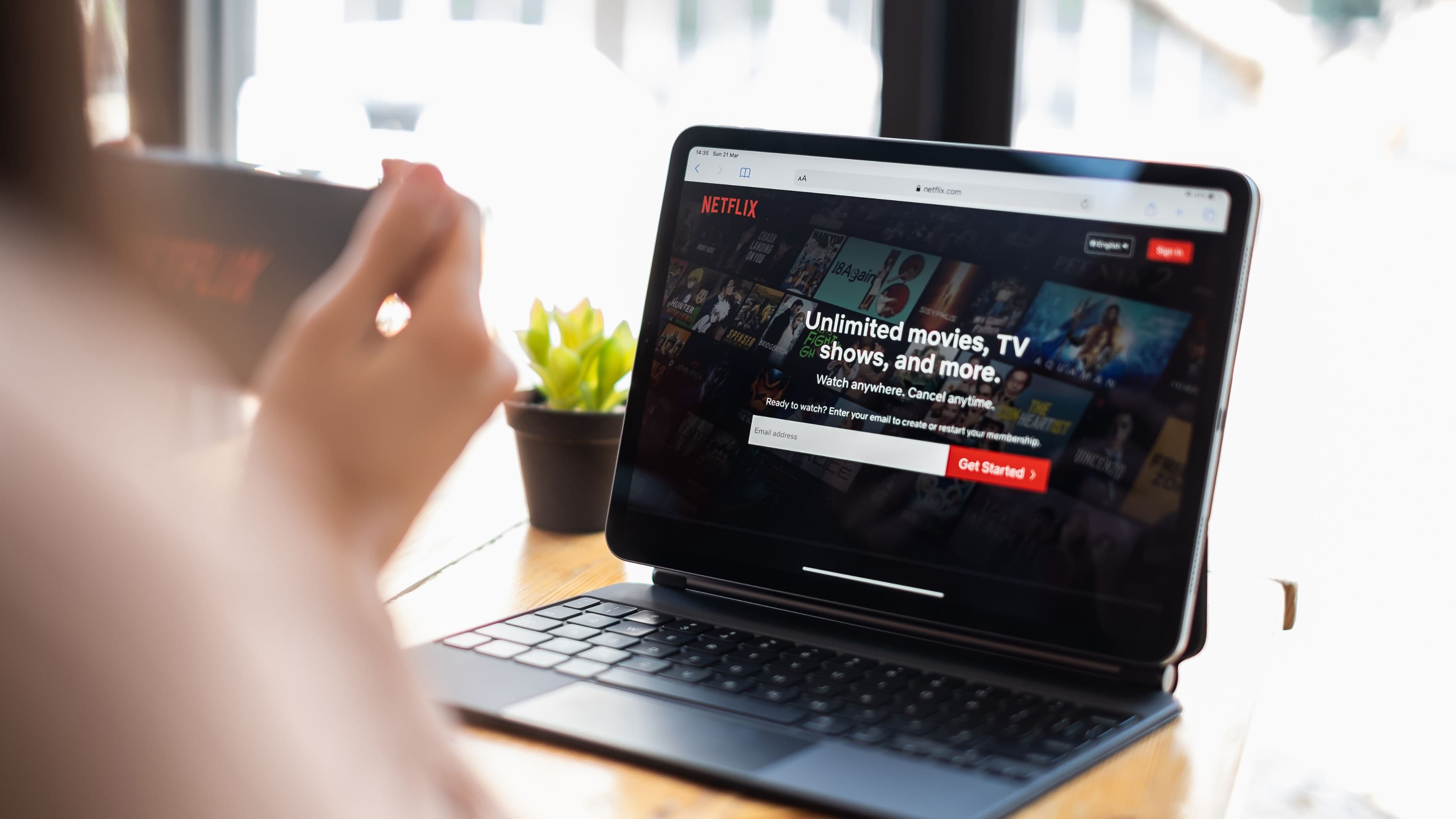
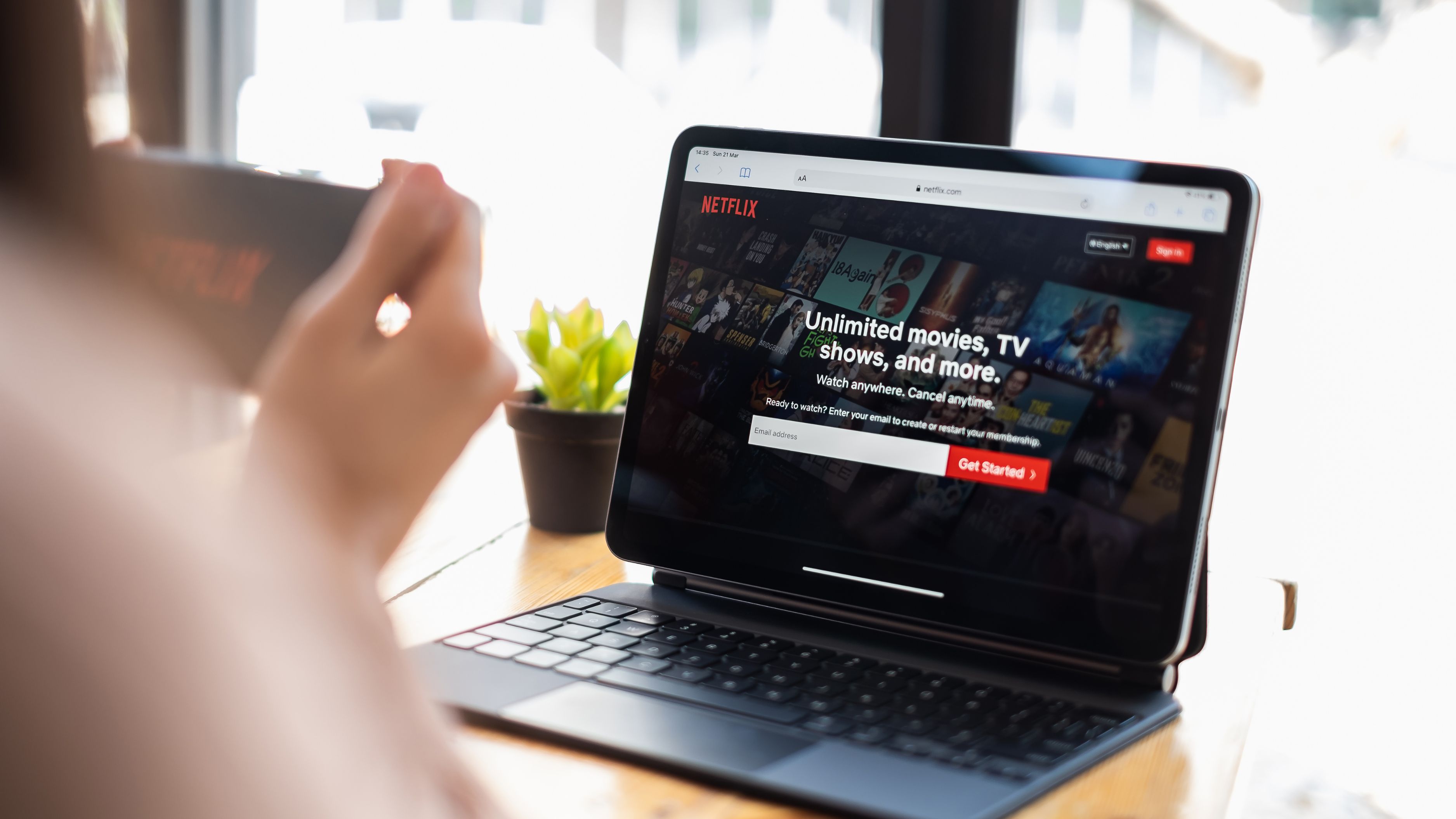
Netflix has the largest content library of the three by a significant margin – tens of thousands of titles across every genre, demographic, and language. It's also the most culturally omnipresent service: Netflix originals are the things people are talking about at work on Monday, the shows that generate the memes, the movies that trend on social media the week they drop.
The original programming slate is genuinely impressive at scale. Drama series like Stranger Things, Ozark, The Crown, and Squid Game have performed at the level of prestige cable television from the previous decade. Comedy originals, stand-up specials, reality competition shows, true crime documentaries, and animated series all have homes on Netflix with varying levels of quality. The international content is a specific strength – Korean dramas, Spanish-language thrillers, and French originals have built genuinely large global audiences through Netflix distribution.
The weakness is inconsistency. Netflix produces an enormous volume of content, and quality varies widely. The service has a reputation for canceling shows after one or two seasons before they reach a natural conclusion, which has frustrated enough viewers that it's become a running criticism. The sheer volume of available content can also feel overwhelming – finding something genuinely worth watching requires more effort than it should given how much is available.
For whom Netflix delivers the most value: households with adult viewers who watch a variety of content, including dramas, comedies, documentaries, and movies. Single adults or couples without children tend to get the most out of Netflix's library. It's also the best of the three for international content if that's something you actively seek out.
Disney+: The Best Library for Families – and for Franchise Fans
Disney+ is built around Disney's extraordinary catalog depth: classic Disney animation, Pixar, Marvel, Star Wars, and National Geographic. If those properties matter to you or your household, the value proposition is almost immediately obvious. If they don't, the case is weaker.
The Marvel Cinematic Universe content alone – the full movie library plus the Disney+ original series that tie into it – represents a huge amount of content that exists nowhere else. WandaVision, Loki, Hawkeye, Andor, The Mandalorian – these are among the most watched streaming originals of the past few years, and they're all Disney+ exclusives. For Marvel and Star Wars fans, Disney+ is effectively a non-negotiable subscription.
For families with young children, Disney+ may be the single most valuable streaming service available. The Disney classic library, Pixar films, Marvel content appropriate for older kids, and the National Geographic library between them cover virtually the entire range of what family households watch. The Pixar and Disney animation catalog alone is extensive enough to keep young children occupied for years.
The limitation is that Disney+ skews heavily toward franchise and family content. Adult viewers without children or without strong investment in Marvel or Star Wars will find the library thinner for their needs than Netflix or Max. The original content outside of those franchises – the Disney+ originals that aren't tied to a major IP – has been more uneven in quality and cultural impact.
The Disney Bundle (Disney+ + Hulu + ESPN+) changes the value calculation significantly. If you were going to subscribe to Hulu separately anyway – which many households do for its more adult-oriented content and live TV option – the bundle effectively gives you Disney+ for a few dollars more than Hulu alone. At the bundle price, Disney+ becomes a much easier addition.
For whom Disney+ delivers the most value: families with children, Marvel and Star Wars fans of any age, and anyone who subscribes via the Disney Bundle where Hulu is covering the adult content needs.
Max: The Prestige Content Leader
Max has the smallest library of the three by volume, but it has an argument for the highest average quality. The HBO brand carries a legacy of prestige television that is unmatched in streaming – The Sopranos, The Wire, Succession, Game of Thrones, The White Lotus, Euphoria, Barry, and The Last of Us represent a body of work that's shaped TV as a medium over the past two decades. All of it lives on Max.
The original HBO programming continues to be among the most critically acclaimed content on any platform. The Last of Us became one of the most discussed television events of recent years. The White Lotus seasons generate enormous sustained conversation. House of the Dragon, Succession's final season, and Barry's conclusion all landed as genuine cultural events. For viewers who prioritize prestige drama and are willing to pay for quality over volume, Max makes a strong case.
Beyond HBO, Max also houses Warner Bros. theatrical releases, CNN content, Adult Swim and Cartoon Network libraries (including a massive archive of animated content), and Discovery+ content including true crime, reality TV, home renovation, and nature documentaries. The breadth is actually wider than the HBO brand implies. HGTV and Food Network content through Discovery means Max has a surprisingly strong selection of lifestyle and non-fiction content that appeals to viewers who might not think of themselves as HBO drama watchers.
The weakness for Max has historically been the user experience – the app and interface have been less refined than Netflix's – and pricing at the ad-free tier is at the higher end of the market. The content volume is also lower than Netflix, so viewers who want quantity alongside quality may feel the library gets thin.
For whom Max delivers the most value: adult viewers who prioritize prestige drama and are willing to pay for it, viewers who already watch Discovery content that can be moved out of a separate subscription, and households without children where the family content of Disney+ isn't relevant.
Head-to-Head: Where Each Service Wins
Best for original movies: Netflix has volume and some notable wins (Roma, The Power of the Dog, Marriage Story) but Disney+ has franchise dominance with MCU and Pixar. Max has strong theatrical releases from Warner Bros. For pure original movie quality, this is genuinely contested.
Best for kids and families: Disney+ is not close to the others in this category. The depth of family-appropriate content on Disney+ is unmatched.
Best for prestige TV drama: Max and it's not particularly close. HBO's back catalog and current originals define this category.
Best for variety and casual viewing: Netflix. The sheer breadth of content across genres means there's almost always something for any mood.
Best for sports fans: None of the three, unless you're using the Disney Bundle with ESPN+, which has some sports content. For serious sports streaming, a dedicated live TV streaming service or league-specific apps are better solutions.
Best for international content: Netflix by a significant margin. Its international original production investment is larger and more consistent than Disney+ or Max.
Best bundle value: The Disney Bundle (Disney+ + Hulu + ESPN+) is the strongest multi-service value currently available in streaming, particularly at the ad-supported tier where the price is competitive with a single premium service.
Realistic Expectations: What You Might Actually Use
One honest note before making any decision: most households rotate their streaming subscriptions more than they realize, or they subscribe to all three and find that most of their watching time goes to one or two of them consistently.
Paying for all three simultaneously makes sense if your household has diverse needs – children who need Disney+, adults who want HBO originals, and casual viewers who graze across Netflix. For single adults or couples without children, carrying all three simultaneously is often more than necessary. The smarter approach is identifying your primary service – the one you'd cancel last – and rotating the other two based on what you're actively watching rather than paying for all three on autopilot.
Most people, if they're honest, have a clear favorite among the three. The value comparison is really about whether to add a second subscription and which one makes more sense given your primary service.
Common Mistakes to Avoid
Keeping all three subscriptions running simultaneously without actively using each one is the easiest way to spend $50 a month on streaming without realizing it. Check your actual usage once a quarter and pause or cancel anything you haven't actively watched in the past 30 days. All three services make it straightforward to cancel and resubscribe without losing your account history or watchlist.
Ignoring the ad-supported tiers is leaving savings on the table. The ad-supported versions of all three services are meaningfully cheaper and the ad experience, while not as smooth as ad-free, is considerably less intrusive than linear television. For casual viewers who aren't watching for hours at a stretch, the cheaper tier is often perfectly acceptable.
Subscribing to Disney+ without considering the bundle is paying more than you need to if Hulu is already on your list. The Disney Bundle is structured so that adding Disney+ and ESPN+ to Hulu often costs only a few dollars more than Hulu alone at comparable tiers.
FAQ
If I could only pick one, which should I choose?
For most adults without children: Netflix, because of its breadth and the likelihood that you'll find something worth watching regardless of your mood. For families with young children: Disney+, because the family content library is unmatched and the bundle adds adult content through Hulu. For viewers who prioritize TV quality over quantity: Max.
Is the Disney Bundle actually worth it?
For most households, yes – particularly if you were going to subscribe to Hulu anyway. The bundle price at the ad-supported tier is competitive enough that Disney+ and ESPN+ are effectively added for a small premium on top of a Hulu subscription. If you have no interest in Hulu's content, the bundle is less obviously a good deal.
Do these services share any content?
Occasionally, through licensing deals, the same film or show may appear on two services. But original content is exclusive to the platform it was produced for. HBO originals are Max exclusives. Marvel series are Disney+ exclusives. Netflix originals are Netflix exclusives. Cross-platform overlap exists mainly in licensed older content.
How often do these services raise their prices?
All three have raised prices multiple times in recent years and the trend has continued across the streaming industry. The ad-supported tiers have been more price-stable than the premium tiers. Subscribing to the ad-supported version provides some protection against the impact of future increases since there's more room below the premium price point.
All three services offer genuine value – but for different audiences with different needs. The question to answer is which content type you actually watch most, not which service has the best brand recognition or the most titles in its library. Answer that honestly and the choice usually becomes clear.
📚 Sources
Netflix – Current pricing and plans – https://help.netflix.com/en/node/24926
Disney+ – Subscription plans and Disney Bundle – https://www.disneyplus.com/welcome/bundle
Max – Plans and pricing – https://www.max.com/plans-and-pricing
Variety – Streaming service subscriber data and trends – https://variety.com/vip/streaming-service-subscriber-count-tracker-1203413296/
Consumer Reports – Streaming service value ratings – https://www.consumerreports.org/electronics-computers/streaming-video/best-streaming-services-a2833936573/
Leichtman Research Group – US streaming subscription data – https://www.leichtmanresearch.com/research-notes/