

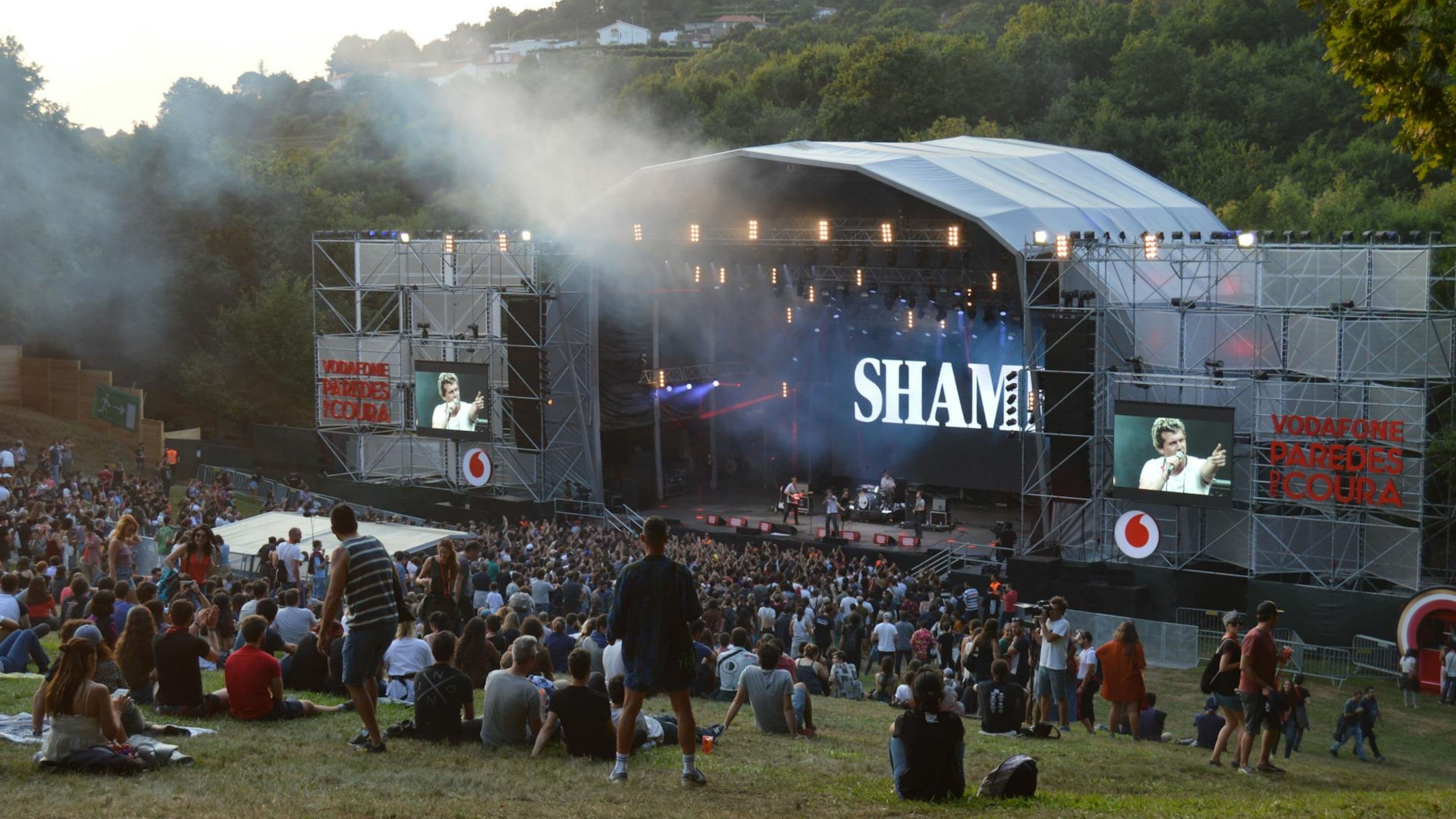
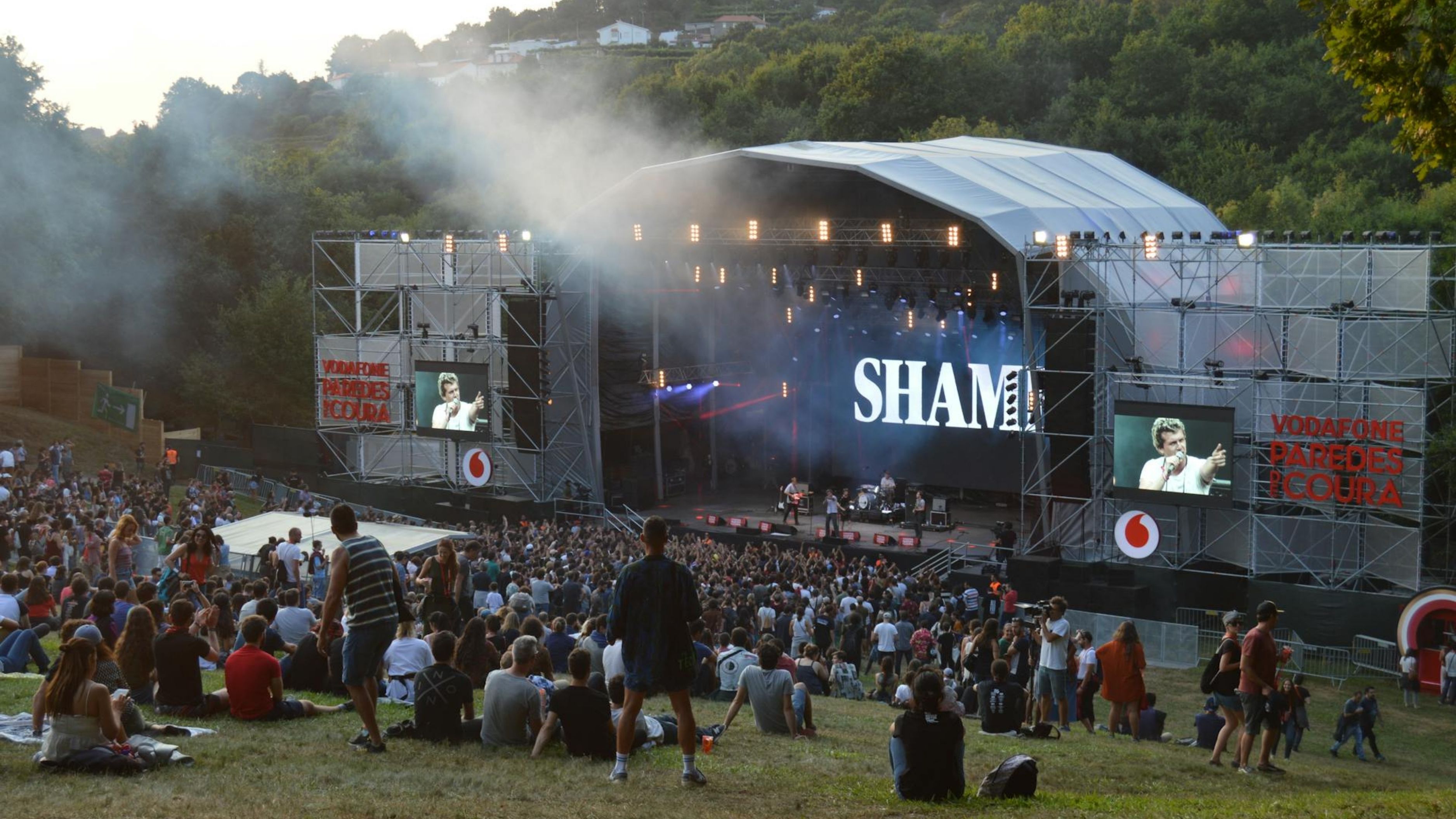
The digital hype machine has completely rewritten the rules. Festivals like Coachella, Tomorrowland, and Rolling Loud dominate feeds and trending topics long before gates open, creating waves of anticipation that traditional advertising could never manufacture. What's really driving this pre-event frenzy? The answer isn't what most organizers think.
Let's dismantle the myths about festival virality and reveal what actually gets audiences counting down the days.
Myth: A Star-Studded Lineup Is Everything → Truth: The Story Behind the Lineup Matters More
Everyone assumes booking Beyoncé or Bad Bunny guarantees social media gold. Sure, headliners draw attention, but what really sparks conversation is the narrative woven around those names. When Coachella reunites Outkast after eight years or books a surprise hologram performance, it's not just about who's performing—it's about the "why now?" that gets people obsessing.
The festivals that explode online create stories worth retelling. They craft teaser campaigns that feel like puzzle pieces, dropping cryptic hints and making fans work to decode the lineup. This transforms passive consumers into active participants who share theories, create speculation threads, and essentially do the marketing themselves. A killer lineup gets shared once; a mysterious rollout strategy gets shared a hundred times as people try to crack the code.
Consider how Glastonbury handles its legendary "TBA" slots, sparking weeks of detective work across Twitter and Reddit. That engagement generates exponentially more buzz than simply announcing every name at once. The anticipation becomes its own entertainment, and people can't help but pull their friends into the guessing game.
Myth: Professional Content Wins → Truth: User-Generated Chaos Reigns Supreme
Festival organizers pour budgets into sleek promotional videos and polished Instagram campaigns, believing professional production equals engagement. The reality? A shaky iPhone video of someone reacting to lineup news in their bedroom often outperforms million-dollar content.
Authenticity crushes perfection in the social media algorithm wars. When festivals like Bonnaroo or Lollapalooza trend, it's rarely because of their official posts—it's because thousands of real people are sharing genuine reactions, outfit planning sessions, and countdown content. These raw moments feel participatory rather than advertised to, which is exactly what younger audiences crave. TikTok has completely demolished the polished-content playbook; a 15-second clip of someone screaming over lineup announcements will rack up millions of views while professional sizzle reels get politely ignored.
Smart festivals now design campaigns specifically to inspire fan-generated content rather than relying solely on branded materials. They create shareable templates, launch hashtag challenges, and essentially hand creative control to their audience. This approach doesn't just save marketing dollars—it builds authentic community investment that no advertising agency could manufacture.
Myth: Early Announcements Build Momentum → Truth: Strategic Scarcity Creates Obsession
The conventional wisdom says to announce everything early and often, maximizing exposure time. But festivals that truly dominate social feeds do the opposite—they master the art of strategic withholding. Dripping information in carefully timed waves keeps audiences checking back compulsively, each reveal sparking fresh conversation cycles.
Tomorrowland's annual treasure hunt for ticket sales creates artificial scarcity that feels like a game, not a transaction. This approach transforms ticket purchasing from boring logistics into a shared experience worth documenting and discussing online. Meanwhile, festivals that dump all information at once create one spike of interest that quickly fades, leaving months of dead air before the actual event. The slow-burn approach maintains cultural relevance across entire seasons rather than brief moments.
The psychology here is simple but powerful: people obsess over what they can't fully see yet. Every partial reveal becomes a conversation starter, with fans dissecting Instagram story hints and analyzing cryptic tweet patterns like they're Da Vinci Code scholars. This sustained engagement teaches algorithms that your festival matters, amplifying organic reach exponentially.
Myth: Targeting Festival-Goers Is Enough → Truth: Creating FOMO for Everyone Is the Strategy
Most festival marketing aims directly at people already planning to attend similar events. The viral festivals flip this completely—they create cultural moments so compelling that even people with zero intention of attending can't stop watching and sharing.
When Fyre Festival became the most talked-about event of 2017 (for all the wrong reasons, admittedly), it wasn't because festival fans were interested—it was because the campaign tapped into universal aspirations and curiosities. The successful version of this approach focuses on creating shareable lifestyle content that transcends the event itself. Videos showcasing festival fashion, behind-the-scenes artist preparations, or the transformation of empty fields into wonderlands appeal to far broader audiences than lineup announcements ever could.
This expanded targeting creates network effects where your content escapes echo chambers. Someone interested in fashion shares your style content, reaching design enthusiasts who then share it to their networks, eventually landing on the feeds of music lovers who become actual attendees. Each audience segment finds their own entry point, and the festival becomes a cultural touchstone rather than just a concert series. The goal isn't reaching festival people—it's becoming the thing everyone's talking about, regardless of whether they'll ever buy a ticket.
Myth: Paid Ads Drive Awareness → Truth: Influencer Partnerships and Seeding Create Organic Wildfire
Throwing money at Facebook ads and Instagram promotions feels productive, but festivals that genuinely go viral know that traditional paid advertising is actually the least effective investment. The real power lies in strategic partnerships with creators who can make your event feel discovered rather than advertised.
When festivals gift VIP passes to mid-tier influencers (not just massive celebrities), they're essentially planting seeds across diverse communities. A fitness influencer sharing festival workout prep, a food blogger documenting vendor tastings, a sustainable fashion creator showcasing eco-friendly festival outfits—each brings their unique audience into the conversation organically. These partnerships feel like genuine recommendations from trusted sources rather than interruptive advertisements, which is why they convert so effectively.
The smartest festivals now operate almost like media companies themselves, creating behind-the-scenes content series, podcast partnerships, and creator collaborations that live far beyond traditional advertising cycles. This content strategy builds narrative momentum that paid ads simply cannot replicate. A thirty-second ad disappears after its impression; a compelling documentary-style series about festival preparations gets shared, rewatched, and referenced for months.
Myth: Launch Day Is What Matters → Truth: Building Community Year-Round Creates Launch Explosions
Most festivals go radio silent after their event ends, then scramble for attention when announcing the next edition. The festivals that consistently dominate social feeds understand that virality doesn't start with an announcement—it's the culmination of constant community nurturing.
Year-round engagement transforms casual attendees into brand evangelists who anxiously await any festival news. This might look like winter playlist collaborations with lineup artists, summer throwback content series, or fall sustainability initiatives that keep the festival mission alive. When announcement day finally arrives, this cultivated community doesn't just share the news—they celebrate it like a personal victory, flooding platforms with genuine enthusiasm that algorithms reward with massive reach.
Electric Daisy Carnival perfected this by building Insomniac into a lifestyle brand rather than just an event promoter. Their constant content flow means "EDC" trends multiple times yearly, not just during festival season. The announcement simply becomes another chapter in an ongoing story that fans are already invested in. This approach requires patience and consistent effort, but the payoff is a launch that feels like a cultural moment rather than a corporate announcement.
Let Go of Traditional Marketing—And Start Creating Movements
The festivals that break the internet before breaking ground understand a fundamental truth: they're not selling tickets—they're selling belonging to something bigger. Stop thinking like an event organizer and start thinking like a storyteller, community builder, and cultural architect.
Release your grip on polished perfection and controlled messaging. Instead, design campaigns that invite participation, reward curiosity, and make people feel like insiders discovering something special. The virality you're chasing doesn't come from shouting louder than everyone else—it emerges when you create something worth whispering about, knowing those whispers will naturally become roars.
Your next festival announcement doesn't need a bigger budget. It needs a better story, genuine community investment, and the courage to let your audience own the narrative. That's what makes festivals go viral before they even happen—and what separates cultural moments from forgotten events.
📚 Sources
1. Pew Research Center. (2021). "Social Media Use in 2021." Report on digital platform engagement and content sharing behaviors across demographics.
2. Eventbrite & Nielsen. (2020). "The Power of Live Events: Understanding the Fan Experience." Research on pre-event engagement and social media impact on festival attendance.
3. Influencer Marketing Hub. (2024). "The State of Influencer Marketing." Analysis of creator partnerships versus traditional advertising effectiveness.