
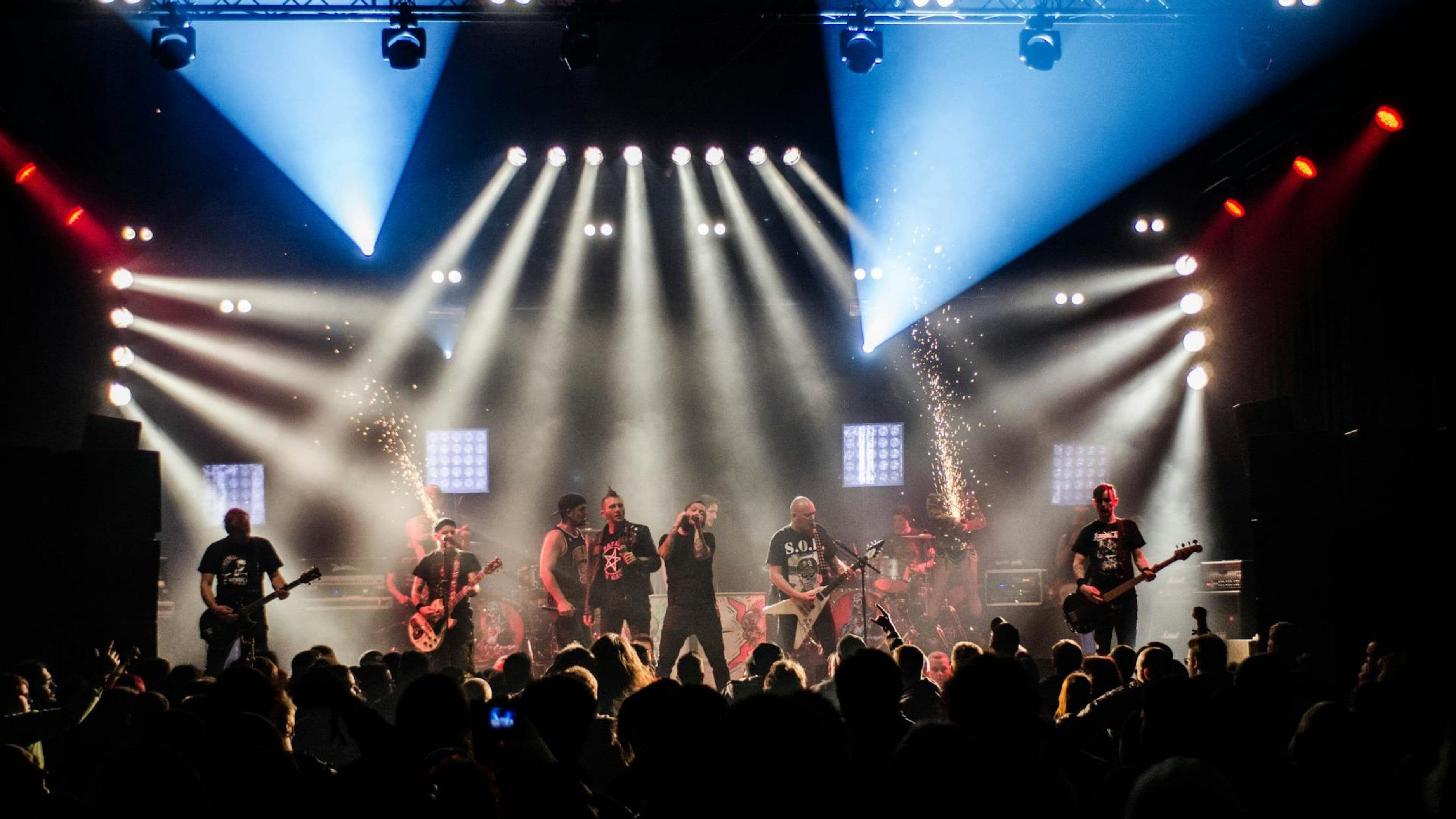
The evolution didn't happen overnight, but if you've been to a major festival recently, you've probably noticed something: the music almost feels like background ambiance to the experience. And that's exactly the point.
The Instagram Economy Changed Everything
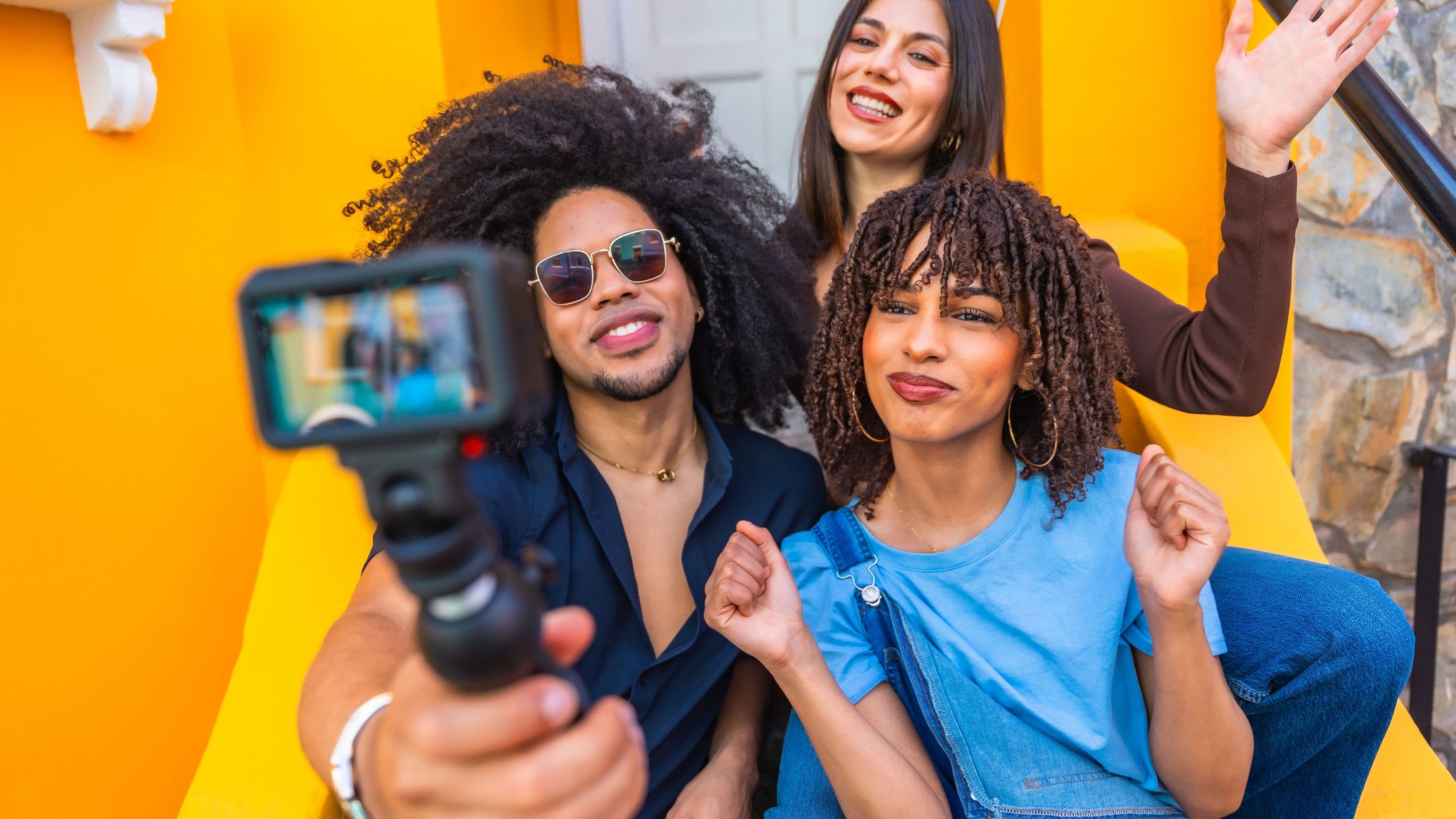
Let's be real—if it didn't make it to your Instagram story, did you even go to the festival? Social media has fundamentally rewired what festival organizers prioritize, and it's not just about booking the biggest headliners anymore. According to a 2023 Eventbrite study, 78% of millennials attending live events say they're motivated by the desire to create shareable content. That's not vanity; that's currency in today's attention economy.
Festival producers have caught on, transforming venues into three-dimensional Instagram feeds. Those giant, interactive art installations? They're engineered for the 'gram. The neon-lit tunnels, oversized flower sculptures, and gravity-defying structures aren't happy accidents—they're strategic content generators. Coachella's famous butterfly art installations and Tomorrowland's elaborate stage designs generate millions of social impressions, essentially turning attendees into unpaid brand ambassadors. When your audience does your marketing for you, everybody wins—except maybe your phone's storage space.
The ripple effect goes deeper than aesthetics. Festivals now design "Instagrammable moments" into their infrastructure planning the same way architects plan emergency exits. There are designated photo zones, perfect lighting at golden hour, and even on-site photographers capturing candid moments for attendees to purchase later. It's experiential marketing meets user-generated content, and the ROI is staggering.
Tech Is Making Reality Optional
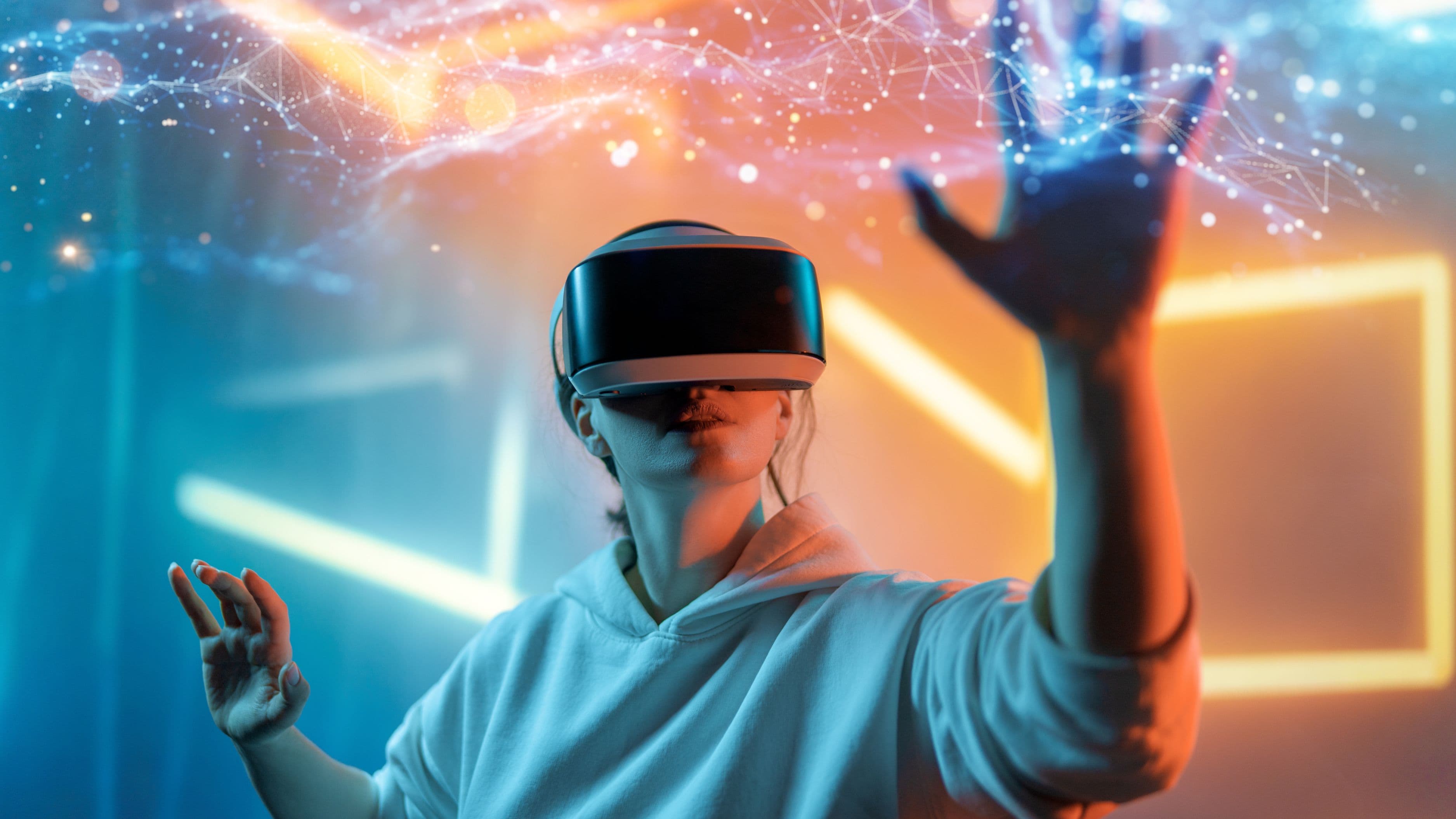
Virtual reality stations at music festivals used to sound like science fiction. Now they're as common as porta-potties (and often cleaner). Technology has crashed the festival party, and instead of being the awkward guest, it's become the life of it. Festivals like Electric Daisy Carnival and Burning Man have incorporated VR experiences where you can "fly" over the festival grounds or step into animated music videos. It's trippy enough to make you question whether you actually need that second mojito.
But the tech integration goes way beyond VR goggles. RFID wristbands track your movement, enable cashless payments, and can even light up in sync with the music, turning the entire crowd into a living light show. Apps provide real-time updates on set times, stage locations, and even help you find your inevitably lost friends. Some festivals use augmented reality filters that overlay digital art onto the physical world through your phone screen, creating layers of experience that didn't exist five years ago.
The data collected from these technologies also helps organizers optimize everything from traffic flow to vendor placement. They know which stages get congested, which food trucks have the longest lines, and which bathrooms need attention. It's Big Brother meets Big Fun, and most attendees don't mind the trade-off if it means shorter lines and better experiences.
Audiences Crave Escape More Than Ever
Here's the uncomfortable truth driving this transformation: reality kind of sucks sometimes. Between doom-scrolling news cycles, economic uncertainty, and the general chaos of modern life, people are desperate for immersive escapism. A Pew Research Center study found that 65% of Americans feel "worn out" by the news, and younger generations report increasing levels of anxiety and burnout.
Music festivals have evolved to meet this psychological need, positioning themselves as temporary autonomous zones where normal rules don't apply. It's not just about hearing your favorite artist anymore—it's about stepping into a completely different world for 72 hours. Festival organizers have basically become experience architects, constructing elaborate fantasy realms that let you forget your overdrawn bank account and that email you still haven't answered.
This explains why festivals increasingly incorporate theatrical elements, interactive storytelling, and themed environments. Lost Lands creates a prehistoric world complete with animatronic dinosaurs. Lightning in a Bottle builds a temporary city with its own culture, art cars, and community values. Defqon.1 constructs elaborate medieval castles and futuristic landscapes. These aren't concert venues—they're vacation destinations for your psyche. The music acts as the soundtrack to your temporary identity as someone who definitely doesn't have 47 unread work emails.
The Wellness Wave Hit Dance Floors
Plot twist: festivals now care about your chakras. The integration of wellness programming into music festivals represents one of the most unexpected evolutions in the scene. Morning yoga sessions, meditation domes, sound healing workshops, and even on-site therapists have become standard offerings at major festivals. Coachella has an entire wellness area; Lightning in a Bottle dedicates significant real estate to transformation and healing spaces.
This isn't just festival organizers trying to be trendy—it's responding to audience demand. Festival-goers increasingly view these events as holistic experiences that feed their bodies, minds, and spirits, not just their eardrums. The stereotypical festival experience of staying up for 72 hours fueled by questionable substances is being challenged by a counter-movement that values sustainable energy, mindfulness, and genuine connection.
Some festivals now offer cold plunge pools, infrared saunas, massage services, and nutritional workshops alongside the EDM sets. It's a fascinating cultural collision where hedonism meets self-care, and somehow it works. You can dance until 4 AM and then attend a sunrise breathwork session. It's the best of both worlds, assuming your body can handle the cognitive dissonance.
Multiple Stages Mean Multiple Realities
The days of one main stage and maybe a small tent for upcoming artists are long gone. Modern mega-festivals operate like entertainment shopping malls, with different "departments" catering to different tastes and energy levels. EDC Las Vegas features nine stages, each with distinct vibes, production designs, and musical genres. This allows attendees to curate their own adventure, hopping between experiences as their mood shifts.
This multi-environment approach transforms festivals from concerts into choose-your-own-adventure narratives. Want to rage to bass-heavy dubstep? There's a stage for that. Prefer intimate acoustic sets? Head to the forest stage. Need a break from the chaos? Find the chill zone with ambient music and art installations. This customization makes festivals feel personal despite serving crowds of 50,000-plus people.
The strategic diversity also extends the audience demographic. Where festivals once catered to a narrow slice of music fans, they now attract broader age ranges, musical preferences, and personality types. Your friend who loves trap music and your cousin who's into indie folk can both have transcendent experiences at the same festival. It's sonic multiculturalism at its finest.
Community Has Become the Headliner
Here's something that might surprise you: when researchers ask festival attendees what they value most about the experience, the music often ranks third or fourth. What beats it? The sense of community and belonging. In an increasingly atomized society where people report feeling more isolated despite constant digital connection, festivals offer genuine human interaction with shared purpose.
This has prompted organizers to design festivals around community-building rather than just entertainment consumption. There are group activities, collaborative art projects, and structured opportunities for strangers to connect. Burning Man pioneered this approach with its emphasis on participation over spectatorship, and mainstream festivals have borrowed extensively from that playbook.
The result is festivals that feel more like temporary tribes than transactional entertainment experiences. People form real friendships, create lasting memories beyond the music, and develop genuine emotional attachments to these events. Some festivals have cultivated such strong community identities that attendees refer to them as "homecomings" rather than annual concerts. That emotional investment is why people drop $500-plus on tickets year after year—they're not just buying music access; they're maintaining membership in a chosen family.
Food Became an Experience, Not an Afterthought
Remember when festival food meant choosing between a sad hot dog and a sadder burger? Those days are blessedly behind us. The culinary revolution at music festivals mirrors the broader transformation toward immersive experiences. Festivals now feature celebrity chef collaborations, regional specialties, food trucks from acclaimed restaurants, and themed dining experiences that rival urban food halls.
Coachella's food offerings have become as discussed as its lineup, featuring everything from Korean BBQ to vegan Vietnamese cuisine. Outside Lands in San Francisco partners with the city's legendary restaurant scene to create a festival-within-a-festival called "Wine Lands" and "Beer Lands." Some festivals even incorporate cooking demonstrations, mixology classes, and food-pairing workshops.
This elevation of food programming serves multiple purposes. It extends the Instagram content opportunities (food porn is forever popular), attracts foodies who might not be hardcore music fans, and addresses the reality that well-fed attendees are happier attendees. Plus, it transforms a basic necessity—eating—into another layer of the curated experience. You're not just grabbing lunch; you're embarking on a culinary adventure between DJ sets.
Sustainability Is Now Part of the Brand
Environmental consciousness has evolved from fringe concern to core festival value, driven partly by genuine organizer ethics and partly by audience expectations—especially among younger attendees who view sustainability as non-negotiable. Festivals now compete over their eco-credentials: carbon-neutral operations, zero-waste goals, renewable energy sources, and partnerships with environmental organizations.
Bonnaroo eliminated single-use plastic bottles. Shambhala Music Festival operates on 100% renewable energy. Lightning in a Bottle implements "leave no trace" principles. These aren't just PR stunts; they're fundamental to the festival's identity and appeal. Gen Z attendees in particular research a festival's environmental practices before deciding whether to attend, making sustainability a competitive advantage.
This shift also creates new types of immersive experiences. Some festivals offer workshops on sustainable living, showcase eco-friendly technologies, and create interactive installations that educate about environmental issues. Attendees might build temporary structures from reclaimed materials or participate in waste-sorting competitions. Somehow, festivals have made environmentalism feel less like homework and more like part of the party.
The Line Between Festival and Vacation Blurred
Modern festivals increasingly position themselves as destination experiences rather than events. They're no longer just concerts—they're reasons to travel, take time off work, and invest substantial resources. This has pushed festivals to offer more comprehensive experiences that justify the significant time and money investment.
Boutique festivals in exotic locations exemplify this trend. BPM Festival in Portugal, SXM Festival in Saint Martin, and Envision Festival in Costa Rica combine music with beach vacation vibes, local culture exploration, and adventure activities. Even domestic festivals incorporate elements like on-site camping upgrades that resemble glamping resorts, complete with real beds, electricity, and sometimes even air conditioning.
This vacation-ification extends the festival's economic model beyond ticket sales. Attendees might arrive days early for pre-parties, stay in festival-adjacent accommodations, book airport shuttles through festival partnerships, and purchase post-festival recovery packages. The festival becomes the centerpiece of a week-long experience ecosystem, capturing more of the attendee's time, money, and attention. It's brilliant business that also happens to create more meaningful, immersive experiences for participants.
Your Life Doesn't Need to Be One Big Festival — Just Better Than Last Year's Lineup
The transformation of music festivals into immersive entertainment experiences reflects broader cultural shifts in how we value our leisure time, seek community, and construct identity. We're not just buying tickets to see performers; we're purchasing temporary citizenship in carefully crafted alternate realities that feed our Instagram feeds, our souls, and occasionally our chakras.
As festivals continue evolving, they're essentially beta-testing new models for human gathering and entertainment that other industries will inevitably adopt. The lessons learned—prioritize shareable moments, offer customization, build community, integrate wellness, respect the environment, and create layered experiences—apply far beyond the festival gates.
So next time someone asks why you're spending your rent money on a festival ticket, just explain you're not going to a concert. You're embarking on an immersive experience that combines art, technology, community, personal growth, and really good tacos. Also, the Instagram content will be chef's kiss.
📚 Sources
1. Eventbrite. (2023). "Millennials: Fueling the Experience Economy." Eventbrite Research Reports.
2. Pew Research Center. (2023). "Americans and the News Media." Pew Research Center Survey Data.