

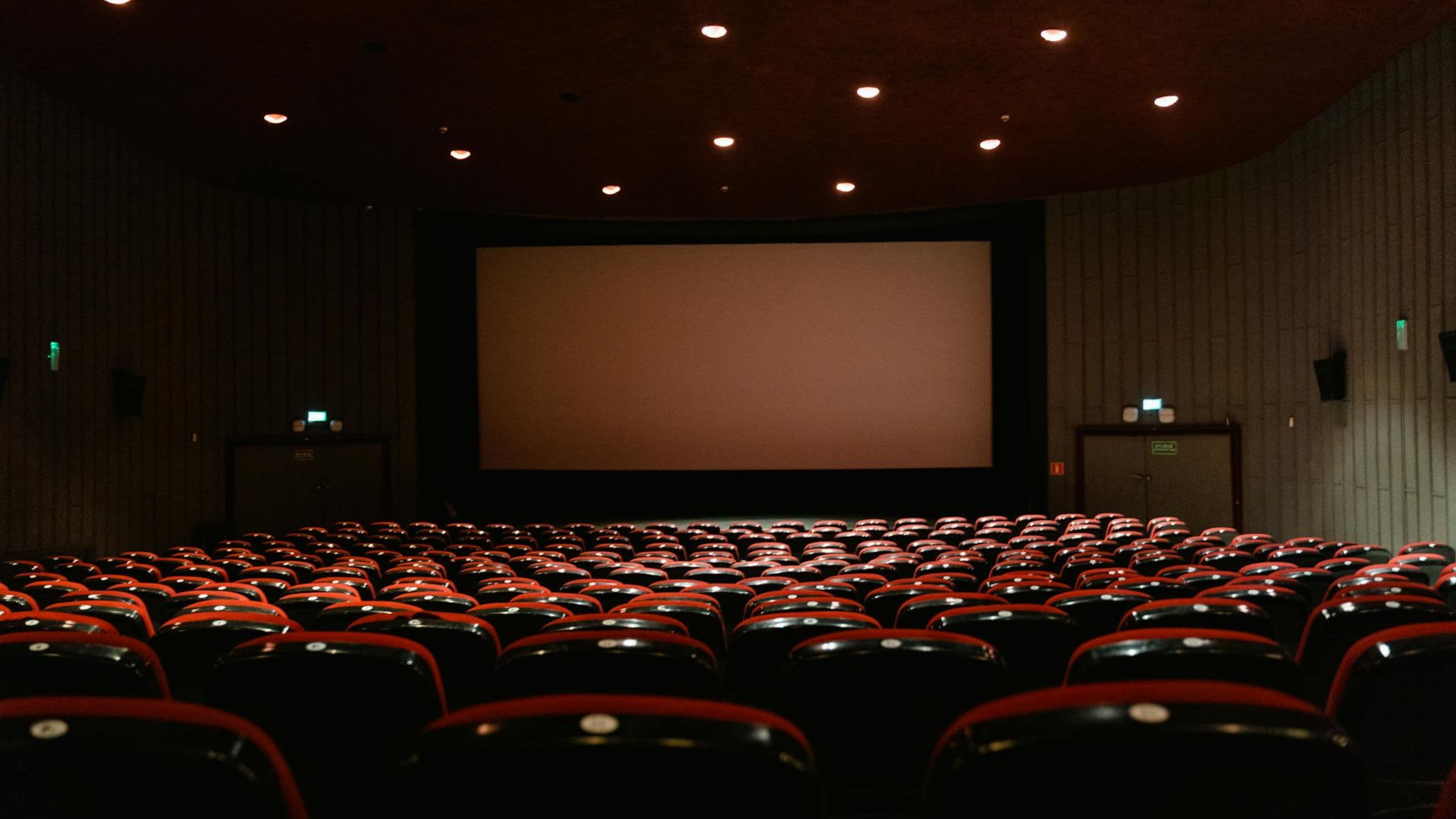
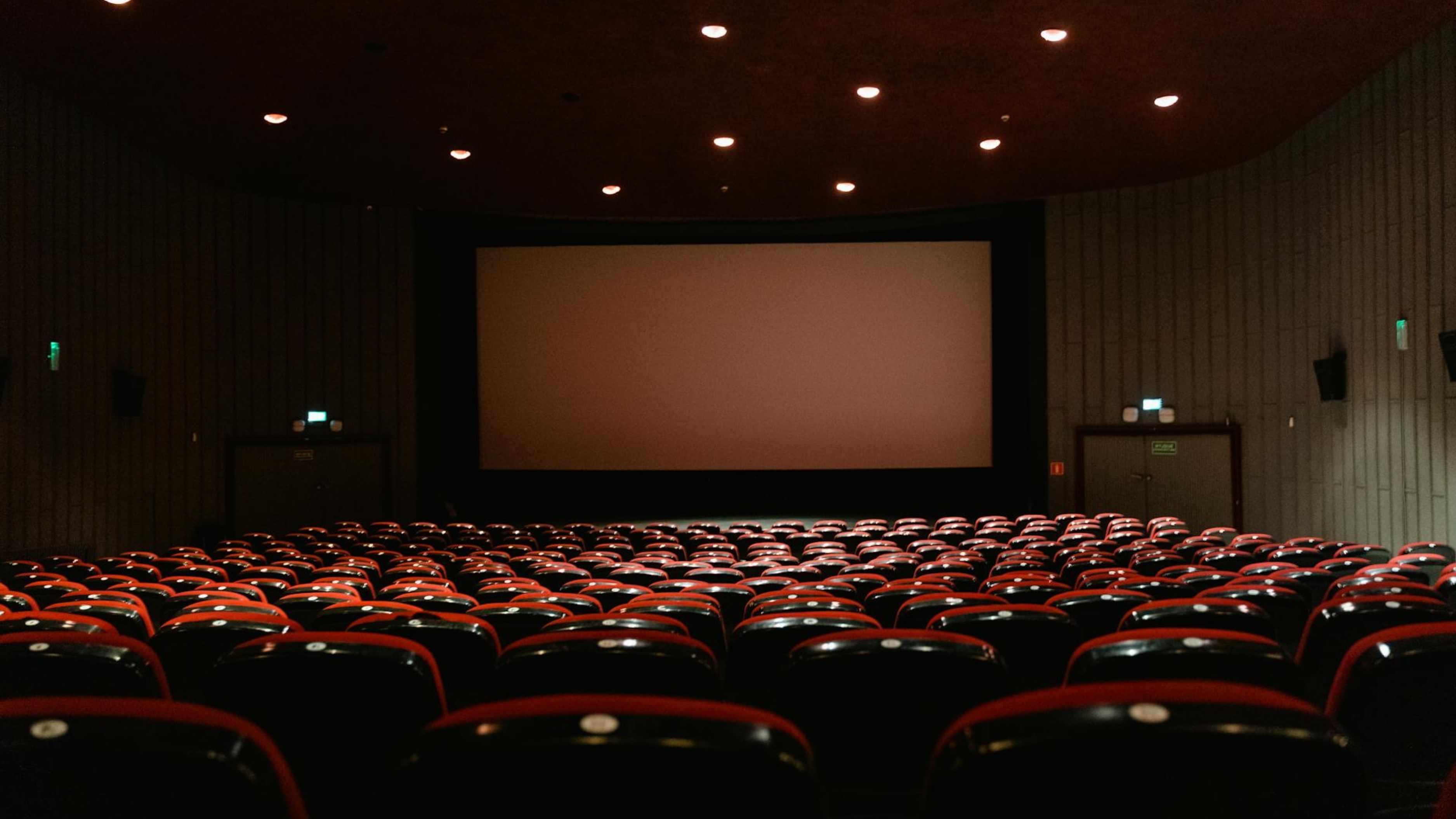
The answer isn't simple extinction or triumphant survival—it's evolution. Movie theaters are splitting into two distinct paths: budget-friendly accessibility and premium luxury experiences that streaming simply can't replicate. Let's explore how this transformation is reshaping the entertainment landscape and what it means for how we'll watch stories unfold in the decades ahead.
1. The Streaming Tsunami Changed Everything
The numbers don't lie, and they're brutal for traditional theaters. The average American household now subscribes to four streaming services, spending roughly $60 monthly on digital entertainment. Compare that to a family of four dropping $60-80 for a single movie outing (tickets, snacks, parking), and the value proposition seems laughably one-sided. Streaming offers convenience, control, and an endless library of content that updates constantly. You can pause for bathroom breaks, rewind confusing plot points, and watch in your pajamas without judgment. The pandemic accelerated this shift dramatically, with studios experimenting with simultaneous theatrical and streaming releases, breaking a century-old distribution model overnight.
But here's the twist: streaming's dominance hasn't killed theaters—it's forced them to justify their existence. Theaters can no longer coast on being the only way to see new releases. They must offer something fundamentally different, something worth leaving your couch for on a Friday night.
2. The Rise of Premium Everything
Enter the luxury theater experience, and we're not talking about slightly bigger seats. Companies like AMC, Alamo Drafthouse, and iPic have reimagined theaters as adult playgrounds with full bars, gourmet restaurant-quality meals delivered to reclining leather seats, and ticket prices that can hit $30-50 per person before you've ordered a single cocktail. These venues ban children from certain showtimes, enforce strict no-talking policies, and create an atmosphere that feels more like an upscale lounge than a traditional cinema. Some theaters now offer blankets, pillows, and call buttons for waitstaff service throughout the film.
This model works because it targets a specific audience willing to pay premium prices for premium experiences. It's the same economic principle behind first-class airline seats and luxury hotel rooms—there's always a market segment that values comfort and exclusivity enough to pay significantly more. These theaters aren't competing with streaming; they're competing with other experiential entertainment like concerts, fine dining, or Broadway shows. The movie becomes almost secondary to the overall event.
3. Blockbusters Built for the Big Screen
Christopher Nolan refuses to release his films on streaming first, and there's a reason for his stubbornness. Some movies genuinely demand theatrical presentation to deliver their full impact. The thunderous bass of a Dolby Atmos sound system, the enveloping darkness that eliminates all distractions, and the sheer scale of a 50-foot screen create sensory experiences impossible to replicate at home—even with fancy home theater systems. Films like "Top Gun: Maverick," "Avatar: The Way of Water," and "Oppenheimer" proved that audiences will still pack theaters for spectacle-driven cinema that justifies the trip and expense.
Studios are increasingly designing tentpole releases with theatrical exhibition in mind, emphasizing visual grandeur and audio immersion that loses something essential on smaller screens. This creates a symbiotic relationship: theaters need these blockbusters to drive attendance, while studios need theaters to maximize revenue and cultural impact. Marvel movies, for instance, have become communal events where opening night crowds react collectively to plot twists and surprise cameos, creating a shared experience that watching alone on your TV can't match.
4. The Mid-Budget Movie Extinction
Here's the uncomfortable truth: mid-budget films—those $20-50 million dramas, comedies, and thrillers that once filled theaters—have largely migrated to streaming platforms. These movies struggle to compete theatrically against massive blockbusters and can't justify premium ticket prices. Streaming services, hungry for content, happily absorb these projects, offering filmmakers guaranteed distribution and often more creative freedom than traditional studios. Apple TV+, Amazon Prime Video, and Netflix have become the new home for prestigious dramas starring A-list actors, the kinds of films that once earned Oscar nominations and solid box office returns.
This extinction reshapes the theatrical landscape significantly. Theaters increasingly program only two types of content: massive blockbusters and ultra-low-budget indie films that target niche audiences. Everything in between finds better economic models on streaming platforms where success isn't measured by opening weekend numbers but by subscriber retention and viewing hours.
5. Community and Ritual Still Matter
Despite streaming's convenience, humans remain social creatures who crave shared experiences. Movie theaters offer something Netflix fundamentally cannot: the ritual of going out, the communal laughter or gasps, and the feeling of experiencing something simultaneously with strangers who become temporary companions in the dark. Date nights, family traditions, and special occasion viewing won't disappear entirely because streaming exists. We still attend live concerts despite Spotify, and we still go to restaurants despite food delivery apps.
Research from the National Research Group found that 67% of moviegoers cite "getting out of the house" as a primary motivation for theatrical attendance, separate from the film itself. Theaters that understand this psychology are redesigning spaces to emphasize the social component—expanded lobbies with seating areas, bar spaces for pre- and post-movie drinks, and special programming like quote-along screenings of cult classics or themed marathon events. The movie becomes the centerpiece of a larger social experience.
6. International Markets Keep Hope Alive
While American theaters struggle with declining attendance, international markets tell a different story. China, India, and other developing economies have rapidly expanding middle classes hungry for entertainment experiences, and theaters represent accessible luxury. The global box office increasingly depends on international revenues, with some blockbusters earning 70-80% of their total gross outside North America. This international strength provides a financial cushion that keeps major theater chains viable even as domestic attendance fluctuates.
Theaters in countries like South Korea and Japan have embraced innovation more aggressively than American counterparts, offering 4DX motion seats, ScreenX 270-degree projection, and other technological enhancements that differentiate theatrical viewing. These innovations may eventually cross back to American markets as theaters seek competitive advantages over home viewing.
7. The Death of the Neighborhood Multiplex
Remember your local 20-screen multiplex in a shopping center parking lot? Those middle-tier theaters—not budget value cinemas, not luxury destinations—face the bleakest future. They can't compete on price with discount chains, and they can't offer the premium experience of luxury theaters. These zombie multiplexes limp along with declining attendance, deferred maintenance, and increasingly desperate promotions. Many won't survive the next decade.
Real estate pressures compound this problem as theater chains renegotiate leases and landlords question whether cinemas represent the best use of valuable retail space. Theaters closing leaves entertainment deserts in suburban communities where families once regularly attended movies, accelerating the shift toward streaming as the default entertainment option. This creates a self-reinforcing cycle: fewer theaters mean fewer moviegoing habits, especially among younger generations who may grow up without theatrical attendance as a normal part of their entertainment mix.
8. Technology Might Save or Kill Theaters
Virtual reality, augmented reality, and advancing home theater technology present both threats and opportunities. On one hand, future VR systems might replicate theatrical immersion in your living room, eliminating theaters' technical advantages. On the other hand, theaters could adopt these same technologies to offer experiences literally impossible at home—imagine holographic displays, environmental effects, or interactive elements integrated into screenings. Some experimental theaters already play with these concepts, offering programmable LED walls that extend the movie beyond the screen or utilizing haptic feedback in specialized seats.
The arms race between home and theatrical technology will likely continue indefinitely, with theaters needing to stay several steps ahead to justify their existence. IMAX and Dolby Cinema represent current examples of this strategy—offering technical specifications and experiences that remain prohibitively expensive for home installation but become reasonable when costs are distributed across hundreds of ticket buyers.
The Verdict: Evolution, Not Extinction
Movie theaters won't disappear, but they're transforming into something fundamentally different from the universal entertainment venues they once were. The future is bifurcated: budget-conscious value theaters offering basic experiences at low prices, and premium luxury destinations offering exceptional experiences at high prices. The massive middle that dominated American suburbs for decades will largely vanish, replaced by this barbell-shaped industry.
For audiences, this means choices become clearer but less frequent. You'll decide between staying home with streaming for routine viewing or making theatrical attendance a special occasion worth the investment of time and money. The casual weekly moviegoing habit of previous generations may never return, but theaters will survive as specialized venues for spectacular blockbusters and luxury experiences—not because we need them, but because sometimes we want to experience stories the way they were meant to be seen, surrounded by strangers in the dark, sharing something larger than ourselves.
The question isn't really whether theaters will survive. It's what kind of theaters will thrive, and which experiences we'll decide are worth leaving our homes to have. That answer is still being written, one ticket sale at a time.
📚 Sources
1. NATO (National Association of Theatre Owners). (2023). Annual Theatrical Market Statistics.
2. Deloitte. (2024). Digital Media Trends Survey: Streaming subscriptions and consumer behavior.
3. National Research Group. (2023). Moviegoer Motivation Study: Consumer attitudes toward theatrical exhibition.
4. Box Office Mojo. (2024). Domestic yearly box office revenue analysis.