
What Mixed Reality Viewing Actually Means
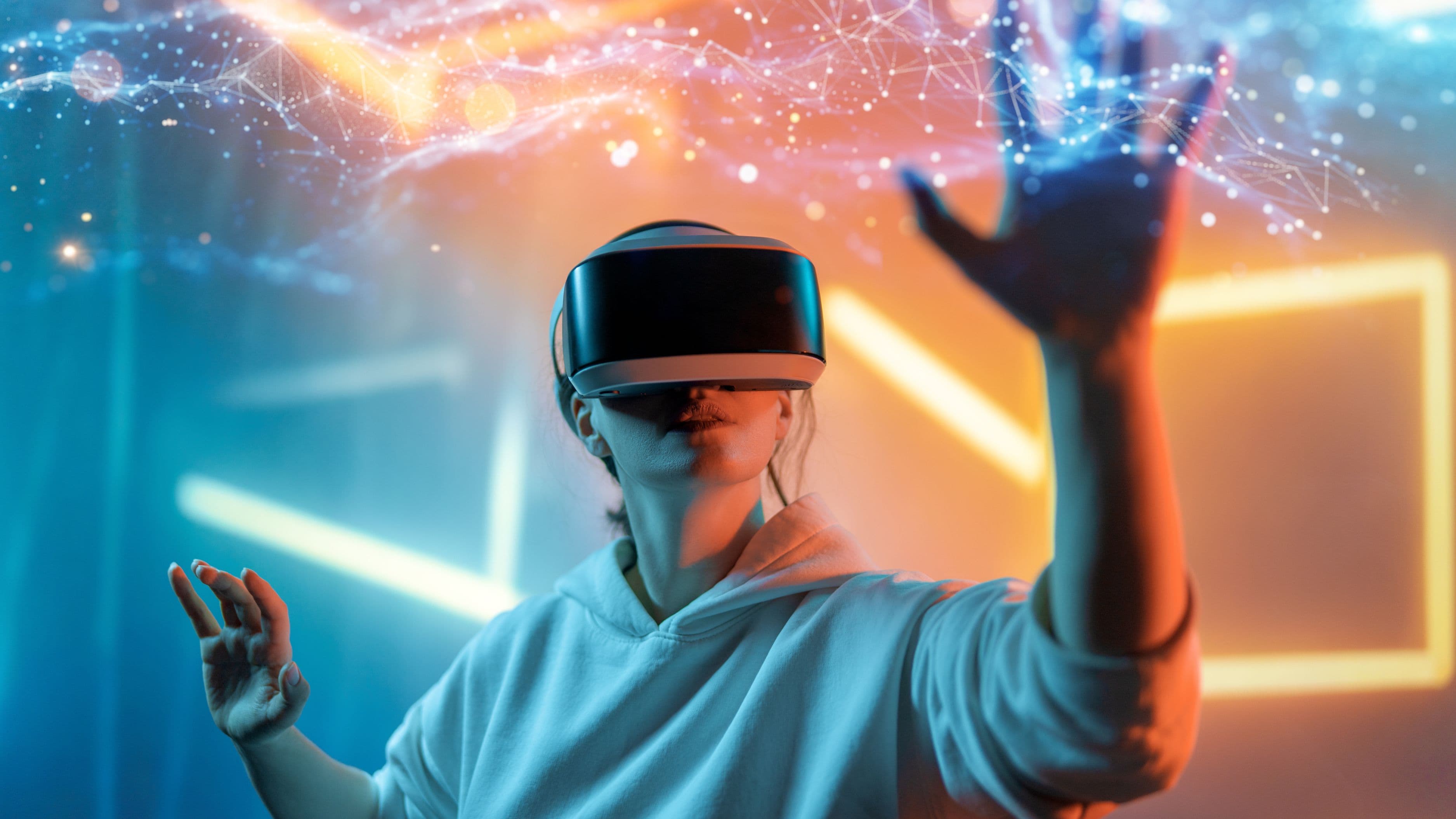
Mixed reality blends elements of virtual reality, which fully replaces your surroundings with a digital environment, and augmented reality, which overlays digital elements onto your real physical space without fully replacing it. For streaming specifically, this means content that isn't confined to a flat rectangular screen, but can instead appear integrated into your physical environment, or fully immersive in a way that puts you inside the content rather than watching it from outside.
This is meaningfully different from simply watching a flat video through a VR headset, which some platforms already support as essentially a large virtual screen in front of you. True mixed reality content is built specifically to take advantage of spatial, three-dimensional viewing rather than just recreating a traditional flat viewing experience inside a headset.
Where the Technology Currently Stands
Current headset technology from companies including Apple and Meta has introduced early spatial video capabilities, allowing certain content to be viewed with a genuine sense of depth and dimension rather than flat 2D video. This remains a relatively early-stage feature, with limited available content specifically produced for this format compared to the enormous libraries of traditional flat video content already available.
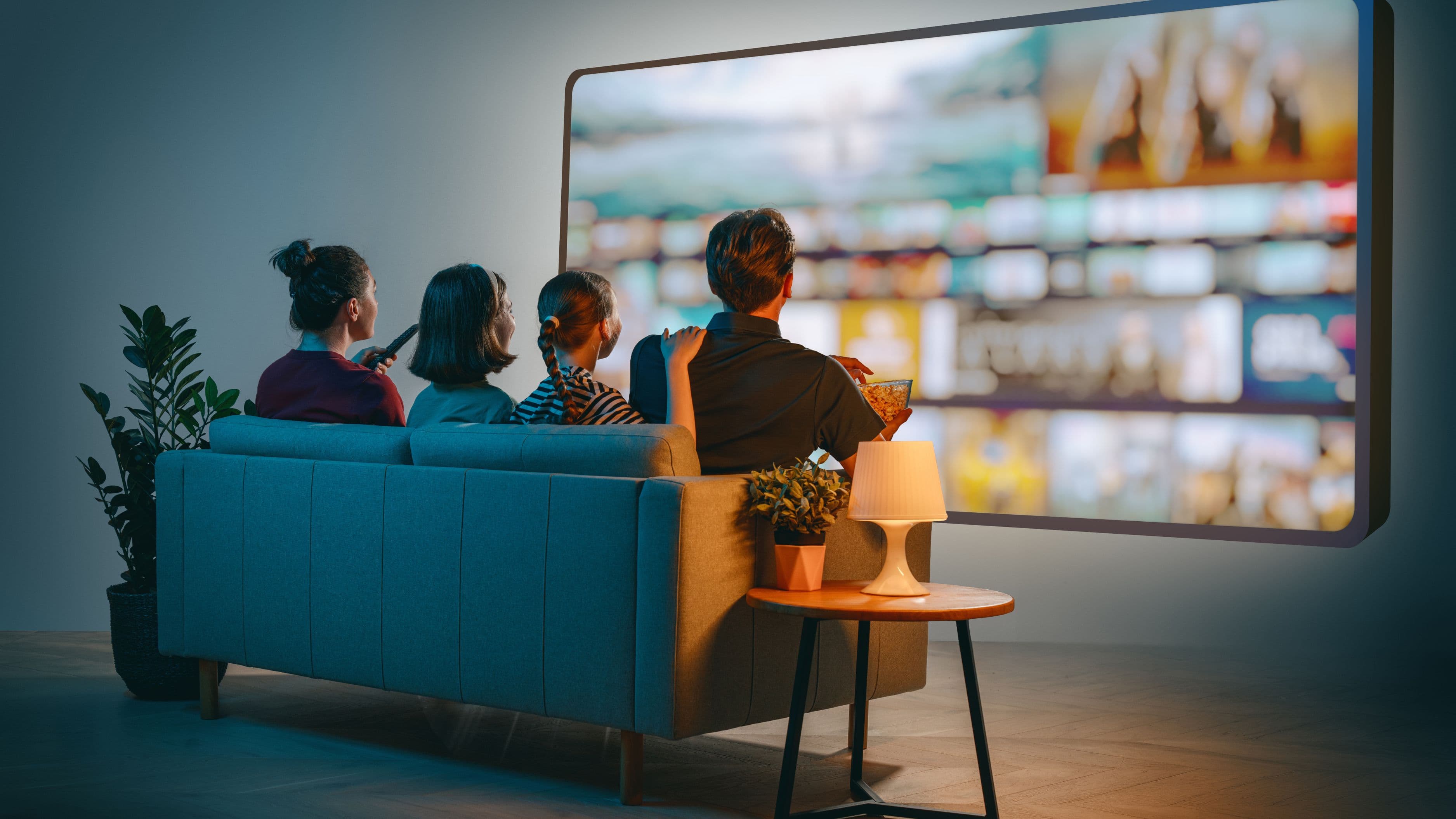
The hardware itself also remains a real barrier to mainstream adoption, since current headsets capable of quality mixed reality viewing are priced significantly higher than a traditional TV or streaming device, and many models still involve tradeoffs in comfort for extended viewing sessions compared to simply sitting on a couch with a regular screen.
Why Streaming Platforms Are Investing in This Now
Despite the current limitations, major platforms are investing early specifically because building genuinely compelling mixed reality content and viewing experiences requires significant lead time, both in developing new production techniques and in building the platform infrastructure to support this kind of content at scale. Companies that wait until the technology is fully mainstream risk being meaningfully behind competitors who've already built production expertise and content libraries during this earlier development phase.
There's also a competitive differentiation angle, since a genuinely compelling exclusive mixed reality experience could become a real driver for platform or hardware adoption, similar to how exclusive content has driven subscriber decisions in the traditional streaming landscape for years already.
What Content Types Are Likely to Lead This Shift
Live sports and concerts are widely expected to be among the earliest genuinely compelling use cases for mixed reality streaming, since the format's ability to create a sense of spatial presence – feeling like you're courtside at a game or in the crowd at a concert – offers a more clearly differentiated experience compared to traditional flat-screen viewing than most narrative content would provide at this early stage.
Documentary and educational content is another likely early adopter category, since spatial viewing can add genuine value to content about physical spaces, historical sites, or scientific visualization in ways that feel more naturally suited to the format than a traditional scripted drama might, at least during these earlier years of the technology's development.
Realistic Expectations for the Next Five Years
Widespread mainstream adoption of mixed reality streaming as a primary viewing method within five years seems unlikely given current hardware costs and comfort limitations, based on how previous significant format transitions in home entertainment, like the shift to streaming itself, have generally unfolded over longer timeframes than initial predictions suggested. A more realistic expectation is a gradually growing library of mixed reality content existing alongside traditional flat-screen streaming, primarily adopted by early adopters and enthusiasts rather than becoming a default mainstream viewing method within this timeframe.
Hardware costs are likely to decrease somewhat over this period as the technology matures and competition increases among manufacturers, which would meaningfully affect adoption rates, though matching the near-universal accessibility of a traditional television remains a significantly higher bar than currently seems achievable within five years specifically.
What to Watch For as Indicators of Faster Adoption
Keep an eye on hardware price drops below a few hundred dollars for capable headsets, since this price point would meaningfully change the accessibility calculation for average consumers compared to current premium pricing. Also watch for major platforms announcing dedicated mixed reality content libraries with a meaningfully larger and more diverse selection than the current early-stage offerings, since content availability and hardware affordability need to develop somewhat in tandem for genuine mainstream adoption to accelerate.
Comfort and form factor improvements in headset design, moving toward something closer to regular glasses rather than a bulkier headset, would also likely meaningfully affect how comfortable extended viewing sessions feel, which matters significantly for genuine mainstream household adoption beyond enthusiast early adopters.
What to Avoid Assuming Right Now
Don't assume you need to invest in expensive mixed reality hardware right now to avoid being "left behind" on streaming technology, since the current content library remains limited enough that most viewers won't meaningfully miss out by waiting for the format and hardware to mature further before investing.
Be skeptical of marketing claims suggesting mixed reality streaming will completely replace traditional flat-screen viewing within the next few years. Based on how previous major shifts in home entertainment technology have generally unfolded, a gradual coexistence between formats seems considerably more likely than a rapid, complete replacement of current viewing methods.
FAQ
Do I need a specific type of headset to watch mixed reality streaming content today? Currently yes, and available headsets capable of quality mixed reality viewing remain relatively expensive and limited in comfort for extended sessions compared to traditional viewing devices, which is a real barrier to mainstream adoption right now.
Will my existing streaming subscriptions include mixed reality content automatically? Some platforms have begun offering limited spatial or mixed reality content as part of existing subscriptions, though dedicated mixed reality libraries remain fairly limited compared to standard flat-video content overall.
Is mixed reality streaming likely to become the standard way people watch TV within five years? This seems unlikely as a dominant, mainstream default within that specific timeframe, given current hardware costs and comfort limitations, though gradual adoption alongside traditional streaming, particularly for specific content types like live sports, seems reasonably likely.
📚 Sources
Apple – "Spatial Video and Apple Vision Pro" – https://www.apple.com/apple-vision-pro/
Consumer Technology Association – "State of the Mixed Reality Industry" – https://www.cta.tech/