
What Live Commerce Actually Is
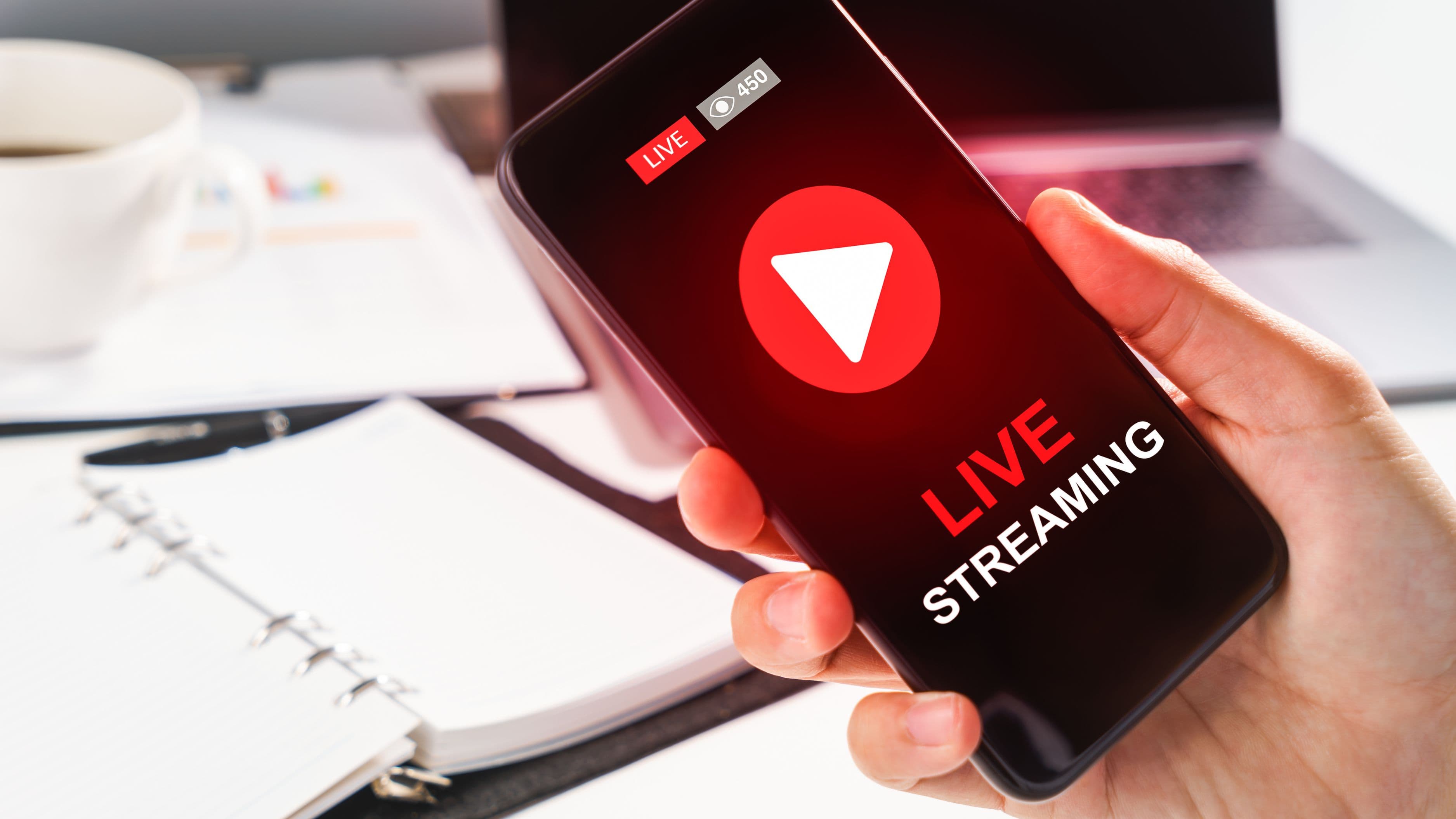
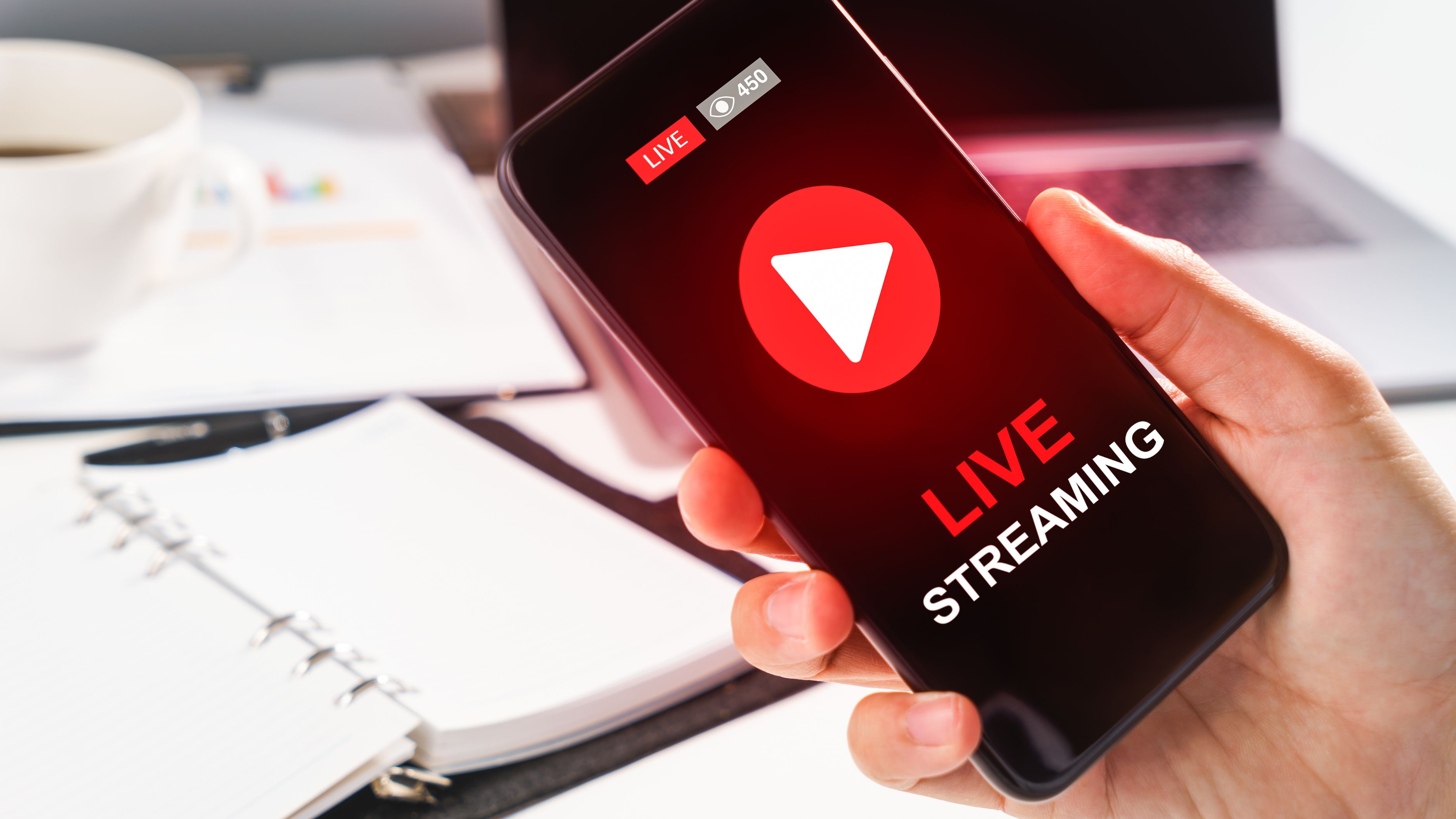
Live commerce refers to livestreamed content – whether that's a dedicated shopping show, an influencer demo, or a creator's regular content – where viewers can purchase products directly within the stream itself, without needing to leave the platform or navigate to a separate store. This differs from traditional influencer marketing, where a creator might mention a product and link out to a separate retailer, since the purchase itself happens in real time, embedded directly into the viewing experience.
This model has been a major commerce channel in markets like China for years, but its integration into mainstream Western streaming platforms has accelerated significantly as platforms build out native shopping features rather than relying on external links and separate apps.
Why This Is Happening Now
Platforms have strong incentives to keep viewers engaged without redirecting them elsewhere, and live commerce solves that problem directly by letting the purchase happen without ever leaving the stream. This keeps engagement metrics higher and creates a new, direct revenue stream for both platforms and creators, beyond traditional advertising or subscription models.
Viewer behavior has also shifted meaningfully toward valuing authenticity and real-time interaction over polished, traditional advertising. A creator demonstrating a product live, answering questions in real time, and reacting genuinely to viewer comments feels fundamentally different from a scripted commercial, and that difference translates into meaningfully higher purchase conversion for many creators and brands experimenting with this format.
What to Avoid: The Blurred Line Between Content and Advertising
As this format expands, one of the genuine downsides is that the distinction between "content you're watching for entertainment" and "an extended sales pitch" becomes increasingly blurred, sometimes without clear disclosure. Viewers who aren't paying close attention can find themselves watching what feels like casual, authentic content that's actually a structured sales presentation from start to finish.
Reputable platforms and creators generally disclose sponsored or commerce-integrated content clearly, but this isn't universally consistent across the industry, and viewers who want to stay aware of what they're actually watching should pay attention to disclosure labels and be mindful of how purchase-driven a given stream's format is before assuming it's purely entertainment-focused.
Real-World Example: How This Shows Up Across Platforms
Several major social platforms have built dedicated live shopping features directly into their apps, allowing creators to tag products during a livestream that viewers can purchase with a few taps without leaving the stream. Beauty, fashion, and home goods have been particularly active categories in this space, since these product types benefit significantly from live demonstration – seeing how a product actually looks or works in real time carries more persuasive weight than a static product photo.
Gaming and tech streaming have also incorporated lighter versions of this model, where streamers showcase and sell branded merchandise or sponsored products directly during otherwise standard content streams, blending commerce into formats that weren't originally built around shopping at all.
What This Means for How You Watch
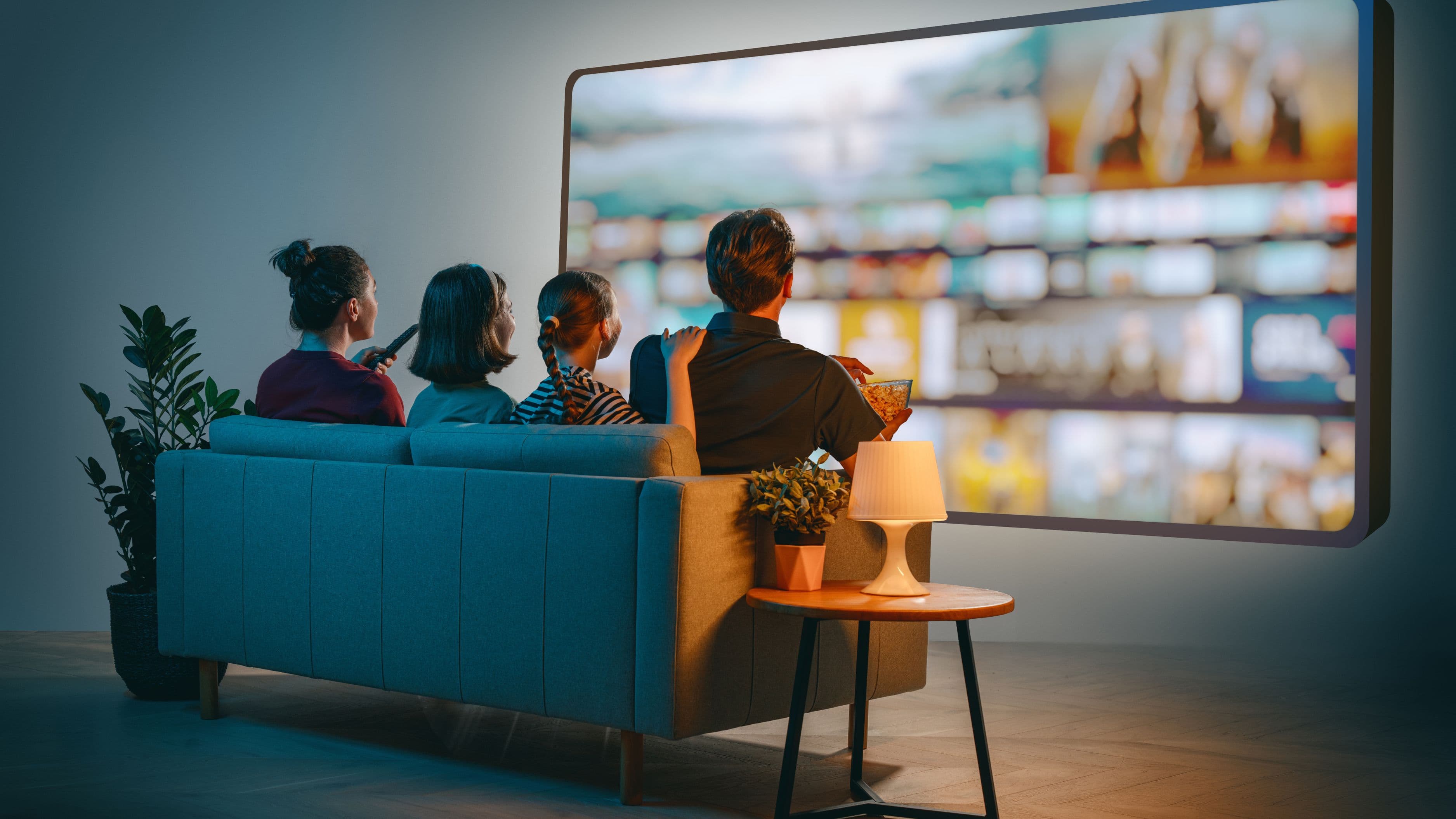
If you're a regular viewer of livestreamed content, expect to encounter more embedded shopping opportunities across platforms you already use, even in content categories that haven't traditionally been commerce-focused. This isn't necessarily a negative shift – for viewers genuinely interested in products a creator is showcasing, it removes friction from what used to be a more complicated process of finding and purchasing something seen in a video.
The trade-off is a more commercially integrated viewing experience overall, where distinguishing purely entertainment-driven content from commerce-integrated content requires slightly more attention than it used to, particularly as this format continues to expand into content categories that weren't originally built around shopping.
What to Watch Out For
Be mindful of impulse purchases during live commerce streams specifically, since the real-time, limited-availability framing common to this format (limited stock, time-sensitive discounts) is specifically designed to create urgency that can lead to less considered purchasing decisions than shopping through a standard online store.
Pay attention to whether a creator or platform clearly discloses sponsored or commerce partnerships, since this varies in consistency across the industry, and understanding when you're watching promotional content rather than purely independent creator opinion matters for making informed purchasing decisions.
Don't assume every product demonstrated live has been independently, objectively reviewed by the creator. Live commerce formats are inherently built around promoting specific products, and even genuine, authentic-feeling presentations are still fundamentally a sales format.
What's Next for This Trend
Expect continued platform investment in native live commerce features, alongside more traditional streaming and content creators experimenting with commerce integration in formats that weren't originally built around shopping. Cross-platform standardization of disclosure practices remains an area worth watching, since regulatory attention to influencer marketing and sponsored content disclosure continues to evolve alongside this format's growth.
FAQ
Is live commerce the same as regular influencer marketing? Not exactly. Live commerce specifically allows the purchase to happen directly within the stream in real time, rather than a creator simply mentioning a product and linking to an external retailer.
How do I know if a stream I'm watching is commerce-focused or purely entertainment content? Look for clear platform disclosure labels, and pay attention to whether the stream's structure revolves heavily around product demonstration and purchase prompts versus general content with occasional mentions.
Is it safe to make purchases directly within a livestream? Purchases made through major platforms' native shopping features generally use the same secure payment processing as their standard checkout systems, though it's still worth confirming you're using an official platform feature rather than an unfamiliar third-party link shared in a stream's chat or description.
Live commerce and streaming are converging into something that's neither pure entertainment nor a traditional shopping experience, but a genuinely new hybrid format – and understanding how it works helps you engage with it more intentionally, whether you're there to shop, watch, or a bit of both.
📚 Sources
eMarketer: Live Commerce Trends and Platform Adoption - https://www.emarketer.com/
Federal Trade Commission: Influencer and Endorsement Disclosure Guidelines - https://www.ftc.gov/business-guidance/resources/disclosures-101-social-media-influencers