
What IPTV Actually Means
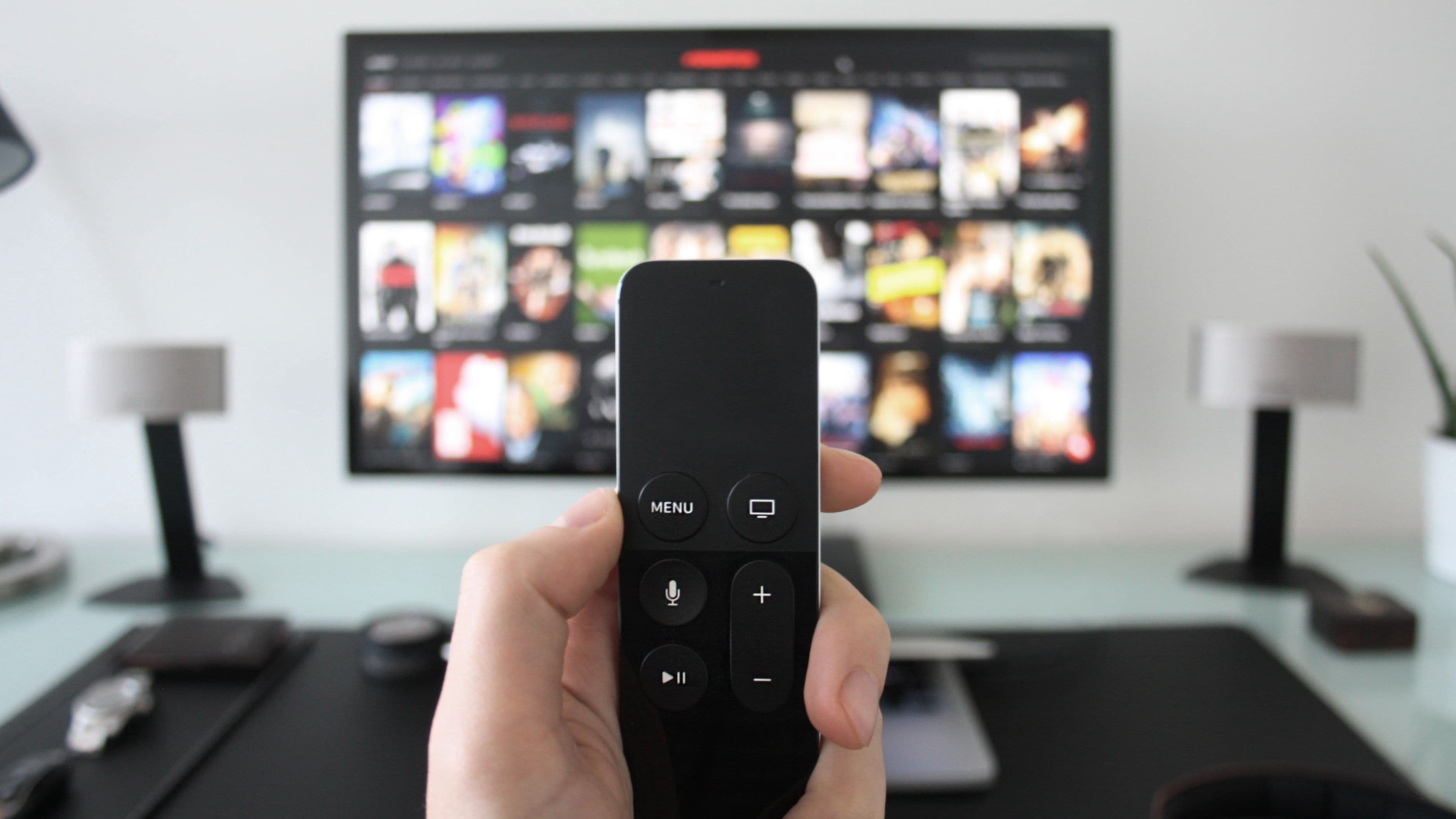
IPTV simply refers to delivering television content over an internet connection rather than through traditional cable, satellite, or broadcast antenna methods. This is the same underlying technology used by many mainstream, fully licensed streaming services that offer live television, meaning IPTV itself isn't inherently a piracy-related concept at all – it's the specific licensing and content sourcing behind a given service that determines whether it's operating legally.
Legitimate IPTV Services Worth Knowing About
Several well-established, fully licensed services use IPTV technology to deliver live television legally, having secured proper distribution agreements with content owners and broadcasters. YouTube TV, Hulu + Live TV, Sling TV, and fuboTV are among the most recognized legitimate IPTV-based services, each offering a legally licensed bundle of live channels delivered over an internet connection, functioning as a genuine alternative to traditional cable.
What this means practically: if you're looking to replace traditional cable with an internet-delivered live TV alternative, these established services provide the IPTV experience you're likely looking for, without the legal and security risks that come with unauthorized alternatives.
How to Identify an Unauthorized or Illegal IPTV Service
Unauthorized IPTV services typically advertise access to hundreds or even thousands of channels, including premium sports packages and channels from multiple countries, at a small fraction of what legitimate licensing costs would require, which is one of the clearest signals something is wrong, since content licensing for premium channels and live sports carries real, substantial costs that a legitimate small provider simply couldn't offer at those prices. These services also frequently operate without any clear company information, physical address, or customer service structure resembling a legitimate business.
What to watch out for: if a service's pricing seems dramatically lower than what the same channel bundle would cost through an established, recognizable provider, or if the service is vague about exactly which company is providing it, treat this as a strong warning sign rather than simply a good deal.
Why Unauthorized IPTV Services Carry Real Risk
Beyond the legal risk of accessing unlicensed content, which varies by jurisdiction but can carry genuine legal consequences for users in some regions, unauthorized IPTV services frequently require installing third-party apps or devices from unverified sources, which can carry real malware and security risks to your home network and personal information. These services also tend to be unreliable, since they operate outside official distribution agreements and can be shut down abruptly, often without any refund or advance notice to subscribers who've already paid for a subscription period.
What this means practically: even setting aside the legal question entirely, the practical reliability and security risks of unauthorized IPTV services make them a genuinely poor value proposition compared to the modest savings they might offer over a legitimate alternative.
How to Choose a Legitimate IPTV Service for Your Needs
Start by identifying which specific channels and content actually matter most to you – local network channels, specific sports packages, particular cable networks – then compare which legitimate services include those in their channel lineup, since coverage does vary meaningfully between providers. Most legitimate services offer a free trial period, which is worth using to confirm the specific channel lineup and streaming quality meet your expectations before committing to a paid subscription.
Realistic expectation: legitimate IPTV services generally run $40-$80 monthly depending on the specific channel package and add-ons selected, which is genuinely more than the suspiciously cheap unauthorized alternatives, but reflects actual content licensing costs and comes with reliable service and legal legitimacy in return.
What to Avoid
Avoid any service requiring you to install an unfamiliar third-party app from outside your device's official app store, since this is one of the more common ways unauthorized IPTV services distribute their access, and it introduces real security risk to your device and home network beyond the underlying licensing issue itself.
Be skeptical of any service advertising access to premium sports blackout content or channels not typically available for streaming licensing in your specific region, since legitimate services are bound by the same regional broadcasting rights restrictions that apply to traditional cable and satellite providers.
FAQ
Is all IPTV illegal? No – IPTV is simply a delivery technology, and numerous fully licensed, legitimate services use it; the legality depends entirely on whether the specific service has proper content licensing agreements in place, not on the underlying technology itself.
Can I get in legal trouble for using an unauthorized IPTV service? This varies significantly by jurisdiction, and legal consequences have historically focused more on operators of unauthorized services than individual users, though the legal risk and uncertainty is a real consideration worth weighing against the security risks involved.
Are legitimate IPTV services cheaper than traditional cable? Often yes, though not always dramatically so, and the actual savings depend on which specific channels and packages you need compared to your current cable plan.
IPTV itself is simply a legitimate delivery technology used by well-established, fully licensed services, and the real distinction to focus on is verifying a specific provider's legitimacy rather than avoiding IPTV as a category entirely. Sticking with recognized, established providers protects both your legal standing and your home network's security, without the unreliable service unauthorized alternatives frequently deliver anyway.
📚 Sources
FCC: Understanding Streaming and Online Video Services – https://www.fcc.gov/consumers/guides
Federal Trade Commission: Streaming Piracy Risks for Consumers – https://consumer.ftc.gov/
YouTube TV: Official Service Information – https://tv.youtube.com/