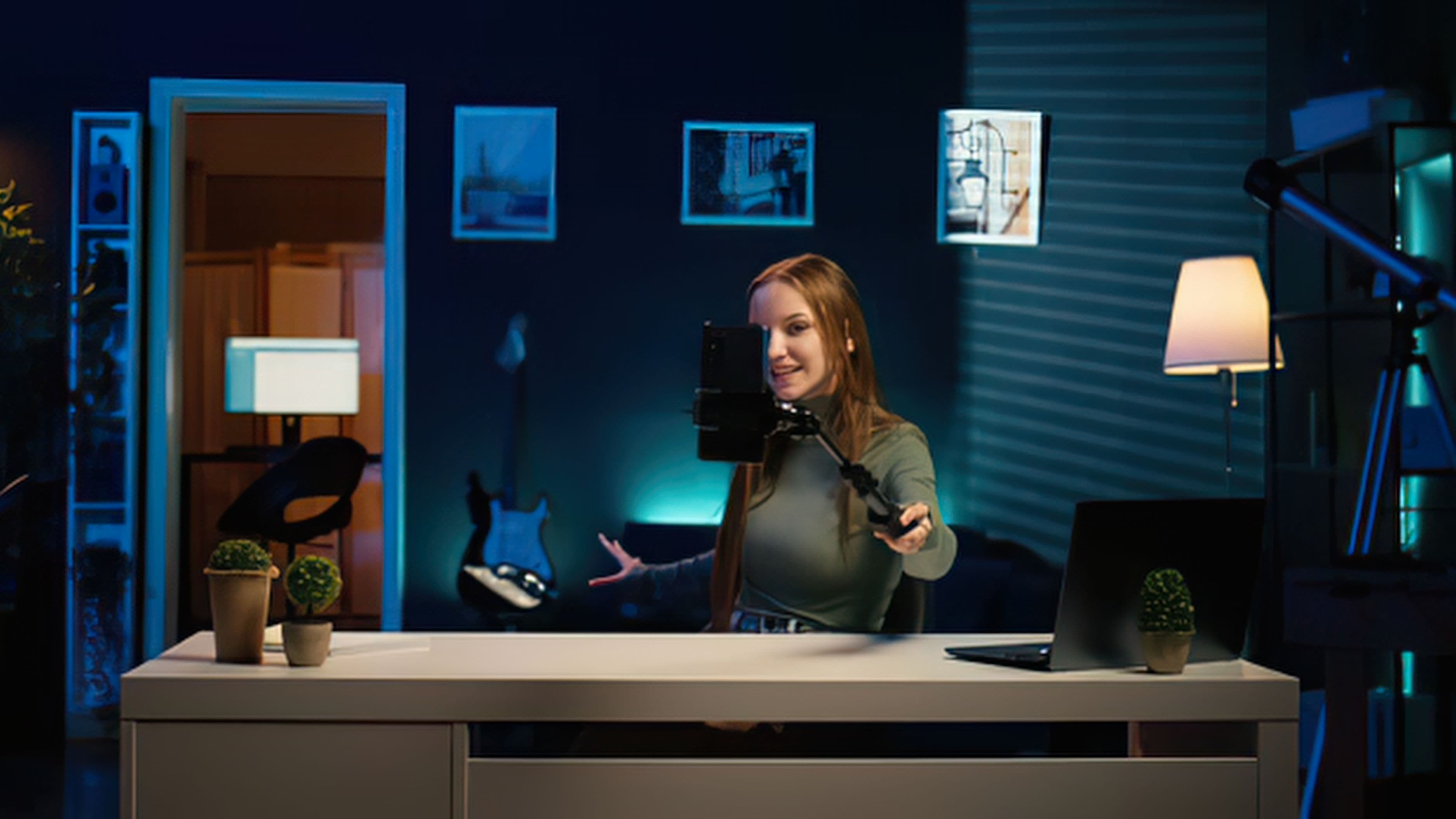

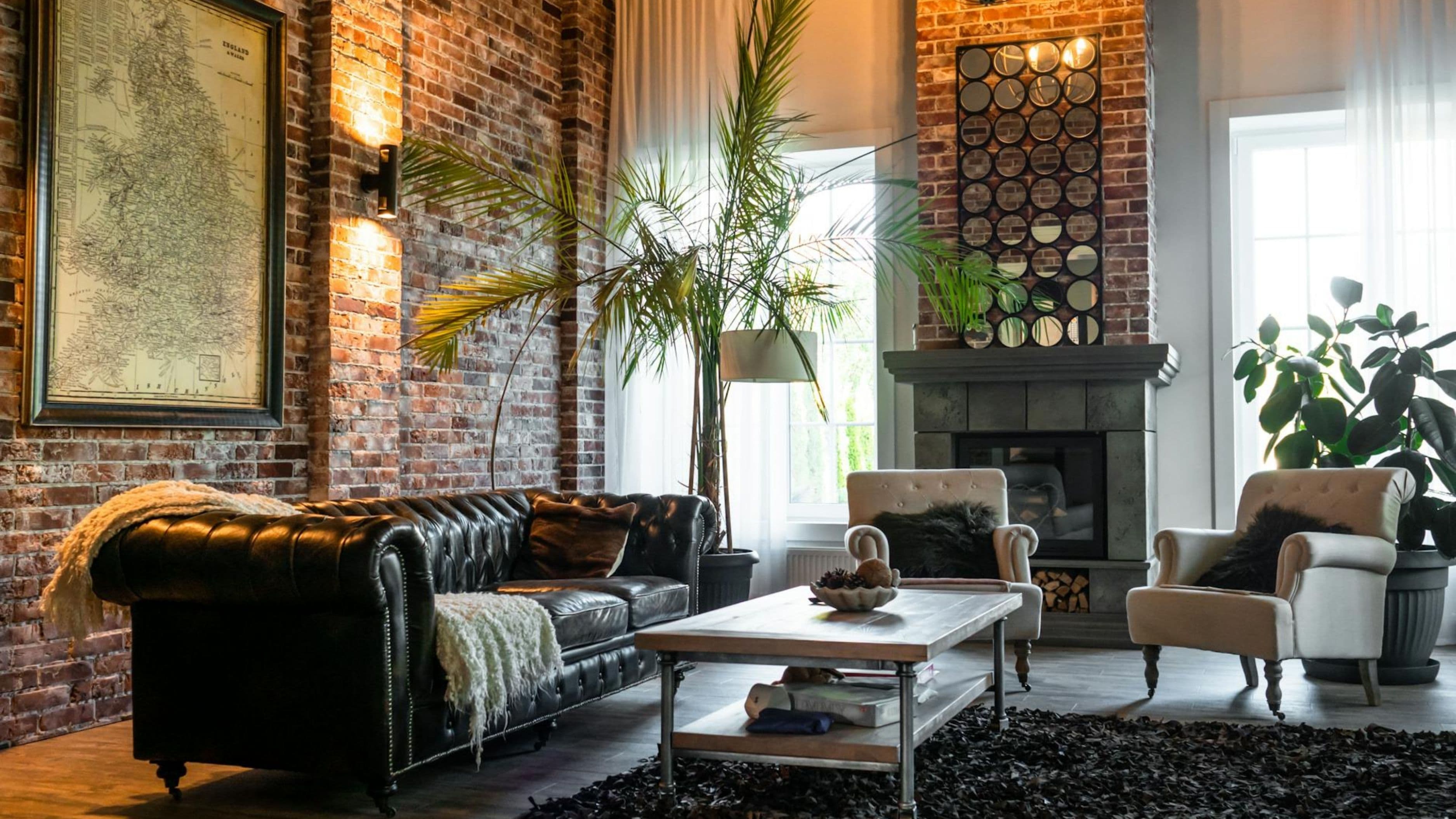
Here's the uncomfortable truth: our homes are starting to look like showrooms for the same three furniture stores, and the algorithm might be the pushy salesperson we never asked for. Let's dive into the digital design rabbit hole and figure out if we've all become unwitting participants in the world's largest home decor echo chamber.
The Beige Epidemic Is Real
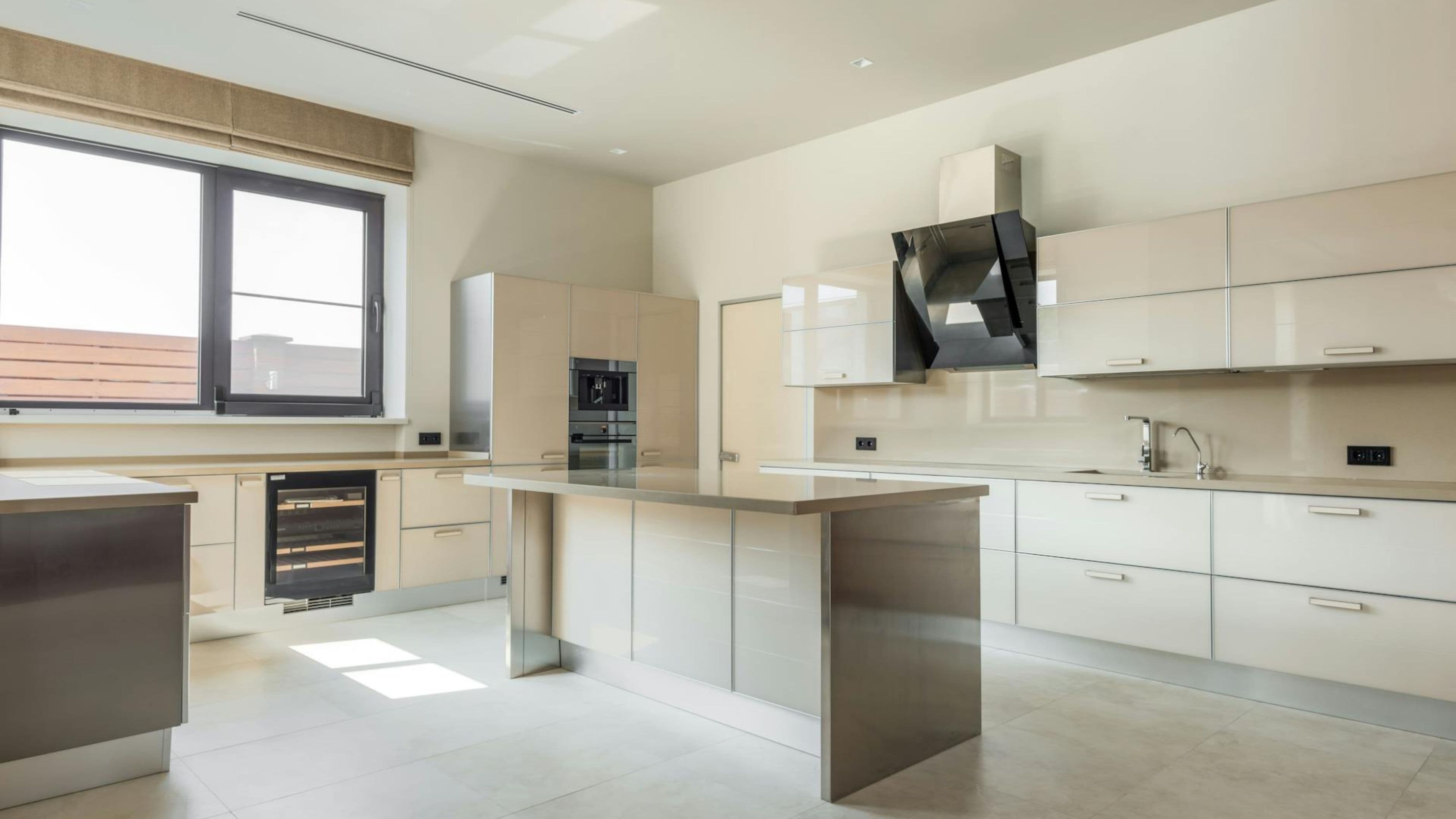
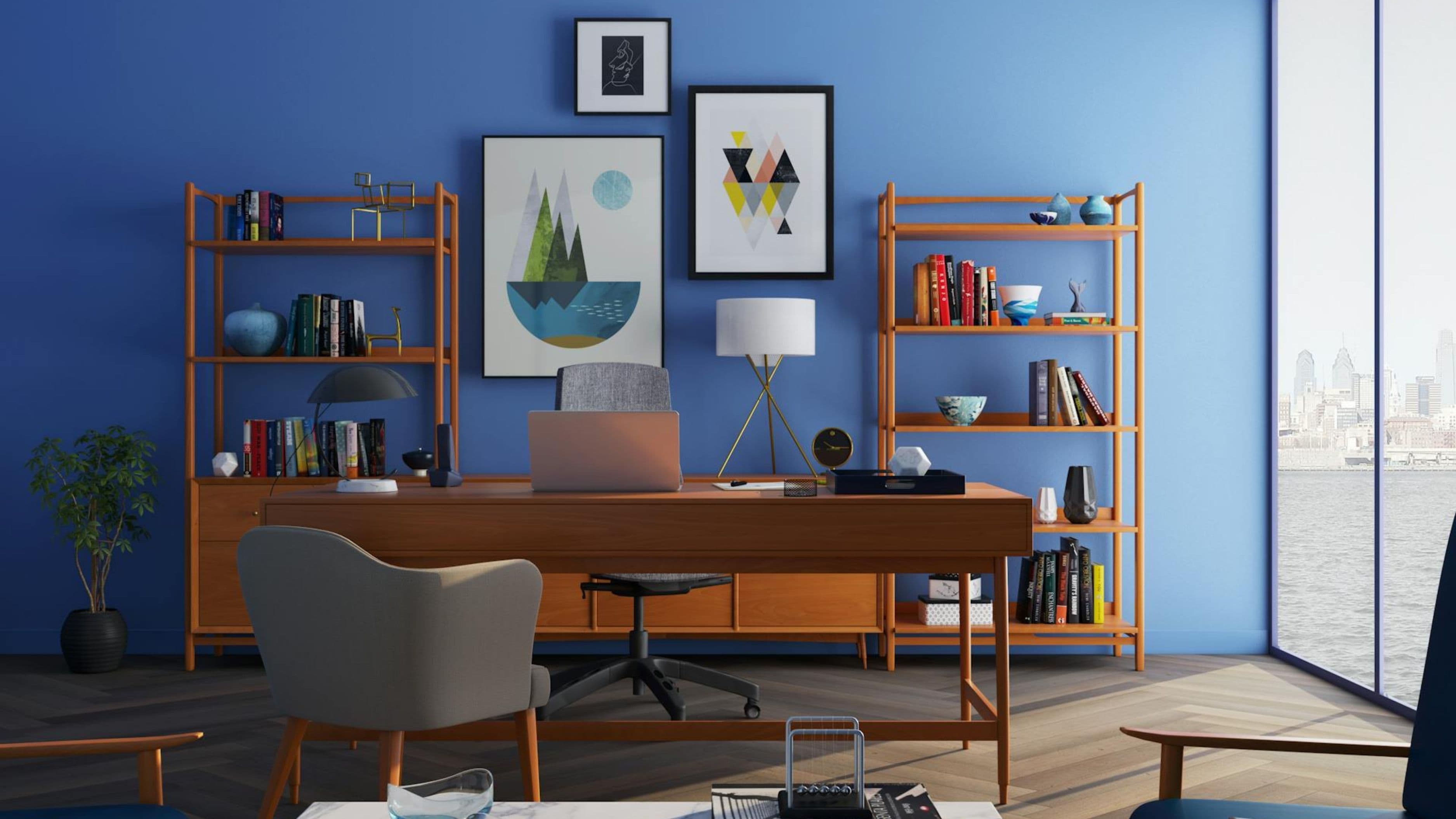
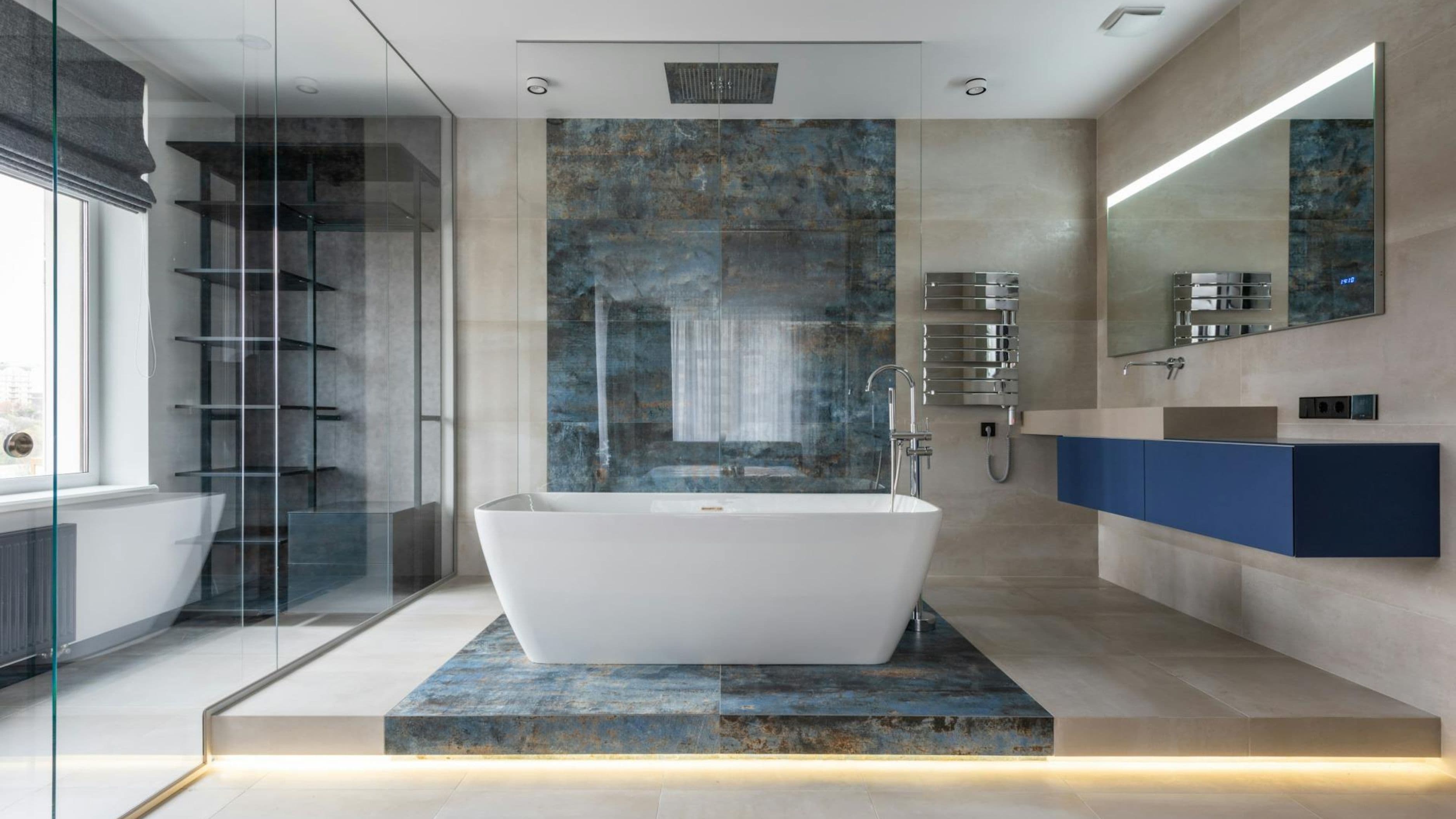
Walk into ten "Instagram-worthy" apartments today, and you'll spot the same neutral palette faster than you can say "curated chaos." Beige walls, cream sofas, natural wood accents, dried flowers in minimalist vases—it's like someone hit copy-paste on an entire generation's aesthetic choices. The algorithm loves this stuff because it photographs beautifully, gets high engagement, and then the cycle perpetuates itself like some sort of tasteful Ouroboros eating its own perfectly styled tail.
But here's where it gets interesting: this isn't just about people following trends. The Instagram algorithm actively shapes what we see, which influences what we think is desirable, which determines what we buy, which creates more content that looks the same. It's a feedback loop so tight, it makes a Möbius strip look straightforward. When certain styles get more engagement, the algorithm pushes similar content to more users, creating an aesthetic monoculture that's as pervasive as it is subtle.
The numbers don't lie either. According to research on social media's influence on consumer behavior, visual platforms like Instagram have become primary sources of design inspiration for over 70% of millennials and Gen Z homeowners. We're not just browsing for fun—we're essentially outsourcing our personal taste to an algorithm that prioritizes engagement metrics over individual expression.
The Influencer Effect Multiplied
Remember when influencers were just people with good taste sharing their authentic spaces? Those days are as gone as shag carpeting (well, actually, shag's making a comeback—because algorithm). Today's home influencers know exactly what performs well: natural light flooding through sheer curtains, a strategically placed monstera plant, and that one accent chair that everyone recognizes from Target but nobody admits to owning.
The algorithm rewards consistency and familiarity, not innovation. When an influencer posts something unexpected or avant-garde, it typically gets less reach than their tried-and-true content. So they stick with what works, their followers emulate what they see, and suddenly we're all living in variations of the same space. It's like high school but with throw pillows—everyone wants to sit at the cool table, and the cool table has very specific decorating rules.
What makes this particularly fascinating is how the algorithm creates micro-trends that feel personal but are actually massive. That "unique" vintage mirror you hunted down on Facebook Marketplace? Seventeen thousand other people had the same hunt, found similar mirrors, and posted them with the same triumphant caption. The algorithm made you feel like a design detective when really, you were following a treasure map it drew for everyone.
The Democratization Paradox
Here's the twist that keeps things complicated: Instagram has genuinely democratized design inspiration. Gone are the days when you needed expensive shelter magazines or an interior designer to imagine beautiful spaces. Now, endless inspiration is literally at your fingertips, free and accessible to anyone with a smartphone and decent WiFi. That's objectively amazing and has opened up the world of design to people who never thought they could create beautiful spaces.
But—and it's a significant but—this democratization came with an unexpected price tag: homogenization. When everyone has access to the same inspiration, algorithmic curation ensures we're all seeing similar versions of "inspiration." The platform that was supposed to showcase diverse creativity has become a highlighting tool for whatever's already popular. It's like going to an all-you-can-eat buffet where every dish is basically the same meal with slightly different garnishes.
The algorithm doesn't care about your quirky aunt's maximalist aesthetic or your friend's bold color choices unless those styles already have significant traction. It pushes the middle, the safe, the proven—which means the wild, the weird, and the wonderfully personal get buried under an avalanche of beige linen and eucalyptus branches.
The Dopamine Design Trap
Let's talk about why this matters beyond just aesthetics. Every time you post your space and watch those hearts roll in, your brain gets a little dopamine hit. The algorithm learns what gets you those hits and shows you more of it. Before you know it, you're making decorating decisions based not on what makes you happy when you walk through your door after a long day, but on what will photograph well and generate engagement from strangers who'll scroll past your post in 0.3 seconds.
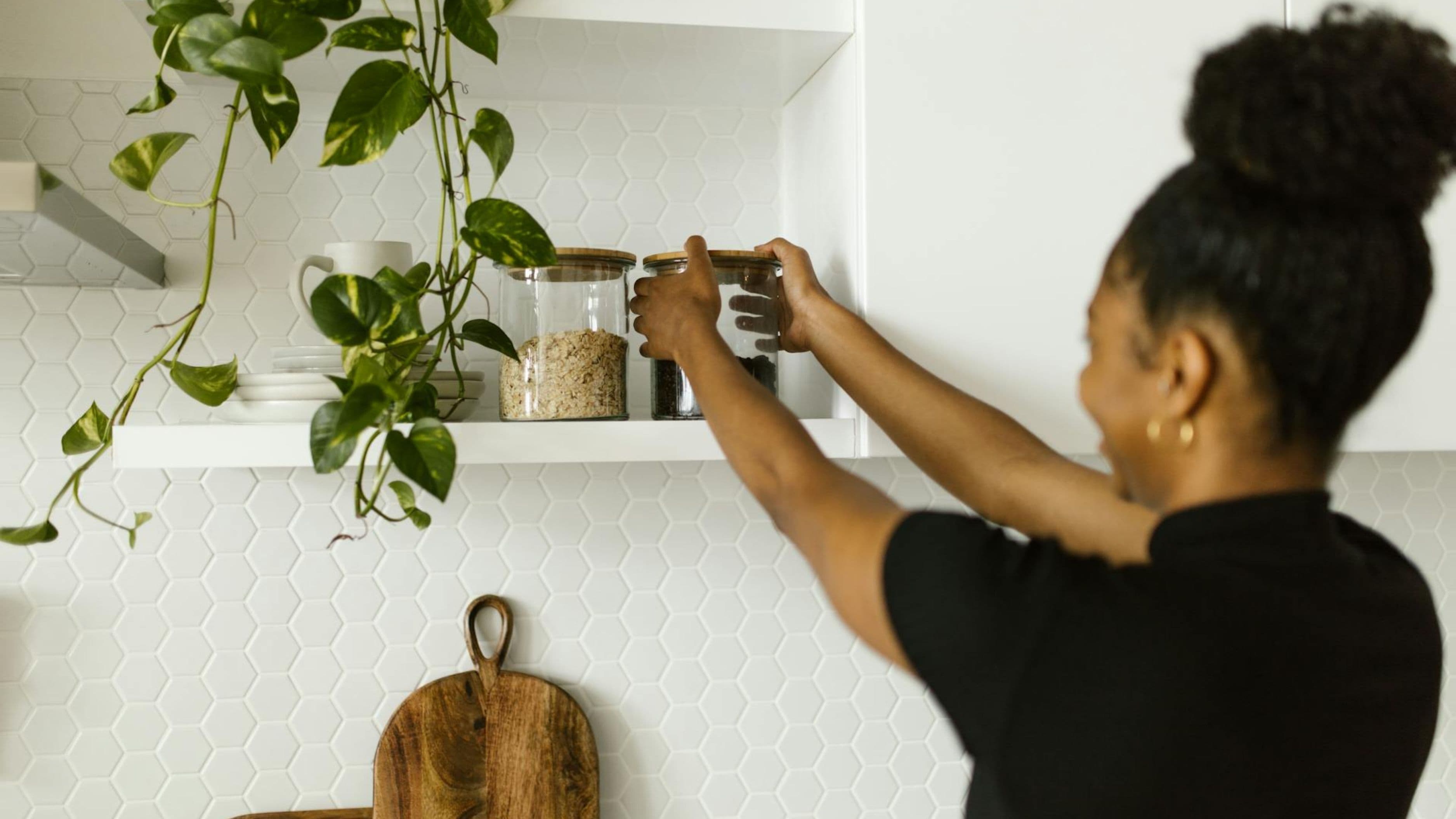
This creates a bizarre situation where we're decorating for cameras rather than comfort, for likes rather than livability. That uncomfortable but photogenic chair? Instagram approved. Those open shelves that require constant maintenance to look Pinterest-perfect? Algorithm gold. The cozy, mismatched, slightly chaotic space that actually reflects your personality? Crickets. We're optimizing our homes for engagement metrics like they're startup ventures instead of places where we live actual lives.
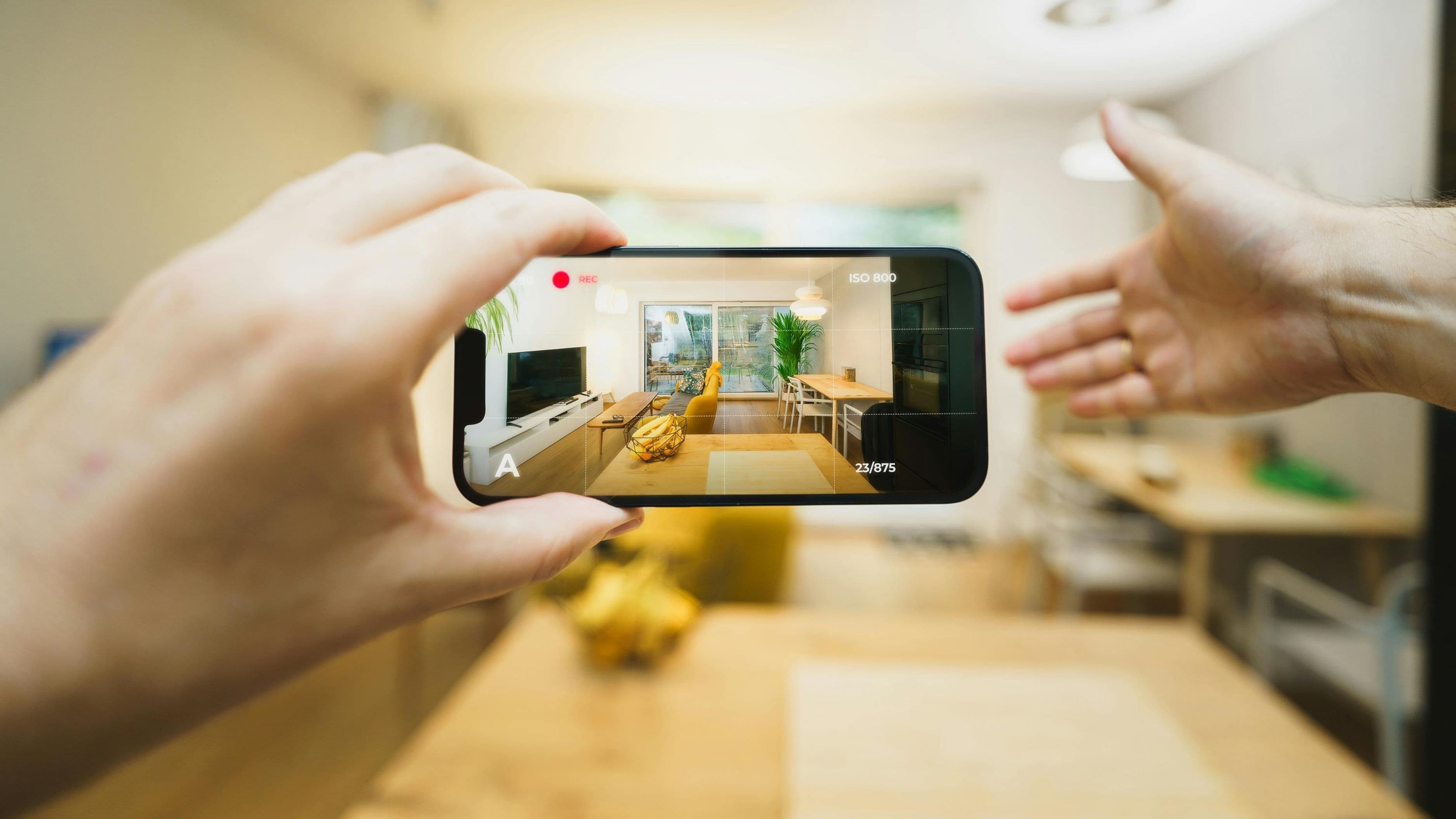
The psychological impact runs deeper than we might think. When your personal space—the one place that should be entirely yours—becomes a stage for public consumption, it shifts your relationship with home itself. You start seeing your living room through an imaginary lens, arranging objects not for your enjoyment but for their potential as content. It's exhausting, and it's fundamentally changing how we inhabit our spaces.
The Rebellion Is Brewing
Here's the good news: people are catching on, and the backlash is deliciously chaotic. There's a growing movement of decorators and design enthusiasts who are actively working against the algorithm's aesthetic tyranny. They're called "anti-sad beige" warriors, maximalist rebels, and color enthusiasts, and they're making spaces that would give the Instagram algorithm an existential crisis.
These rebels are filling their homes with clashing patterns, bold colors, collections of "stuff" that would make a minimalist weep, and—gasp—personal items that have meaning but aren't necessarily photogenic. They're prioritizing personality over popularity, comfort over content, and their Instagram feeds are genuinely refreshing because they look like real people live there. Imagine that.
What's particularly interesting is how some of these anti-algorithm aesthetics are themselves becoming algorithmic trends. The platform's starting to recognize that users are hungry for authenticity and visual diversity, so it's slowly—very slowly—beginning to surface more varied content. It's still early days, but there's hope that the algorithm might eventually reward genuine personality over generic perfection.
Breaking Free From the Feed
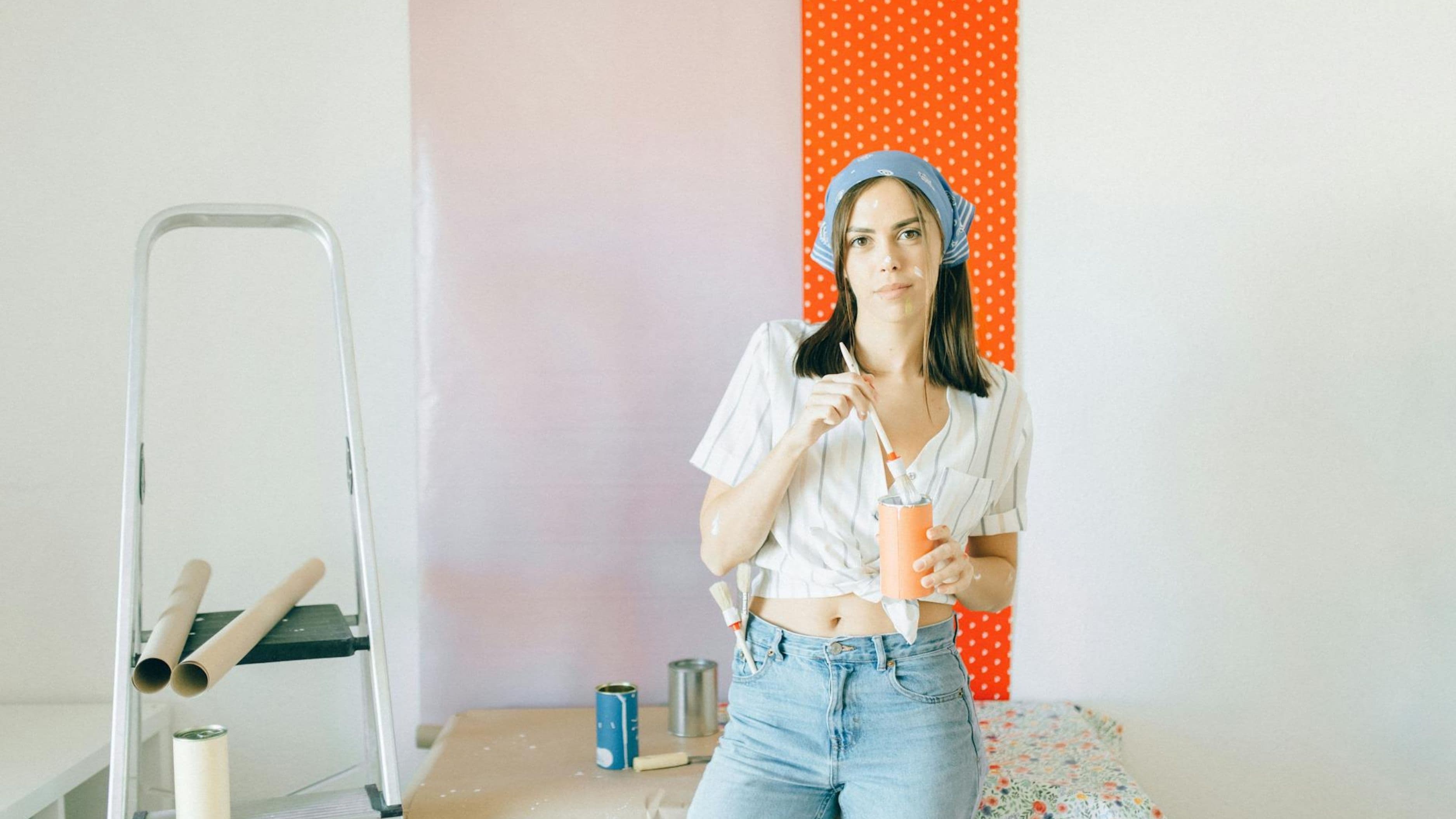
So how do you decorate like yourself in an age when the algorithm wants you to decorate like everyone else? Start by unfollowing accounts that make you feel like your space isn't good enough. Seriously, curate your feed like you'd curate your home—intentionally and with your actual preferences in mind, not what you think you should like.
Next, try the "phone down" test. Before you buy something or arrange a space, put your phone away and sit with the decision for a few days. Does that item still spark joy when you're not imagining the caption you'd write about it? Would you love that gallery wall if no one ever photographed it? These questions might feel ridiculous, but they're increasingly necessary in an age when we're constantly considering how our private spaces will perform publicly.
Finally, embrace the things that won't trend. Display your weird collection of vintage tin robots. Paint a wall that color everyone says is "too much." Mix patterns like you're DJ-ing a design rave. The algorithm won't know what to do with you, and that's exactly the point. Your home should be a reflection of your life, your interests, your memories—not a carefully curated performance of someone else's definition of good taste.
The Future of Design Democracy
Looking ahead, the relationship between social media algorithms and home design will likely continue evolving. As platforms recognize the value of diverse content and users demand more authenticity, we might see algorithms that actually reward creativity and personal expression rather than safe conformity. Or we might see the opposite—even tighter aesthetic conformity as AI-generated design trends become more sophisticated and persuasive.
What's certain is that awareness is the first step toward change. Understanding how the algorithm shapes our choices gives us the power to make more intentional decisions. We can appreciate the inspiration Instagram provides while maintaining critical distance from its homogenizing effects. It's possible to exist in these digital spaces without letting them completely dictate our physical ones.
The key is remembering that design trends come and go, but you have to live with your choices every single day. That influencer with the perfect beige living room? They probably have another room that's full of colorful chaos they don't photograph. Your home can be beautiful, functional, trendy, or completely unique—but most importantly, it should be yours.
Your Space, Your Rules
At the end of the day, your home doesn't need to be Instagrammable to be incredible. It doesn't need to follow the algorithm's playbook to be beautiful. The most stunning spaces are the ones that tell a story—your story—with all its quirks, contradictions, and personality on full display.
So yes, we're probably all decorating more similarly than we'd like to admit, thanks to the invisible hand of the Instagram algorithm. But awareness is power, and rebellion is always an option. Fill your space with things that make you smile when no one's watching, colors that energize you even if they'd never trend, and arrange furniture for living, not for likes.
Your home doesn't need to be perfect—just less algorithm and more you. And if that terracotta vase really does bring you joy? Keep it. Just maybe skip posting it with the same caption as everyone else.
📚 Sources
1. Morning Consult. (2024). "Social Media Influence on Home Design: Consumer Behavior Report." Research examining how visual platforms shape purchasing decisions among millennials and Gen Z consumers.
2. Pew Research Center. (2023). "Social Media Use and Its Impact on Consumer Choices." Study on how algorithmic content curation affects user behavior and decision-making patterns.