
1. Niche Down Until You Own It
Indie platforms don't chase everyone—they chase someone intensely. Shudder built an empire for horror fans who felt abandoned by mainstream algorithms pushing rom-coms. MUBI curates exactly one film per day for cinephiles who want discovery, not endless scrolling. When you're not trying to please 200 million subscribers, you can obsess over the 200,000 who'll pay for exactly what they want. Specificity becomes your infrastructure advantage because knowing your audience intimately costs less than building data centers in twelve countries.
2. Lean on Cloud Partners, Not Data Centers
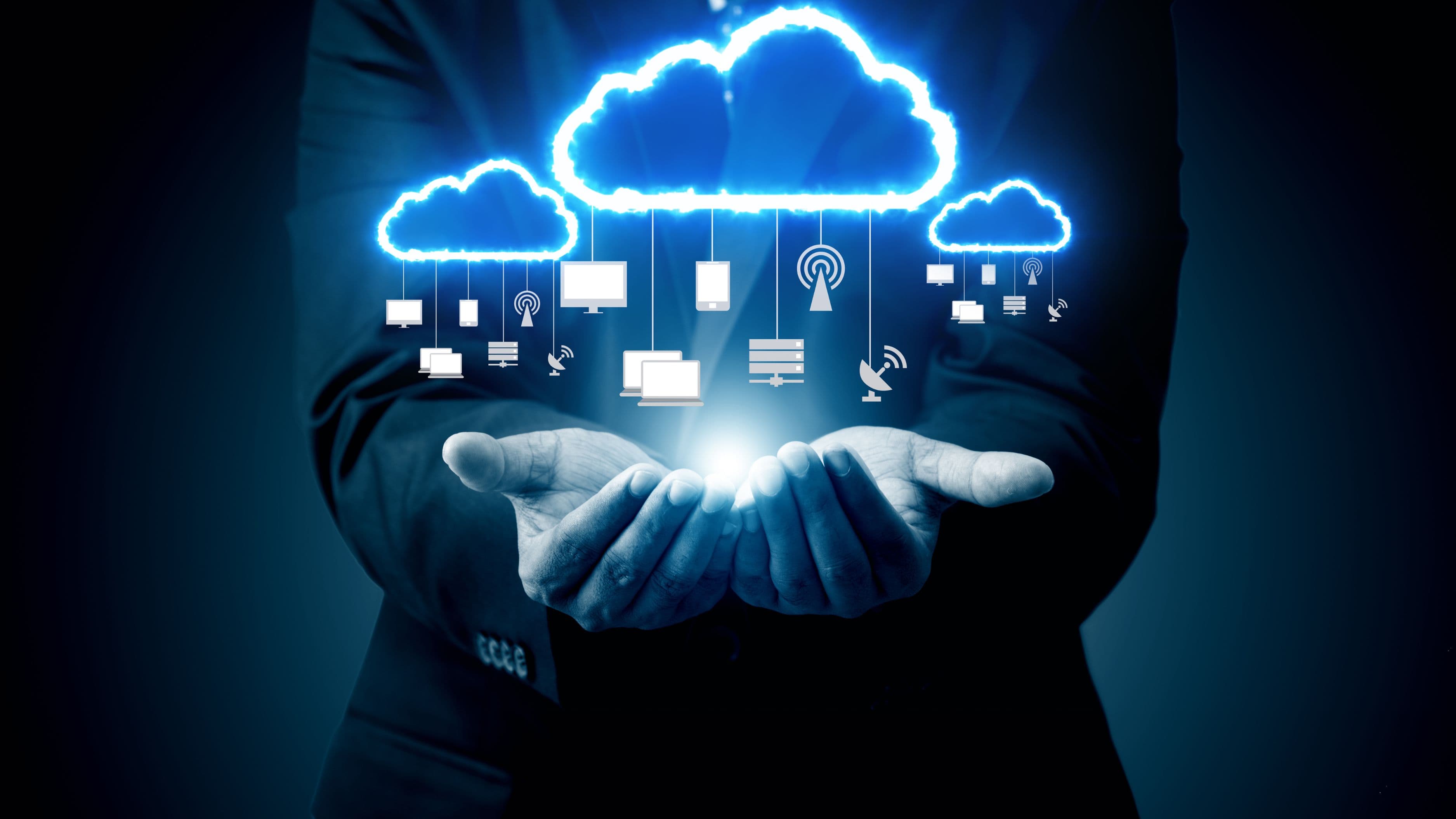
Building your own server farms is a billionaire's game. Indie platforms rent computing power from AWS, Google Cloud, or Microsoft Azure—the same backbone the giants use. Vimeo OTT and Brightcove provide white-label streaming technology so platforms can launch without hiring a team of engineers. This means a creator-owned platform like Nebula can serve millions of views without owning a single server. The infrastructure exists; indies just needed to stop thinking they had to build it from scratch.
3. Creator Partnerships Over Celebrity Contracts
Netflix pays $100 million for a Beyoncé special. Indie platforms pay creators in revenue share, equity, and genuine collaboration. Dropout, founded by former CollegeHumor staff, gives comedians ownership stakes and creative freedom mainstream platforms won't. Nebula's creator co-op model means YouTubers like Wendover Productions and Legal Eagle aren't just talent—they're stakeholders. When creators feel invested, they promote harder than any marketing budget could buy, turning their audiences into your subscribers without spending a dime on billboards in Times Square.
4. Community Beats Scale
Tech giants measure success in total subscribers. Indies measure it in engagement rates and Discord activity. Platforms like Dropout and Critical Role's Beacon thrive because their communities feel like members, not customers. Monthly live streams, creator AMAs, and dedicated forums turn passive viewers into evangelists who defend the platform in Reddit threads and convert friends organically. A tight-knit community of 500,000 paying subscribers generates more sustainable revenue than 5 million casual free-trial users who'll churn next month.
5. Ads Without Apology
While Netflix finally caved to ad tiers after years of resistance, platforms like Tubi, Pluto TV, and Freevee built their entire models around free, ad-supported streaming. They recognized early that not everyone wants another $15 monthly bill. By offering quality content for free, they captured budget-conscious viewers and turned advertiser relationships into their infrastructure advantage. The giant platforms are now scrambling to build what indies perfected years ago—serving targeted ads without alienating users who just want to watch something without a credit card.
6. Aggregate the Long Tail
Tech giants chase blockbusters. Indie platforms collect the content nobody else wants—and viewers absolutely crave. Tubi's library includes thousands of B-movies, cult classics, and international films that would never justify Netflix's licensing budget. FilmStruck (RIP) and Criterion Channel proved audiences will pay premium prices for obscure foreign cinema and silent films if you make them easy to find. The long tail of content is infinite and cheap to license because major platforms already passed on it. One platform's trash becomes another's treasure when you know who's searching for it.
7. Zero Legacy Tech Debt
Netflix still maintains code from when streaming meant mailing DVDs. Indie platforms launch with modern tech stacks, mobile-first designs, and APIs built for flexibility. They can implement new features in weeks that would take legacy systems months to deploy. Platforms like Nebula can experiment with offline downloads, watch parties, and interactive features without fighting bureaucracy or outdated infrastructure. Starting fresh means moving fast, and speed matters when user expectations evolve every quarter.
8. Hyper-Local Licensing Deals
While giants negotiate global rights for hundreds of millions, indies grab regional exclusives for thousands. A platform focused on Korean dramas doesn't need streaming rights in 190 countries—just the English-speaking markets that care. Viki built an empire on Asian content by focusing on communities that felt underserved by mainstream platforms. Local licensing costs a fraction of global deals, and passionate niche audiences don't care that the show isn't available in Brazil—they care that they can finally watch it legally.
9. Transparent Economics
Nebula publishes exactly how much creators earn per view. Patreon-style platforms show subscribers where their money goes. This radical transparency builds trust that no tech giant can match when they're protecting shareholder interests and billion-dollar valuations. When viewers understand that their $5 directly supports creators they love rather than funding another season of a canceled-too-soon Netflix series, they stick around. The economics of indie streaming aren't hidden in corporate reports—they're in plain sight, and that honesty is infrastructure money can't buy.
10. Exit Strategy as Entry Strategy
Smart indie platforms know they don't have to beat giants—they just have to become attractive acquisition targets. When Walmart bought Vudu, when NBCUniversal absorbed Peacock's tech team, when Apple acquired sports streaming patents, they validated the indie playbook. Building a loyal niche audience and proven technology makes you valuable to corporations that need exactly what you built. Competition becomes collaboration when your endgame is selling the tools you perfected while the giants were distracted by scale. Sometimes the best way to compete is to build something they'll eventually need to buy.
The real competition isn't about matching budgets—it's about matching energy with opportunity. While tech giants optimize for shareholders and global domination, indie platforms optimize for humans who just want to watch what they love without algorithmic interference. That's not a disadvantage. That's a strategy.
Pick one platform you've never tried and subscribe today. Momentum starts when you vote with your wallet.
📚 Sources
1. Pew Research Center. (2024). "State of Streaming: Consumer Adoption and Platform Economics in the Digital Age." Pew Research Center Media Studies.
2. TechCrunch. (2023). "How Creator-Owned Platforms Are Reshaping the Streaming Economy." Technology Industry Analysis.
3. The Verge. (2024). "Inside the Economics of Niche Streaming Platforms." Digital Media Coverage.