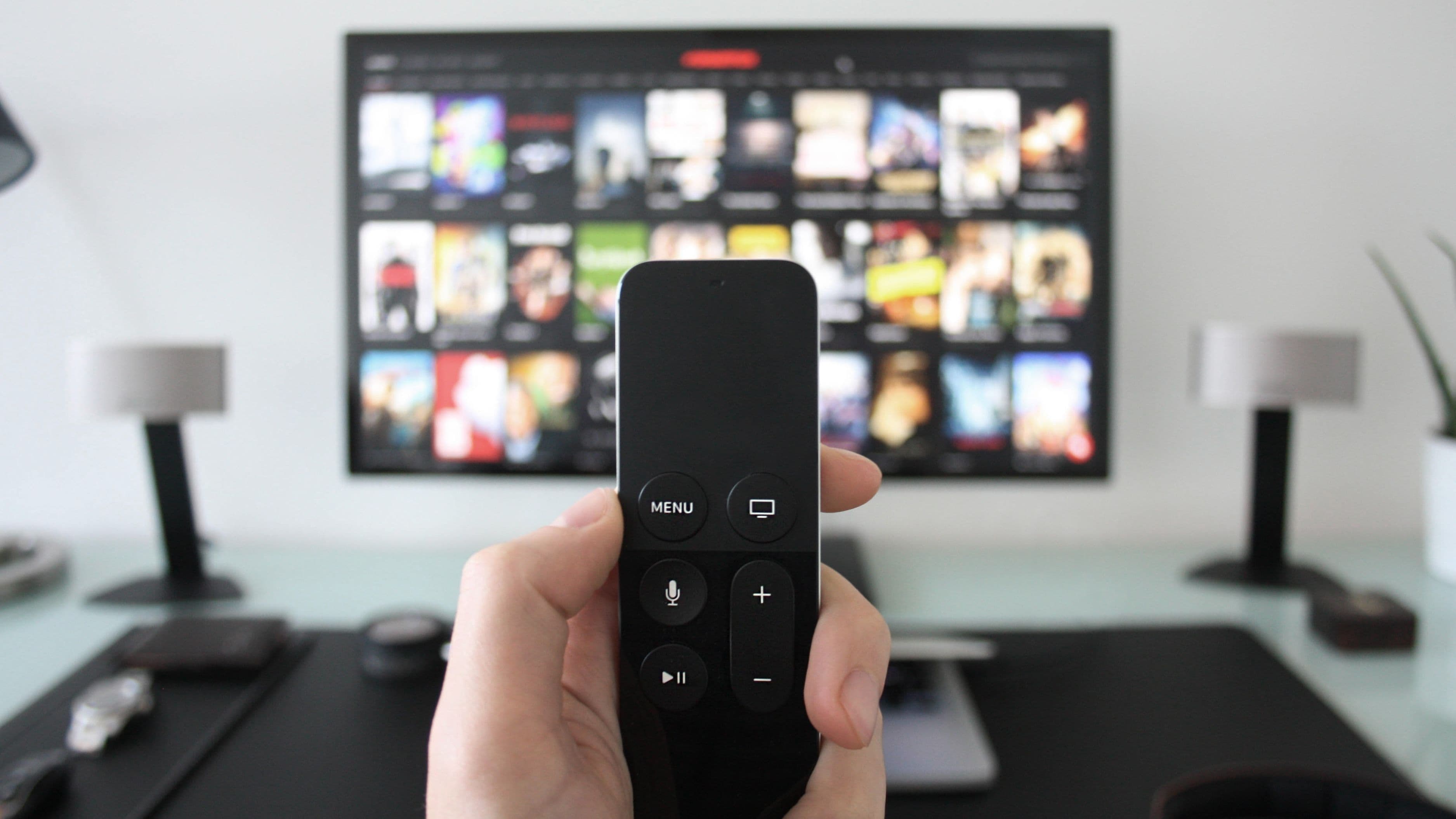

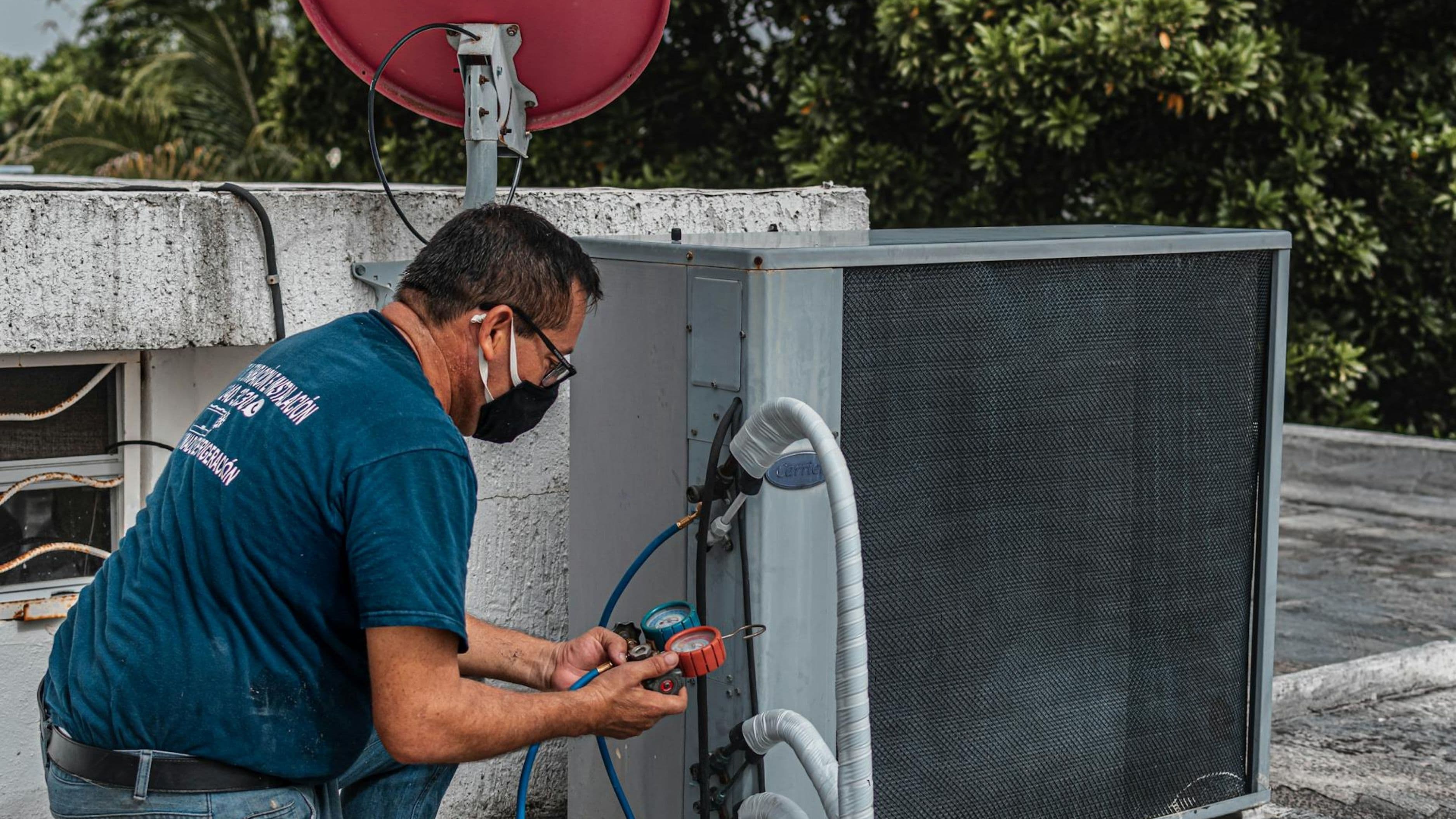
The truth is messier than a simple yes or no. We're living in an entertainment-saturated world where home improvement content has become its own genre of streaming gold—part reality show, part educational content, part aspirational lifestyle porn. But unlike binge-watching a true crime documentary, the stakes here involve your actual home and actual money. So let's break down when to trust the experts and when to channel your inner handyperson.
1. The Complexity Spectrum Isn't What You Think
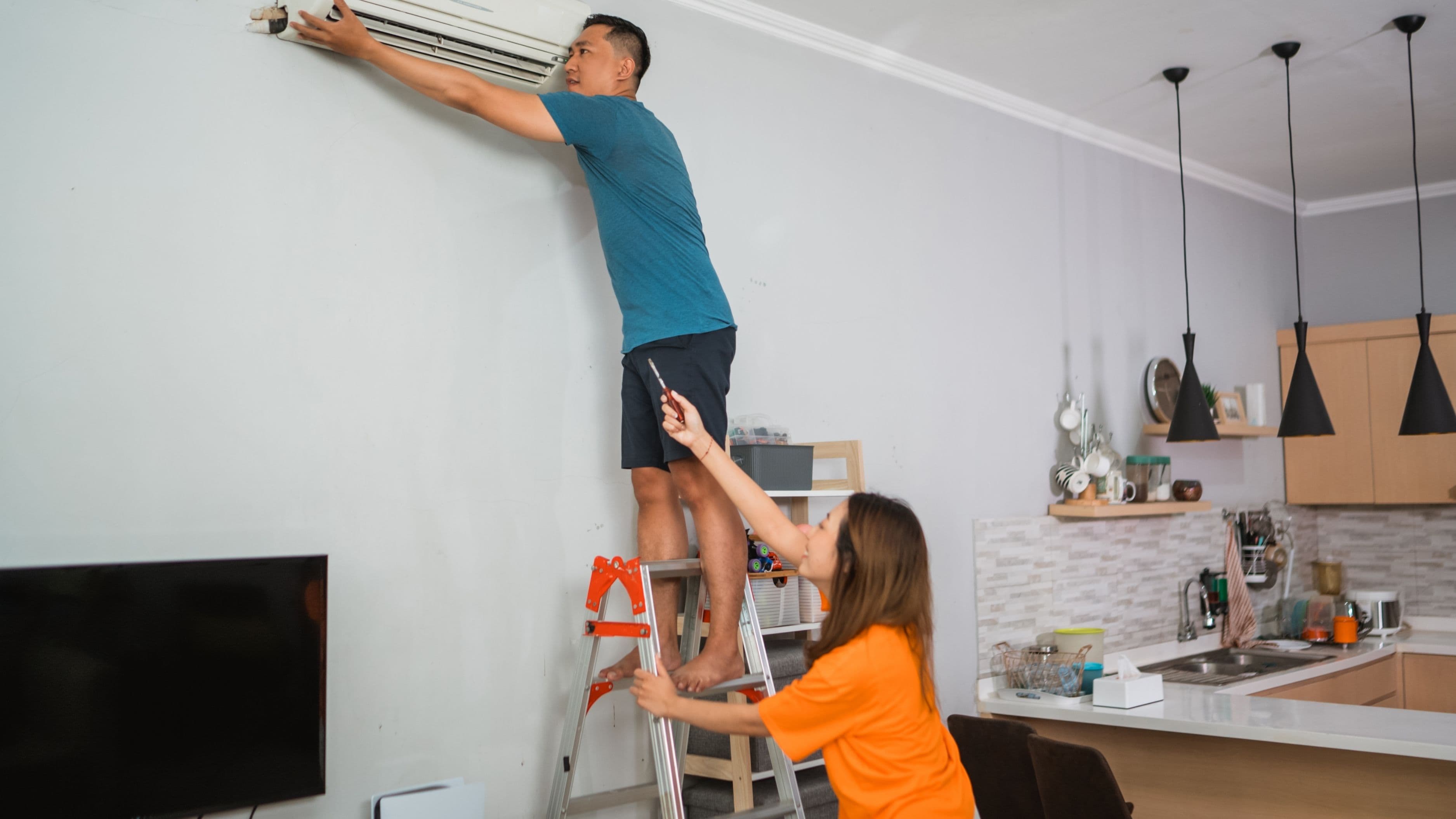
Not all HVAC issues are created equal, and the internet has a sneaky way of making everything look equally doable. Changing your air filter? That's basically as dangerous as making toast. Replacing a thermostat with a smart model? Slightly more complex, but most people with basic reading skills and a screwdriver can handle it. Diagnosing why your AC unit sounds like it's hosting a death metal concert? That's where things get dicey.
The problem is that YouTube tutorials suffer from what psychologists call "the curse of knowledge"—the person making the video already knows what they're doing, so they gloss over crucial details that seem obvious to them but aren't to you. They don't mention that some systems have safety switches that can trip if you look at them wrong, or that certain refrigerants require EPA certification to handle legally. What looks like a 20-minute fix on screen can spiral into a weekend-long disaster that ends with you sleeping at your in-laws' house while contractors undo your "improvements."
The entertainment factor of these videos also creates a false sense of confidence. Production value has skyrocketed in the DIY space, with creators using multiple camera angles, time-lapses, and upbeat music that makes everything feel achievable. But remember: they edited out the four hours of confusion, the three trips to Home Depot, and the moment they almost electrocuted themselves.
2. The Hidden Cost of "Saving Money"
Let's talk about the math that DIY enthusiasts conveniently forget to mention in their comment sections. Yes, that HVAC company wants $350 to diagnose and fix your problem. Yes, that feels like highway robbery when you're watching someone do the same thing for "free" on your tablet. But here's what those numbers don't show: the professional carries insurance, offers warranties, and won't accidentally damage your $8,000 HVAC unit while fumbling around.
I once interviewed a content creator who runs a popular home repair channel for a piece on digital media trends. He admitted—off the record—that about 30% of his viewers who attempt his projects end up calling professionals anyway, but now they're fixing both the original problem and the new ones created during the DIY attempt. That $350 repair suddenly becomes $800. The streaming economy has trained us to believe that everything should be accessible and achievable immediately, but some skills actually require years of experience to develop safely.
There's also the opportunity cost that nobody calculates. That Saturday afternoon you spent disassembling your furnace while watching tutorial after tutorial? If you're a freelancer, that's billable hours. If you're a parent, that's time with your kids. If you're anyone with literally anything else to do, that's your weekend evaporating while you learn the hard way that "ductwork" is more complicated than it sounds.
3. When YouTube Actually Wins
Now, before every HVAC technician reading this sends me angry emails: YouTube absolutely has its place in your home maintenance strategy. The platform has democratized knowledge in genuinely revolutionary ways, and some repairs are legitimately approachable for regular humans. Understanding your HVAC system, learning basic troubleshooting, and handling routine maintenance are all perfectly reasonable YouTube rabbit holes to fall down.
The sweet spot is using digital content for education rather than blind instruction-following. Watch multiple videos on the same topic from different creators. Read the comments—seriously, the comment section often contains the real wisdom from people who tried the method and discovered its flaws. Use tutorials to understand what the professional will do when they arrive, so you can have an informed conversation and avoid getting upsold on services you don't need.
Social media has also created communities of actual experts who share content for educational purposes. HVAC technicians, electricians, and other tradespeople have realized that transparency builds trust, and many create content explaining when to DIY and when to call for help. These creators are usually upfront about the risks, the required skill levels, and the legal implications of certain repairs. They're less concerned with going viral and more focused on genuine education.
4. The Warranty Wildcard
Here's a plot twist that even the most thorough YouTube tutorials rarely mention: your warranty. Most HVAC systems come with manufacturer warranties that explicitly require professional installation and maintenance. Touch the wrong component yourself, and congratulations—you've just voided thousands of dollars in coverage. That satisfying feeling of fixing something with your own hands suddenly feels less satisfying when your compressor dies two months later and the manufacturer tells you to pound sand.
This is where the entertainment-industrial complex of DIY content fails us. Creators are incentivized to make content that gets views, and "10 Times You Should Definitely Just Call a Professional" doesn't exactly rack up the clicks. The algorithmic push toward engagement means you're more likely to see confident DIY solutions than nuanced discussions about when those solutions are actually advisable.
Homeowners insurance is another landmine in the DIY minefield. If your DIY electrical work starts a fire, your insurance company will investigate. If they determine you performed unlicensed work that violated building codes, they can deny your claim. That YouTube tutorial suddenly seems less appealing when you're staring at a denial letter and a charred wall.
5. The Hybrid Approach Nobody Talks About
The smartest strategy isn't choosing between YouTube or professionals—it's using both strategically. Think of it like the streaming wars: you don't have to pledge loyalty to one platform. Use YouTube to educate yourself enough to have intelligent conversations with contractors. Learn what questions to ask. Understand the basic terminology so you know if someone's trying to bamboozle you with technical jargon.
Schedule that professional diagnostic appointment, but watch tutorials beforehand so you understand what they're looking at. This approach gives you the confidence to challenge unnecessary upsells while recognizing when recommended repairs are legitimate. You become a better consumer without becoming a reckless DIYer. It's the difference between binge-watching medical dramas and actually performing surgery—one makes you better informed, the other gets you arrested.
Some HVAC companies even embrace this hybrid model, offering consultation services where they'll guide you through simple repairs while handling the complex work themselves. The digital media shift has forced service industries to adapt, recognizing that today's consumers come armed with information and expectations shaped by endless online content. Smart companies work with this reality rather than against it.
The Bigger Picture
This HVAC dilemma reflects a larger cultural moment we're living through. We exist in this weird tension between unprecedented access to information and a growing skills gap in practical trades. YouTube and TikTok have convinced us that everything is learnable in under 15 minutes, while simultaneously, we have fewer people entering skilled trades than ever before. The average age of HVAC technicians in America is 55—what happens when they retire and we're all just watching each other's tutorials?
Maybe the real question isn't whether to trust the HVAC company or YouTube, but how we rebuild a culture that values both expert knowledge and empowered homeownership. The streaming generation has different expectations about accessibility and transparency. We want to understand what's happening in our homes, but we also need to respect the genuine expertise that takes years to develop.
So next time your AC unit starts acting up and you feel that familiar urge to search "HVAC repair tutorial," take a breath. Watch the videos. Educate yourself. But also remember that some things are worth paying for—not because you're not smart enough to figure it out, but because your time, your home's integrity, and your peace of mind are valuable too. The most entertaining ending to your HVAC story isn't necessarily the DIY triumph video you imagined—it might just be a properly functioning system and a free Saturday afternoon.
📚 Sources
1. Pew Research Center. "Americans' Use of Mobile Technology and Home Broadband." Pew Research Center: Internet, Science & Tech, 2023.
2. YouTube Creator Statistics Report. "Home Improvement Content Consumption Trends." Google Internal Data, 2023.
3. Bureau of Labor Statistics. "Occupational Employment and Wage Statistics: HVAC Technicians." U.S. Department of Labor, 2024.