

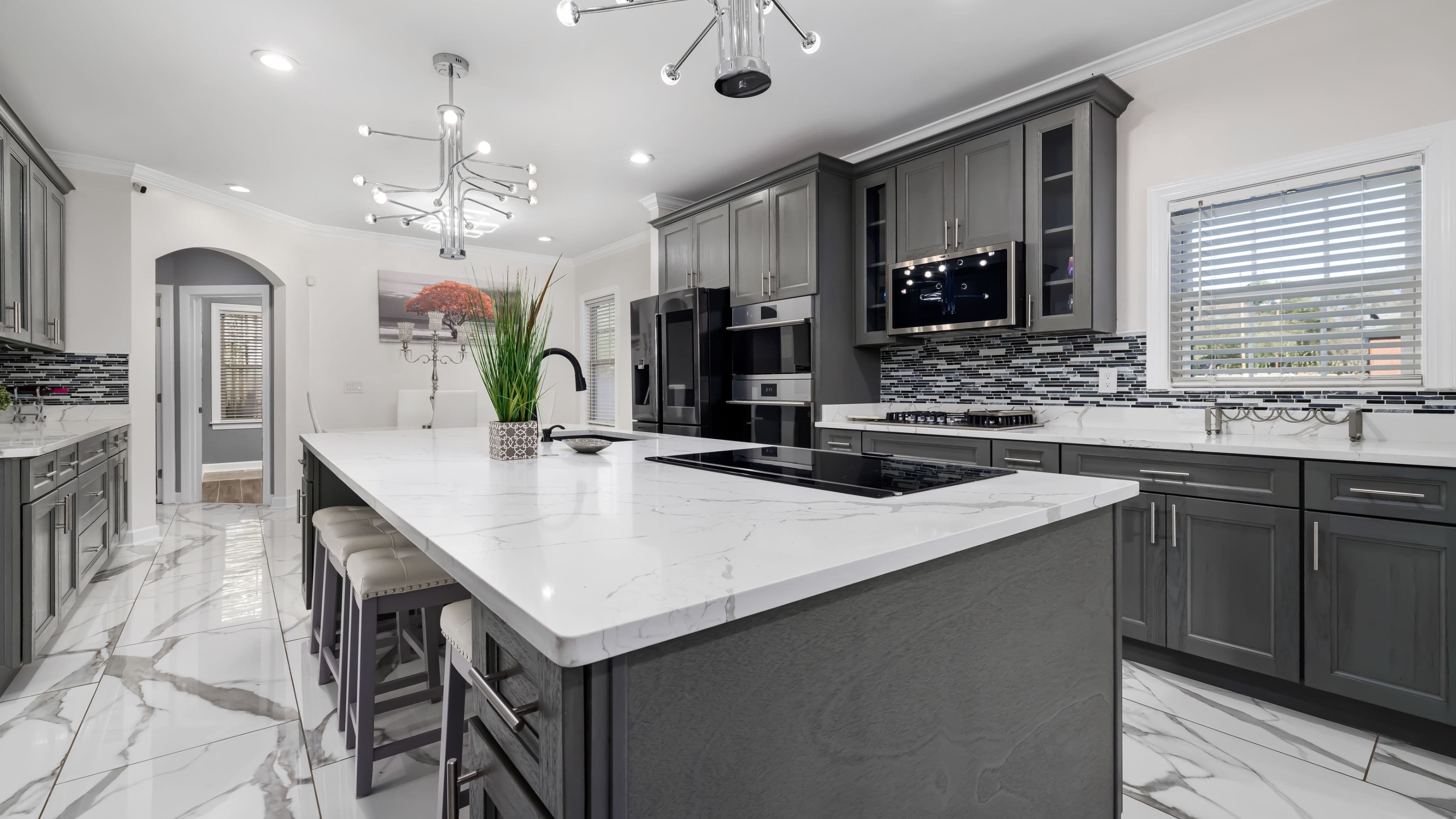
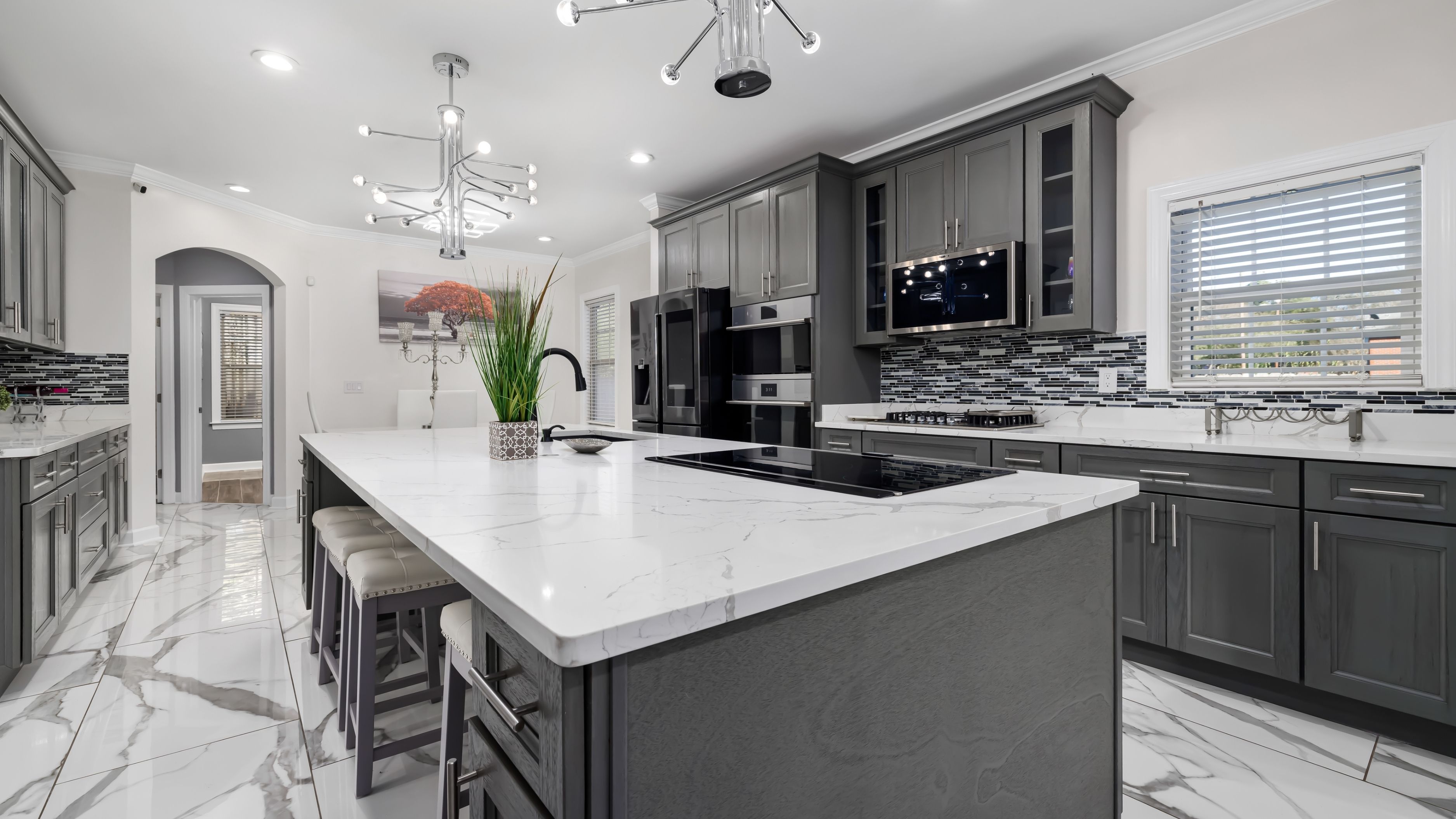
The shows make it look effortless: a couple walks through a dated property, a charismatic host waves their hands over some design boards, and thirty minutes later—boom—a complete transformation. But this manufactured reality is creating real-world expectations, budget anxieties, and design trends that homeowners are scrambling to replicate. The question isn't whether these shows influence us anymore. It's how deeply they've burrowed into our collective design consciousness and what that means for the homes we actually live in.
The Instant Gratification Illusion
Myth: Renovations happen in weeks, not months.
Truth: Television timelines are destroying realistic expectations.
Those dramatic reveals happen after commercial breaks, but real renovations unfold across months of dust, delays, and decision fatigue. Contractors across the country report that clients now expect projects to wrap up in the same condensed timeframes they see on screen, leading to frustration when reality hits. One survey found that 73% of homeowners underestimated both the time and cost of their renovations, a disconnect largely attributed to the sanitized versions presented on television. The shows edit out the permit delays, the supply chain nightmares, and the inevitable moments when you discover mold behind that wall you wanted to knock down. They create a fantasy of efficiency that leaves real homeowners feeling like failures when their bathroom remodel stretches into its third month.
The Budget Fantasy
Myth: You can achieve TV-quality results on the budgets mentioned.
Truth: Those numbers rarely include labor, and definitely not reality.
When a host announces they're renovating a kitchen for $25,000, viewers hear that number and think it's achievable. What they don't see is the army of sponsored contractors working at reduced rates, the product placements that slash material costs to zero, and the network's production budget covering everything from designer fees to the catering that keeps the crew fed. Real homeowners discover that the subway tile backsplash they loved on screen costs three times what they expected once they factor in proper installation, underlayment, and the fact that their walls aren't perfectly straight. The National Association of Home Builders found that actual renovation costs typically exceed initial budgets by 20-40%, yet renovation show budgets have remained suspiciously consistent even as material costs have skyrocketed. The shows are selling a fiction of affordability that leaves homeowners either scaling back their dreams or drowning in unexpected debt.
The Trend Treadmill
Myth: Following popular design trends adds lasting value.
Truth: TV-driven trends date your home faster than you think.
Remember when everything was supposed to be "rustic modern farmhouse"? That aesthetic dominated screens for years, sending homeowners racing to install barn doors and expose ceiling beams that were covered up for good reason. Now those same design choices are already reading as dated, replaced by the next wave of whatever's trending on home design television. The problem is that homes aren't like fashion—you can't just toss out last season's look and start fresh. A 2024 report from Zillow revealed that homes with distinctly trendy features actually sold for less than comparable homes with more neutral designs, because buyers could see the expense of undoing someone else's dated renovation. The shows create this perpetual hunger for the next big thing, convincing homeowners that granite is out and quartz is in, that gray is over and warm woods are back, keeping everyone on an exhausting hamster wheel of aesthetic anxiety.
The Open Concept Obsession
Myth: Knocking down walls automatically makes your home better.
Truth: Not every space benefits from elimination of boundaries.
Renovation shows love a good wall demolition—it's visual, dramatic, and signals transformation. This has birthed an almost religious devotion to open-concept living, with homeowners convinced that walls are the enemy of modern life. But architects and designers are now seeing the backlash as people realize they actually miss having separate, defined spaces. The pandemic accelerated this realization when families working from home discovered that open-concept meant no escape from noise, no privacy for video calls, and no way to contain the chaos of kids doing homework while someone else cooks dinner. Some homeowners are now spending money to rebuild walls they previously paid to remove. The shows rarely explore the downsides: the lack of wall space for furniture or art, the challenge of heating and cooling massive combined spaces, or the reality that not everyone wants to stare at their dirty dishes while relaxing on the couch.
The DIY Delusion
Myth: If they can do it on TV, you can do it at home.
Truth: Those "amateurs" have expert backup you can't see.
Renovation shows love to feature supposedly inexperienced homeowners tackling ambitious projects themselves, making it look accessible and achievable. What you don't see is the producer standing off-camera, the professional contractor hovering nearby to fix mistakes, or the fact that many "amateur" participants are actually industry adjacent with more skills than the editing suggests. This has created a generation of overconfident DIYers who tackle projects beyond their skill level, sometimes causing damage that costs more to fix than hiring a professional would have cost in the first place. YouTube has only amplified this effect, creating the illusion that watching a few tutorials equals the experience of someone who's been in the trades for decades. Insurance companies report an increase in claims related to DIY home improvement projects, while contractors describe being called in to rescue botched renovations that started with someone saying, "I saw them do this on TV."
The Flip Mentality Infiltration
Myth: Every home should be designed for maximum resale appeal.
Truth: Designing for strangers means never designing for yourself.
House-flipping shows have convinced homeowners to think like investors even when they're planning to live in their homes for years. This mentality leads people to choose the safe beige walls, the trendy but impersonal fixtures, and the generic finishes that appeal to the widest possible audience—essentially creating homes designed for no one in particular. You end up with houses that look like they belong in a showroom rather than spaces that reflect the people who actually inhabit them. The irony is that distinctive, well-executed personal style often appeals to buyers more than bland attempts at universal appeal. Real estate agents now describe a growing number of homes that feel "flipped" even though the owners live there—spaces so generic and devoid of personality that they feel like they're already staged for sale. This is what happens when we internalize the investor mindset promoted by shows that treat homes as commodities rather than as the backdrop for actual lives.
The Speed Pressure Problem
Myth: Good design happens quickly under pressure.
Truth: Rushing leads to regret, not revelation.
Renovation shows thrive on manufactured urgency—tight deadlines that force quick decisions and create drama. This has translated into real-world homeowners feeling like they should be able to make major design choices rapidly, without the careful consideration that permanent changes deserve. The shows present decisive clients who know exactly what they want as the ideal, while portraying thoughtful deliberation as problematic overthinking. But interior designers consistently report that their best work happens when clients take time to live with ideas, gather inspiration, and really consider how they use their spaces. The rushed decisions prompted by TV timelines lead to buyer's remorse—the backsplash that seemed bold but now feels overwhelming, the paint color that looked great in the showroom but wrong in your actual light. Some decisions deserve to marinate, but the shows have pathologized patience as indecision.
The Professional Undervaluation
Myth: Design expertise is optional and easily replaced by Pinterest boards.
Truth: Real designers solve problems you didn't know you had.
Renovation shows often downplay or completely eliminate the role of professional designers, suggesting that good taste and some inspiration images are enough to create beautiful, functional spaces. This has devalued professional design services in the public imagination, with homeowners increasingly asking why they should pay for expertise when they can just copy what they saw on TV. But trained designers bring knowledge of spatial planning, lighting design, building codes, material specifications, and hundreds of other considerations that never make it into a thirty-minute episode. They prevent expensive mistakes, help you navigate the overwhelming number of choices, and create cohesion that goes beyond throwing trendy elements together. The shows present design as purely aesthetic—about choosing pretty things—when it's actually a complex discipline that considers how humans move through and use space. When homeowners skip professional help based on TV confidence, they often end up with beautiful-looking rooms that don't actually function well for their lives.
The Comparison Trap
Myth: Your home should look like the "after" reveals you see on screen.
Truth: Chasing TV perfection breeds permanent dissatisfaction.
Every stunning reveal creates an impossible standard, making viewers look around their own homes with fresh dissatisfaction. This constant exposure to dramatically transformed spaces has created a culture of perpetual home inadequacy, where nothing ever feels quite finished or good enough. People find themselves apologizing for homes that are perfectly functional and attractive simply because they don't match the high-gloss aesthetic of television. Mental health professionals have even noted an increase in housing-related anxiety, particularly among younger homeowners who feel their spaces should look Instagram-ready at all times. The shows present an endpoint—a finished, perfect space—when real homes are always evolving, accumulating life's beautiful mess. That stack of mail, those family photos, the kids' artwork on the fridge—these aren't failures of design but evidence of life being lived. The comparison trap keeps homeowners in a state of inadequacy, always planning the next project rather than appreciating what they have.
The Lifestyle Package Illusion
Myth: The right renovation will transform your entire life.
Truth: New countertops won't fix what's broken outside the kitchen.
Perhaps the most insidious influence of renovation shows is the way they sell transformation as holistic—suggesting that redesigning your home will somehow redesign your life. The narratives are carefully constructed to imply that the chaotic family will find harmony in their new open-concept space, that the stressed couple will reconnect over their new outdoor kitchen, that children will suddenly thrive in their newly renovated bedrooms. This conflates physical space with emotional well-being in ways that set up homeowners for disappointment. A beautiful home can certainly enhance your quality of life, providing comfort and pleasure. But it won't repair a struggling relationship, cure depression, or solve problems that exist independent of your décor choices. The shows package renovation as self-improvement, home design as therapy, creating unrealistic expectations about what physical changes can accomplish. When the new space doesn't deliver the promised life transformation, homeowners are left wondering what went wrong, when actually nothing did—they just believed a story that was never true.
Let go of the idea that your home should mirror what you see on television. Those spaces aren't designed for living—they're designed for filming, for drama, for selling products and ideas. Your home deserves better than being a poor imitation of someone else's curated fantasy. Start making design decisions based on how you actually live, what you genuinely need, and what brings you authentic joy—not what looked good in a thirty-second reveal. The most beautiful homes aren't the ones that could be on TV; they're the ones that feel like home to the people who live there.
📚 Sources
National Association of Home Builders. (2023). "Cost Overruns in Residential Renovation Projects: A Comprehensive Study." NAHB Research Center.
Zillow Group. (2024). "Home Design Trends and Resale Value: The Impact of Trendy Features on Market Performance." Zillow Economic Research.