
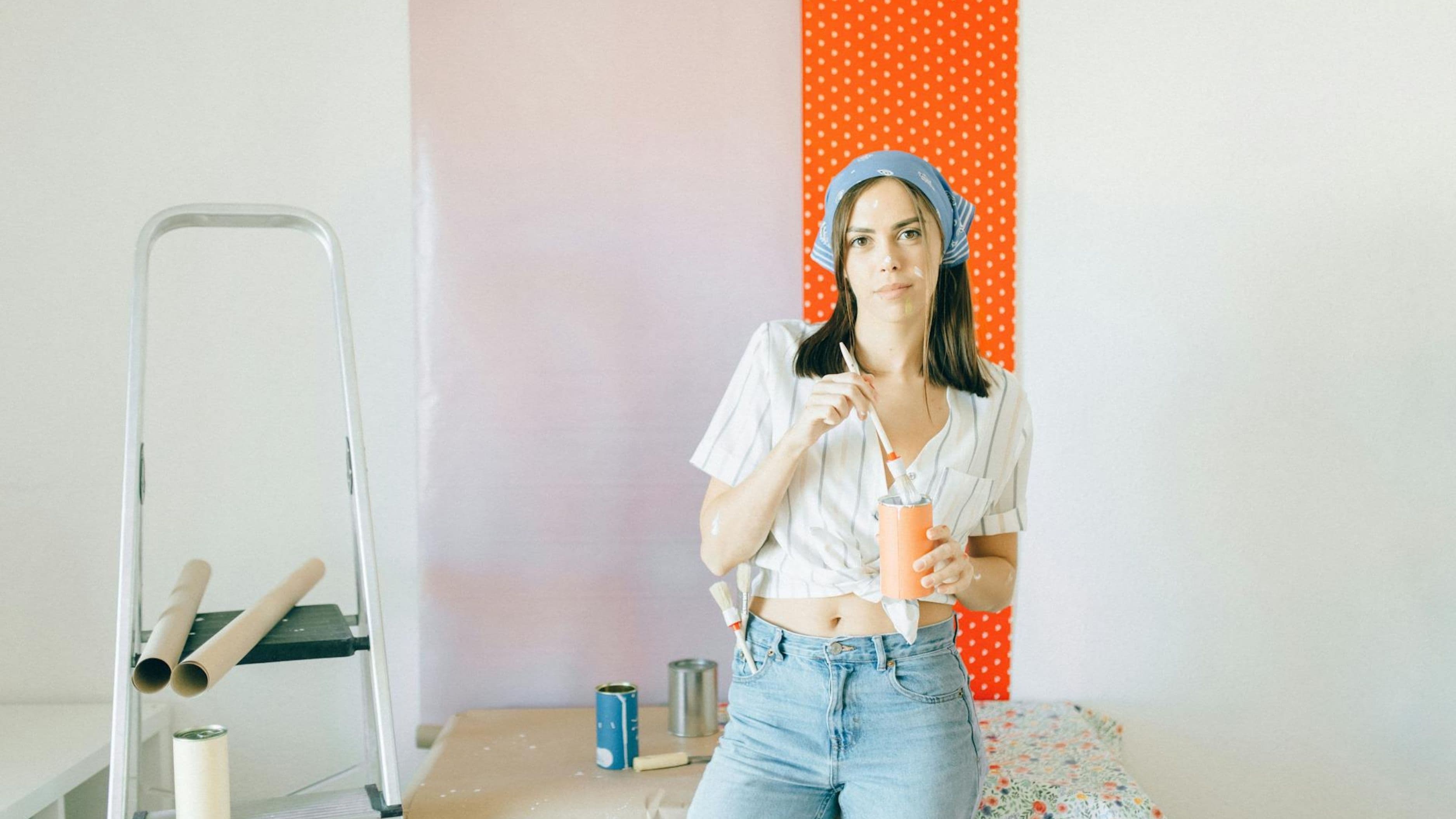
The home improvement influencer economy has exploded into a multi-billion dollar industry, with creators turning power tool tutorials into lucrative careers. But beneath the satisfying time-lapses and cheerful voiceovers lies a production machine most viewers never see. Let's pull back the curtain on what's really happening behind those deceptively simple DIY videos—and why understanding the gap between content and reality might save you from your next renovation disaster.
Myth: They Complete Projects in One Day → Truth: Months of Work Get Compressed Into Minutes
That kitchen backsplash installation that looks like a breezy Saturday morning project? It probably took two weeks minimum, with multiple failed attempts edited out completely. Home improvement influencers film in fragments, capturing only the successful takes while the cutting room floor fills with cracked tiles, uneven cuts, and frustrated outbursts. The twenty-minute video you're watching represents perhaps forty hours of actual work, strategically condensed to maintain your attention and make the process appear achievable.
Consider the preparation stages that never make the final cut: the hours spent researching techniques, ordering and returning the wrong materials, waiting for deliveries, and dealing with unexpected structural issues. When an influencer casually mentions "prepping the surface," they're glossing over potentially days of sanding, priming, and repairing damage that their camera conveniently skipped. The timeline deception isn't necessarily malicious—it's the nature of entertainment content—but it creates wildly unrealistic expectations for viewers attempting similar projects.
Professional creator @RemodelaholicBlog admitted in a candid post that their "weekend bathroom refresh" actually spanned six weekends, with four different filming sessions to capture various stages in optimal lighting. The seamless narrative you experience is a carefully edited story, not a documentary of the actual process.
Myth: They Work Alone → Truth: There's Usually a Whole Team Behind the Camera
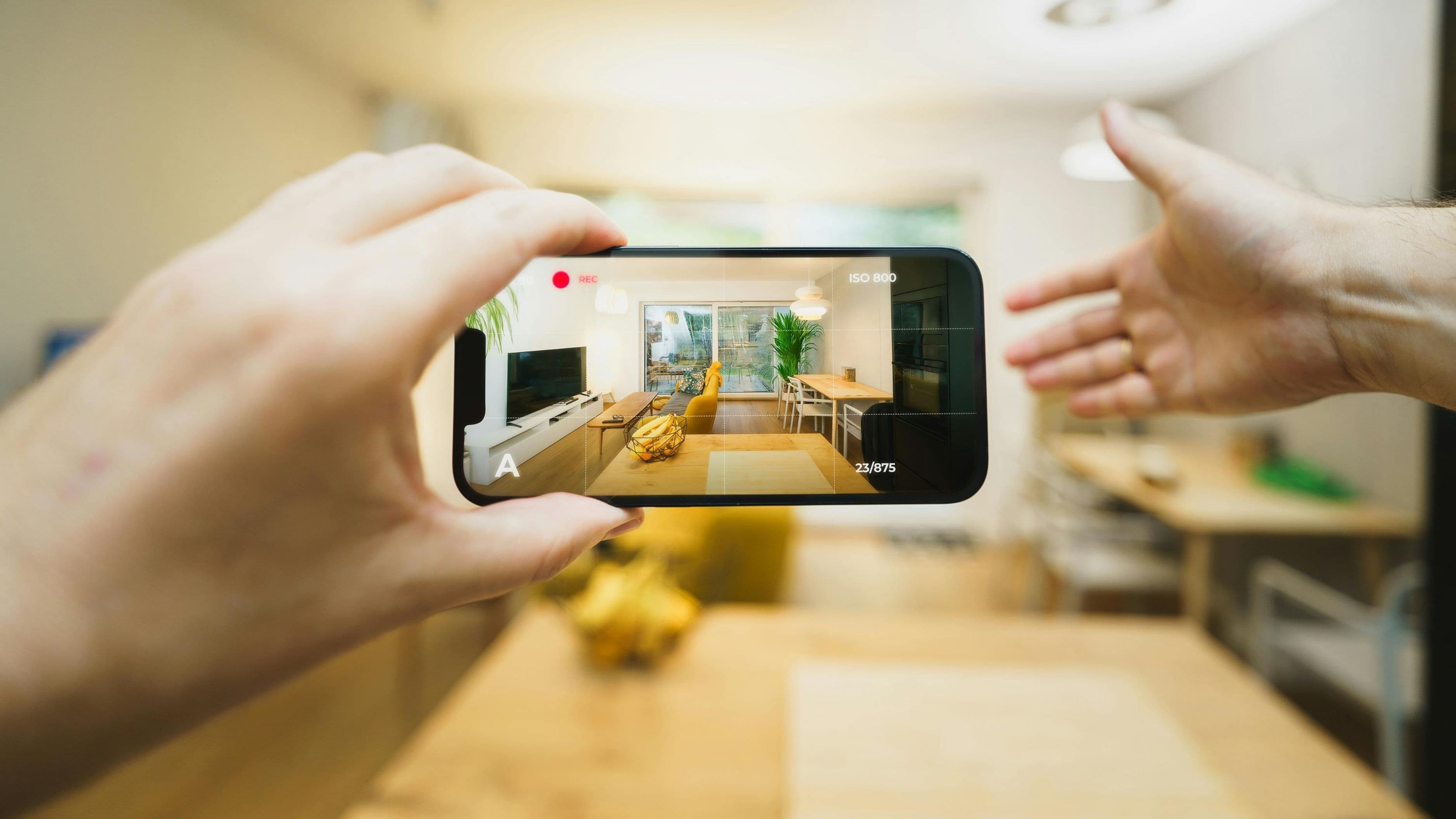
Notice how the camera angles are always perfect, capturing both the wide shot and the close-up detail work simultaneously? That's because someone else is operating that camera—often multiple people managing different equipment. Many successful DIY influencers employ videographers, editors, producers, and sometimes even skilled contractors who handle the technically challenging aspects while the on-camera personality provides the entertainment value and accessible explanation.
The illusion of the solo creator tackling everything independently is compelling content, but it's rarely accurate. Behind that charismatic host demonstrating how to install crown molding, there's frequently a carpenter ensuring the measurements are precise, a lighting technician adjusting the setup for maximum visibility, and an editor who will spend hours color-correcting the footage to make the finished product look flawless. This production support system allows influencers to focus on being engaging personalities rather than getting bogged down in technical complexities.
Some influencers are transparent about their teams, but many maintain the "just me and my tools" narrative because it's more relatable and aspirational. The reality is that attempting to replicate their results without similar support often leads to the frustration of discovering you needed three hands to hold materials while simultaneously measuring and drilling.
Myth: First-Time Success → Truth: Multiple Attempts and Strategic Editing
That perfectly mitered corner joint that came together effortlessly on camera? It was probably attempt number seven, with six pieces of wasted material already in the trash. Influencers can afford to experiment repeatedly because materials are often sponsored, and failures don't impact their budget the way they would yours. The editing process erases every mistake, creating a highlight reel that bears little resemblance to the messy reality of learning new skills.
Watch closely for the subtle cuts and jump-edits that indicate time passing or attempts being combined. When the camera suddenly shifts angles or there's a barely perceptible change in lighting, that's often masking a mistake correction or a complete do-over. The influencer's confidence comes partly from personality, but mostly from having already solved every problem before you see the "spontaneous" solution on screen.
This culture of manufactured perfection has real consequences. According to research from the Home Improvement Research Institute, 68% of homeowners who attempt DIY projects inspired by social media report feeling frustrated or inadequate when their results don't match what they saw online. The expectation of first-time success, cultivated by edited content, sets up creators and viewers alike for disappointment with the actual learning curve involved in home improvement.
Myth: Budget-Friendly Makeovers → Truth: Hidden Costs Add Up Fast
"We transformed this room for under $500!" sounds incredible until you realize that statement conveniently excludes the $2,000 worth of tools they already owned, the free materials from sponsors, and the monetary value of their skilled labor. Influencers often receive products at no cost in exchange for featuring them, a reality that fundamentally changes the economics of their projects compared to yours.
The budget breakdowns presented in videos typically list only material costs, ignoring tool investments, permit fees, disposal costs, and the value of time spent. Professional-grade equipment that appears casually in the background—pneumatic nailers, compound miter saws, laser levels—represents thousands of dollars in upfront investment. When an influencer tells you their project cost $300, your actual expense attempting the same thing might easily quadruple once you factor in tool purchases or rentals.
Additionally, when something goes wrong during your project, you'll likely need to hire a professional to fix it, adding unexpected costs that never appear in influencer budgets. That "affordable" bathroom renovation becomes significantly less economical when you accidentally crack the shower pan and need emergency plumbing repairs.
Myth: Beginner-Friendly → Truth: They Have Hidden Expertise
Many home improvement influencers downplay their backgrounds in construction, design, or related trades to appear more relatable. That "self-taught DIYer" likely has a parent who was a contractor, or they worked summers in construction, or they hold a degree in architecture. These foundations provide intuitive understanding of spatial relationships, structural requirements, and proper techniques that true beginners simply don't possess.
The muscle memory and spatial reasoning developed through years of hands-on experience aren't visible on camera, but they're crucial to executing projects successfully. When an influencer eyeballs a measurement and it's somehow perfect, that's not beginner's luck—it's trained estimation skills. When they instinctively know which direction to cut to avoid splintering, or how much pressure to apply without damaging materials, those are hard-won skills masquerading as natural talent.
Some creators have successfully transitioned from legitimate novices to skilled crafters over years of content creation, documenting their entire learning journey. However, newer viewers often discover their recent videos without context, assuming the current skill level was always present. The gap between "beginner-friendly" content and "created by someone with professional experience" is rarely acknowledged clearly enough.
Myth: Perfect Results Every Time → Truth: Strategic Framing and Lighting Hide Flaws
Professional lighting, strategic camera angles, and careful framing can transform a mediocre result into something that looks professionally done. Influencers know exactly how to position cameras to minimize visible imperfections, how to use lighting to soften uneven textures, and which angles flatter their work most. That "flawless" paint job might have visible brushstrokes in person, but the camera placement and lighting render them invisible.
The final reveal shots are choreographed productions, often filmed at specific times of day when natural light is optimal, with multiple takes to capture the most flattering perspective. Close-up shots conveniently avoid corners where joints don't quite meet perfectly, and wide angles are positioned to obscure the slightly uneven cabinet alignment. This isn't deceptive per se—it's basic videography—but it creates an unrealistic standard for your own projects.
Instagram's square format particularly benefits this strategic cropping, allowing creators to showcase the beautiful center section of a project while literally cutting out the problematic edges. The immersive experience of being in a space reveals imperfections that carefully composed social media content artfully conceals.
Myth: Natural Talent and Enthusiasm → Truth: Extensive Research and Test Runs
Before filming begins, successful influencers spend hours researching proper techniques, watching tutorials from actual professionals, and sometimes even taking classes or hiring consultants. That confident execution you're witnessing is actually their second or third time performing the task—the first attempts happened off-camera as practice runs. The enthusiasm they display is genuine, but it's enthusiasm bolstered by preparation and knowledge, not naive optimism.
Many influencers maintain private practice spaces where they can experiment with techniques and troubleshoot problems before introducing them to their audience. This behind-the-scenes testing phase allows them to anticipate common issues, prepare solutions, and present a polished tutorial that skips the frustrating trial-and-error phase entirely. When they casually mention "one trick I've learned," that trick often came from extensive research or consultation with professionals, not spontaneous discovery.
The performance aspect of influencer content also means rehearsing explanations, planning which steps to emphasize, and sometimes even scripting portions of the dialogue. That natural-seeming banter is often carefully considered to maximize educational value while maintaining entertainment quality.
Myth: Standard Tools Get the Job Done → Truth: Professional-Grade Equipment Makes Everything Easier
Scroll back through those tool lists in video descriptions and you'll notice model numbers for professional or prosumer equipment, not the consumer-grade options available at big-box stores. That cordless drill performing effortlessly might cost $400, while your $50 version struggles with the same material. High-quality tools don't just last longer—they perform better, making projects genuinely easier and results more professional.
Influencers often receive tools from manufacturers for free, allowing them to accumulate arsenals of specialized equipment most hobbyists would never justify purchasing. That dedicated tool for a single specific cut might appear for thirty seconds in a video, but it's the difference between a clean result and a ragged mess. The assumption that "tools are tools" ignores the significant performance variations across quality tiers.
Professional miter saws cut cleaner, quality paint brushes leave fewer strokes, premium sandpaper works faster with less effort—the compounding advantages of superior equipment substantially reduce the skill gap between professionals and amateurs. When an influencer says "just use a basic drill," they're using their sponsored DeWalt FlexVolt system, not the Black+Decker special from the bargain bin.
Myth: It's Just Paint and Patience → Truth: Physics, Chemistry, and Material Science Matter
Home improvement isn't just following steps—it's understanding why those steps work. Successful influencers may not explicitly discuss substrate adhesion, thermal expansion coefficients, or moisture vapor transmission, but they're working within these constraints whether consciously or not. Their projects succeed partly because they've internalized principles about how materials behave, even if they explain them in simplified terms.
Temperature and humidity dramatically affect paint application, wood movement, and adhesive curing, yet these factors rarely get screen time beyond a passing "pick a nice day for this project." The influencer filming in their climate-controlled workshop isn't contending with the same environmental variables you'll face in your drafty garage during February. Understanding that wood expands and contracts, that concrete needs to cure properly, that paint requires specific temperature ranges—these aren't trivial details but fundamental requirements for success.
Chemical compatibility between materials, proper surface preparation chemistry, and the physics of weight distribution all play crucial roles in project longevity. That floating shelf that looks so simple involves understanding shear forces, wall composition, and fastener load ratings. Influencers who've successfully installed dozens of shelves have intuitive understanding of these principles even if they've never formally studied engineering.
Myth: Spontaneous Creativity → Truth: Heavily Researched Trends and Designs
Those "original" design ideas filling your feed aren't emerging from creative voids—they're carefully researched trends that influencers spot emerging in professional design circles and translate for DIY audiences. What appears as spontaneous inspiration is actually strategic trend-surfing, with creators monitoring industry publications, trade shows, and high-end interior design to predict what will resonate with their followers next.
The Pinterest-perfect aesthetic that seems effortlessly curated is the result of mood boarding, color theory application, and understanding current visual trends. Influencers study what's working for competitors, analyze engagement metrics to identify what their audience responds to, and refine their personal brand to stay relevant. That "unique" approach to a gallery wall has probably been market-tested through multiple posts and refined based on viewer feedback.
Professional designers and marketing teams often support larger influencer operations, ensuring that projects align with current trends while appearing fresh and original. The creative vision on display is real, but it's informed by data, research, and strategic planning rather than pure artistic impulse.
Let Go of the Illusion—And Build Real Skills Instead
Stop measuring your fumbling attempts against influencer highlight reels, and start building actual competence through realistic expectations. The confidence you admire in those videos comes from repetition, failure, learning, and often professional training—advantages hidden behind editing software and strategic lighting. Your crooked shelves and imperfect paint edges aren't signs of inadequacy; they're proof you're experiencing the authentic learning process that content creators have sanitized for entertainment.
The real value in DIY content isn't pretending you can replicate professional results on your first attempt, but understanding techniques you can practice and improve over time. Embrace the mess, the mistakes, and the multiple hardware store trips as normal parts of the process, not deviations from some effortless ideal. Start with genuinely beginner projects, invest in learning proper techniques through multiple sources (not just one charismatic influencer), and accept that developing skill takes time measured in years, not weekend afternoons.
Let go of the outdated advice that DIY is universally cheaper or that following a tutorial guarantees success. Instead, make moves that actually work: know when to hire professionals, understand the true cost of projects including your time and tools, and appreciate home improvement influencers for the entertainment and inspiration they provide rather than treating their content as comprehensive instruction manuals. Your future self—and your home—will thank you for the shift from aspiration to education.
📚 Sources
Home Improvement Research Institute. (2024). "Social Media's Impact on DIY Project Expectations and Satisfaction." Annual Consumer Survey Report.