
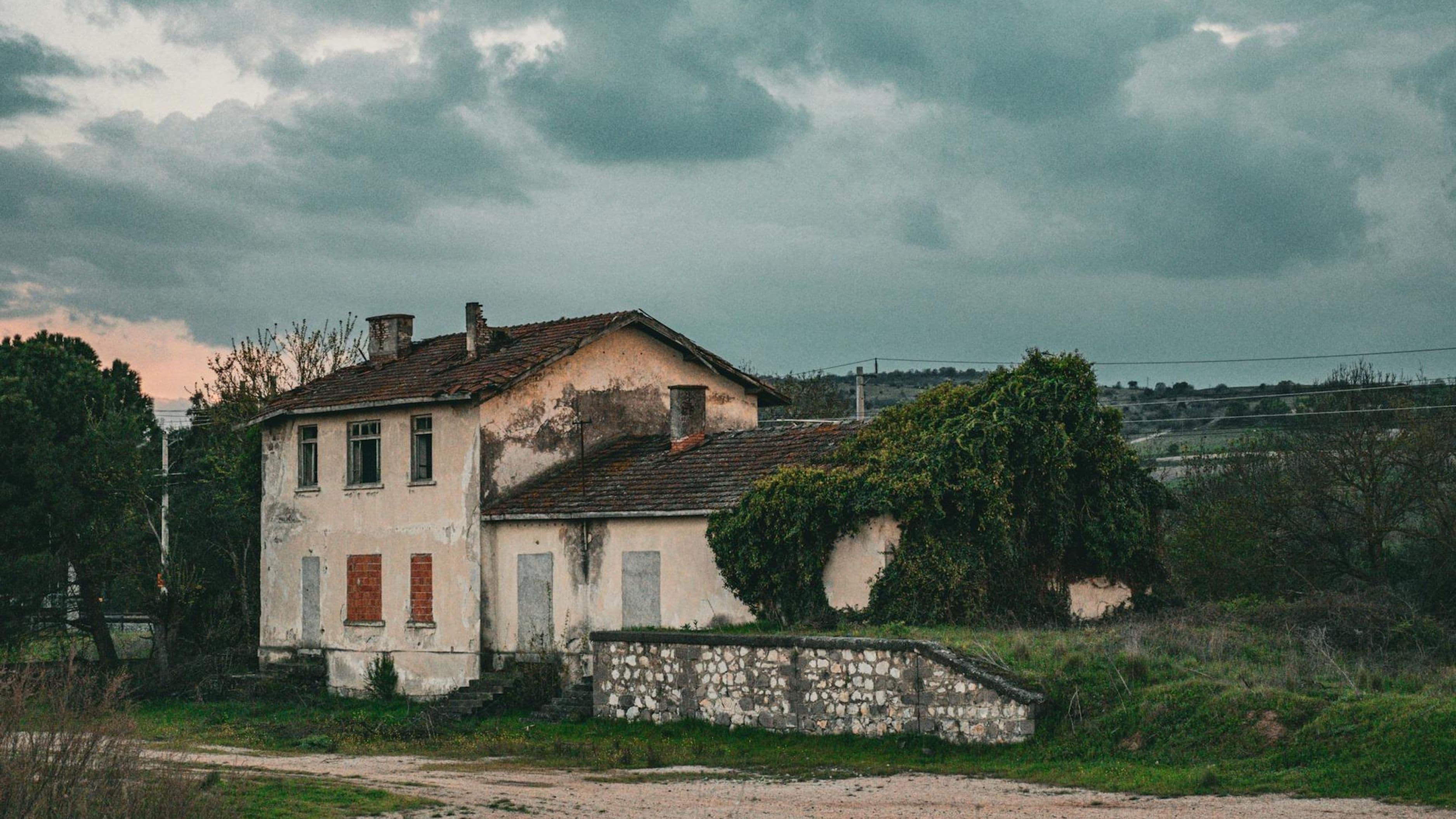
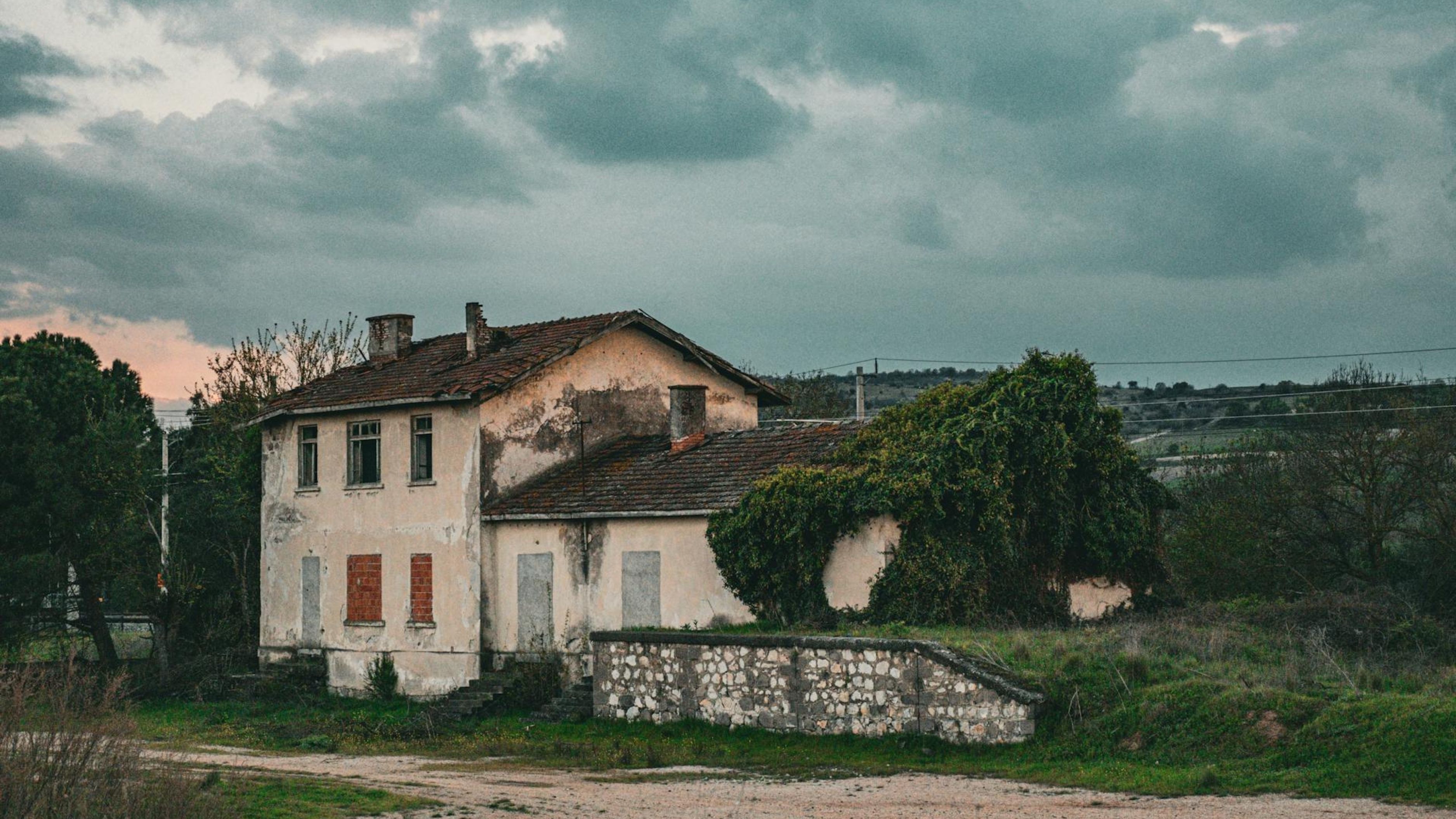
From dusty Victorian mansions to crumbling farmhouses frozen in time, restoration videos have become one of YouTube's most unexpectedly captivating genres. Creators like Cheap Old Houses, This Old House, and Lone Fox have built empires around the simple act of bringing abandoned properties back to life. But what's driving this obsession? Let's dig into the foundation of this phenomenon and uncover why we can't stop watching people restore homes we'll never live in.
1. Tangible Transformation in a Digital World
There's something deeply satisfying about watching real, physical change happen before your eyes. In our screen-saturated existence where most of our "work" produces intangible digital outputs, restoration videos offer proof of effort that you can see, touch, and walk through. When a creator power-washes a hundred-year-old brick facade and reveals the original red underneath decades of grime, viewers experience a visceral before-and-after that algorithms and spreadsheets simply can't provide.
This tangibility connects to our primal need to create and build. Watching someone restore original hardwood floors or rebuild a collapsed porch satisfies the same psychological itch as ASMR or satisfying cleaning videos, but with higher stakes and deeper meaning. Each stripped layer of paint, each carefully preserved architectural detail represents hours of human labor transformed into visible progress—something increasingly rare in our abstract, service-based economy.
2. Archaeological Storytelling at Its Finest
Every historic home is essentially a time capsule, and restoration creators have mastered the art of archaeological storytelling. When they discover newspapers from 1887 stuffed in the walls as insulation, or uncover hand-painted murals hidden beneath layers of drywall, they're not just renovating—they're excavating history. These moments transform a construction project into a detective story where viewers piece together the lives of people who walked those same floors generations ago.
The narrative hooks are irresistible. Who lived here? Why did they abandon this room with furniture still inside? What were they reading when they papered these walls? Creators like Abbey from The Lone Fox channel leverage these mysteries brilliantly, treating each discovery like a clue that brings viewers deeper into the home's forgotten story. This combination of hands-on restoration and historical detective work creates a viewing experience that's both intellectually engaging and emotionally resonant.
3. The Slow-Living Counter-Movement
In direct rebellion against hustle culture and productivity obsession, restoration videos celebrate slowness as a virtue. Projects take months or years, and creators don't apologize for it. They show the tedious, repetitive work—the third coat of primer, the hundredth nail pulled, the weeks spent researching period-appropriate paint colors. This deliberate pacing acts as a meditation for viewers drowning in the attention economy's relentless demands.
The restoration genre has become an unintentional ambassador for the slow-living movement. Viewers aren't just watching homes being restored; they're experiencing a philosophy that values craftsmanship over speed, authenticity over convenience, and preservation over replacement. When you watch someone hand-restore 1920s window hardware instead of ripping it out for modern replacements, you're witnessing a rejection of throwaway culture that resonates with audiences tired of planned obsolescence and cheap mass production.
4. Aspirational Yet Achievable Dreams
Unlike luxury real estate shows that showcase unattainable mansions, restoration videos often feature affordable (if dilapidated) properties. Creators regularly share purchase prices that make viewers think, "Wait, I could actually do this." This aspirational accessibility is crucial to the genre's appeal—it's fantasy grounded in financial reality. A $30,000 abandoned farmhouse feels more attainable than a $3 million beach house, even if the restoration costs eventually rival the purchase price.
This achievability factor turns passive viewers into engaged dreamers. Comment sections overflow with people planning their own restoration projects, asking technical questions, and sharing their journeys. The community aspect transforms these channels from simple entertainment into educational resources and support networks. Viewers aren't just watching someone else's dream unfold; they're gathering courage and knowledge to pursue their own.
5. Craftsmanship as Performance Art
There's an undeniable ASMR quality to watching skilled craftspeople work with their hands. The scrape of a putty knife removing old paint, the rhythmic tap of a hammer setting trim nails, the satisfying peel of wallpaper revealing original plaster—these sounds and sights trigger something primal in our brains. Restoration videos transform manual labor into performance art, where the creator's skill and patience become the entertainment.
This elevation of craftsmanship fights back against our increasingly automated world. When algorithms write articles and AI generates art, watching someone painstakingly restore hand-carved woodwork or match century-old plaster techniques feels like an act of resistance. These creators preserve not just buildings but the human knowledge and skill required to maintain them, offering viewers a connection to pre-industrial craftsmanship that's rapidly disappearing from modern life.
6. Environmental Consciousness Meets Nostalgia
Restoration videos arrive at the perfect cultural moment when environmental awareness collides with nostalgia for "simpler times." Choosing to restore rather than demolish aligns with sustainability values—saving materials from landfills, preserving embodied carbon, and maintaining neighborhood character. Yet it's wrapped in the comforting aesthetic of the past, with those Victorian gingerbread details and Craftsman-era built-ins that represent an era many viewers romanticize.
This dual appeal makes restoration content politically palatable across ideological divides. Conservative viewers appreciate the preservation of tradition and heritage; progressive viewers value the environmental sustainability and anti-consumerist ethos. The homes themselves become neutral territory where different audiences can unite around shared appreciation for craftsmanship, history, and thoughtful stewardship of resources.
7. The Ultimate Reality TV Without the Drama
Traditional reality TV thrives on manufactured conflict and interpersonal drama, but restoration videos offer high stakes without the toxic relationships. The "drama" comes from structural challenges, budget constraints, and racing against weather—authentic obstacles that don't require villains or manufactured feuds. When a creator discovers the entire back wall is rotting and needs replacement, the tension is real but doesn't exploit human conflict for entertainment.
This wholesome approach attracts viewers exhausted by the meanness and manufactured controversies of mainstream reality programming. Restoration channels offer compelling narratives, genuine surprises, and emotional payoffs without the guilt or stress of watching people tear each other down. The "characters" are the homes themselves, and their redemption arcs satisfy our narrative cravings while leaving us feeling uplifted rather than drained.
8. Educational Content Disguised as Entertainment
Perhaps most cleverly, restoration videos deliver serious education while keeping audiences thoroughly entertained. Viewers learn about structural engineering, historical architecture, preservation techniques, local history, and countless practical skills—all while being absorbed in a compelling narrative. Creators like This Old House have perfected this balance, offering technical expertise wrapped in accessible storytelling.
This educational layer gives viewers permission to indulge in hours of content without guilt. You're not just watching YouTube; you're learning about load-bearing walls, period-appropriate materials, and Victorian-era construction methods. Parents feel comfortable letting kids watch, as opposed to typical YouTube rabbit holes. The knowledge transfer happens organically, making these channels valuable resources for actual DIYers while remaining entertaining enough for armchair enthusiasts.
The Deeper Foundation
The restoration video phenomenon reveals a cultural hunger for meaning, permanence, and connection in an increasingly temporary digital landscape. We're watching strangers save physical pieces of history because it reassures us that not everything is disposable, that careful attention and hard work still matter, and that the past deserves respect and preservation.
These videos offer modern viewers a chance to slow down, appreciate craftsmanship, and witness transformation that takes real time and genuine skill. In a world of instant everything, watching someone spend six months restoring a single staircase becomes an act of meditation, education, and rebellion all at once.
What does it say about our current moment that millions of us find deep satisfaction in watching others restore what previous generations built? Perhaps we're not just captivated by the homes themselves, but by what they represent: permanence, quality, and the belief that some things are worth saving. In preserving these structures, creators remind us that we too can build, restore, and leave something meaningful behind—even if it's just a better understanding of what came before us.
📚 Sources
1. YouTube analytics data from restoration channels including This Old House, The Lone Fox, and Cheap Old Houses (2023-2024)
2. "The Psychology of Transformation Content," Journal of Media Psychology, 2023
3. National Trust for Historic Preservation, "Heritage Tourism and Digital Media Impact Study," 2024
4. Pew Research Center, "Digital Media Consumption Trends," 2024