


Welcome to the gig economy, where the freedom to work in your pajamas comes with the terrifying responsibility of figuring out your own health insurance. It's like being handed the keys to a Ferrari and then realizing you also have to build the road yourself. But here's the thing: millions of workers and creators are doing exactly that, and they're getting surprisingly creative about it.
Let's dive into how gig workers are actually navigating the health insurance maze, because spoiler alert—it's not all doom and gloom. It's more like a choose-your-own-adventure novel where sometimes you win, sometimes you lose, and sometimes you just end up with a really expensive urgent care bill.
The Marketplace Matchmaker
The Affordable Care Act marketplace has become the unlikely hero for many gig workers. Think of it as the dating app of health insurance—you input your information, scroll through options, and hope you find something that doesn't ghost you when you actually need it. For freelancers and creators pulling in inconsistent income, the marketplace offers subsidies based on what you estimate you'll earn for the year. It's like financial Jenga, but with your healthcare on the line.
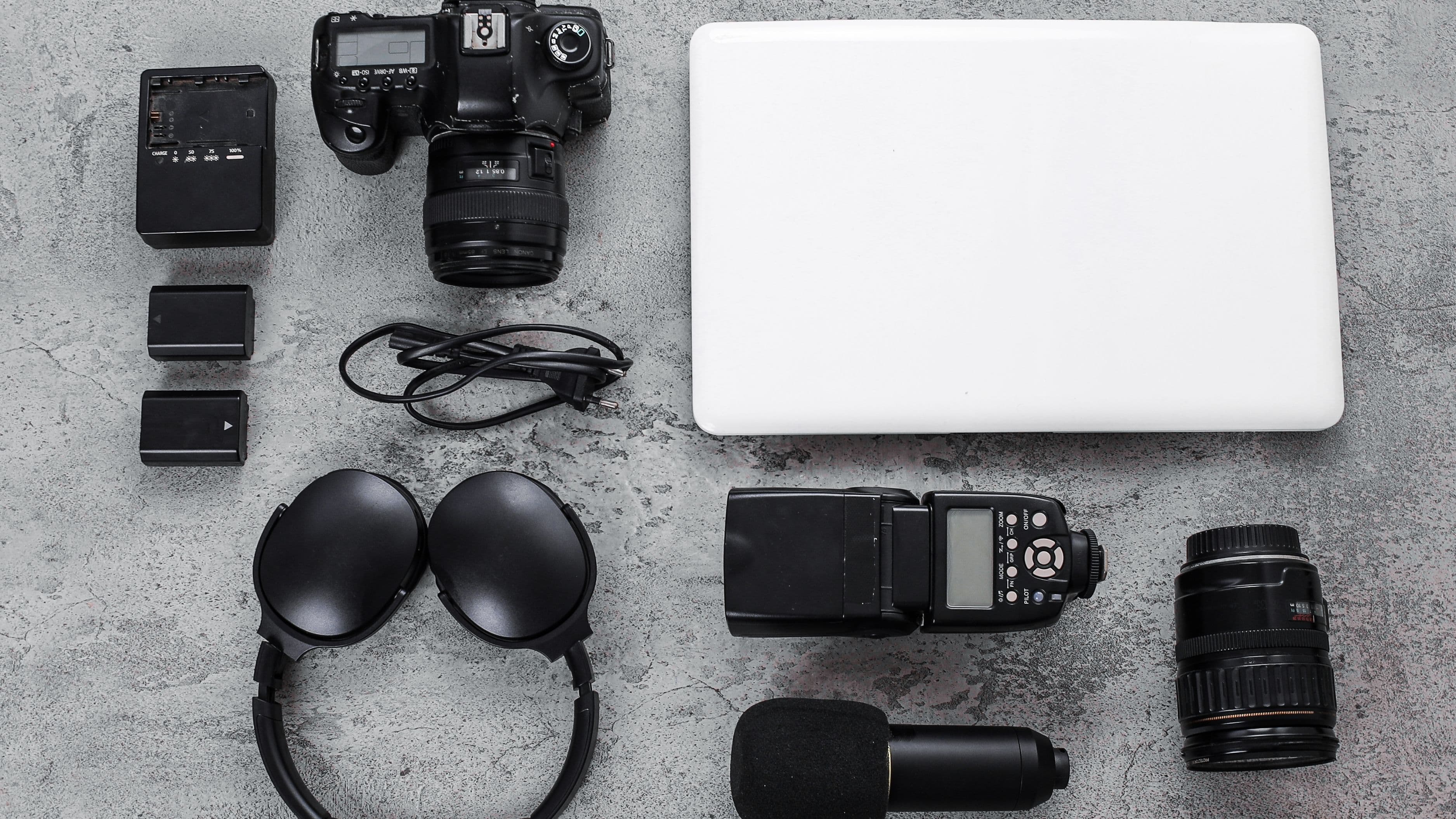
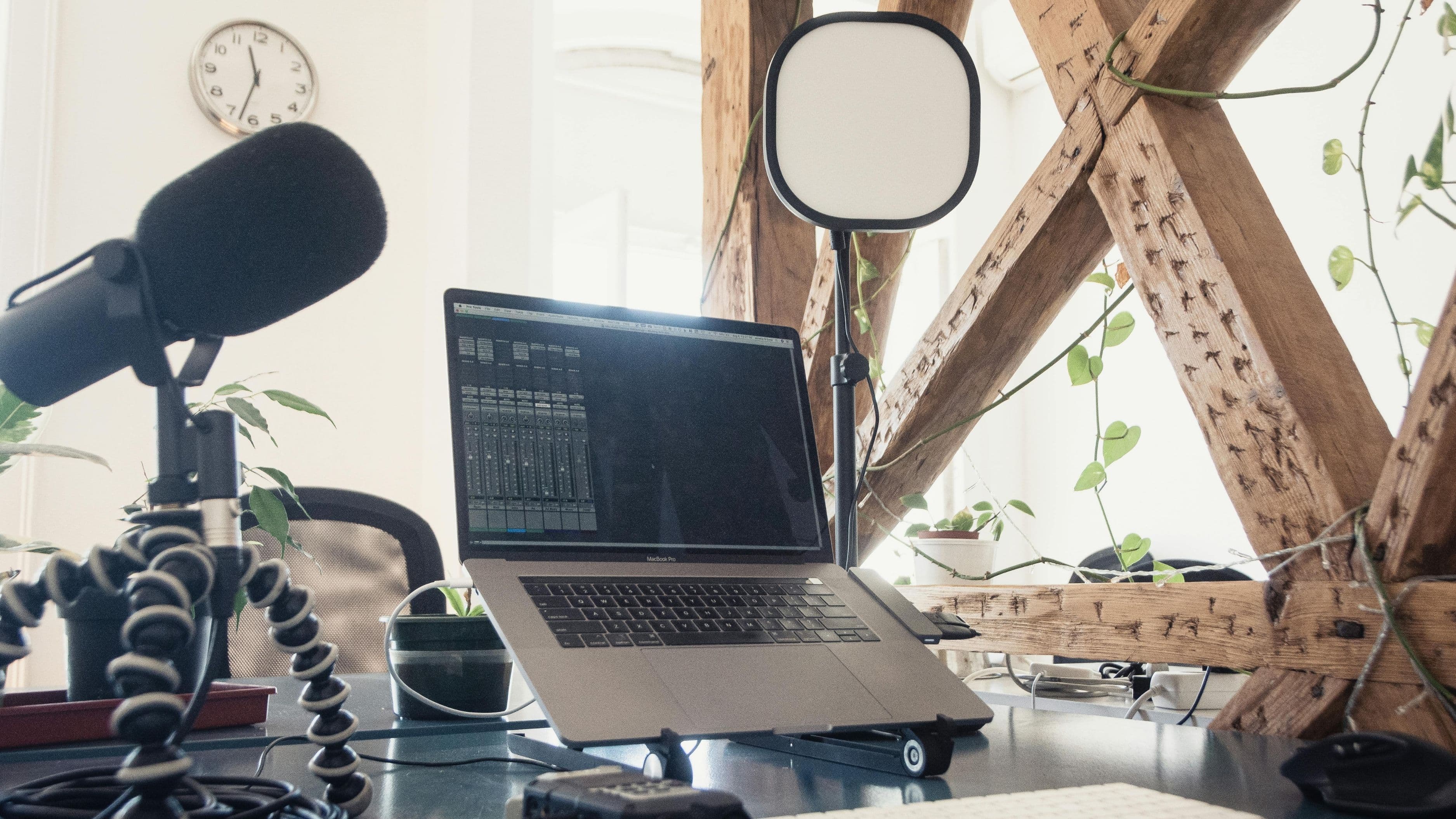
The beauty of marketplace plans is their flexibility. You can shop during open enrollment or qualify for special enrollment if you've had a major life change, like going full-time with your side hustle. Many gig workers time their transitions strategically, treating open enrollment like Black Friday for health coverage. The subsidies can be genuinely substantial too—some creators making $40,000 a year might pay less than $100 monthly for coverage, which is less than they spend on their Ring Light collection and fancy microphone setup.
But here's where it gets tricky: estimating your income when you're a creator is like predicting which of your videos will go viral. One sponsored post or successful product launch can bump you into a different income bracket, potentially affecting your subsidy. It requires quarterly check-ins and adjustments, turning tax season into an extreme sport.
The Union Renaissance
Plot twist: unions aren't just for factory workers anymore. Freelancers and gig workers are banding together like the Avengers, except instead of fighting Thanos, they're fighting premium hikes. Organizations like the Freelancers Union, the National Association for the Self-Employed, and industry-specific groups are offering group health plans that give independent workers the buying power they'd never have solo.
For creators, guilds and associations are sprouting up faster than new social media platforms. The Creator Guild and similar organizations are negotiating group rates that make individual coverage look like highway robbery. When you're negotiating as a collective of thousands rather than a lone wolf, insurance companies suddenly become much more interested in your business. It's basic economics with a side of solidarity, and it's actually working.
These unions also provide something equally valuable: information and advocacy. Navigating health insurance as a solo operator feels like reading IKEA instructions written in ancient Sanskrit. Having a community that's been through it, knows the loopholes, and can recommend specific plans? That's the difference between drowning and having a really sturdy life raft decorated with encouraging sticky notes.
The Spouse Clause
Let's talk about the least romantic but incredibly practical reason some creators get married or stay partnered: health insurance. The "spouse's plan" has become its own category of coverage strategy, and nobody's apologizing for it. If one partner has a traditional job with benefits while the other builds their creative empire, that employee plan often covers both—and it's usually better and cheaper than anything available on the individual market.
This arrangement has spawned an entire generation of "I'll handle the health insurance, you chase your dreams" partnerships. It's pragmatic, it's increasingly common, and it's reshaping how young workers think about relationships and career risks. The traditional breadwinner model is being replaced by the "benefits winner" model, where who has the better insurance might matter more than who makes more money.
Of course, this creates its own complications. What happens when the relationship ends but the insurance dependency doesn't? What if the traditionally employed partner wants to quit and start their own thing? These questions are spawning difficult conversations at kitchen tables across America, where love meets deductibles in awkward harmony.
The Catastrophic Gamble
Here's the strategy nobody wants to admit they're using but tons of young, healthy gig workers embrace anyway: catastrophic plans or going bare. It's the financial equivalent of "YOLO," except with your health. Catastrophic plans offer low monthly premiums but sky-high deductibles, essentially covering you only if you get hit by a bus or need emergency surgery. For the invincible 25-year-old creator making drone videos, it feels like enough.
The math sometimes works out, especially if you're disciplined about stashing away what you would've spent on premiums into a health savings account. If you're relatively healthy and aren't taking expensive medications, you might go years without needing more than an annual checkup. Those thousands saved in premiums? They go toward building your business, upgrading equipment, or actually having an emergency fund.
But this strategy has obvious flaws that become glaring around age 30 or after your first real health scare. One emergency room visit for that chest pain that turned out to be anxiety (thanks, algorithm changes!) can wipe out years of savings. One chronic condition diagnosis, and suddenly that catastrophic plan feels less like smart budgeting and more like playing Russian roulette with your financial future.
The Portfolio Approach
The savviest gig workers are treating health coverage like investment portfolios—diversifying and mixing options. They're combining a high-deductible health plan with a health savings account, adding supplemental insurance for specific concerns, and maybe joining a health-sharing ministry or direct primary care membership. It's complicated, requires spreadsheet skills, and feels like having four remote controls for one TV, but it can work.
Health savings accounts have become particularly popular because they're the triple tax advantage unicorn of the financial world. Contributions are tax-deductible, the money grows tax-free, and withdrawals for medical expenses aren't taxed. For gig workers with variable income, an HSA acts as both insurance buffer and long-term investment vehicle. Some creators are maxing out their HSA contributions before anything else, treating it like a retirement account that you can also use if you break your wrist doing parkour for content.
Direct primary care memberships are another piece of this puzzle. For a monthly fee (usually $50-150), you get unlimited access to a primary care doctor, often with same-day appointments and even text access. It's like having a doctor on retainer, which feels very "I've made it" even if you're still editing videos at 2 AM. When combined with a catastrophic plan for emergencies, it can create surprisingly comprehensive coverage for reasonable monthly costs.
The Side Hustle Hustle
Here's an ironic twist: some creators are taking on additional gigs specifically for the health insurance. Yes, you read that right—gig workers are getting more gigs to afford the fallout from gig work. Starbucks, with its benefits for part-time workers, has become legendary among freelancers. Work 20 hours a week slinging lattes, get health insurance, and spend the rest of your time building your empire. It's the new version of the MFA—except instead of "Master of Fine Arts," it's "Macchiato-Funded Aspirations."
Companies like Costco, Trader Joe's, and even some retail chains offer benefits to part-time workers, creating a safety net industry for the creative class. Some creators strategically maintain these positions even after their main gig takes off, treating the day job as their "insurance job" rather than their identity. It requires ego management and time juggling, but it beats paying $800 monthly for a plan with a $6,000 deductible.
This approach also provides something beyond insurance: financial stability that makes creative risks possible. Knowing you have baseline income and health coverage lets you turn down brand deals that don't align with your values or take a month off to pivot your content strategy. The barista badge becomes a symbol of strategic thinking rather than failure to launch.
The International Escape Hatch
Some digital creators are taking a radical approach: leaving the country. Not permanently, necessarily, but long enough to take advantage of healthcare systems elsewhere. Digital nomad visas in Portugal, Mexico, Thailand, and dozens of other countries often come with access to local healthcare at prices that make American insurance look like a scam. A doctor's visit in Thailand might cost $30. In Mexico, you can get a full physical for less than your American copay.
This trend accelerated dramatically during the pandemic when remote work proved viable long-term. Why pay $500 monthly for insurance in the US when you could live in Bali, pay $100 for international coverage, and see doctors for cash prices that seem absurdly low? For location-independent creators—YouTubers, podcasters, writers, online coaches—geography is just a choice, and increasingly, they're choosing places where healthcare won't bankrupt them.
The tax implications get complicated, and you need to maintain US coverage if you plan to return, but temporary international health tourism is becoming normalized. Some creators are even building content around it, making their healthcare adventures into engaging narratives. "I got my tooth fixed in Colombia for $200" videos rack up views while simultaneously solving a real problem.
The Advocacy Evolution
Perhaps the most promising trend is gig workers becoming their own advocates and demanding systemic change. Portable benefits legislation is gaining traction in several states, proposing that benefits follow the worker rather than the employer. California's Proposition 22, though controversial, included healthcare stipends for app-based drivers. Similar proposals are bubbling up nationwide, pushed by coalitions of gig workers who've realized their collective voice matters.
Creators with large platforms are using their influence to spotlight these issues. When a YouTuber with 2 million subscribers talks about their health insurance struggles, it resonates differently than a policy wonk's white paper. These stories are humanizing an abstract issue and building momentum for change. Some creator advocacy groups are even lobbying directly, bringing Gen Z energy and social media savvy to traditionally staid policy discussions.
The conversation is shifting from "how do I survive this system" to "how do we change this system." That's powerful. When enough people realize the current model doesn't serve them, pressure mounts for alternatives. Whether that's Medicare for All, public options, portable benefits, or something entirely new, the gig economy's healthcare crisis is becoming impossible to ignore.
The Tech Solution Hunters
Where there's a problem affecting millions, startups inevitably emerge promising to fix everything with an app. Health insurance comparison tools, telemedicine platforms, and benefit administration companies are multiplying faster than you can say "venture capital." Some are genuinely helpful—apps that compare marketplace plans based on your specific needs, or platforms that bundle different types of coverage into simplified packages.
Telemedicine has been particularly transformative for gig workers. When you don't have paid sick days and can't afford to spend four hours in a doctor's waiting room, being able to video chat with a physician for $40 becomes incredibly valuable. Services like Teladoc, MDLive, and dozens of competitors are filling gaps, handling everything from UTIs to mental health check-ins. It's not a replacement for comprehensive care, but it's a practical stopgap that gig workers are embracing enthusiastically.
However, skepticism is warranted. For every legitimate solution, there's a sketchy health-sharing ministry that's technically not insurance and might deny your claims based on moral clauses buried in fine print. Or discount medical plans that are basically coupon books pretending to be coverage. Navigating this landscape requires the research skills of an investigative journalist and the cynicism of someone who's already been burned twice.
The Mental Health Multiplier
What often gets overlooked in health insurance discussions is mental health coverage, which for gig workers and creators is especially critical. The isolation, income instability, and constant performance pressure of creator life creates mental health challenges that would benefit enormously from therapy—except many affordable plans either don't cover it adequately or have such limited provider networks that waitlists stretch months.
Some creators are getting creative here too, using apps like BetterHelp or Talkspace that offer subscription therapy, or finding therapists who offer sliding scale rates. Others are building mental health costs directly into their business budgets, treating therapy like any other essential business expense. Because when your business is essentially monetizing your personality and creativity, maintaining your mental health isn't self-care—it's infrastructure maintenance.
The pandemic spotlighted these issues dramatically, with many creators burning out publicly and starting conversations about the sustainability of their careers. Health insurance that actually covers mental health adequately is increasingly a dealbreaker, especially for younger workers who've normalized therapy and won't accept plans that treat it as optional.
The Reality Check
Here's the uncomfortable truth underneath all these creative solutions: navigating health insurance shouldn't require a PhD in bureaucracy and the risk tolerance of a BASE jumper. The fact that gig workers and creators are developing elaborate workarounds is testament to human resilience and ingenuity, but it's also evidence of a system that fundamentally doesn't work for how millions of Americans actually work now.
The gig economy isn't a temporary trend—it's reshaping employment permanently. Creator careers aren't quirky outliers; they're legitimate professions that kids aspire to more than being doctors or lawyers. Yet our health insurance system still operates like it's 1955, when everyone worked at the same company for 40 years and got a gold watch. That disconnect creates enormous stress, forces impossible choices, and occasionally ruins lives when someone gets sick at the wrong time.
The solutions gig workers are crafting—from marketplace plans to unions to international relocations—are patches on a broken system. They work, sort of, sometimes, for some people. But they shouldn't have to exist. Nobody should be staying in a relationship for the insurance, or moving to another country to afford a root canal, or weighing a creative career against the risk of medical bankruptcy.
Your Move
If you're a gig worker or creator figuring this out right now, know that you're not alone in feeling overwhelmed. Start with the marketplace during open enrollment and see what subsidies you qualify for—they're often more generous than expected. Research any professional associations in your field; many offer group plans that beat individual options. If you're healthy and young, run the numbers on a high-deductible plan with an HSA; if you have ongoing medical needs, prioritize coverage over premium savings.
Talk to other creators and freelancers in your niche about what they're doing. The best advice often comes from people navigating the same waters. Don't be embarrassed to ask—everyone's trying to figure this out, and the solidarity can be surprisingly comforting. Consider working with an insurance broker who specializes in self-employed individuals; they know the landscape and can save you hours of confusion.
Most importantly, budget for healthcare like you budget for equipment and software—it's a business expense that keeps your most important asset (you) functional. Whether that means building a part-time gig into your mix, setting aside money monthly for premiums, or strategically timing your income, treat health coverage as non-negotiable. Your future self, facing down a health crisis, will thank your present self for not winging it.
The gig economy isn't going anywhere, and neither are the healthcare challenges it creates. But by sharing strategies, supporting systemic change, and refusing to accept that "entrepreneur" and "uninsured" have to be synonyms, workers are slowly building something better. It's messy, imperfect, and exhausting—kind of like creating content at 2 AM while caffeinated and anxious. But it's also proof that when systems fail people, people don't just fail. They adapt, organize, and occasionally revolutionize. Your health insurance journey might feel like chaos, but you're actually pioneering the future of work. Just make sure you're covered while you do it.
📚 Sources
1. Kaiser Family Foundation. (2024). "Health Insurance Coverage of the Nonelderly (2023)." Analysis of health insurance trends among self-employed and gig workers.
2. Freelancers Union. (2023). "Freelancing in America: 2023 Report." Study of 3,000+ independent workers regarding benefits and insurance access.
3. U.S. Bureau of Labor Statistics. (2024). "Contingent and Alternative Employment Arrangements News Release." Data on gig economy worker demographics and employment patterns.
4. Pew Research Center. (2023). "The State of Gig Work in 2023." Survey examining how American gig workers manage healthcare and benefits.