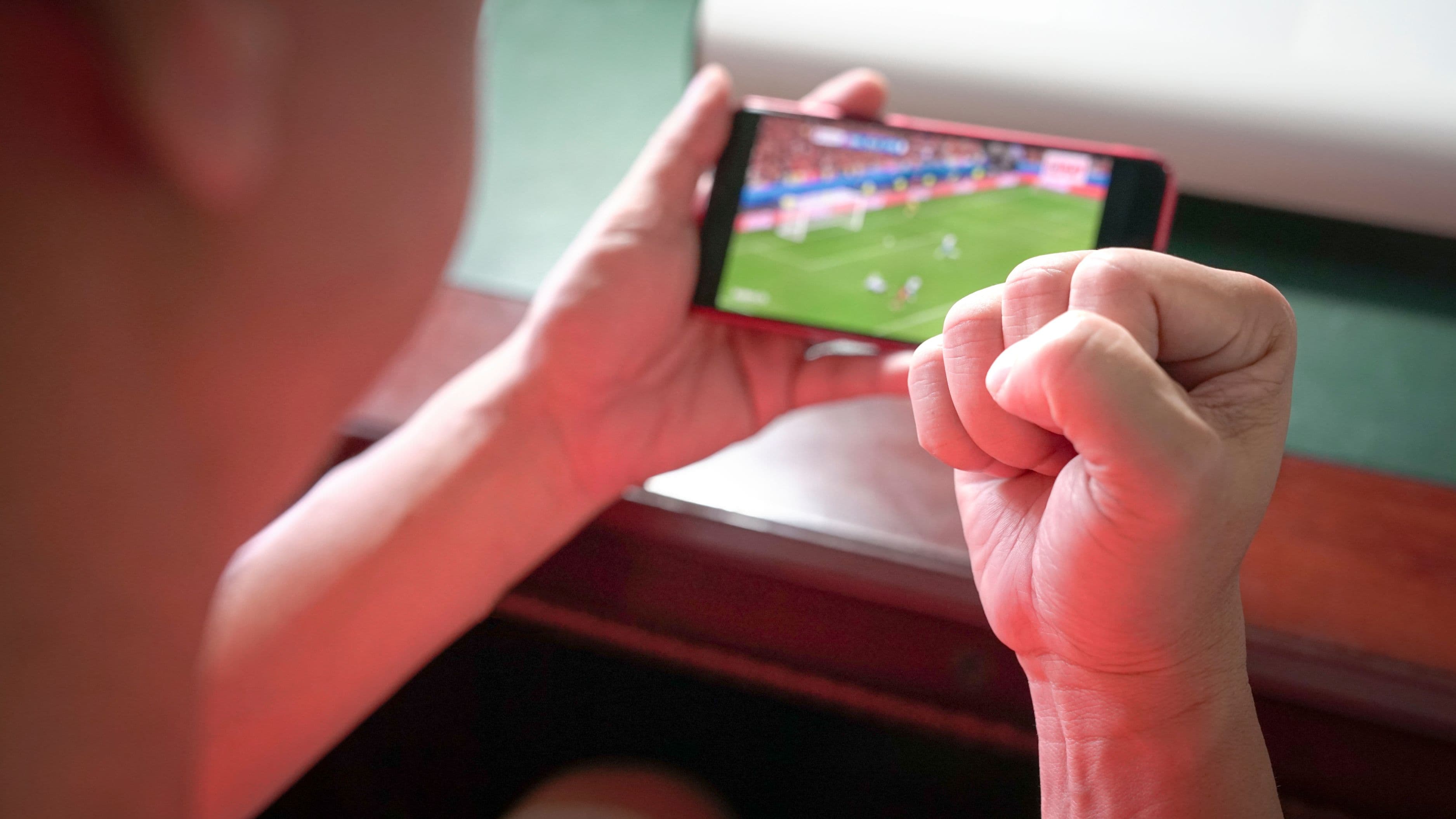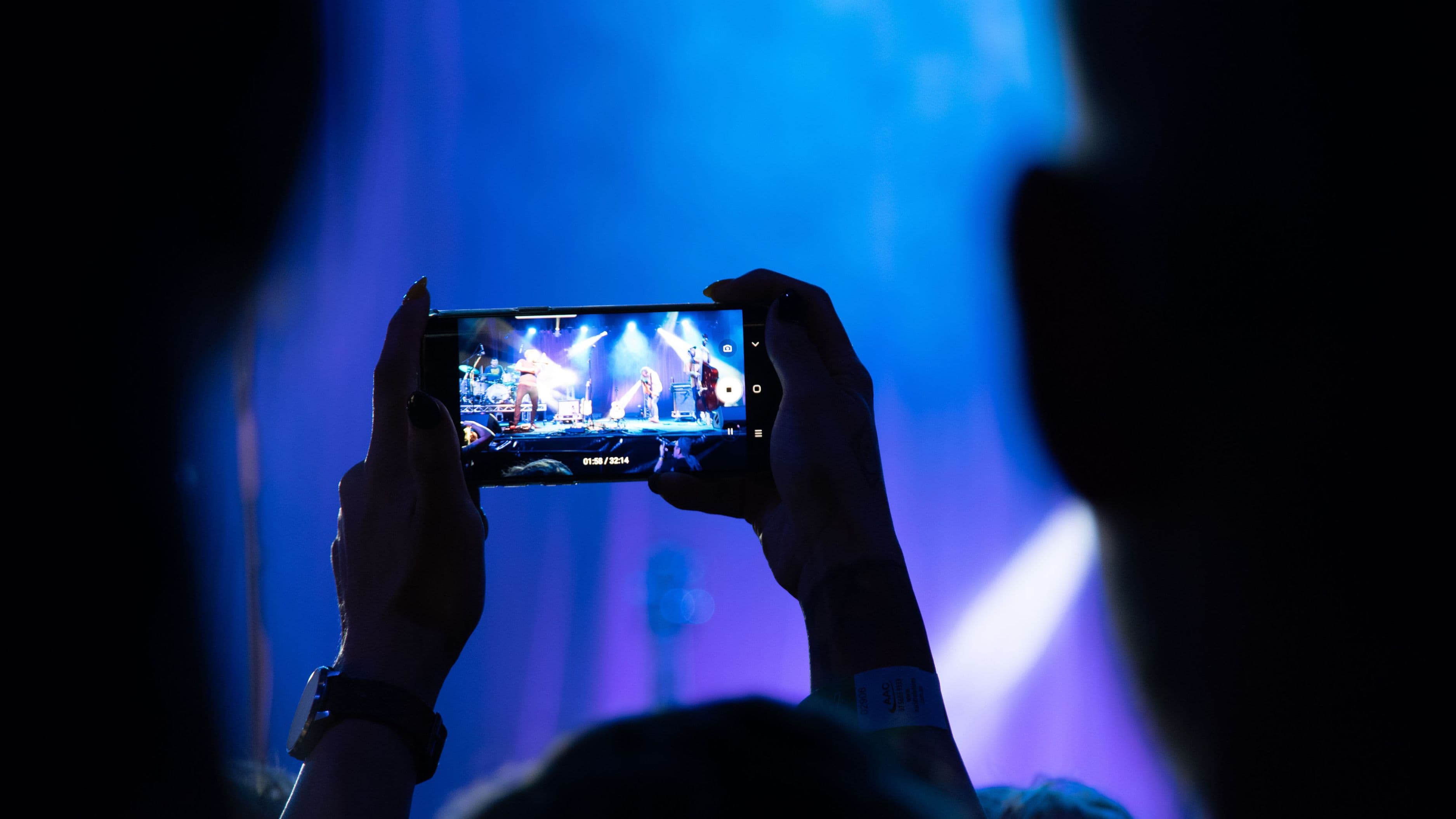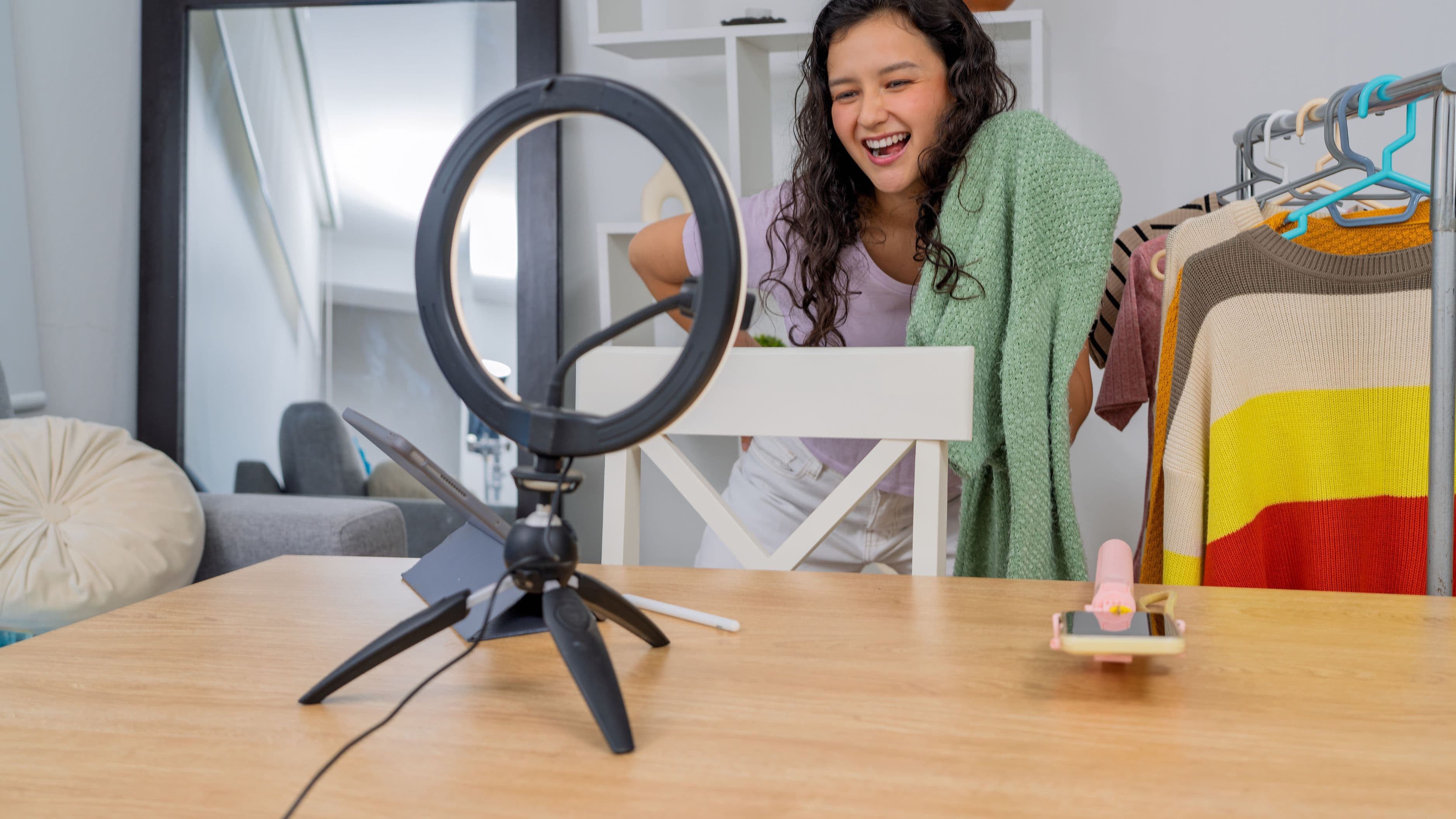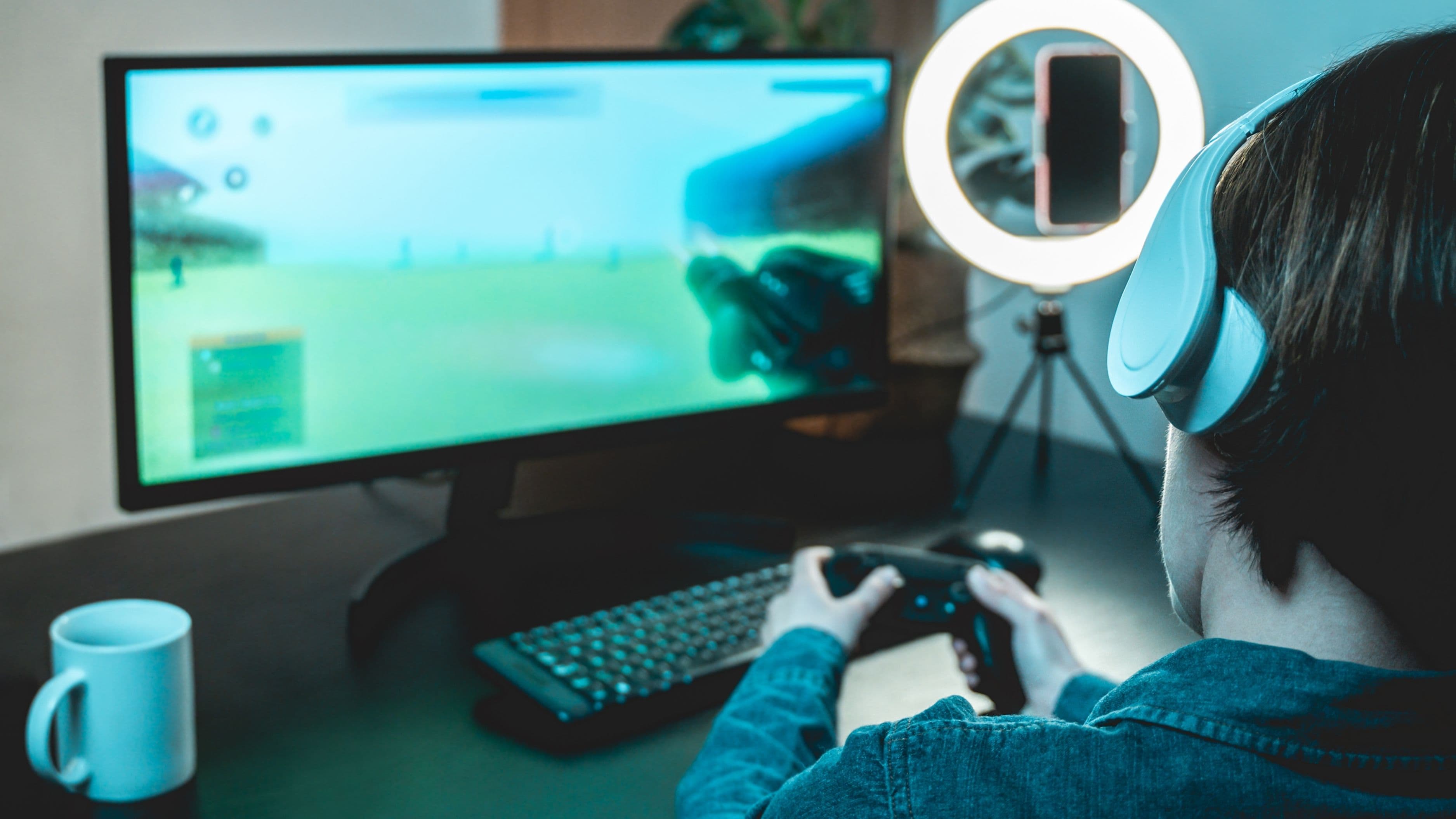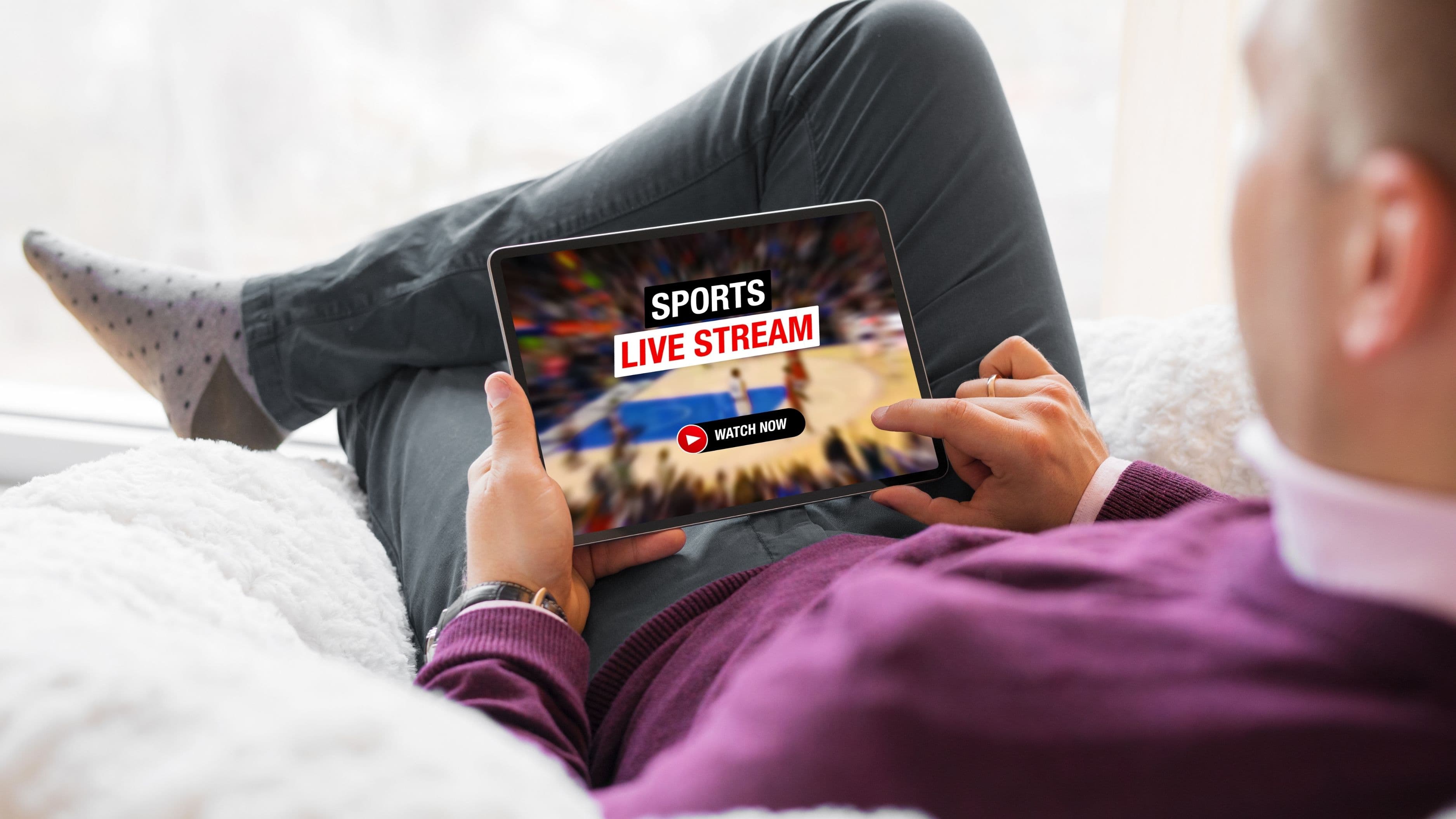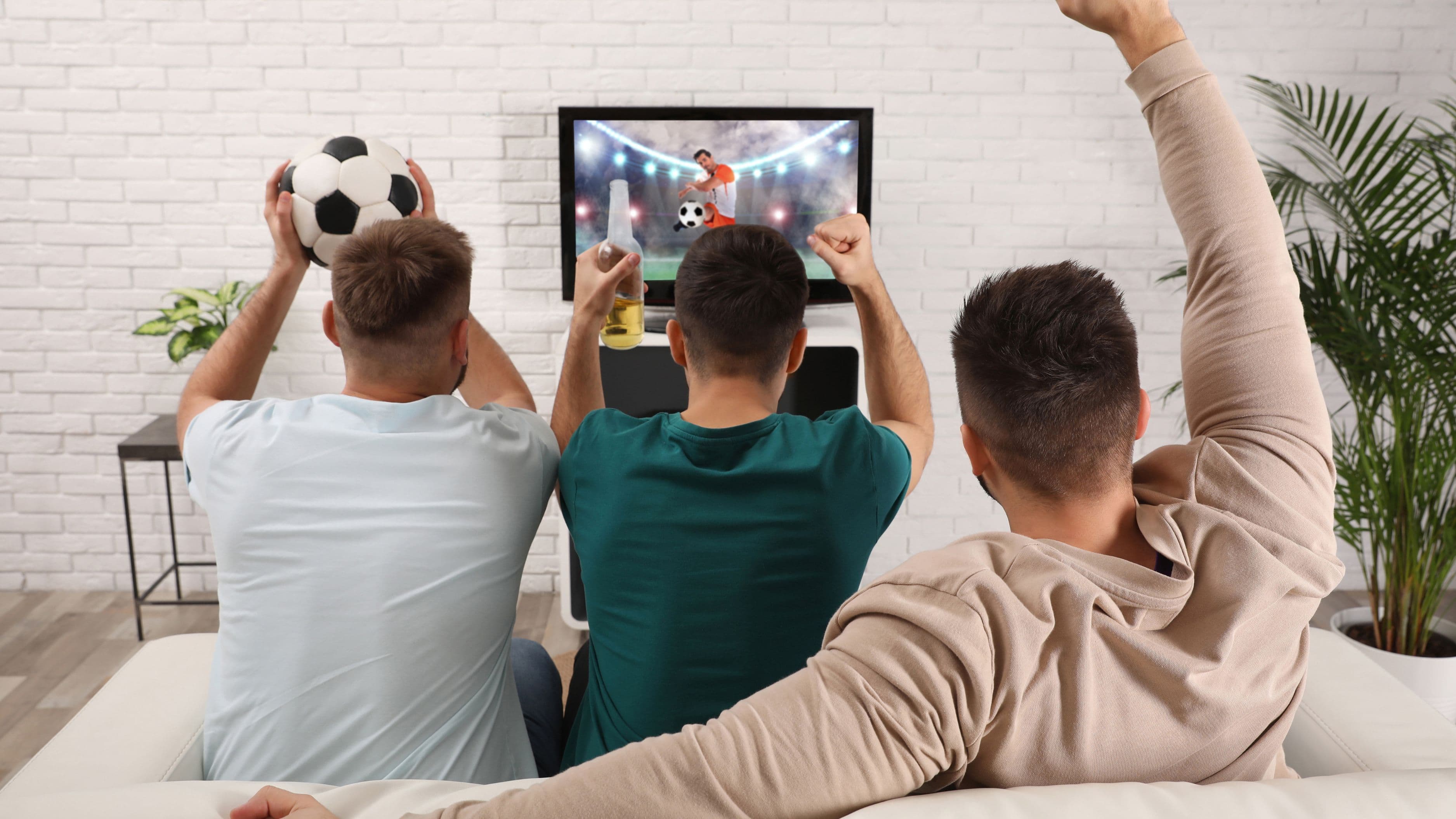

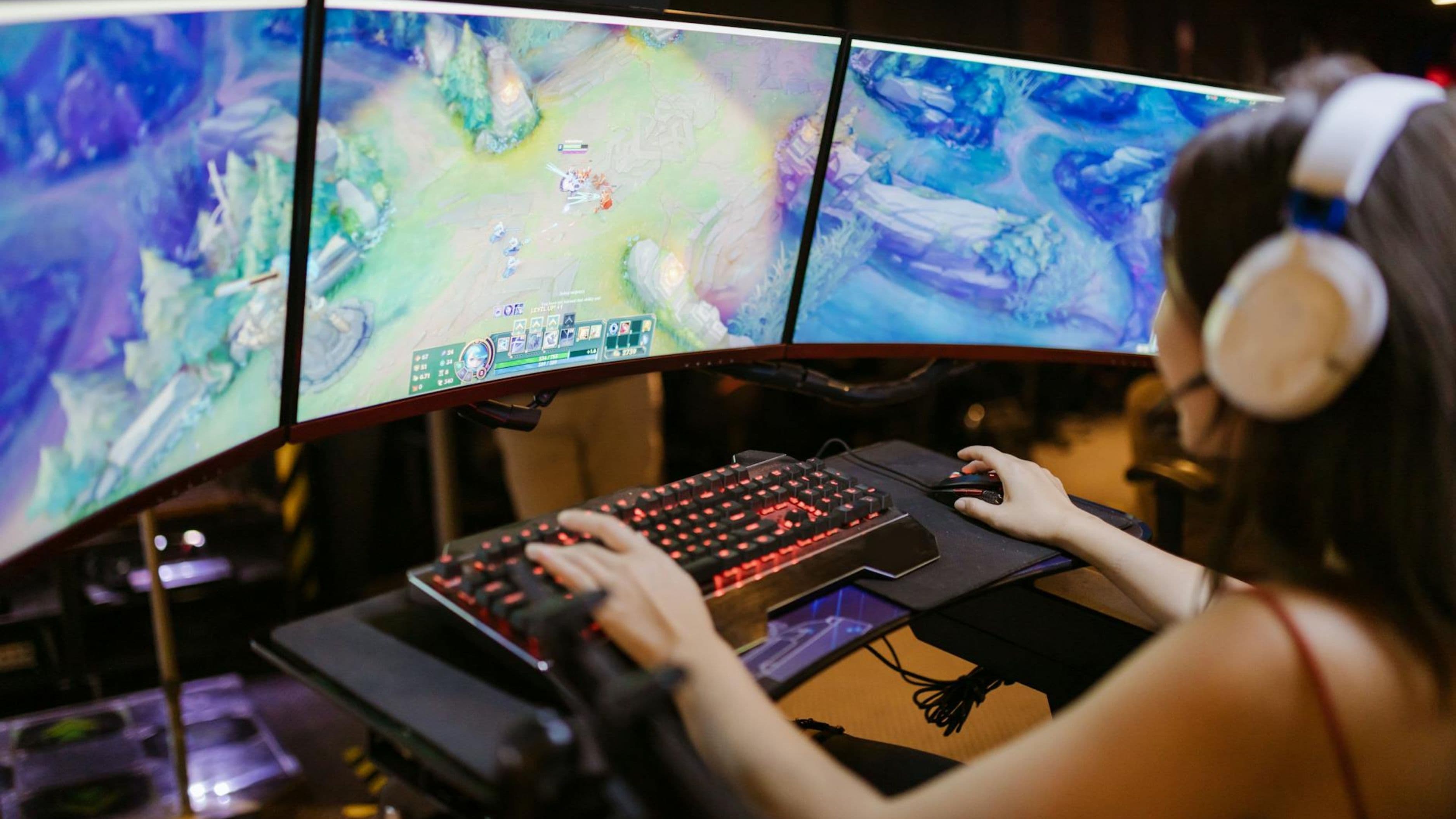
So what's driving this seismic shift? Why are bedroom setups with RGB lights pulling numbers that make traditional sports networks nervous? Let's break down the forces transforming how we consume competitive content.
1. You're Not Just Watching—You're Part of the Show
Traditional sports keep you in the bleachers, literally and figuratively. You cheer, you boo, but the players can't hear you. Gaming streams demolished that fourth wall entirely. When you drop a comment in chat, streamers read it out loud. Ask a question, and they might answer mid-match. Suggest a strategy, and they'll try it just to see what happens. This level of interaction transforms passive viewing into active participation.
The chat itself becomes its own entertainment layer—a living, breathing commentary track filled with inside jokes, emotes, and real-time reactions. You're not consuming content in isolation; you're part of a digital crowd that responds instantly to every clutch play and hilarious fail. Research from the Pew Research Center shows that younger audiences increasingly value interactive experiences over one-way content consumption, which explains why 67% of Gen Z prefers platforms that allow direct creator interaction.
Beyond chat, many streamers incorporate viewer suggestions into gameplay, host community challenges, or even let viewers influence game decisions through polls. This co-creation of entertainment makes every stream feel unique and unrepeatable, something traditional sports broadcasts can't replicate no matter how many camera angles they add.
2. No Season, No Schedule, No Problem
Sports operate on calendars controlled by leagues, networks, and time zones. Your team plays once a week. Championships happen once a year. Miss the game? You're watching highlights with spoilers everywhere. Gaming streams flip this model completely. Streamers go live when they want, sometimes for twelve hours straight. Can't catch it live? The VOD sits there waiting. Content flows constantly, abundantly, across every time zone.
This abundance creates something traditional sports can't: availability on your terms. Got fifteen minutes during lunch? There's a stream. Can't sleep at 2 AM? Someone's broadcasting. The always-on nature of streaming platforms means entertainment bends to your schedule, not the other way around. Plus, the sheer variety means you'll find content that matches your exact mood—whether you want high-stakes esports competition, chill creative building, or chaotic multiplayer mayhem.
The platform algorithms have gotten smart too, serving up exactly what you're craving before you even search for it. This frictionless access makes gaming streams the perfect fit for how we actually consume media today: in scattered chunks, across devices, whenever inspiration strikes.
3. Personality Beats Jersey Numbers Every Time
Ask sports fans about their favorite players, and you'll hear about statistics, championships, and highlight reels. Ask gaming stream fans about their favorite creators, and you'll hear stories. You'll hear about the time they rage-quit and came back, the wholesome charity stream that raised thousands, the running joke that's lasted three years. Gaming streams sell personalities, not just skills.
Traditional athletes maintain carefully managed public images shaped by PR teams and brief post-game interviews. Streamers broadcast their genuine reactions for hours daily—the frustration, the joy, the random tangents about their dog. This unfiltered access creates parasocial relationships that feel remarkably authentic. You know their catchphrases, their pet peeves, their coffee order. They feel less like distant celebrities and more like friends you hang out with regularly.
The successful streamers understand this instinctively. They're not just skilled players; they're entertainers who've mastered the art of digital companionship. They share their lives, their struggles, their victories in ways that traditional sports' media-trained soundbites never could. When your favorite streamer shares news about their life, it lands differently than a press conference. That emotional connection keeps viewers coming back stream after stream, building loyalty that transcends any single game or platform.
4. Anyone Can Be the Next Big Thing
Traditional sports have gatekeepers everywhere. Scouts. Coaches. League executives. Physical requirements. Geographic limitations. The path from playing in your backyard to the professional leagues is narrow, expensive, and brutal. Gaming demolished most of these barriers. Got internet? Got a computer? You can start streaming today. No tryouts required.
This democratization means talent emerges from everywhere. A teenager in rural Ohio can build an audience larger than local sports teams. Someone who'd never qualify for traditional athletics due to physical limitations can dominate in competitive gaming. The diversity of body types, backgrounds, and life experiences in streaming far exceeds what traditional sports typically showcase. This inclusivity resonates powerfully with audiences tired of seeing the same demographic patterns repeated.
Success stories happen fast too. Streamers go from unknown to platform partner in months, not years. They're not waiting for draft picks or signing bonuses—they're building businesses directly with their audience through subscriptions, donations, and sponsorships. This entrepreneurial angle appeals to younger viewers who increasingly value creator economies over traditional career paths. The message is clear: your bedroom could be your stadium.
5. The Games Never Stop Evolving
Football's rules haven't fundamentally changed in decades. Basketball courts look the same. Baseball is still baseball. This stability has benefits, but it also means the product stays relatively static. Gaming streams feed on constant novelty. New games launch weekly. Updates transform existing titles overnight. Metas shift. Strategies evolve. There's always something fresh.
This endless evolution keeps content feeling urgent and current. Miss a week and you might need catching up on new characters, mechanics, or community drama. The games industry's rapid innovation cycle means streamers always have new worlds to explore and new challenges to master. Watching someone figure out a brand-new game in real-time creates excitement that established sports can't match—everyone's discovering together.
Even within single games, updates introduce seismic shifts. A balance patch can flip entire competitive scenes. New seasons bring fresh content. Limited-time events create genuine FOMO. Traditional sports certainly have moments of drama, but gaming's accelerated pace makes every month feel like a different era, keeping audiences perpetually engaged.
6. Communities Build Themselves
Sports fans traditionally organized around geography—your city's team, your local bar, your neighborhood rivalry. Gaming communities form around shared interests regardless of location. Love speedruns? There's a community. Obsessed with a specific streamer? There's a Discord with thousands of members. These digital-native communities often feel more cohesive and active than geographic fan bases.
The tools for community building are built directly into streaming platforms. Emotes become shared language. Inside jokes develop organically. Regular viewers earn recognition and status. Moderators emerge from the community itself. These spaces often extend beyond the streams into social media, fan art, memes, and collaborative projects. The community isn't just consuming content—it's actively creating culture around it.
Many streamers cultivate these communities intentionally, fostering inclusive environments where people find genuine friendship and belonging. For viewers who might feel isolated or disconnected offline, these digital communities provide real social connection. The parasocial becomes genuinely social when the entire chat knows each other's usernames and histories.
7. Production Value Isn't Required—Authenticity Is
Major sports broadcasts require massive production budgets: cameras, commentators, graphics packages, satellite trucks. Gaming streams can happen with a webcam and decent internet. But here's the twist: viewers often prefer the scrappy, authentic setup over polished productions. The low-tech aesthetic signals realness, not amateurism.
This inverted relationship with production quality makes streaming remarkably accessible both for creators and viewers. You don't need to understand complex sports rules or appreciate technical cinematography. You just need to enjoy watching someone play games and be themselves. The barrier to entry for understanding and appreciating the content is remarkably low, while the ceiling for engagement remains incredibly high.
When streamers do invest in production—better cameras, professional lighting, custom graphics—audiences notice and appreciate it, but it's never the primary draw. Personality and gameplay remain king. This stands in stark contrast to traditional sports where billion-dollar stadiums and broadcast technology are considered essential rather than optional.
8. Accessibility Rewrites the Game
Traditional sports require specific physical abilities that automatically exclude large portions of the population. Gaming, while certainly skill-intensive, opens doors for people with various physical disabilities through adaptive controllers and assistive technologies. Streamers with mobility limitations compete at the highest levels. This representational shift matters enormously to audiences who've never seen themselves reflected in traditional athletic spaces.
The mental aspect of gaming also appeals differently. Strategy, pattern recognition, and quick decision-making matter more than physical prowess. This different skill set attracts audiences interested in intellectual competition rather than purely physical contests. Watching someone outthink their opponent feels just as thrilling as watching someone outrun them, but it's a different flavor of excitement that resonates with different people.
Streaming platforms also offer better accessibility features than traditional broadcasts—closed captions, adjustable playback speeds, screen readers. The digital-native format means it's easier to make content available to everyone regardless of ability, creating more inclusive viewing experiences.
9. Monetization Feels Personal
When you buy a sports team jersey, you're supporting a multi-billion dollar franchise. When you subscribe to a streamer's channel, you're directly supporting a person. This direct economic relationship transforms how audiences think about spending money on entertainment. Your $5 monthly subscription feels like patronage, not consumption.
Streamers acknowledge subscribers by name, thank donators personally, and create exclusive perks for supporters. This recognition creates powerful reciprocity loops. Viewers feel genuinely valued, not like anonymous faces in a crowd. The transparency of this exchange—knowing exactly where your money goes and seeing immediate impact—appeals to audiences increasingly skeptical of corporate entertainment.
Many streamers also involve their communities in financial decisions: which charity to support, what equipment to upgrade, which game to play next. This collaborative approach to monetization makes audiences feel like stakeholders in something they're helping build rather than customers purchasing a finished product.
10. The Multiverse Effect
Traditional sports exist in their own separate universes. Football doesn't cross over with hockey. Baseball has nothing to do with soccer. Gaming streams exist in an interconnected web where everything references everything else. Streamers collaborate across games, genres, and platforms. A Minecraft streamer might join a Valorant tournament, then play Among Us with creators from completely different communities.
This cross-pollination creates a rich, interconnected ecosystem that feels vibrant and expansive. Fans follow their favorite personalities across multiple games and projects, not confined to a single title or league. The variety keeps things fresh and introduces audiences to new content they might never have discovered otherwise. Today's Just Chatting stream becomes tomorrow's competitive FPS session becomes next week's creative building project.
These collaborations also generate events that feel culturally significant within the community—mega-tournaments, charity streams, or narrative-driven roleplay servers that can run for months. These shared experiences create touchstone moments that bind communities together, functioning similarly to championship seasons in traditional sports but happening far more frequently.
The shift from stadium seats to Twitch streams isn't just about technology changing—it's about what we fundamentally want from our entertainment. We want connection, not just observation. We want communities, not just fanbases. We want access on our terms, featuring people who feel real, playing games that constantly surprise us.
Traditional sports aren't disappearing, but they're facing competition from an entertainment form that's native to how we actually live online. Gaming streams emerged from digital culture rather than trying to retrofit old formats for new platforms. That difference matters enormously.
As the lines between gamer, streamer, and viewer continue blurring, one question lingers: Are we witnessing the evolution of sports entertainment, or the birth of something entirely new?
📚 Sources
Pew Research Center. (2024). "Digital Engagement and Interactive Media Consumption Among Gen Z Audiences."
TwitchTracker. (2024). "Global Streaming Statistics and Concurrent Viewership Data."
Newzoo. (2024). "Global Games Market Report: Streaming and Community Engagement Trends."