

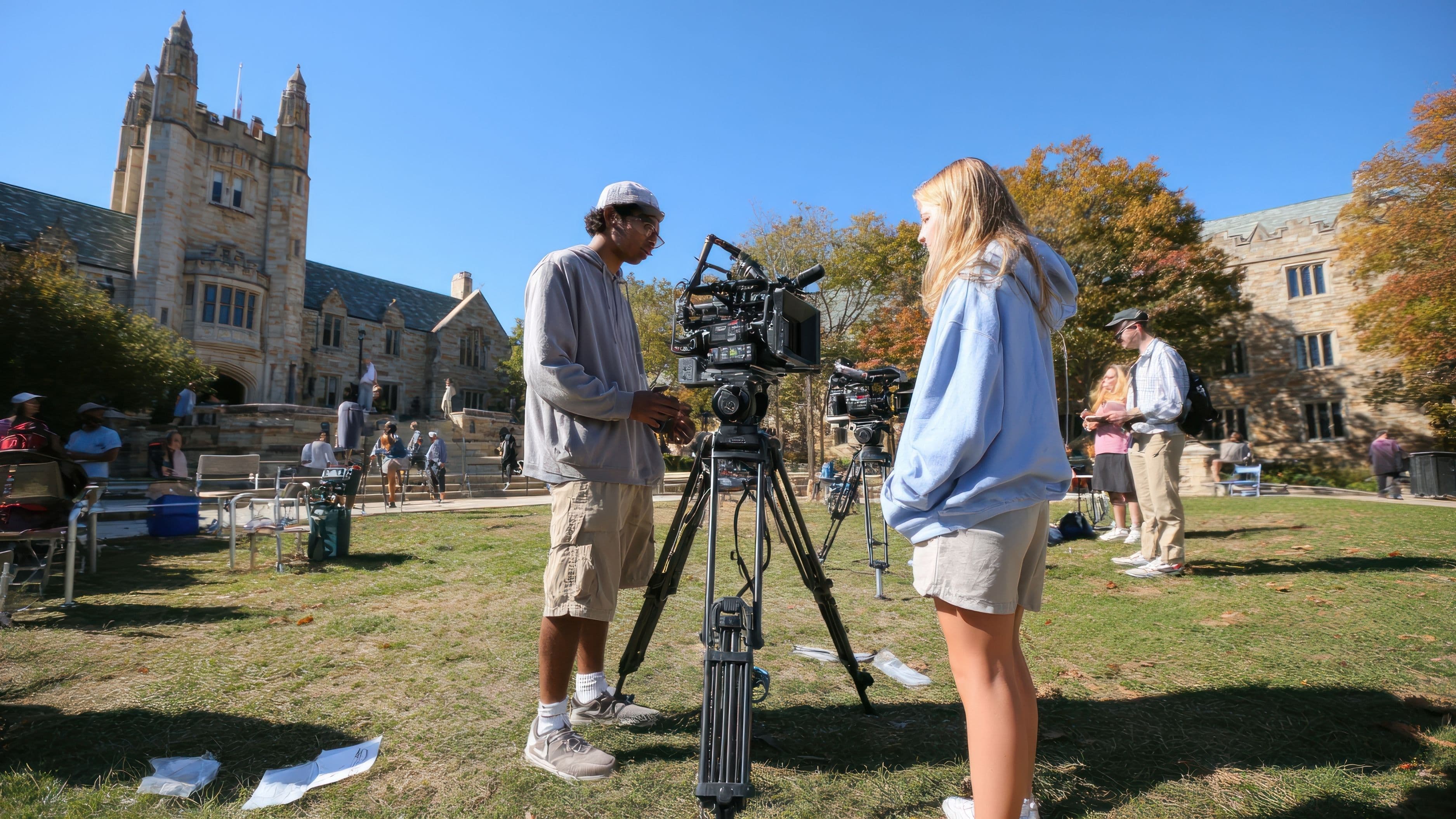
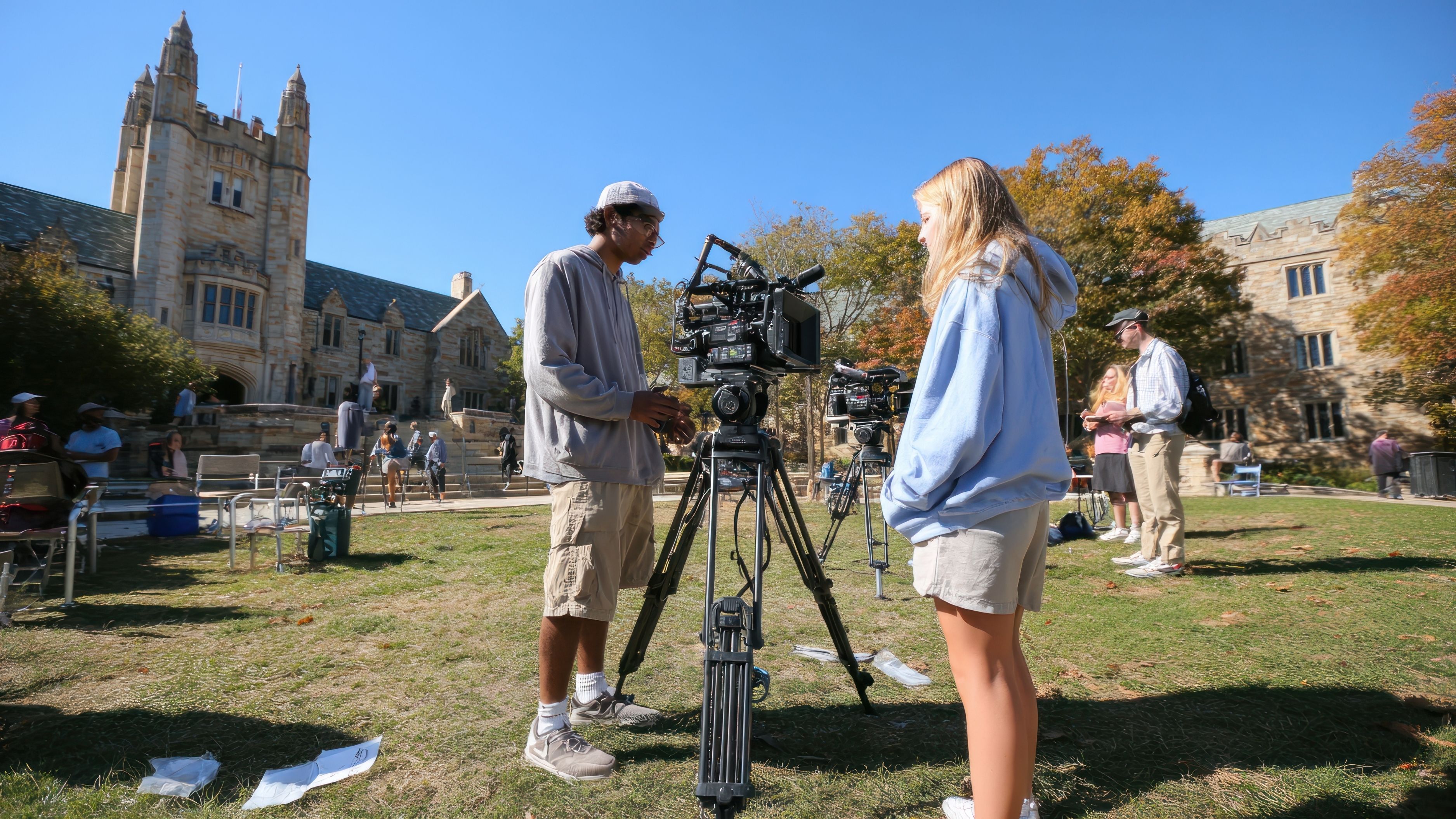
Her story isn't unique—it's becoming the industry standard. While streaming platforms mint millionaires in corner offices, the creative class that actually makes content is suffocating under debt, gig work, and the false promise that "exposure" pays bills. The entertainment industry's wealth gap has transformed from a crack into a canyon, and film school graduates are the ones falling through.
1. The Math Doesn't Add Up (And Everyone Knows It)
Film school tuition has skyrocketed 180% over the past two decades while entry-level production jobs have actually decreased in pay when adjusted for inflation. Top-tier programs like NYU Tisch, USC, and AFI charge between $60,000 to $70,000 per year, pushing total costs past $200,000 when you factor in equipment, living expenses in expensive cities, and the reality that film students rarely have time for part-time work. Meanwhile, production assistant jobs—the traditional entry point—pay roughly $15-20 per hour in major markets, often as freelance gigs without benefits or job security.
The cruel irony? The executives making hiring decisions often graduated when film school cost a fraction of today's prices. They secured jobs in an industry with union protections, pension plans, and career ladders that have largely disappeared. These same executives now greenlight shows with budgets exceeding $15 million per episode while arguing they can't afford to pay their below-the-line workers a living wage. The cognitive dissonance is staggering, yet it's the water everyone in Hollywood swims in.
2. Streaming Changed the Game (And Forgot to Tell Students)
When today's film school seniors were applying to programs in 2021, the industry looked wildly different. Streaming services were in expansion mode, spending billions on content, promising endless opportunities for emerging creators. Fast forward to graduation, and those same platforms have slashed budgets, canceled shows after one season, and instituted hiring freezes that have locked out an entire generation of would-be filmmakers. Film school curricula couldn't pivot fast enough—students learned workflows for productions that no longer exist.
The streaming model also obliterated traditional revenue streams that once sustained mid-level creators. Residuals have been gutted, syndication is dead, and the path from assistant to coordinator to producer has been replaced by "multi-hyphenate" gig work where you're expected to write, shoot, edit, and promote your own content for free until someone notices. Film schools sold students on a career structure that was already crumbling, collecting tuition for an education that prepared them for an industry that vanished.
3. The Executive Class Lives in a Different Economy
While film grads debate whether they can afford health insurance, streaming executives exist in a financial stratosphere that would make pharaohs blush. David Zaslav of Warner Bros. Discovery took home $49.7 million in 2022—the same year his company announced mass layoffs and canceled nearly completed films for tax write-offs. Netflix's Ted Sarandos and Greg Peters combined earned over $80 million while the platform reduced its content budget and fought against residual payments for the writers and actors who create their product.
This isn't just about big numbers—it's about a fundamental disconnect. These executives make decisions about "tightening belts" and "sustainable business models" from positions of such extreme wealth that they've lost all perspective on what normal financial stress feels like. They cannot comprehend what it means to choose between student loan payments and groceries, yet they're determining the compensation structures for thousands of workers. The system isn't broken; it's working exactly as designed to extract maximum value upward.
4. "Passion" Became a Weapon Against Fair Pay
The entertainment industry has weaponized the dreams of young creatives with devastating efficiency. Every film school graduate has heard some version of "there are a hundred people who'd kill for your job," usually said by someone making ten times your salary. This manufactured scarcity creates a race to the bottom where workers accept exploitative conditions because they've invested so much—financially and emotionally—that walking away feels like admitting defeat.
Unpaid internships remain standard in an industry swimming in billion-dollar deals. Production assistants work 14-hour days for poverty wages while being told they're "lucky to be here." Assistant editors and junior creatives take on senior-level responsibilities for entry-level pay because "it's good experience." Meanwhile, the executives preaching about paying dues already own homes, have retirement accounts, and never faced the choice between career advancement and financial survival. Passion should fuel creativity, not subsidize corporate profit margins.
5. The Education-to-Employment Pipeline Is Shattered
Film schools continue selling a narrative of mentorship, connections, and industry access that increasingly doesn't materialize. Programs boast about their successful alumni from decades ago while failing to address that today's graduates face a fundamentally different landscape. The networking that once happened on studio lots now occurs in private Discord servers and Signal groups that exclude outsiders. The apprenticeship model has been replaced by "figure it out yourself" while competing against people who can afford to work for free because their parents pay their rent.
Even the work itself has transformed in ways that make traditional film education less relevant. A cinematography degree teaches you to light for film cameras and work with grip trucks, but entry-level reality TV jobs—which actually hire—need people who can run-and-gun with mirrorless cameras in natural light. Schools teach screenwriting format and three-act structure while streaming platforms want limited series with complex serialization. The gap between education and employment has become a chasm that's costing graduates years and six figures to bridge.
6. The "Make Your Own Content" Advice Ignores Reality
When film grads express frustration about not finding jobs, they inevitably hear "just make your own stuff!" from people who made their careers in studio systems with studio budgets. This advice ignores that "making your own content" requires time, money, and social capital that most debt-burdened graduates simply don't have. You can't produce a competitive web series while working 60 hours a week at survival jobs to service student loans.
The platforms that theoretically democratized content creation—YouTube, TikTok, Instagram—have become just as difficult to break through as traditional gatekeepers. The algorithm rewards consistency, production value, and the ability to play a game that requires treating yourself as a brand. It's exhausting, expensive, and requires the kind of financial runway that's impossible when you're drowning in debt. Meanwhile, executives and established creators who preach "hustle culture" already had their needs met when they were building their careers.
The Reckoning That's Coming
Something has to give. An entire generation of trained creatives is being priced out of the industry they spent fortunes learning to enter. The talent pipeline that feeds entertainment is clogging with debt, disillusionment, and the dawning realization that the system is rigged. Unions are fighting back—the 2023 strikes proved that workers can leverage collective power—but real change requires addressing the wealth extraction at the top.
Film schools need to radically rethink their cost structures and curricula. Studios need to pay living wages and rebuild career ladders. Executive compensation needs to face the same "efficiency" scrutiny currently decimating worker pay. But most importantly, we need to stop treating creativity as a luxury good that only the wealthy can afford to pursue. The stories that shape our culture shouldn't only come from people who can survive without compensation.
Maya still wants to make films. She's too talented and too stubborn to quit. But she's also realistic now in ways that break my heart—she's planning her exit strategy, researching corporate video production jobs that pay actual salaries. "I'll keep trying," she said as we finished our coffee. "But I can't keep paying to work in an industry that treats me as disposable." She shouldn't have to make that choice. None of them should.
📚 Sources
1. National Center for Education Statistics - Average cost of film school tuition 2000-2023
2. USC School of Cinematic Arts - Tuition and fees disclosure 2024-2025
3. Variety - "Studio executive compensation reaches record highs" (2023)
4. The Hollywood Reporter - "Warner Bros. Discovery CEO David Zaslav compensation package" (2023)
5. Pew Research Center - "Student loan debt burden among creative professionals" (2024)