
The DIY repair economy has exploded into a cultural phenomenon that mirrors our entertainment consumption habits. We binge home renovation shows, follow restoration TikTokers, and trust strangers on the internet more than the phonebook. But when does confident content creation cross into dangerous territory? Let's break down when to trust the tutorial and when to speed-dial the expert.
1. The Algorithm Knows Nothing About Your Plumbing
That perfectly lit video with 2 million views might look authoritative, but views don't equal expertise. The content creator might have filmed their one successful repair while ignoring three failed attempts edited out of the final cut. Social media rewards engagement, not accuracy, which means the most entertaining repair video often outperforms the most accurate one. Before you grab that wrench, check if the creator lists actual credentials, not just subscriber counts.
2. Your House Has a Personality (And It's Complicated)
Generic tutorials can't account for your home's quirks built in 1987 with non-standard pipes or electrical wiring that would make a modern inspector weep. What works in a brand-new suburban construction might create a disaster in your vintage apartment with layers of DIY fixes from previous tenants. Regional building codes, material variations, and decades of "creative" repairs mean your situation is rarely as simple as the video suggests.
3. The Hidden Cost Calculator
That $50 DIY fix looks tempting until you factor in the $200 worth of tools you'll use once, the three trips to the hardware store, and your entire Saturday afternoon. Professional repairs include warranties, insurance coverage, and the guarantee that if something goes wrong, you're not liable. Calculate the true cost including your time, potential mistakes, and the peace of mind that comes with professional accountability before committing to the tutorial path.
4. Liability Lives in the Fine Print
DIY disasters aren't just expensive; they can void your homeowner's insurance if improper repairs cause damage. Electrical work, gas lines, and structural modifications require permits in most jurisdictions, and YouTube tutorials rarely mention legal requirements. One viral home repair channel faced lawsuits when followers replicated dangerous electrical shortcuts featured in their "beginner-friendly" content. Your insurance company won't care that the video had 5-star ratings when they're denying your claim.
5. The Confidence Paradox
Studies on the Dunning-Kruger effect show that people overestimate their abilities most dramatically in unfamiliar domains after minimal exposure to information. Watching five plumbing videos might make you feel 80% confident, but actual competence develops through years of troubleshooting unexpected complications. That false confidence can transform a simple leak into a full bathroom renovation when you confidently tackle something that needed professional diagnosis from the start.
6. Platform Bias Shapes Your Decision
TikTok's 60-second format encourages shortcuts that might work once but aren't sustainable long-term solutions. Instagram Reels prioritize visual appeal over practical durability, leading to trendy fixes that look amazing but fail within months. YouTube's algorithm pushes "satisfying" content where problems resolve smoothly, editing out the reality that most repairs involve frustrating setbacks. Different platforms create different illusions of simplicity, none of which prepare you for the stubborn bolt that won't budge or the "standard" part that hasn't been manufactured since 2003.
7. The Specialty Threshold
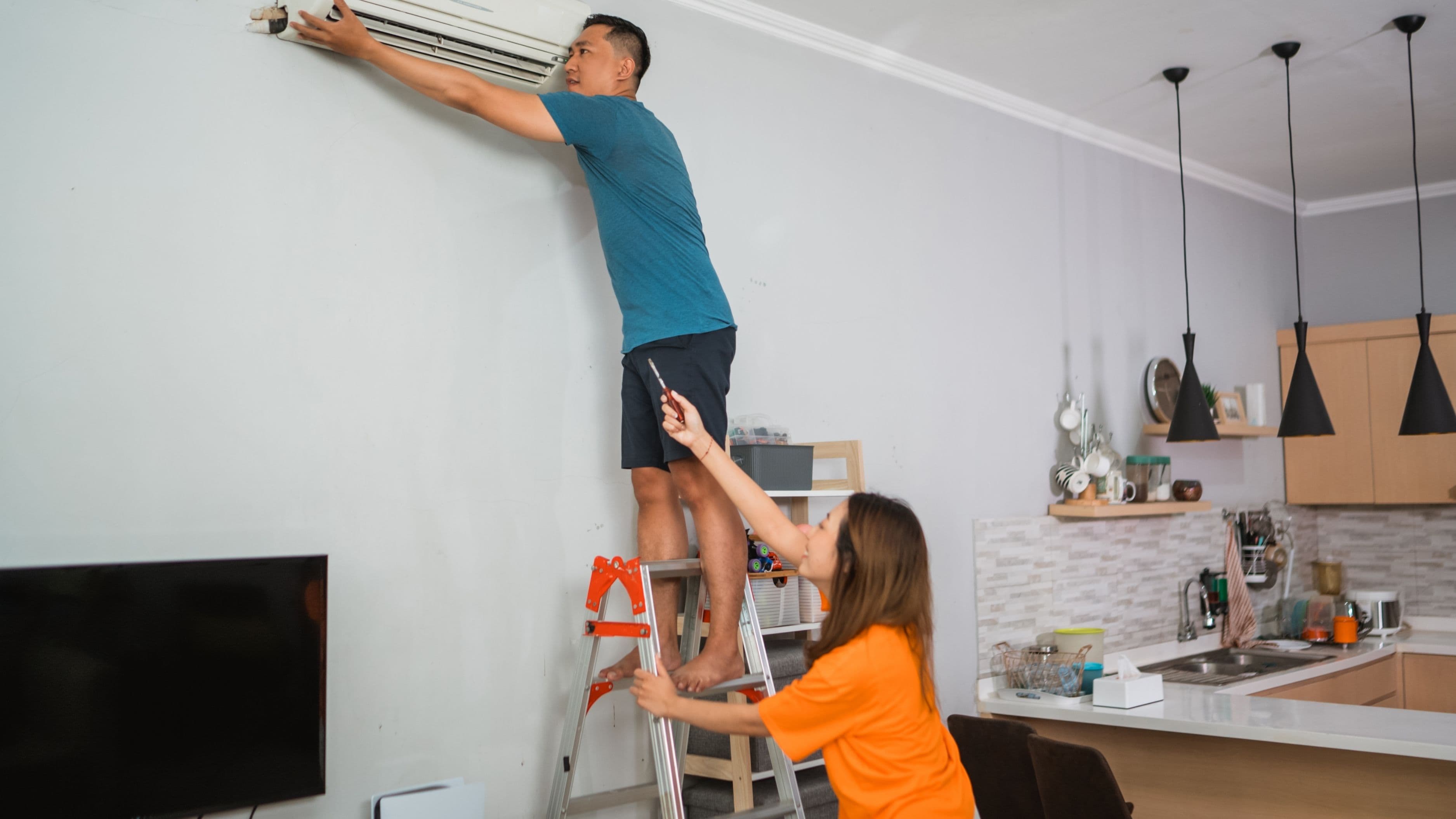
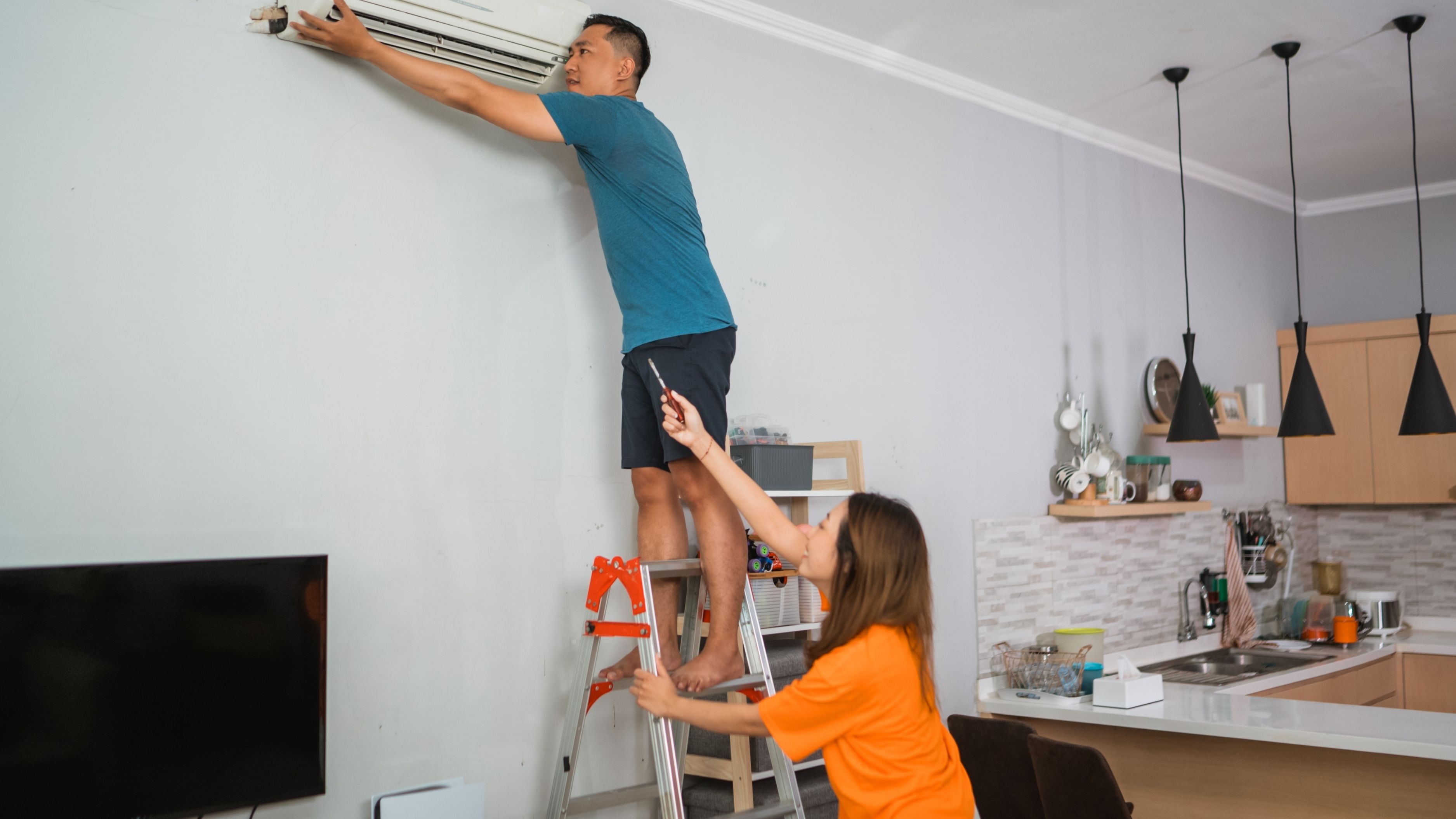
Changing air filters or touching up paint? Absolutely trust yourself and save the money. Anything involving structural support, electrical panels, gas connections, or water main access? That's professional territory where mistakes can be catastrophic. The line isn't always obvious, which is why many professionals recommend the "flood, fire, or fall" test: if a mistake could cause flooding, start a fire, or make something collapse, hire help. Your ego will recover faster than your bank account after a DIY disaster.
8. Community Over Content
The most reliable DIY guidance often comes from forum communities like Reddit's r/HomeImprovement or specialized contractor networks where experienced professionals critique approaches in real-time. These spaces reward accuracy over entertainment value, and you can post photos of your specific situation for personalized advice. Unlike polished video content, forum discussions include the failures, warnings, and "I wish someone had told me" moments that actually prepare you for reality.
9. The Hybrid Approach Wins
Smart homeowners use professional consultations before attempting DIY repairs, paying $100-200 for an expert to diagnose the problem and outline what's actually involved. Armed with professional assessment, you can make informed decisions about which parts you can handle and which require expert execution. Many contractors appreciate this approach and will return for the complex portions, creating partnerships rather than all-or-nothing scenarios.
10. Content Creators Aren't Liable for Your Ceiling
That charming contractor with the soothing voice and perfect explanations isn't standing in your living room when the ceiling caves in. Most DIY content includes liability disclaimers buried in descriptions that essentially say "not our problem." Professional contractors carry insurance, guarantee their work, and have reputations to protect in physical communities. Entertainment value and actual reliability rarely overlap perfectly in the creator economy.
The streaming generation has been trained to believe we can learn anything through engaging content, and sometimes that's true. But home repair exists in the physical world where mistakes have consequences beyond a bad rating or negative comment. Trust the tutorials for simple maintenance and learning fundamental concepts, but recognize that your house deserves more than whatever the algorithm served you at midnight.
Pick one small, low-stakes project and try it right now. Change that air filter you've been putting off or touch up the baseboard paint. Momentum starts small, but so do disasters—choose which one you're building toward.
📚 Sources
1. Kruger, J., & Dunning, D. (1999). Unskilled and unaware of it: How difficulties in recognizing one's own incompetence lead to inflated self-assessments. Journal of Personality and Social Psychology, 77(6), 1121-1134.
2. Pew Research Center. (2021). The State of Online Harassment: Nearly half of Americans have experienced online harassment, with physical threats often extending to real-world concerns.