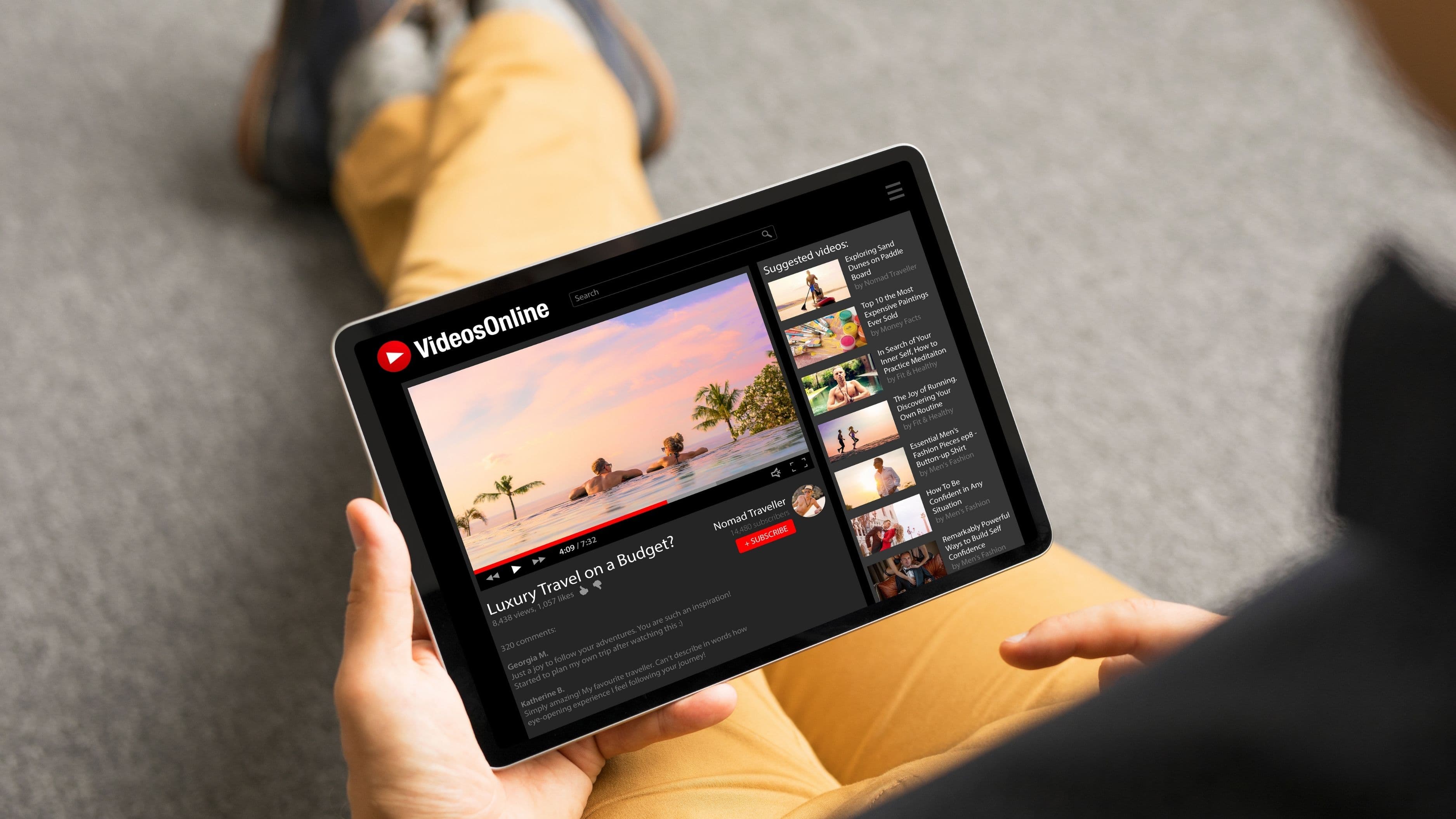



1. Use a Cross-Platform Discovery App
Tools like JustWatch and Reelgood pull together content from all your subscribed platforms into one searchable place, letting you filter by genre, rating, or mood without bouncing between five separate apps. This gives you a starting point that's already narrowed down, rather than opening each platform's homepage and starting the scroll from zero every time.
The real benefit here is speed – instead of browsing five separate algorithmic homepages, you're working from one filtered list based on criteria you actually chose. It won't guarantee a perfect pick every time, but it cuts out most of the wasted scrolling that comes from checking multiple apps individually.
2. Follow a Few Trusted Curators Instead of the Algorithm
Every platform's "recommended for you" section is built to maximize your time on that specific app, not necessarily to match your actual taste efficiently. Following a small number of critics, YouTube reviewers, or newsletter writers whose taste you've found reliable in the past gives you a shortcut past the algorithm entirely – someone else has already done the sorting for you.
This works best if you pick sources with a track record you trust, rather than following broad "best of" lists that try to appeal to everyone. A curator whose specific taste tends to match yours is far more useful for quick decisions than a generic trending list that includes something for every type of viewer.
3. Set Up a Curated Notification Digest Instead of Browsing
Many discovery apps and even some streaming platforms let you set up alerts for specific genres, actors, or when new seasons of shows you follow become available, delivered as a periodic digest rather than something you have to go looking for. This flips the process – instead of actively hunting for something to watch, relevant options come to you on a schedule, which removes a lot of the open-ended scrolling that eats up time.
The tradeoff is that this requires a bit of setup time upfront, choosing your preferences carefully so the digest actually reflects what you want. Once it's dialed in, though, it becomes one of the lowest-effort ways to stay aware of new content worth checking out.
4. Use Genre-Specific Deep Dives Instead of General Browsing
Rather than opening a general homepage and scrolling through a mix of everything, search directly within a specific genre or mood you're already in – "workplace comedy," "true crime documentary," "slow-burn mystery" – and browse that narrower list instead. This cuts down dramatically on decision fatigue, since you're choosing from a smaller, more relevant pool rather than an entire catalog's worth of unrelated options.
Most major streaming platforms support this kind of genre or mood-based search directly, even if it's not the default homepage experience. Taking the extra step to search intentionally, instead of relying on the algorithm's mixed general suggestions, tends to produce better matches for what you're actually in the mood for that day.
5. Ask One Specific Person, Not a Crowd
Posting "what should I watch" broadly, whether on social media or to a group chat, tends to generate a flood of scattered suggestions that just becomes another form of scrolling and decision fatigue. Instead, think of one or two people whose taste consistently overlaps with yours, and ask them directly for a specific recommendation based on what you're currently in the mood for.
This works because it's targeted rather than generic – a friend who already knows you enjoyed a certain kind of show recently can point you toward something similar far more efficiently than an open-ended crowd of suggestions with no context about your actual taste.
6. Try the "Surprise Me" or Random Pick Feature
Some streaming platforms and discovery apps include a random or "surprise me" pick feature, generating a single suggestion instead of a full list to scroll through. This can feel counterintuitive if you're used to wanting full control over the decision, but removing the choice entirely for a moment is sometimes the fastest way to break out of a scrolling loop when nothing is standing out to you.
This works best as an occasional tool rather than your primary discovery method, since it won't always match your specific mood. But for nights when the real problem is decision fatigue rather than a lack of options, letting a random pick make the call for you can be a genuinely useful shortcut.
7. Join a Niche Community Focused on Your Specific Interests
General streaming forums tend to recommend the same widely popular shows repeatedly, but smaller, niche communities – built around a specific genre, era, or style you enjoy – often surface options you wouldn't find through mainstream algorithms or general "best of" lists. Spending a small amount of time in a community that shares your specific taste tends to produce better long-term recommendations than repeatedly scrolling general platforms hoping something jumps out.
The tradeoff is that this takes more upfront effort to find the right community and build familiarity with who in that space shares your taste, but it pays off with recommendations that feel genuinely tailored rather than generic.
What to Avoid
Avoid relying purely on trending or "most popular" lists as your main discovery method, since these are built for broad appeal and often don't reflect your specific taste, leading you right back into more scrolling once the trending pick doesn't land. It's also worth avoiding adding every interesting-sounding recommendation to an already-long watchlist without pause – a watchlist that's grown too large becomes its own scrolling problem, just within a smaller pool of options.
FAQ
Are cross-platform discovery apps free to use? Most core discovery features on tools like JustWatch and Reelgood are free, with some offering optional paid tiers for added functionality like more detailed alerts or ad-free browsing.
How many curators or recommendation sources should I actually follow? A small handful – two or three whose taste you've found reliable – tends to work better than following many sources, since too many recommendations just recreates the same decision fatigue you're trying to avoid.
Is it worth setting up notification digests if I don't watch that often? It can still help, since a periodic digest means you're not missing relevant new releases between the times you do decide to watch, without requiring you to actively check in and browse regularly.
📚 Sources
"JustWatch – Where to Watch Movies and TV Shows" – JustWatch, justwatch.com
"The Paradox of Choice and Decision Fatigue" – American Psychological Association, apa.org