
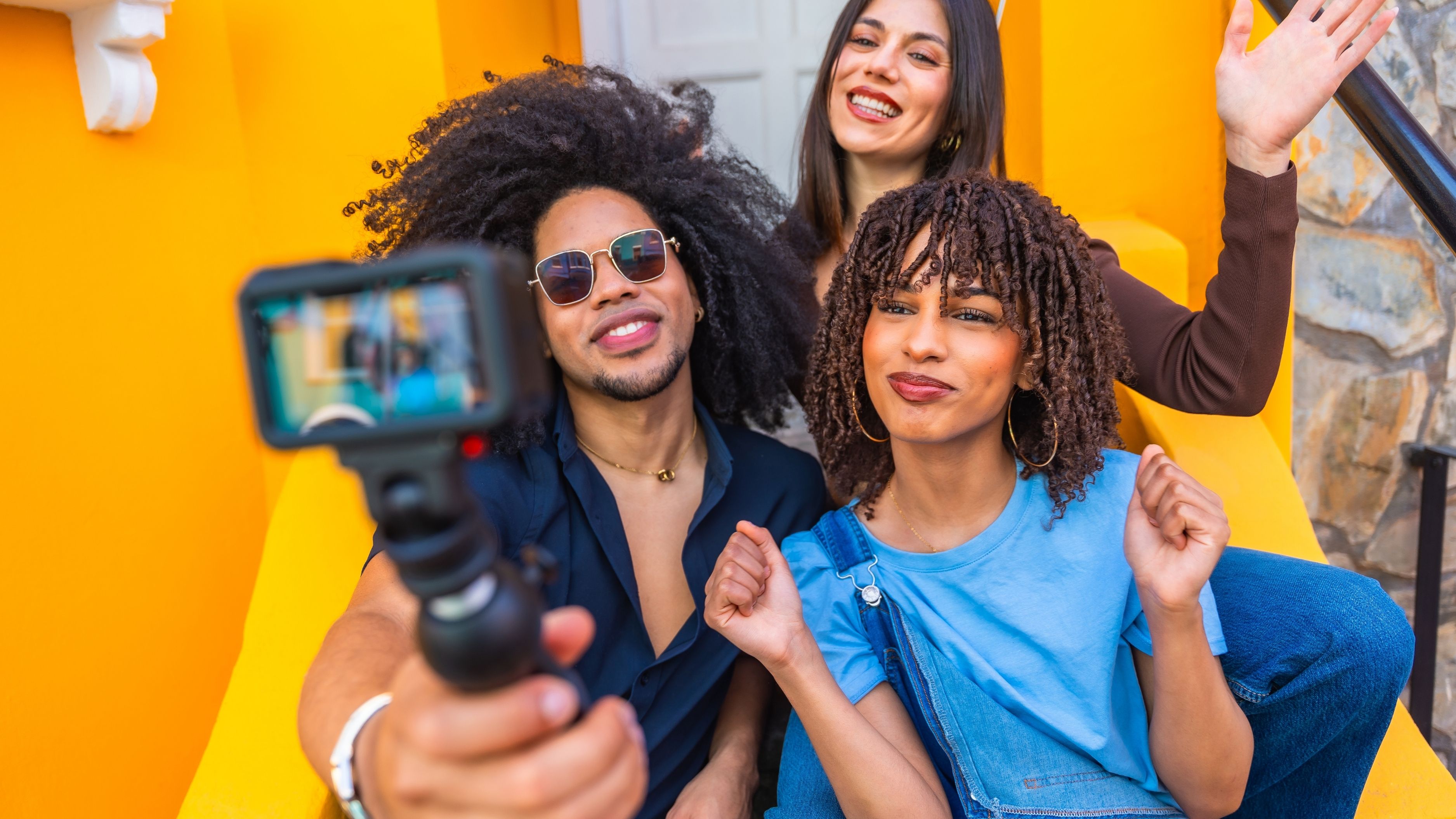
What this means for viewers is more high-quality independent content than ever. What it means for the industry is a genuine disruption of the assumption that good-looking video requires studio infrastructure. And what it means for anyone trying to understand where streaming is heading is that the barriers to professional-looking production have essentially been democratized.
What the Production Gap Used to Look Like
Not long ago, the visual quality of independent online video was immediately identifiable. Poor dynamic range on entry-level cameras produced blown-out windows and murky shadows. Consumer microphones picked up room noise, clicks, and handling rumble that broadcast audio engineers spent decades learning to eliminate. Lighting kits that were actually affordable produced harsh, flat light that made subjects look like they were being interrogated. Editing software capable of professional color grading cost thousands of dollars annually.
The cumulative effect was a clear visual divide: you could tell within seconds whether something was made by a major network, a production company, or someone working alone. That divide shaped how audiences assigned credibility, how platforms treated content, and what creators could realistically aspire to without institutional backing.
The Gear That Changed Everything
The shift happened across every part of the production chain at roughly the same time, which is what made it transformative rather than incremental.
Mirrorless Cameras and Cinema-Quality Sensors
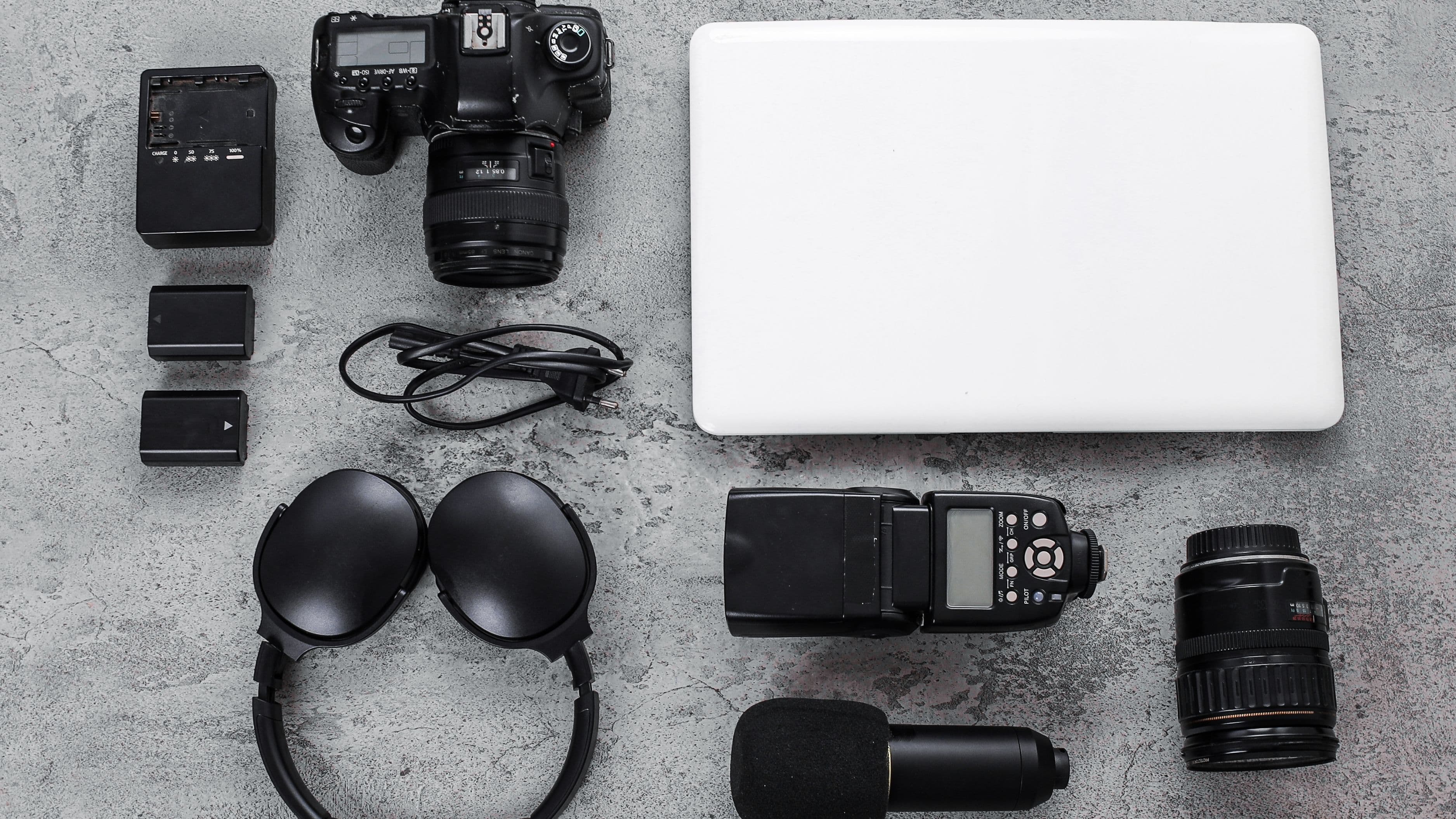
The Sony ZV-E10, the Fujifilm X-S10, and similar mirrorless cameras in the $500–$900 range now include sensors that produce images with full-frame-style depth of field, clean high-ISO performance in low light, and color science that rivals cameras costing five to ten times as much just a few years ago. The Sony A7S III, a favorite among independent documentary and narrative creators, shoots cinema-quality footage in near darkness. Cameras that were category-defining professional tools a few years ago are now the mid-range option.
The practical result for independent shows is that single-creator productions can achieve the shallow depth of field, clean skin tones, and cinematic color that audiences associate with broadcast production. The visual shorthand for "this is a real show" is now accessible without a cinematographer and a film-camera rental budget.
Audio: The Revolution Viewers Feel But Don't See
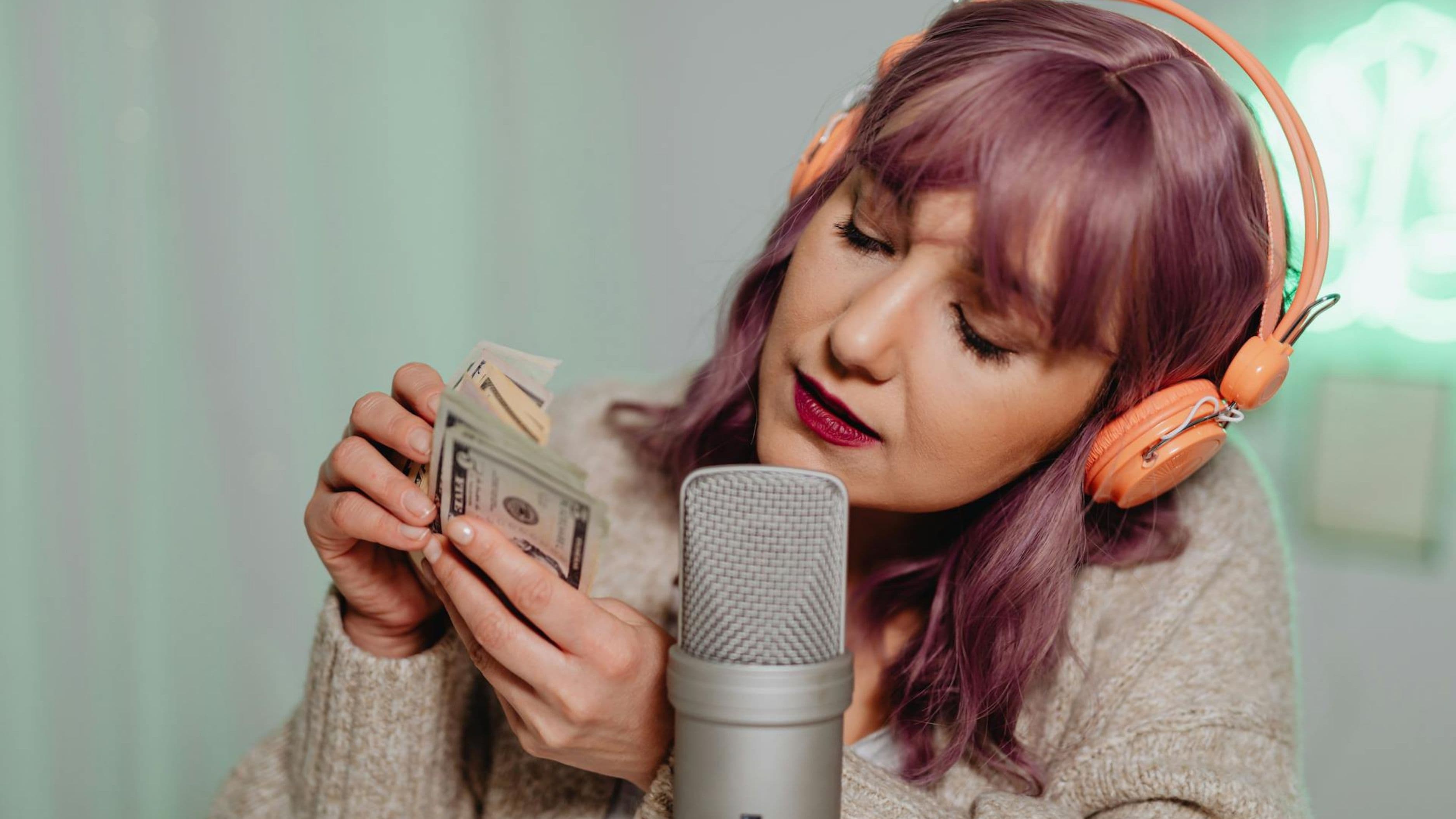
Audio quality is the element viewers notice most subconsciously and credit least consciously. A show that looks good but sounds bad fails almost immediately; a show that sounds professional feels credible even when the visuals are imperfect. Independent creator audio is where the gear improvement has been most dramatic relative to the previous baseline.
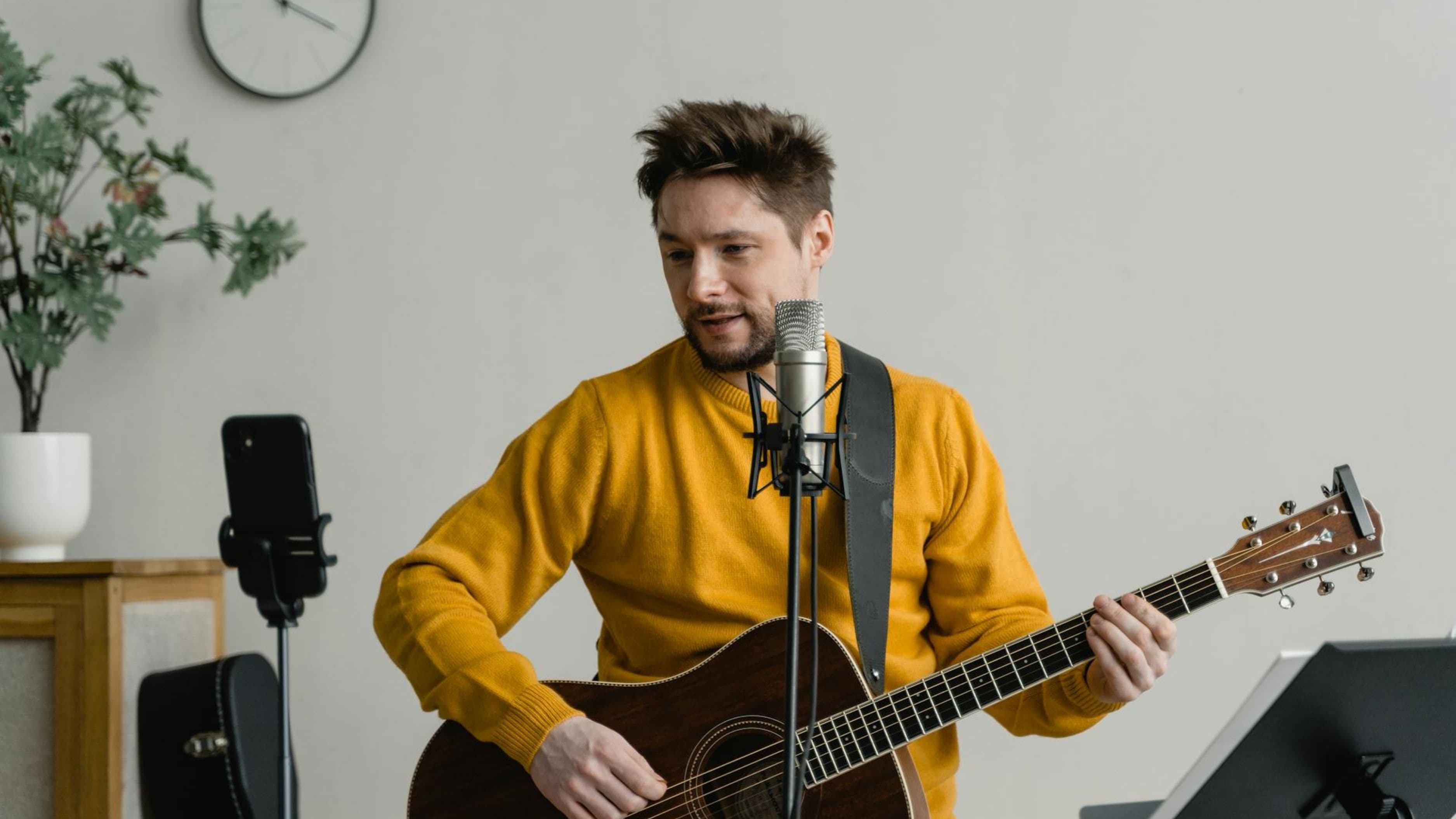
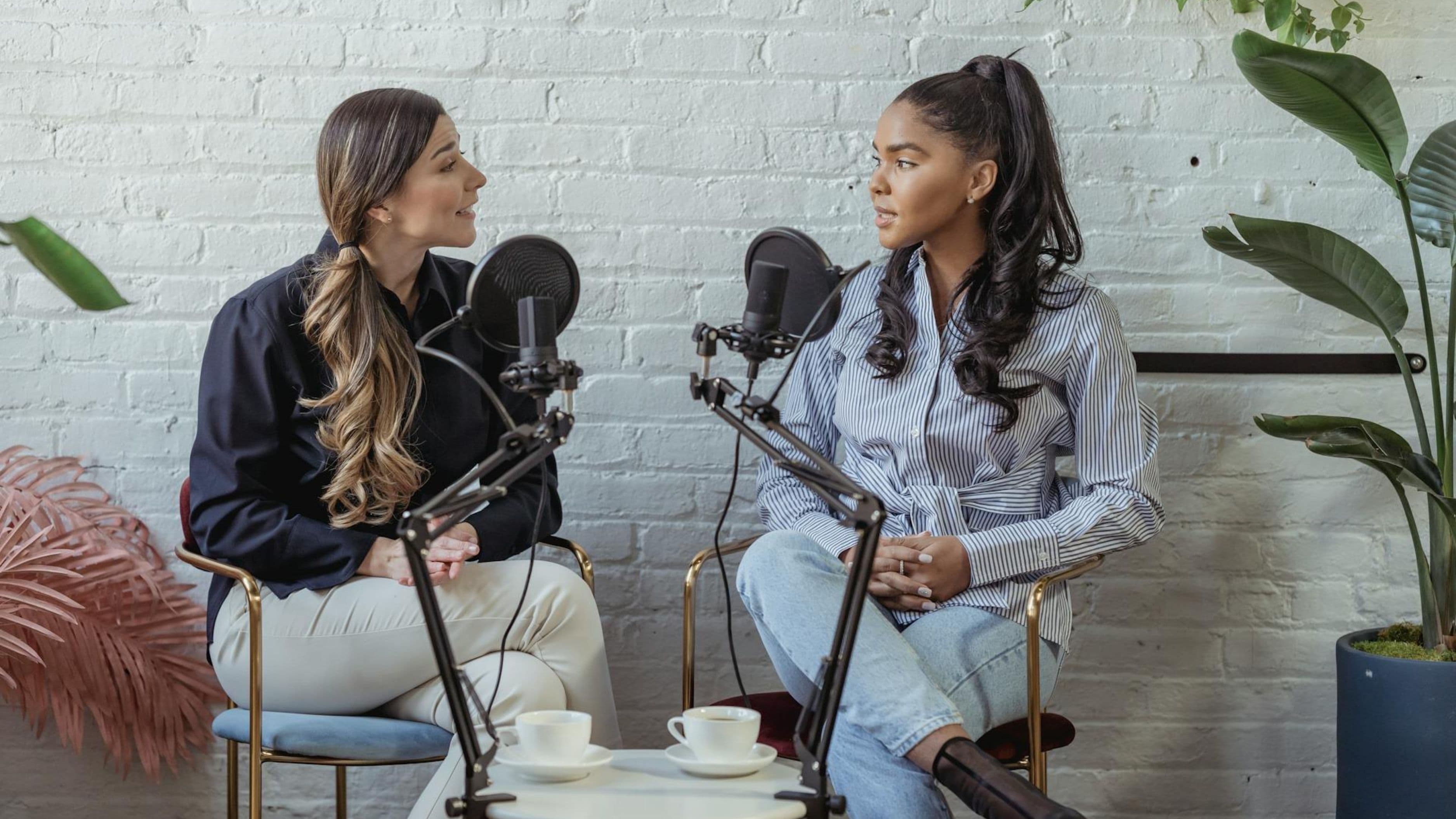
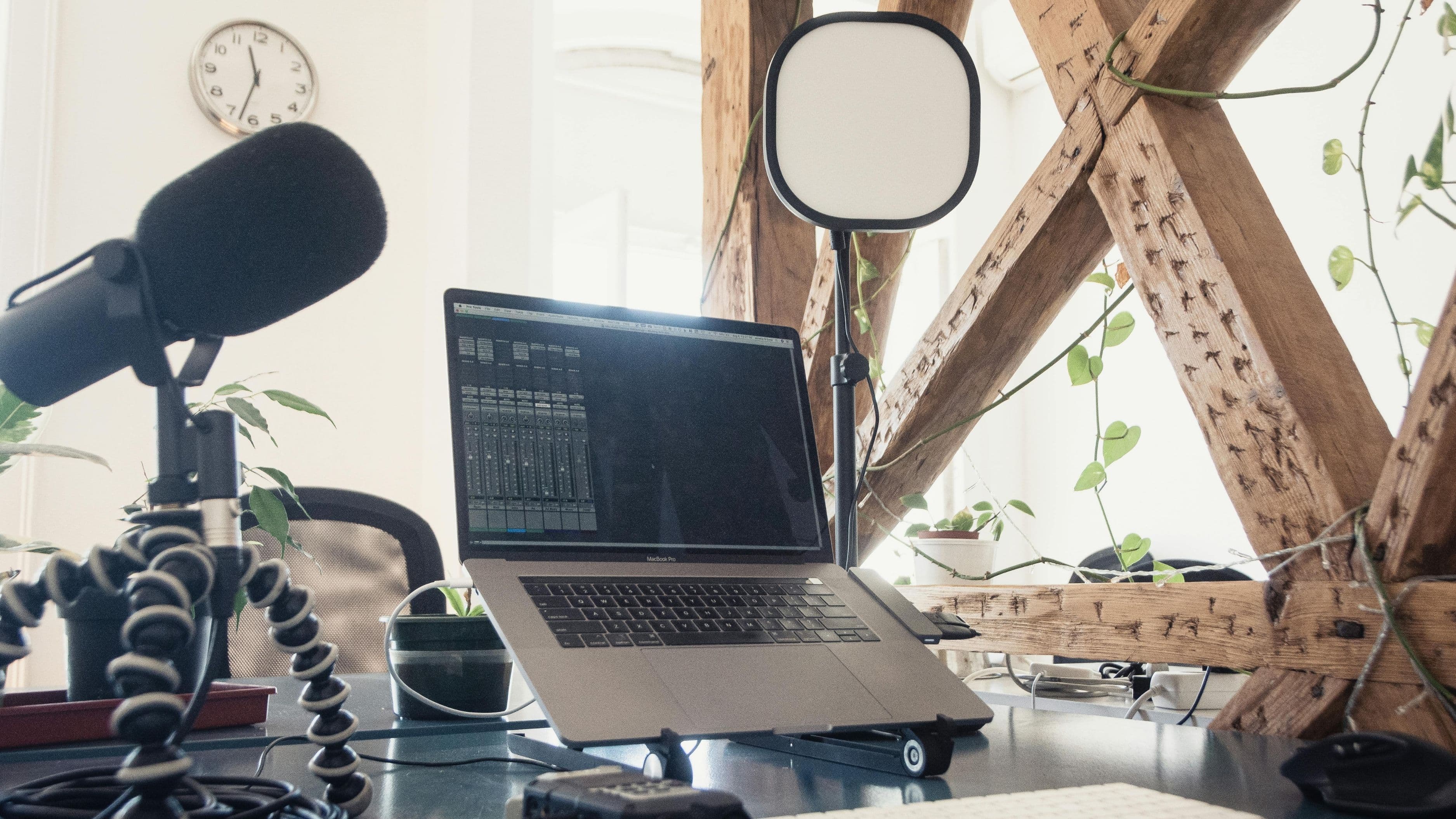
The Shure SM7B – the broadcast-standard dynamic microphone used in professional radio and podcast studios for decades – is now standard equipment for serious independent creators at $400. The Rode VideoMic NTG and Rode Wireless GO II bring broadcast-quality audio capture to on-location shooting for under $300. The DJI Mic, a wireless lavalier system that previously would have cost thousands of dollars for comparable performance, sells for around $350 and gets used on independent productions that look indistinguishable from television news.
USB audio interfaces from Focusrite (the Scarlett range) and PreSonus have brought studio-grade preamps into the $100–$200 range, meaning the conversion from microphone to digital audio is no longer a limiting factor in production quality.
Lighting: Affordable, Controllable, Cinematic
Lighting is the production element that most separates professional from amateur video, and it's also the element where the gear democratization has been most impressive in the past three years. Panel LED lights with accurate color rendering (CRI 95+), adjustable color temperature from daylight to tungsten, and output comparable to professional studio fixtures now start at $80–$150 from brands like Elgato, Neewer, and Godox.
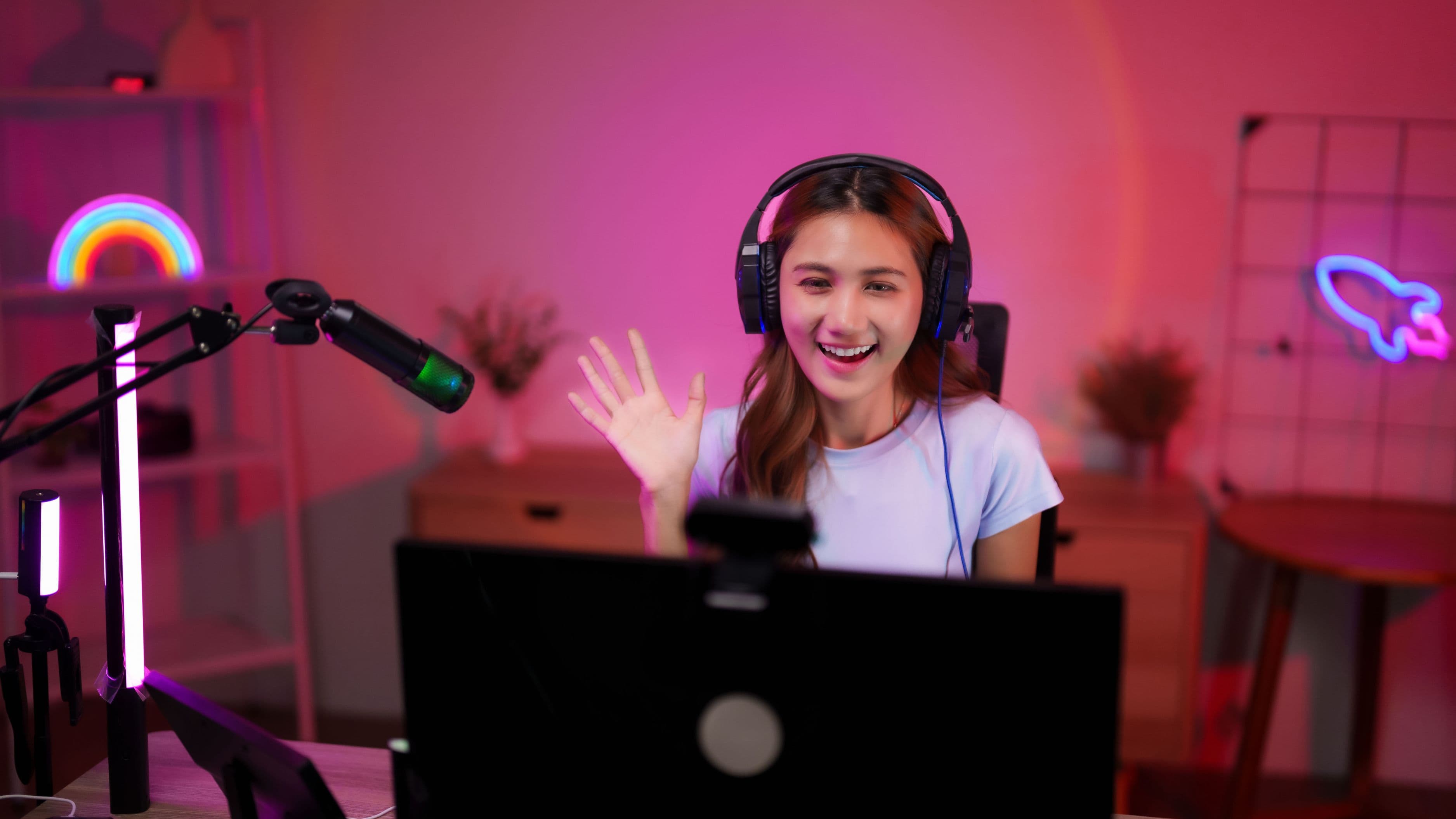
The Elgato Key Light and Key Light Air became standard equipment for independent creators specifically because they produce the even, flattering fill light that broadcast interview programs use – at a price point that requires no budget justification. Godox's SL series and RGBWW panel lights go further, allowing color mixing and creative lighting choices that production designers use on set.
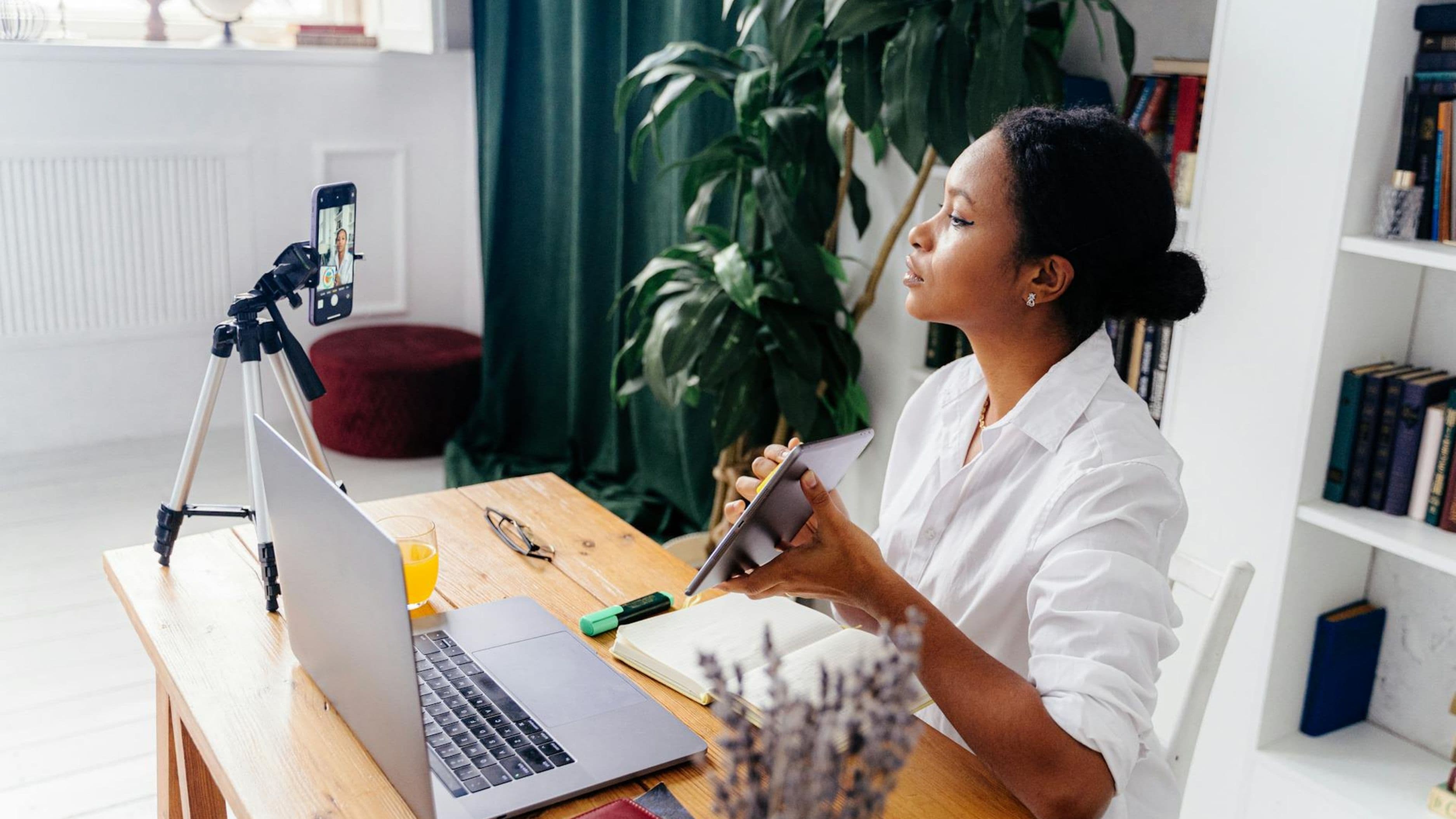
The ability to recreate broadcast lighting setups in a home studio or compact production space means independent shows can maintain consistent, professional visual identity across episodes without a lighting director or a professional studio rental.
Editing and Post-Production Software
DaVinci Resolve is free. That single fact deserves to be stated plainly, because DaVinci Resolve is the industry-standard color grading software used in professional film post-production and it costs nothing for the full feature set that independent creators need. The color tools in the free version of DaVinci Resolve surpass what was achievable with professional software costing thousands of dollars annually a decade ago.
Final Cut Pro at $299 (one-time purchase) and Adobe Premiere Pro on subscription have made professional editing timelines, audio mixing tools, motion graphics templates, and color correction accessible to anyone with a mid-range computer. Plugins from companies like FilmConvert and LUT Robot allow creators to match the color profiles of specific film stocks and professional cameras, meaning an independent show shot on a $700 mirrorless camera can be graded to look like it was shot on an ARRI Alexa.
What This Looks Like in Practice
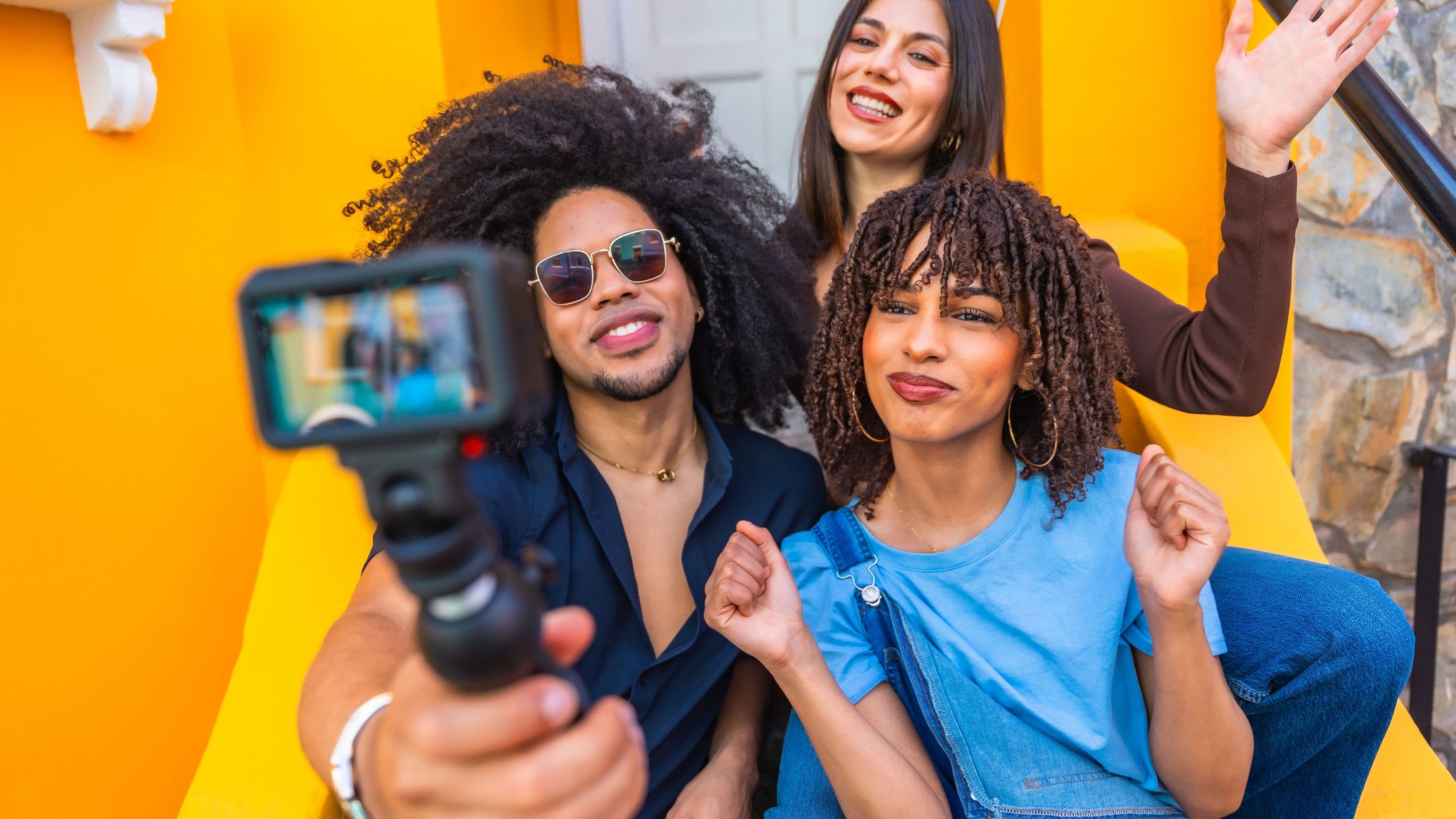
The visible result of this equipment shift is a new category of independent streaming content that doesn't fit neatly into either "professional production" or "amateur YouTube video." It's content that looks and sounds genuinely good, often carries a distinctive visual identity, and tells stories or covers topics that traditional broadcast and streaming platforms wouldn't commission because the audience is too niche or the format too unconventional.
Documentary-style independent shows on YouTube and Vimeo are the clearest examples. Creators like Wendover Productions, Johnny Harris, and Kirsten Dirksen produce video essays and documentary content with production values that compete with anything on Netflix or HBO. They're doing it with small teams, consumer-accessible gear, and distribution channels that didn't require a network deal. The production quality is not a limitation – in many cases it's indistinguishable from commissioned broadcast content to a casual viewer.
Independent narrative fiction is the category where the gap was historically widest and has closed most dramatically. Short film series, micro-budget features, and serialized narrative content are now being produced and distributed by independent creators in ways that would have required significant production company infrastructure even five years ago. The Canon EOS R5 and Sony FX3 – cinema cameras that cost under $4,000 – produce imagery that was reserved for $50,000+ cinema cameras in the previous decade.
Cooking shows, travel series, and lifestyle content produced by individual creators or very small teams now routinely achieve the visual production quality of cable television, specifically because the camera-lighting-audio stack described above is within reach of anyone who takes the investment seriously.
What to Watch Out For
The gear democratization is real, but a few things are worth understanding clearly as a viewer or creator.
Equipment doesn't replace craft. Access to a cinema camera and a professional microphone doesn't automatically produce professional results – composition, lighting technique, audio monitoring, and editing skill still matter enormously. The creators who make the best use of this gear tend to have invested significantly in learning the craft, not just the equipment. Good gear removes the ceiling; it doesn't guarantee quality.
The production quality gap is not fully closed at the high end. What independent creators can now achieve is genuinely excellent and often indistinguishable from mid-budget broadcast production. At the highest production tier – major Netflix originals, premium HBO dramas, feature film cinematography – the gap remains real and is driven by crew depth, location budgets, and production infrastructure that gear accessibility doesn't address.
Great-looking independent shows can still be impossible to find. Production quality doesn't solve distribution and discovery. A beautifully produced independent series that no algorithm surfaces is practically invisible. The creator economy has made production accessible; it hasn't made discoverability proportionally easier. Quality is necessary but not sufficient for an independent show to build an audience.
FAQ
Does better gear automatically mean better content? No. Gear removes technical limitations but doesn't replace storytelling, editing judgment, or subject matter expertise. The most watched independent shows succeed because of the ideas and execution behind them, with production quality serving as a foundation rather than a differentiator. Gear matters once the basics of craft are solid.
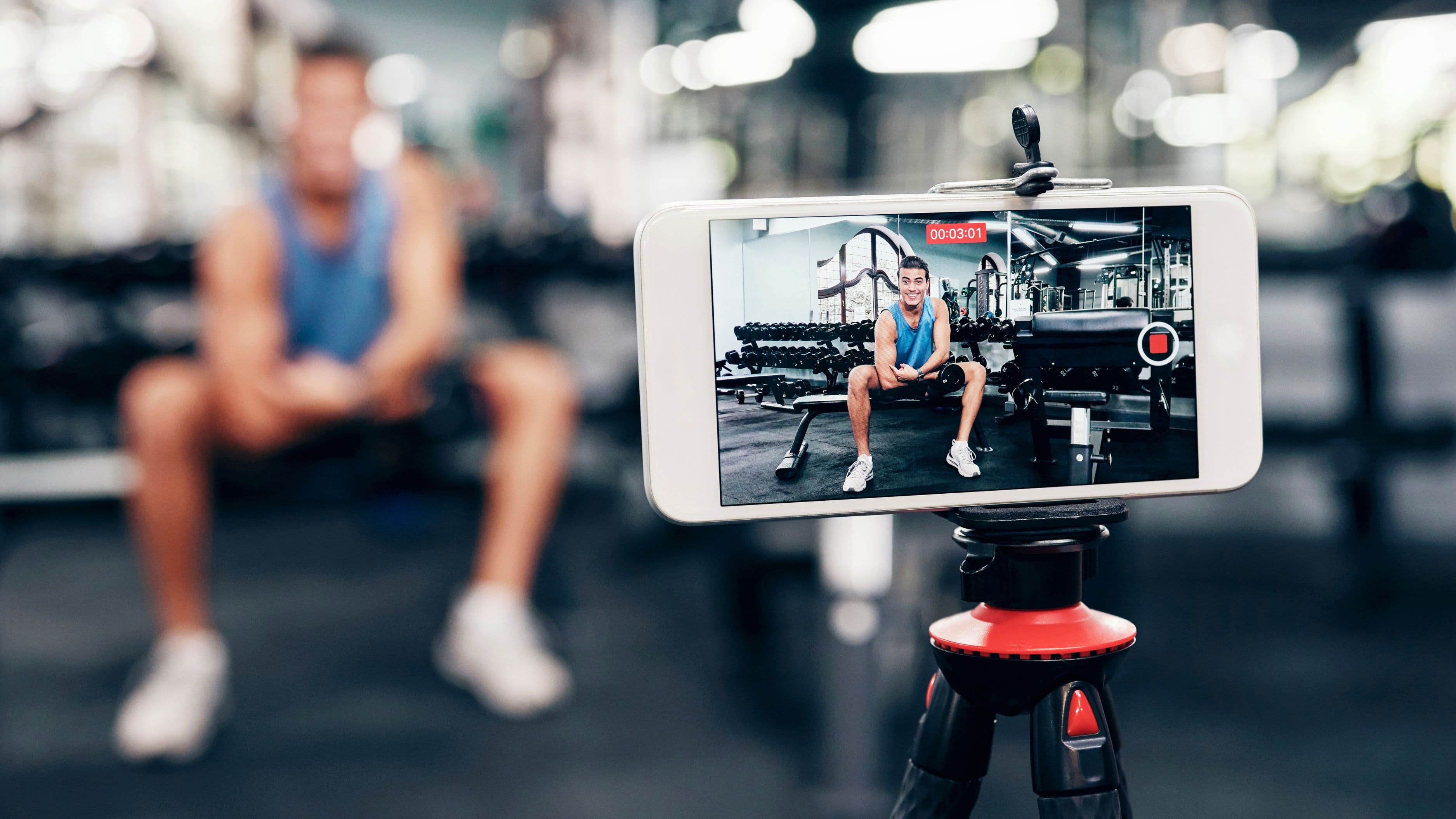
What's the minimum gear setup for a credible-looking independent show? A mirrorless camera in the $500–$900 range, a dedicated microphone (either a boom mic or a wireless lavalier), and two lights (key and fill) will produce results that look professional. Total investment: $1,000–$1,800 depending on what you already own. A smartphone with an external mic and a single good key light can also produce credible results for close-up interview formats specifically.
Why does audio quality matter so much for streaming shows? Viewers tolerate visual imperfections more readily than audio problems. Compression artifacts, slightly soft focus, and modest camera shake register as minor issues. Background noise, inconsistent levels, and muddy dialogue register as unprofessional in a way that makes content harder to watch regardless of its visual quality. Audio investment often produces better return on production quality than equivalent camera investment.
Are streaming platforms treating independent creator content differently as production quality improves? YouTube and Vimeo have both expanded the surface area of high-quality independent content they promote. The shift toward creator-produced content is visible in how both platforms have adjusted their recommendation systems over time – content that demonstrates viewer engagement and retention now competes on more equal footing with content from established media brands than it did five years ago.
How does gear accessibility affect what kinds of shows get made? It significantly expands the range of topics, formats, and perspectives that can be produced at viable quality levels. Niche documentary subjects, experimental narrative formats, regional and non-English language content, and creator-driven journalism are all areas where production accessibility has expanded what reaches viewers. The result is a longer tail of specific, well-made content that would have been economically impossible to produce under the previous equipment cost structure.
📚 Sources
DaVinci Resolve – Free Professional Color Grading Software: https://www.blackmagicdesign.com/products/davinciresolve
Wirecutter – Best Mirrorless Cameras for Video: https://www.nytimes.com/wirecutter/reviews/best-mirrorless-cameras/
Rode Microphones – Wireless GO II Overview: https://rode.com/en/microphones/wireless/wirelessgoii
Elgato – Key Light Technical Specifications: https://www.elgato.com/us/en/p/key-light
Pew Research Center – YouTube and the Rise of Creator Content: https://www.pewresearch.org/journalism/2020/09/28/youtube-news/