
Why Catalog Size Alone Is a Misleading Metric
A service advertising thousands of titles sounds impressive, but raw catalog size doesn't account for what you'll actually watch. A platform with a smaller, curated library heavy in shows you're genuinely interested in beats a massive library padded with content you'll never click on. Before comparing raw numbers, it's worth asking a more specific question: does this service have the specific shows, movies, or genres I actually care about, not just "does it have a lot of stuff."
How to Actually Evaluate Catalog Relevance
Check for the specific titles or franchises you already know you want to watch, rather than relying on marketing claims about total library size
Consider original content specifically, since exclusive originals are increasingly the deciding factor between services with otherwise similar general catalogs
Look at genre depth, not just breadth – a service can have a huge overall catalog but a thin selection in the specific genre you watch most
Comparing Price Structures Fairly
Streaming pricing has become more layered than a simple monthly fee, and comparing services fairly means looking past the headline price:
Ad-supported vs ad-free tiers now exist on most major platforms, and the price difference between them can be significant – if you're comparing prices, make sure you're comparing the same tier type across services.
Annual vs monthly billing often comes with a meaningful discount for committing annually, which matters if you're planning to stick with a service long-term rather than rotating between platforms.
Bundle deals combining multiple services (sometimes including non-streaming perks like music or shopping memberships) can change the effective per-service cost significantly compared to subscribing individually.
Simultaneous stream and download limits vary by tier and service, which matters directly if multiple people in your household use the same account – a cheaper tier that only allows one stream at a time isn't actually cheaper if it forces you to upgrade anyway.
What "Quality" Actually Means When Comparing Services
Quality comparisons often get reduced to resolution specs, but there are several distinct dimensions worth separating out:
Video and audio quality ceilings. Check whether a service's top tier actually supports 4K and enhanced audio formats, and whether that quality is available across its full catalog or just select titles – some platforms limit their highest quality tier to a smaller subset of content.
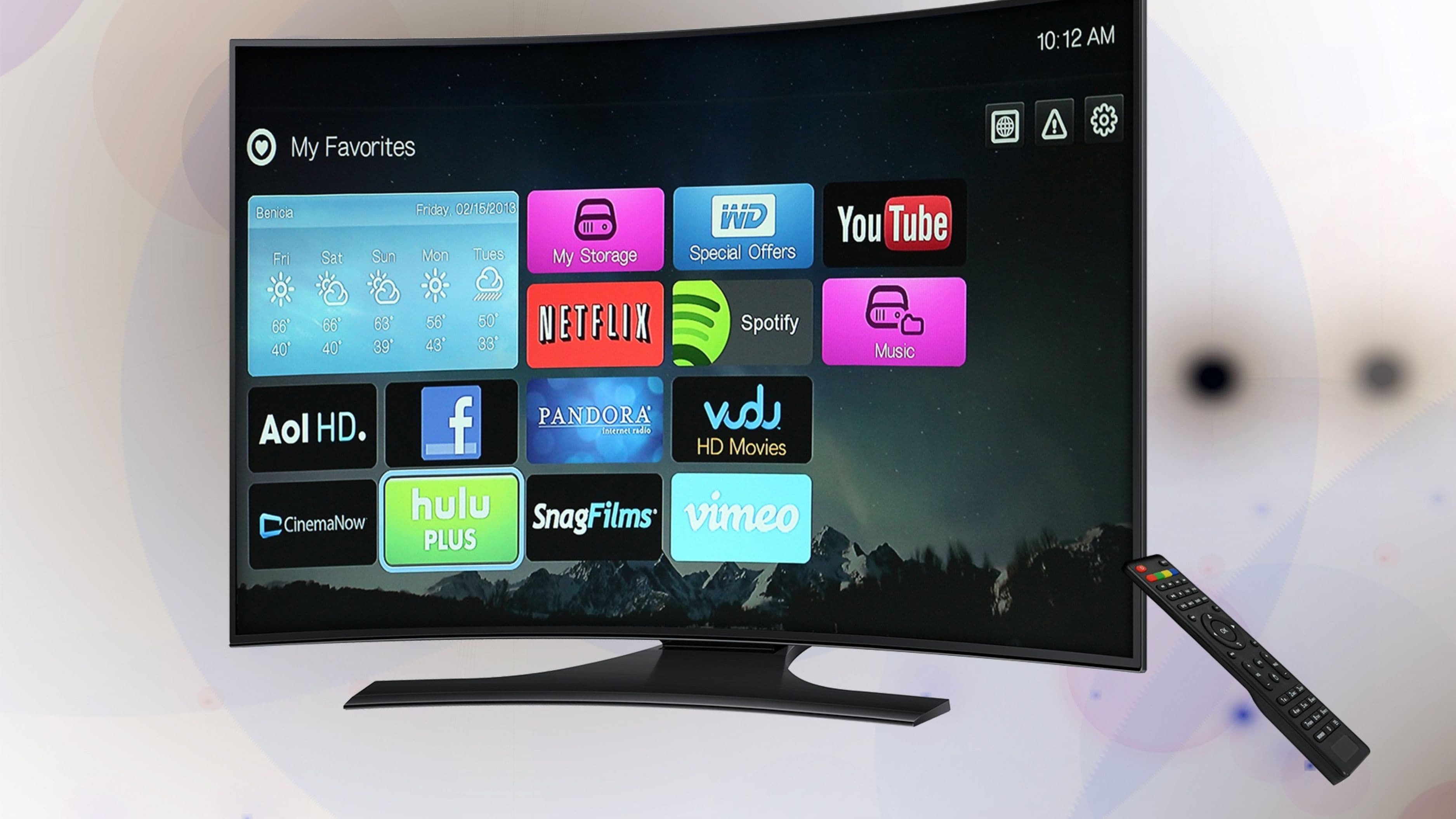
Streaming reliability and app performance. Buffering, app crashes, and interface responsiveness vary meaningfully between platforms and aren't reflected in marketing materials, making user reviews and personal trial periods more useful here than spec sheets.
Content curation and discoverability. A platform with excellent content can still feel frustrating to use if its recommendation algorithm and search function make it hard to actually find what you want to watch.
Building a Personal Comparison Framework
Rather than trying to declare one platform objectively "the best," a more useful approach is scoring each service against your own specific viewing habits:
List the 5-10 shows, movies, or genres you watch most and check which services currently carry them
Compare the actual price tier you'd need (ad-free, multiple simultaneous streams, highest quality) rather than the cheapest advertised entry price
Check for upcoming or recently announced original content in genres you care about, since exclusives increasingly drive long-term value
Factor in how many services you're realistically willing to juggle, since subscribing to too many individually can quietly cost more than a single premium service or a well-chosen bundle
What to Avoid
Don't subscribe based on total catalog size without checking whether it includes what you actually want to watch – a huge, generic library isn't more valuable than a smaller one aligned with your interests. Avoid comparing entry-level ad-supported pricing on one service against a premium ad-free tier on another, since this creates a misleading price comparison. And don't overlook simultaneous stream limits if multiple people share an account, since a cheaper plan that requires an upgrade anyway isn't actually saving you money.
FAQ
Is it worth subscribing to multiple streaming services at once? It depends on your viewing habits and budget – rotating subscriptions monthly based on what you're currently watching can be more cost-effective than maintaining several simultaneous subscriptions long-term.
Do all streaming services offer the same video quality on their top tier? No – top-tier quality specifications (4K availability, audio formats, and how much of the catalog supports them) vary meaningfully between platforms, so it's worth checking specifics rather than assuming parity.
How often should I re-evaluate which streaming services I'm subscribed to? Every few months is reasonable, especially around major content releases or price changes, since catalogs and pricing structures shift frequently enough that your best-fit service can change over time.