
In 2026, the honest answer has shifted. Cloud gaming is genuinely good for more people, in more situations, than it has ever been before. Whether it's good enough to replace your console depends almost entirely on what kind of gamer you are and what kind of internet connection you have. For some people, the answer is yes. For others, not quite yet. Here's where things actually stand.
How Cloud Gaming Works and Why Internet Matters So Much
Before getting into whether cloud gaming is ready to replace a console, it helps to understand what's actually happening when you use it. When you play a game through a cloud gaming service, the game isn't running on your device. It's running on a server in a data centre somewhere, and what you're receiving is a video stream of that game in real time. Your inputs – controller movements, button presses – are sent to the server, the server processes them, and the result is streamed back to your screen.
That entire round trip takes time. The time between your input and the game's response is called latency, and it's measured in milliseconds. For a single-player open world game where you're exploring a landscape, 40–80ms of latency is often imperceptible. For a competitive first-person shooter where reaction time is measured in fractions of a second, even 20–30ms of additional latency can feel genuinely disruptive to the experience. This is why cloud gaming works extremely well for some genres and remains genuinely inferior for others, regardless of how good the service is.
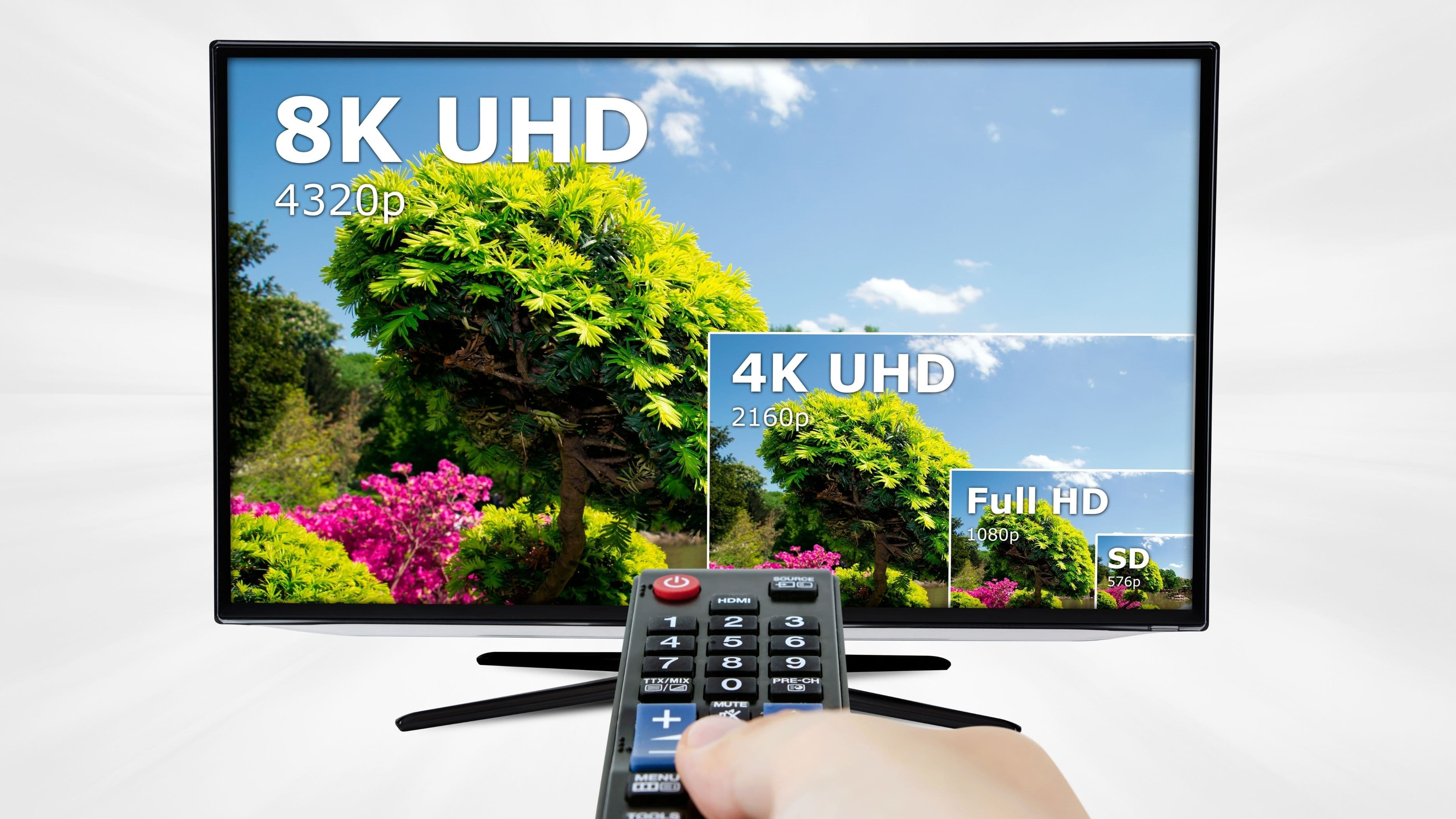
Your internet connection determines how much of that latency you add before the cloud infrastructure even gets involved. A fibre broadband connection at 200Mbps with low ping will have a fundamentally different cloud gaming experience than a shared home connection with variable speeds. Cloud gaming in 2026 needs a minimum of around 15–20Mbps for a stable 1080p experience, but you'll want 35Mbps or more for consistent 4K streaming with low artefacts. Upload speed also matters – many people have fast download but slow upload, and slow upload can contribute to input lag.
The Major Platforms Right Now
The cloud gaming landscape in 2026 has consolidated significantly from the fragmented early days. Several services have grown, a few have shut down or pivoted, and the survivors have meaningfully improved their infrastructure and game libraries.
Xbox Cloud Gaming (Game Pass Ultimate) remains the most accessible cloud gaming platform for most players. Microsoft's investment in server infrastructure has paid off in coverage and consistency – the service runs across browser, Xbox consoles, PC, Android, iOS, Samsung smart TVs, and Meta Quest headsets, which means near-universal device coverage. The Game Pass Ultimate library is the most compelling value proposition in cloud gaming: hundreds of games including day-one releases of Microsoft's own titles, all accessible via streaming.
Latency performance has improved substantially since launch, and the 1080p/60fps experience is reliable on a good connection. 4K streaming remains available but variable depending on server load and your connection.
NVIDIA GeForce Now takes a different approach to every other cloud gaming service. Rather than its own library, it streams games you already own on Steam, Epic Games Store, and other PC storefronts through its own high-performance servers. This is GeForce Now's core differentiating advantage: if you have an existing PC game library, you can access it through cloud gaming without repurchasing anything.
The Ultimate tier (the premium subscription) streams at 4K/120fps with ray tracing enabled, which produces visual quality that genuinely rivals a mid-high end gaming PC. The free tier exists but limits sessions to one hour with queuing during peak times, which makes it frustrating as a regular option.
PlayStation Remote Play and PlayStation Plus Premium round out the major consumer options. PlayStation's cloud streaming has improved with PS5 titles now playable via streaming, but the library depth and device breadth remain more limited than Xbox's equivalent.
The Remote Play feature – streaming directly from your own PS5 to another device on your home network – is exceptional when it works, but that technically isn't cloud gaming in the traditional sense.
Amazon Luna continues to operate but hasn't broken through into mainstream adoption in the way it seemed positioned to when it launched. The Prime Gaming channel provides reasonable value for Amazon Prime subscribers, but Luna lacks the library depth and hardware ecosystem integration of Microsoft or NVIDIA's offerings.
What Has Actually Improved Since 2023
The meaningful improvements to cloud gaming over the past two to three years aren't just incremental refinements – several of them address the fundamental complaints that made cloud gaming genuinely frustrating in its earlier years.
Latency has dropped significantly on the leading services. Microsoft, NVIDIA, and other providers have deployed more server nodes closer to population centres, reducing the physical distance data has to travel. Combined with protocol improvements that prioritise input responsiveness over visual fidelity when network conditions fluctuate, the input-to-response experience in 2026 is noticeably better than it was in 2022–2023.
Visual quality has improved substantially. Compression artefacts – the blocky, muddy-looking images that made cloud gaming look unmistakably inferior to local hardware – are much less visible in optimal conditions on the leading services. H.265 and newer codec adoption, combined with higher bitrate streaming on premium tiers, produces images that most casual viewers wouldn't immediately identify as streamed rather than locally rendered.
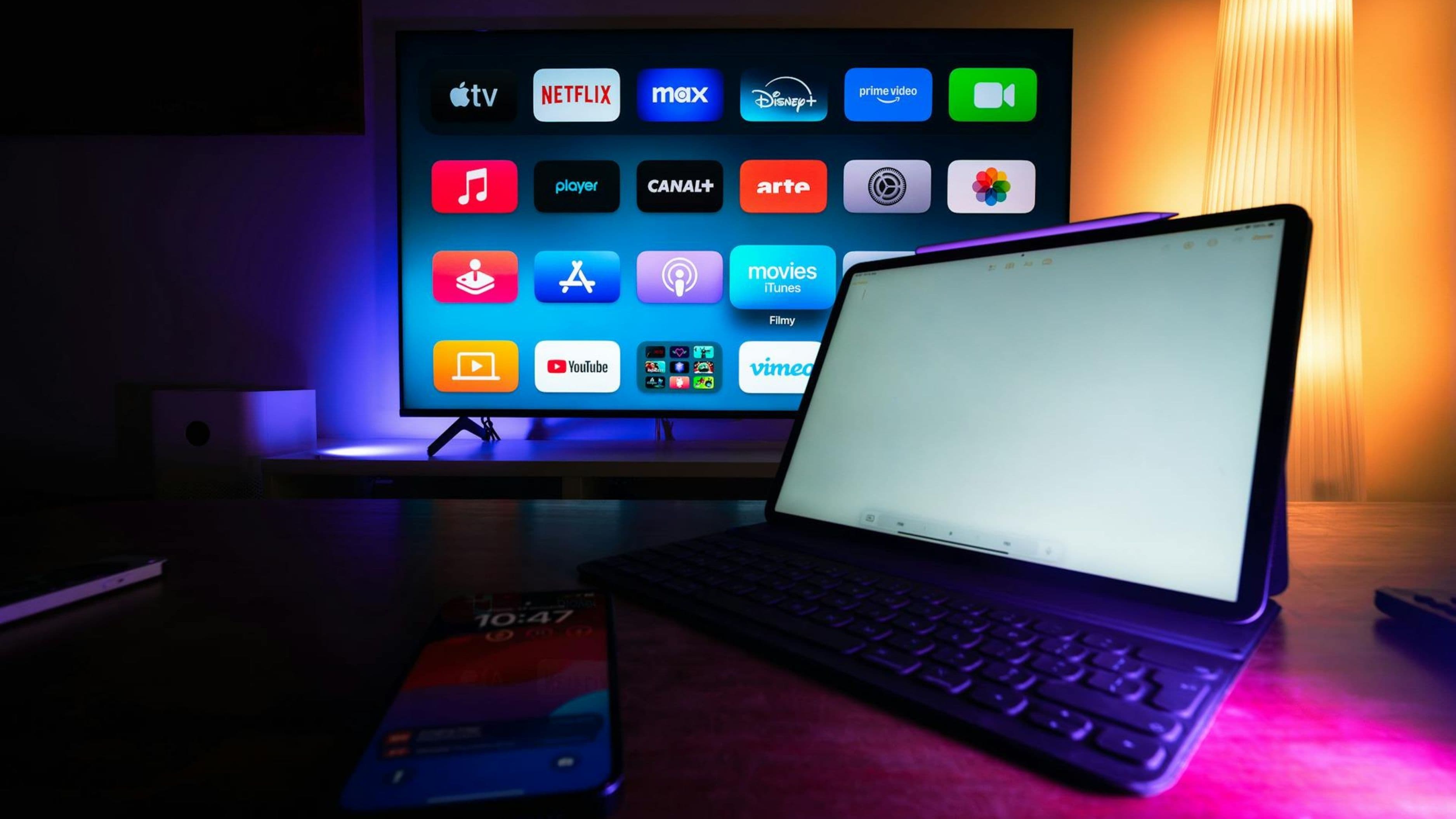
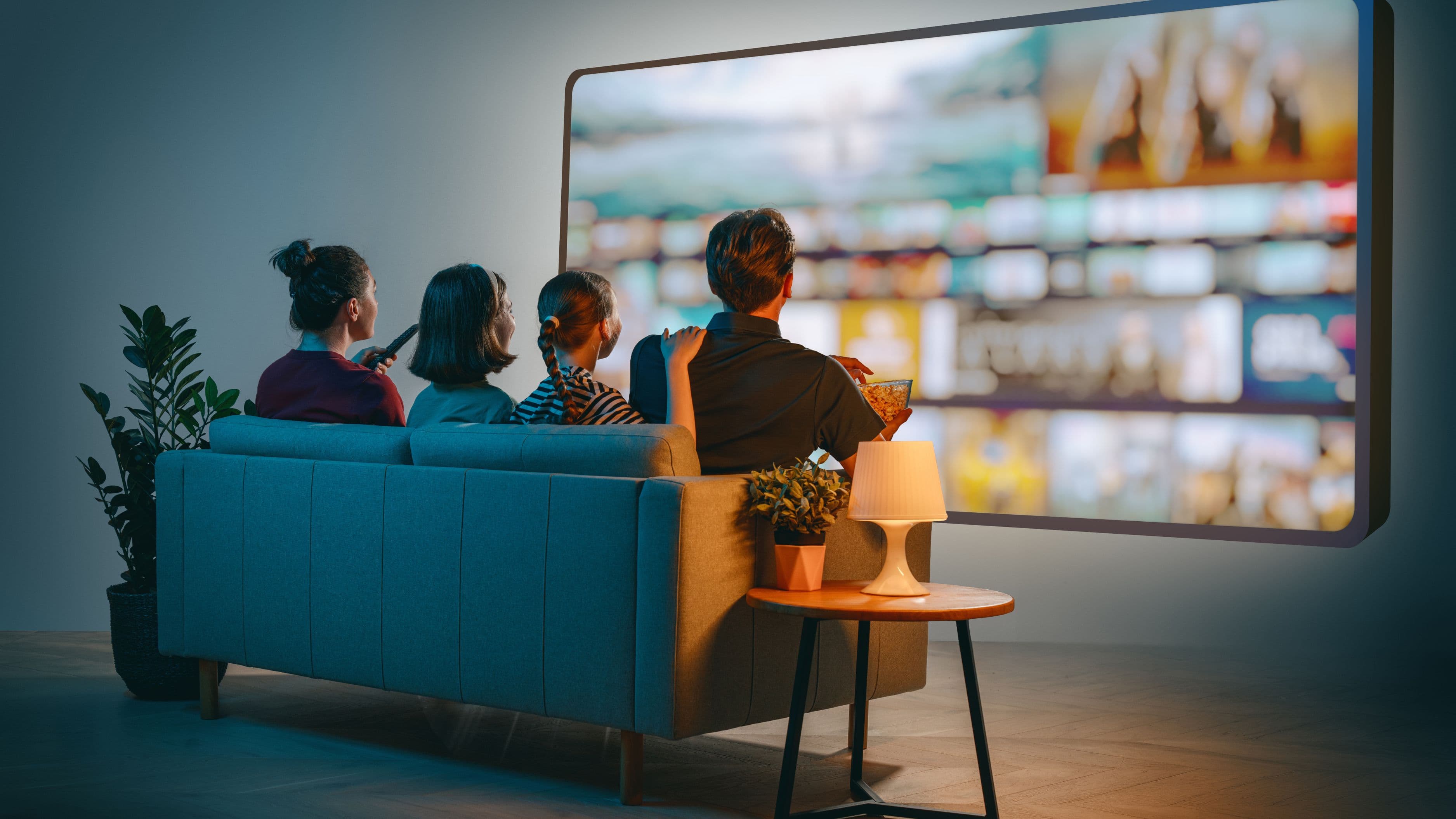
Device coverage has expanded dramatically. The ability to play on a smart TV with a controller, on a phone during a commute, or on a budget laptop without any gaming credentials is now genuinely functional rather than technically-possible-but-terrible. The Samsung smart TV integration for Xbox Cloud Gaming in particular has made the "no console required" pitch credible for a meaningful number of households.
5G mobile gaming has matured enough in well-covered areas that gaming on a phone or tablet without relying on a home Wi-Fi connection is a real option. This opens up cloud gaming use cases – playing in a hotel, on a commute, at a friend's house – that weren't practical before.
Where It Still Falls Short
Being honest about the limitations is just as important as covering the improvements. Cloud gaming in 2026 is not a like-for-like replacement for a console in every situation.
Competitive and fast-paced games remain disadvantaged. Call of Duty, Apex Legends, Valorant, Street Fighter, fighting games of all kinds – any game where milliseconds of input delay meaningfully affect performance is still better played on local hardware. Professional and serious competitive players have essentially no use case for cloud gaming as a primary platform. Casual players of the same games will notice less but will still be at a disadvantage against players on local hardware.
Offline play is impossible. A console or PC with a local game installation works without internet. Cloud gaming does not. Power cut, router down, ISP outage, travelling somewhere without reliable connectivity – none of these scenarios are navigable if cloud gaming is your only option. For most people this is a minor inconvenience; for those in areas with unreliable internet or who travel frequently without stable access, it's a real limitation.
Data usage is substantial. Streaming a game at 1080p/60fps uses roughly 10–15GB of data per hour depending on the service. At 4K, that climbs to 30–40GB per hour. If you have a data cap on your broadband plan, heavy cloud gaming sessions will burn through it quickly. In regions where truly unlimited broadband is standard this is a non-issue; in others, it requires active management.
Game library gaps persist. Not every major release is available on every cloud gaming service. Some publishers have been slow to licence their titles for streaming. Nintendo titles are entirely absent from cloud gaming services (Nintendo's own streaming features are limited and region-specific). Physical game collections obviously have no cloud equivalent.
Should You Replace Your Console With Cloud Gaming?
The honest answer depends on three things: your internet quality, your gaming habits, and your budget.
If you have reliable fibre broadband with low latency, play primarily single-player, action-adventure, RPG, or strategy games, and you're looking to avoid the upfront cost of a new console, cloud gaming in 2026 is genuinely viable as your primary platform. Xbox Game Pass Ultimate gives you an enormous library of games for around $15–20/month with no hardware investment required beyond a controller and a compatible TV, phone, or PC. The experience won't be identical to a PS5 or high-end gaming PC, but it will be good enough that most casual to moderate players won't feel meaningfully deprived.
If you play competitive multiplayer games seriously, have unreliable internet, live in an area without good coverage, or travel frequently without consistent access, a console or gaming PC remains the better option. The performance advantages of local hardware are still real and still matter in those contexts.
The most sensible approach for many people right now isn't a binary choice between cloud gaming or a console – it's using cloud gaming as a supplement to existing hardware. Streaming a game from your Xbox library on a TV in another room, accessing your PC game library through GeForce Now while travelling, or trying out Game Pass titles through streaming before deciding which ones to download locally all represent genuinely useful middle-ground use cases that don't require any either/or decision.
The 5G and Wi-Fi 7 Factor
Two infrastructure improvements are quietly expanding cloud gaming's ceiling in a way that's worth watching. 5G mobile coverage, where it's mature and well-deployed, delivers the low-latency, high-bandwidth connectivity that cloud gaming needs without relying on home broadband. In major cities with strong 5G coverage, mobile cloud gaming in 2026 is a substantially different experience than it was two years ago.
Wi-Fi 7 home routers, which are becoming more affordable and widely available, reduce wireless latency and interference enough to noticeably improve cloud gaming consistency on home networks. If you've been gaming over older Wi-Fi and found cloud gaming frustratingly inconsistent, a Wi-Fi 6E or Wi-Fi 7 router upgrade can make a meaningful difference before you reach any conclusions about the viability of the service itself.
What to Watch Out For
Service discontinuation risk is real. Cloud gaming services have shut down before – Google Stadia being the most notable example of a well-funded service with genuine technology being discontinued. When you invest in a cloud gaming library (particularly services where you're buying games tied to their storefront), you're accepting that the service's longevity is tied to the platform holder's commercial decisions.
Streaming access to games you already own elsewhere (the GeForce Now model) carries less of this risk than building a library on a proprietary platform.
Subscription fatigue is a genuine factor. Xbox Game Pass + GeForce Now + PlayStation Plus Premium + whatever else you're already paying for adds up. Do the maths on what you're spending across subscriptions versus what it would cost to buy a second-hand console and the games you actually want to play.
FAQ
What internet speed do I actually need for cloud gaming? A minimum of 15–20Mbps for stable 1080p gaming. 35Mbps or more for consistent 4K. Low ping (under 40ms to the nearest server) matters as much as raw speed – you can have fast download speeds but high latency and still have a poor experience. Check your ping to the cloud gaming service's servers, not just your download speed.
Is cloud gaming cheaper than buying a console? It can be. Xbox Game Pass Ultimate at around $15–20/month gives you access to hundreds of games with no hardware cost beyond a controller. Over two to three years, that's significantly less than the cost of a new console plus a selection of games. The trade-off is that you own nothing – cancel the subscription and the games are gone.
Can I use cloud gaming on my existing TV without a console? Yes, depending on your TV. Samsung smart TVs have Xbox Cloud Gaming built in as an app. LG TVs support GeForce Now through the LG Content Store. Amazon Fire TV Stick and Nvidia Shield support multiple cloud gaming services. Any device with a Chrome browser can access Xbox Cloud Gaming through the web.
Does cloud gaming work on mobile data? Yes, on a good 5G connection. It's playable on strong 4G/LTE but inconsistent. Data consumption is significant – expect 1–2GB per ten minutes of play at 1080p – so monitor your data allowance carefully if you're not on an unlimited mobile plan.
What happened to Google Stadia? Google shut down Stadia in January 2023 after struggling to build a viable game library and subscriber base. Stadia's hardware and technology were genuinely impressive, but the service launched without enough exclusive content to differentiate itself and never reached the subscriber numbers needed to sustain it commercially. The shutdown is a reminder that cloud gaming services aren't guaranteed to survive long-term regardless of technical quality.
📚 Sources
Xbox – Xbox Cloud Gaming Overview: https://www.xbox.com/en-US/play/cloud-gaming
NVIDIA – GeForce Now Cloud Gaming: https://www.nvidia.com/en-us/geforce-now/
Amazon Luna – Cloud Gaming Service: https://www.amazon.com/luna/landing-page
Digital Foundry (Eurogamer) – Cloud Gaming Technical Analysis: https://www.eurogamer.net/digitalfoundry
The Verge – Cloud Gaming Reviews and Coverage: https://www.theverge.com/cloud-gaming
PCMag – Best Cloud Gaming Services: https://www.pcmag.com/picks/the-best-cloud-gaming-services
Wi-Fi Alliance – Wi-Fi 7 Overview: https://www.wi-fi.org/discover-wi-fi/wi-fi-7