


The cleaning content industrial complex has grown so vast that distinguishing between authentic advice and strategic marketing has become nearly impossible. What started as genuinely helpful tips from real people has morphed into a sophisticated ecosystem where every spritz, wipe, and organizational hack comes with a convenient purchase link. Let's separate the cleaning myths from the sanitizing truth.
Myth: Specialty Products Clean Better Than Basic Supplies → Truth: You're Paying for Packaging and Influence
Walk through any CleanTok creator's "favorite products" haul, and you'll notice a pattern: expensive bottles with minimalist designs, buzzy brand names, and price tags that make traditional cleaning supplies look embarrassingly cheap. The carefully curated aesthetic suggests these premium products possess almost magical cleaning properties that justify their cost. But strip away the Instagram-worthy packaging, and you'll find formulations strikingly similar to what's been sitting under your grandmother's sink for decades.
The dirty secret? Most viral cleaning products contain the same active ingredients as their bargain-bin counterparts—surfactants, solvents, and disinfectants that have been doing the job effectively for generations. A 2023 consumer report found that store-brand all-purpose cleaners performed identically to influencer-promoted premium brands in laboratory tests, despite costing 60-70% less. That $28 "miracle" floor cleaner features the same concentration of cleaning agents as the $4 generic version, but comes with influencer commission baked into every purchase. The real magic isn't in the formula—it's in the marketing that convinced you otherwise.
Myth: More Products Mean a Cleaner Home → Truth: You Need Maybe Five Things Total
Scroll through CleanTok, and you'd think achieving basic cleanliness requires a PhD in product coordination. Separate sprays for granite, marble, and quartz countertops. Distinct formulas for glass, mirrors, and stainless steel. Specialized solutions for every conceivable surface variation in your home. This multiplication of "necessary" products isn't about cleaning science—it's about multiplication of affiliate revenue streams. Each additional product recommendation represents another potential commission, another sponsored partnership, another reason to keep you clicking through to checkout.
Professional cleaners and chemists consistently affirm what influencers rarely mention: vinegar, baking soda, dish soap, rubbing alcohol, and a quality microfiber cloth can tackle approximately 90% of household cleaning tasks. These basics cover everything from cutting grease to disinfecting surfaces to polishing glass. The commercial cleaning industry—the people who actually clean for a living rather than perform cleaning for cameras—operates on this streamlined principle because efficiency and effectiveness matter more than aesthetic product collections. That drawer full of specialized sprays isn't making your home cleaner; it's making your cabinets more cluttered and your budget tighter.
Myth: Viral Cleaning Hacks Are Game-Changers → Truth: Many Are Ineffective or Potentially Harmful
The most captivating CleanTok content often features unconventional techniques: dumping an entire bottle of dish soap in your toilet overnight, creating DIY cleaning paste from random pantry ingredients, or combining products that create impressive foaming reactions. These theatrical demonstrations rack up millions of views precisely because they look dramatically different from boring, traditional cleaning methods. The fizzing, foaming, and color-changing reactions make compelling content, triggering our brain's reward centers and making us believe we're witnessing revolutionary innovation rather than potentially dangerous chemistry experiments.
Here's what doesn't translate well to viral video: safety warnings and long-term consequences. Mixing certain cleaning products—like bleach and vinegar—creates toxic chlorine gas. Those satisfying foaming reactions often indicate neutralization, meaning the active cleaning ingredients are canceling each other out rather than working synergistically. The American Association of Poison Control Centers reported a 20% increase in cleaning product-related injuries from 2019 to 2023, with social media-inspired mixing incidents accounting for a significant portion. That viral hack promising miracle results might deliver temporary visual satisfaction, but at the cost of damaged surfaces, wasted products, or worse—actual health hazards that won't show up in a carefully edited 60-second clip.
Myth: Influencers Test Everything They Recommend → Truth: Sponsored Content Rarely Gets Real Testing
When a CleanTok creator gushes about a product's life-changing properties, the implication is clear: they've extensively tested this item in their own home, compared it against alternatives, and genuinely believe it's superior. The reality operating behind those enthusiastic endorsements is considerably less rigorous. Influencer marketing contracts typically involve creators receiving products days or even hours before filming promotional content, leaving zero time for genuine long-term testing or honest comparison against alternatives. The glowing reviews aren't based on months of real-world use—they're based on contractual obligations and commission structures.
Brand partnerships in the influencer economy function fundamentally differently than traditional consumer product reviews. Creators sign agreements stipulating they'll showcase products positively, often with specific talking points and required footage. They're compensated not for honest assessment but for persuasive endorsement. A 2024 study from the Digital Marketing Institute found that 68% of influencer cleaning product recommendations involved some form of financial arrangement, yet only 23% of those posts included clear sponsorship disclosures. That "holy grail product" your favorite creator discovered isn't necessarily effective—it's just effectively monetized. The influencer's income depends on you buying it, not on it actually outperforming what you already own.
Myth: Aesthetic Organization Equals Functional Organization → Truth: Pretty Systems Often Create More Work
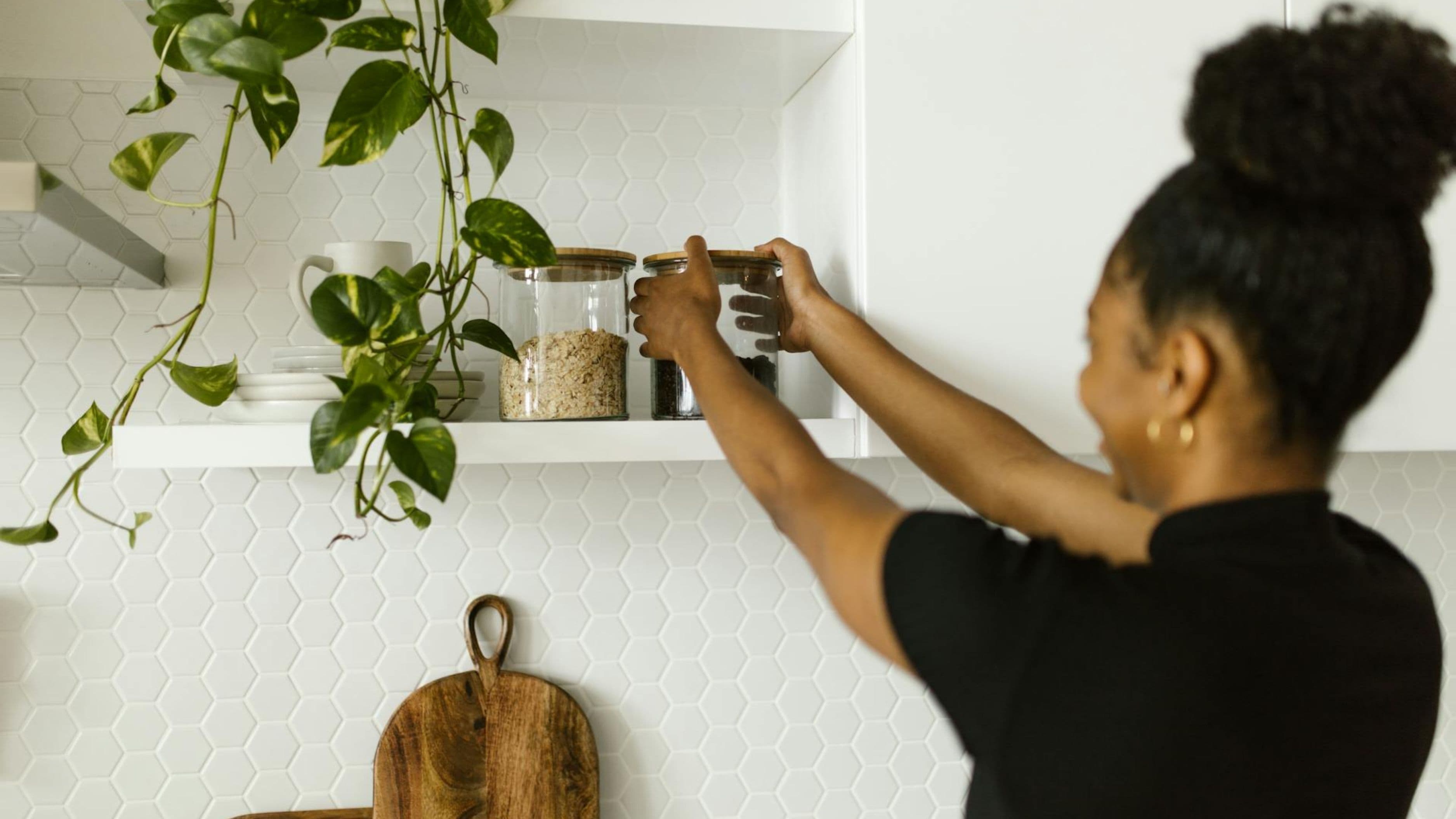
CleanTok's obsession with aesthetics has elevated organization from practical necessity to performance art. Pantries transformed into color-coordinated showrooms, with every item decanted into matching glass containers and labeled with perfect calligraphy. Refrigerators arranged like museum installations, featuring produce displayed in transparent bins and beverages lined up with military precision. These spaces photograph beautifully and rack up impressive engagement metrics, creating the illusion that aesthetic perfection equals organizational success.
But maintaining these Instagram-ready systems requires tremendous ongoing effort that rarely appears in content. Those beautiful containers need constant refilling and washing. Labels need updating. The rigid organizational schemes become prisons rather than solutions when real life inevitably disrupts the perfect arrangement. Research on household management consistently shows that the most sustainable organizational systems prioritize accessibility and ease of maintenance over visual appeal. The family that actually uses their pantry efficiently isn't decanting everything into matching jars—they're creating flexible systems that accommodate how they actually live. That gorgeous CleanTok setup you're trying to recreate wasn't designed for functionality; it was designed for camera angles and viewer aspiration.
Myth: You Need Constant Deep Cleaning → Truth: Regular Maintenance Beats Dramatic Overhauls
CleanTok's most popular content features dramatic transformations: neglected bathrooms returned to sparkling glory, grimy ovens restored to showroom condition, disaster zones converted into pristine spaces. These before-and-after spectacles generate massive engagement because they tap into our desire for instant, visible results and our fascination with dramatic change. The algorithmic incentive structure rewards extreme content, pushing creators toward increasingly dramatic scenarios that showcase severe problems and miraculous solutions.
This emphasis on deep-cleaning dramatics fundamentally misrepresents how effective home maintenance actually works. Professional housekeepers and cleaning experts consistently advocate for the opposite approach: regular, lighter maintenance that prevents buildup rather than periodic intensive interventions. Wiping down your shower after each use prevents the soap scum crisis that requires aggressive scrubbing and harsh chemicals later. Daily kitchen counter maintenance eliminates the need for those satisfying but exhausting deep-clean sessions. The five minutes spent maintaining daily beats the two hours spent deep-cleaning monthly, both in terms of time investment and actual cleanliness achieved. But "I wiped my counter again today" doesn't generate viral content, so the sustainable approach remains underrepresented while the exhausting theatrical version dominates your feed.
Myth: Influencers Have Naturally Clean Homes → Truth: You're Seeing Staged Content, Not Real Life
Perhaps the most insidious myth perpetuated by CleanTok is the implicit suggestion that these creators maintain their spotless homes effortlessly as part of their daily routine. The pristine spaces, the always-organized systems, the perpetually gleaming surfaces—it all suggests a lifestyle that you too could achieve if you just followed their advice and purchased their recommended products. This aspirational illusion drives both engagement and purchasing behavior, making you believe you're one product haul away from joining their effortlessly clean club.
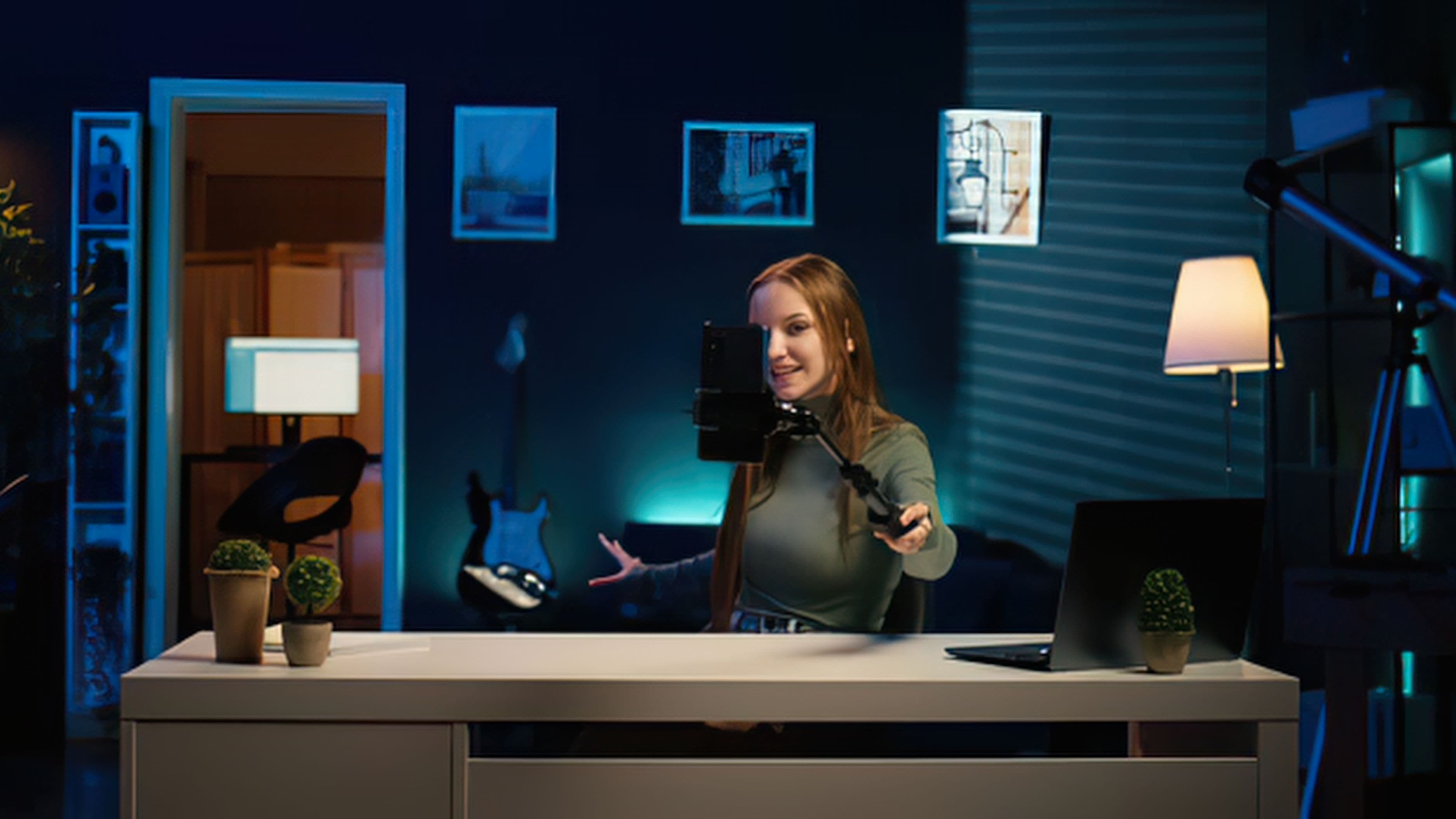
Behind every polished video lies a reality that rarely makes it to your screen: staging, selective filming, and professional-level content production. Many successful CleanTok creators film in specific areas prepared for content rather than showing their entire actual living space. Some maintain separate "filming homes" or sections specifically for content creation. Others batch-create content, spending hours styling and preparing spaces for filming then living in normal, messily human conditions between shoots. The cleaning itself is often repeated multiple times to capture perfect angles, ideal lighting, and satisfying ASMR sounds. What you're watching isn't someone's real daily routine—it's a produced performance designed to generate emotional response and, ultimately, sales. The gap between their actual lifestyle and what you see on screen is as wide as the gap between a restaurant menu photo and what arrives at your table.
The Real Clean: What Actually Works
Let go of the idea that effective cleaning requires expensive products, complicated systems, or picture-perfect aesthetics. Start making moves that actually work: invest in basic, versatile cleaning supplies; develop simple daily maintenance routines over dramatic periodic overhauls; organize for how you actually live rather than how things photograph; and approach CleanTok content with healthy skepticism about its underlying motivations.
The most revolutionary cleaning advice doesn't come with an affiliate link—it comes from recognizing that a genuinely clean, functional home serves your life rather than your feed. Those influencers aren't cleaning their homes for comfort and health; they're producing content for engagement and income. The difference matters tremendously when you're deciding whose advice to follow and where to direct your limited time, energy, and money. Your home doesn't need to be camera-ready to be genuinely clean, and your cleaning routine doesn't need to generate content to be genuinely effective.
Stop letting algorithm-driven content dictate your household management. The cleaning industry existed long before social media and will continue functioning effectively long after the current crop of influencers moves on to the next trend. Trust the boring, proven basics over the exciting viral innovations. Your wallet, your schedule, and your actual living space will thank you for prioritizing function over followers.
📚 Sources
Consumer Reports, "Store Brand vs. Name Brand Cleaning Products Performance Analysis," March 2023
American Association of Poison Control Centers, "Annual Report on Cleaning Product-Related Incidents, 2019-2023"
Digital Marketing Institute, "Influencer Marketing Disclosure Practices and Sponsorship Transparency," 2024