
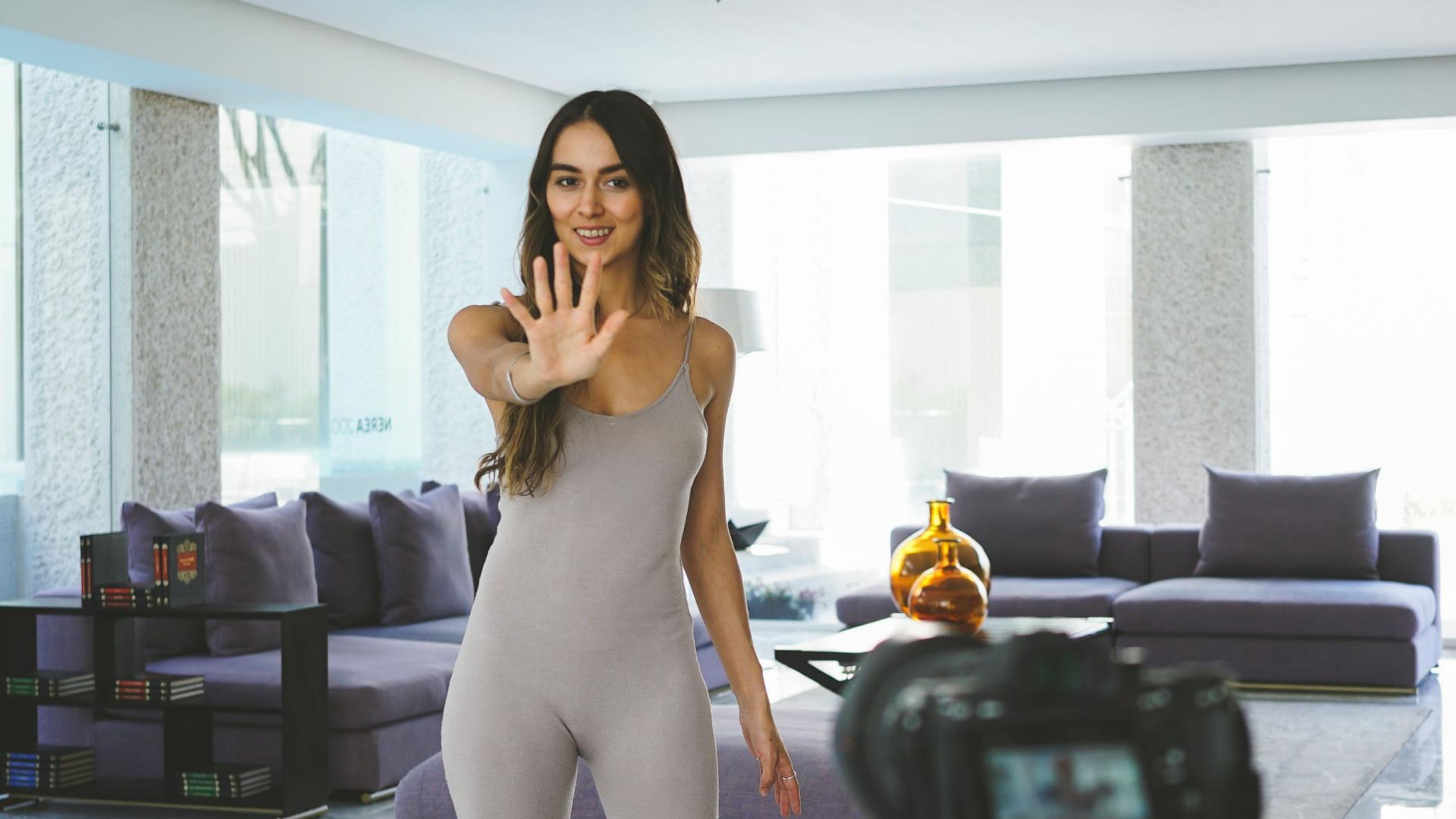
1. The Aspiration Economy Moved Into the Bedroom
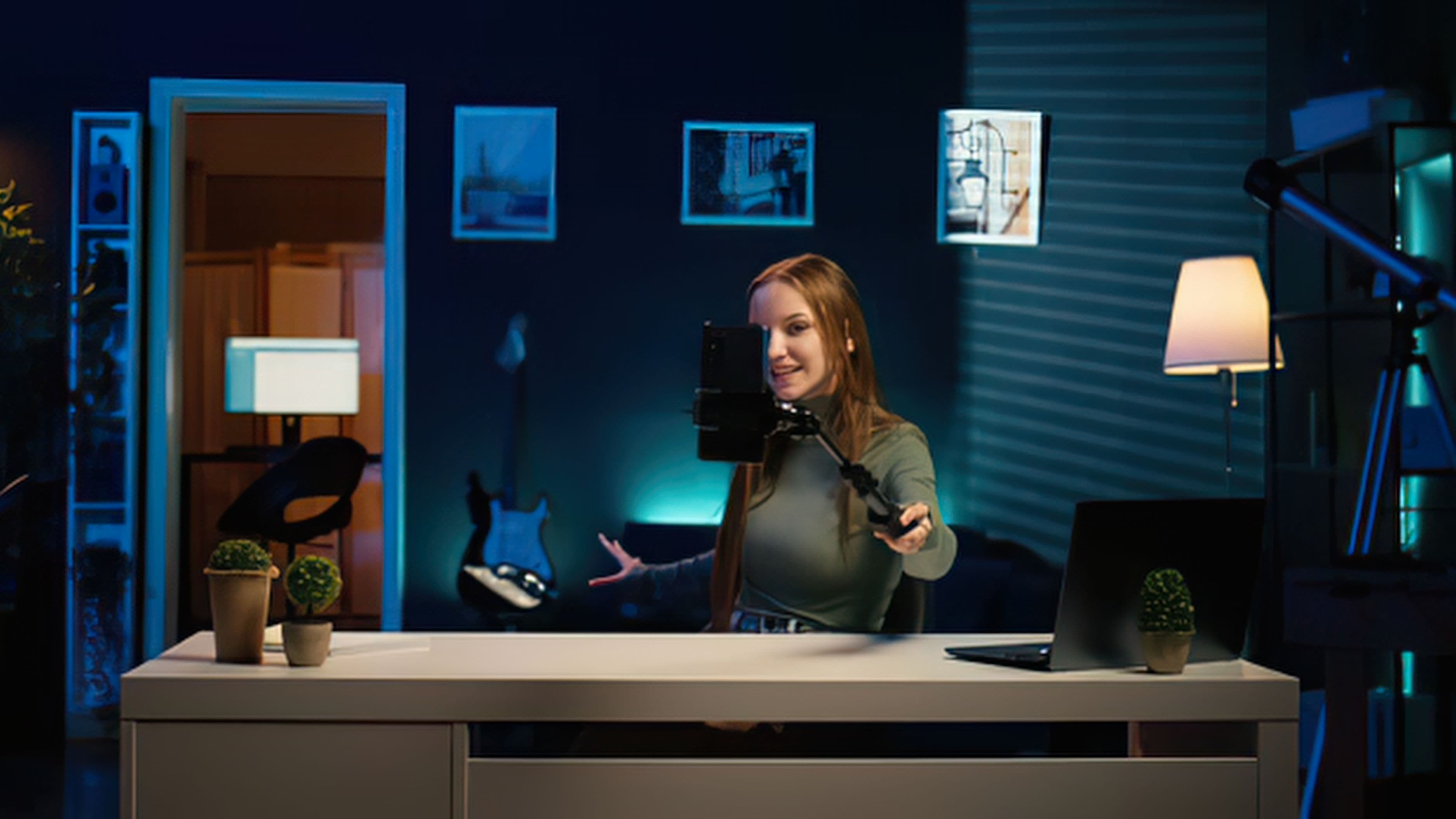
Celebrity home tours monetize our desire to live like the people we admire. Platforms like YouTube, Instagram, and TikTok have democratized access to spaces once hidden behind mansion gates, creating what researchers call "aspirational consumption." When we see Billie Eilish's cozy, art-filled bedroom, we're not just observing—we're mentally furnishing our own spaces with similar elements. This visual accessibility has turned interior design from an abstract luxury into tangible goals we believe we can achieve, one throw pillow at a time.
2. Neutrals Became the New Status Symbol
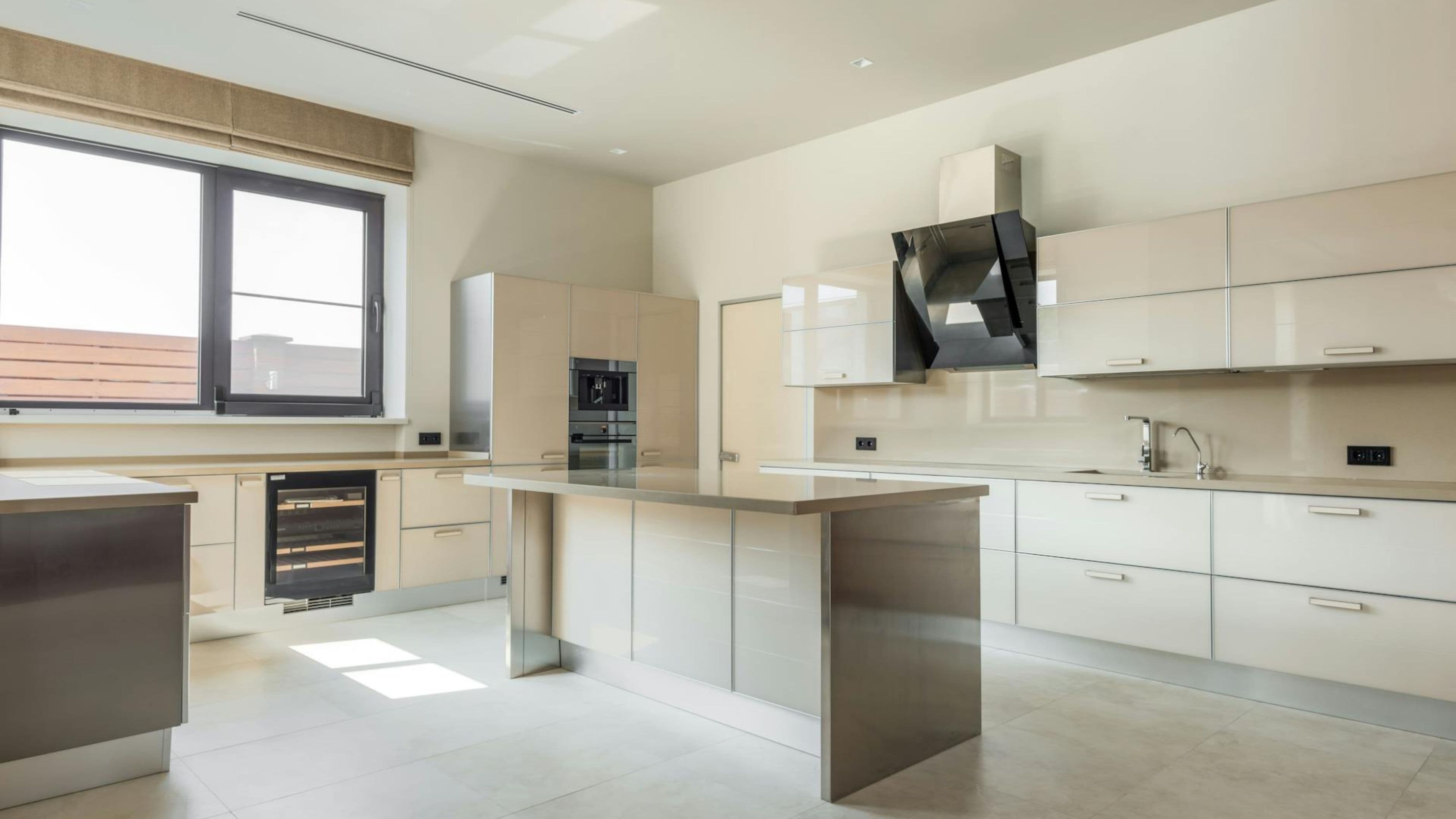
Thanks to Kardashian-Jenner influence, beige, cream, and various shades of "greige" have dominated bedroom aesthetics for years. Kim Kardashian's infamous all-white, minimalist mansion sparked both admiration and memes, but it undeniably shifted market trends. Retailers report that neutral bedding sets and monochromatic furniture consistently outsell colorful alternatives, with Restoration Hardware and West Elm building entire collections around this muted palette. The message is clear: restraint equals sophistication, and color feels almost rebellious in today's celebrity-inspired design landscape.
3. The Viral LED Strip Phenomenon
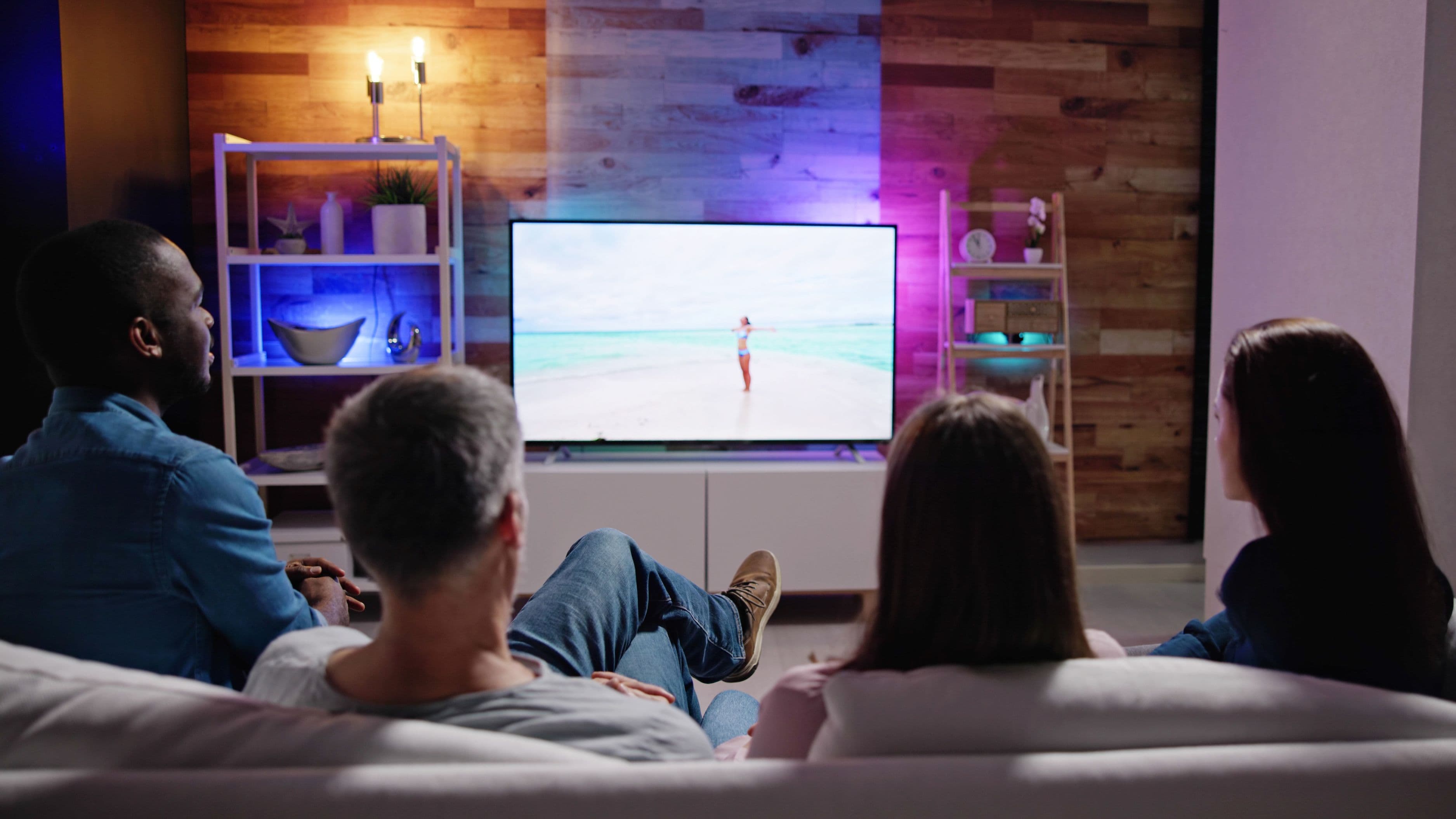
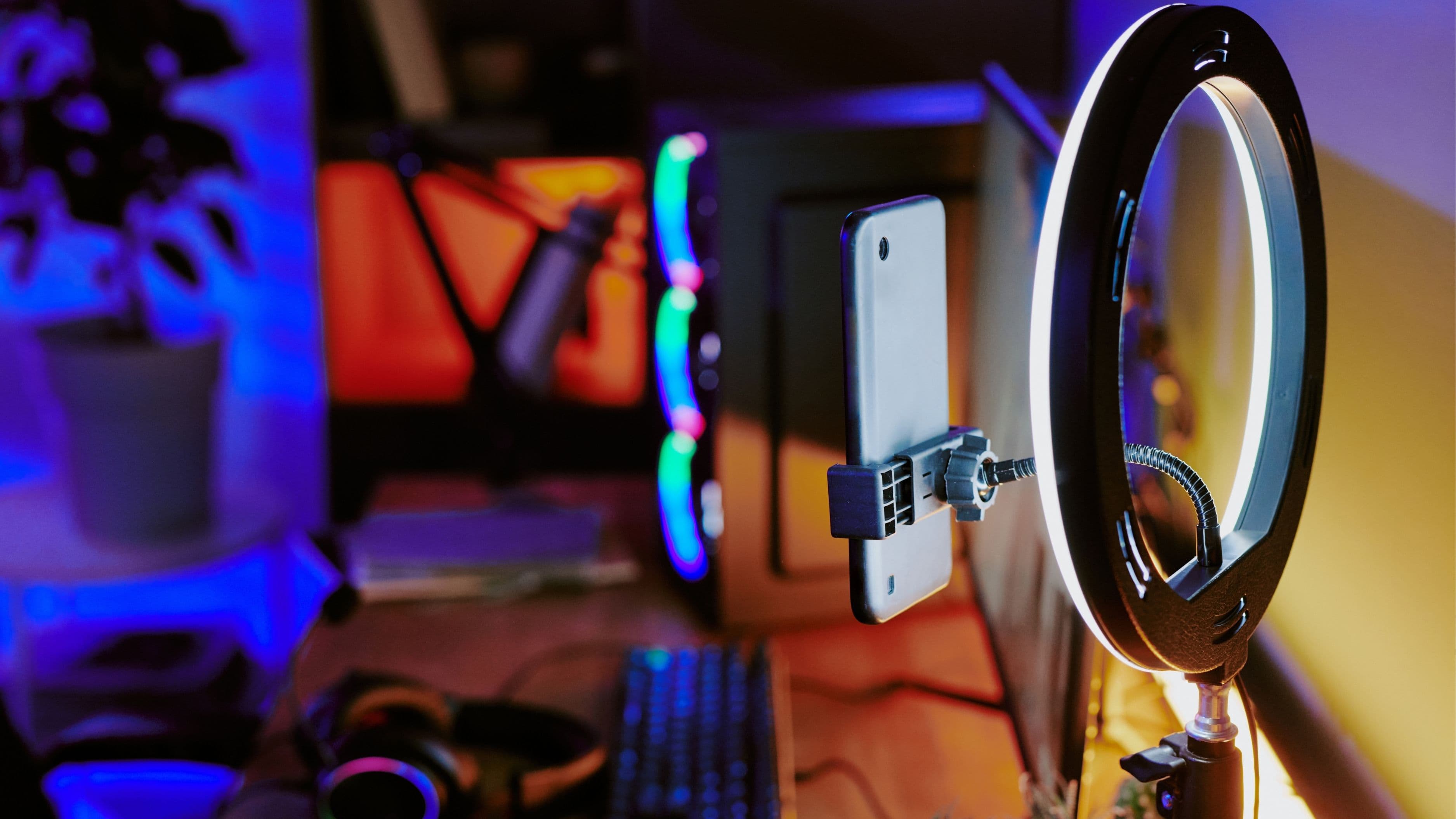
Remember when mood lighting meant a dimmer switch? TikTok and YouTube bedroom tours—especially from influencers and young celebrities—normalized LED strip lights as essential bedroom infrastructure. What started as gamer culture aesthetic has infiltrated mainstream design, with companies like Philips Hue capitalizing on our desire to transform ordinary rooms into customizable color experiences. These tours taught us that atmosphere isn't accidental; it's engineered, purchasable, and always worth showing off in your next story post.
4. Luxury Bedding Gets Name-Dropped
Celebrities casually mentioning their Parachute sheets or Brooklinen duvet covers during tours isn't accidental product placement—it's aspirational education. When a celebrity attributes their "best sleep ever" to specific Egyptian cotton thread counts or European linen, it legitimizes spending $300 on pillowcases. Sleep has been rebranded as self-care, and bedding has become an investment piece rather than a functional necessity. The luxury bedding market has grown substantially, partly fueled by these endorsements that make high-end linens feel like accessible splurges rather than unreachable luxuries.
5. Plants Became Non-Negotiable Props
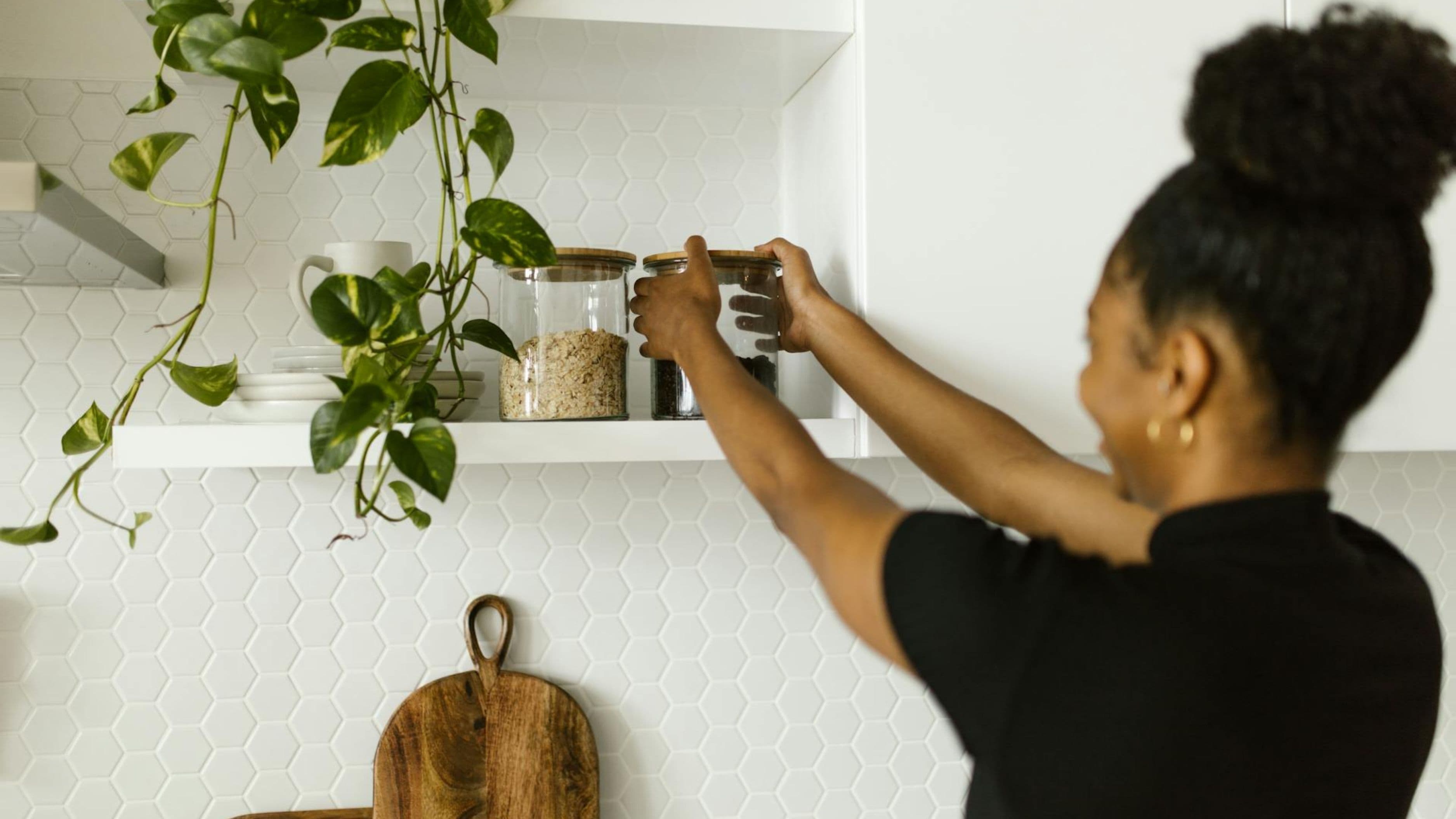
Notice how every celebrity bedroom tour includes at least one fiddle leaf fig or monstera? Greenery has become visual shorthand for wellness, maturity, and Instagram-worthiness. These tours normalized the idea that bedrooms should function as personal sanctuaries connected to nature, even if you're on the 23rd floor of a city apartment. The houseplant industry has boomed accordingly, with millennials and Gen Z spending billions annually on botanical roommates that photograph beautifully and die quietly when we forget to water them.
6. The Reading Nook Became Aspirational Real Estate
Celebrity bedroom tours frequently feature cozy window seats, chic armchairs, or dedicated reading corners bathed in natural light. These vignettes sell a lifestyle fantasy: you, too, could be the kind of person who curls up with a hardcover (spine unbroken, naturally) in your thoughtfully designed retreat. It doesn't matter that most of us scroll TikTok on our phones instead—we still add "reading chair" to our mental renovation lists. This particular influence has been positive, encouraging people to create intentional relaxation zones separate from sleep spaces.
7. Texture Mixing Became the Design Flex
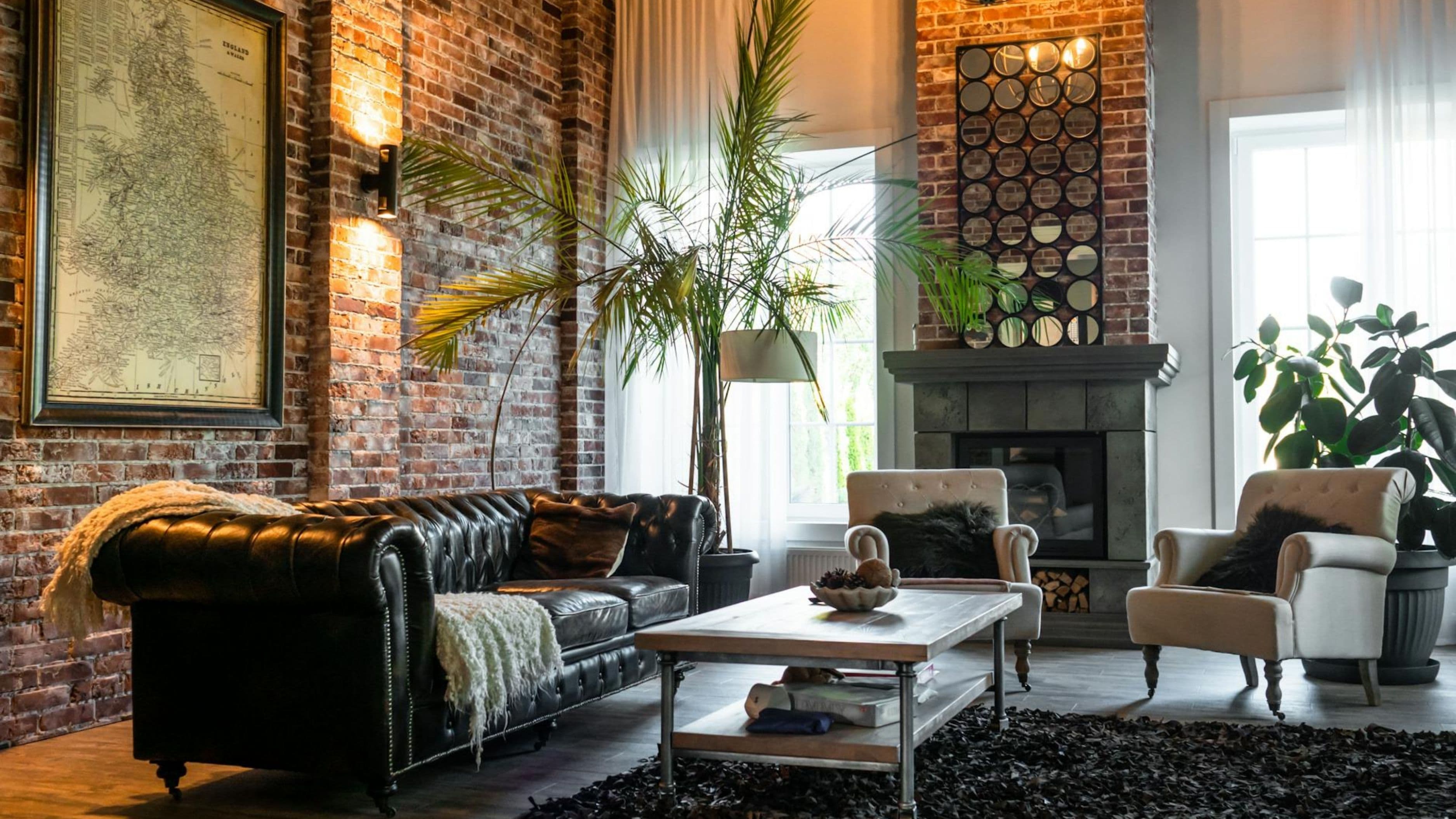
High-profile bedroom tours taught us that flat, one-note rooms photograph poorly and feel boring. Suddenly everyone needed velvet throw pillows on linen sheets, rattan headboards against plaster walls, and maybe a sheepskin rug for good measure. Celebrities and their stylists demonstrated that sophisticated design requires layering different materials, creating visual and tactile interest. Home goods retailers responded by marketing "curated" looks with multiple texture families, making it easier for average consumers to approximate these deliberately composed aesthetics.
8. Statement Headboards Stole the Show
When Harry Styles' tufted velvet headboard appeared in interviews, or when we glimpsed Selena Gomez's caned rattan version, headboards transformed from functional furniture to focal point art. These tours emphasized that your bed should anchor the room visually, not just physically. Wayfair and CB2 now offer dozens of "statement headboard" collections, recognizing that consumers want that one dramatic element that makes a bedroom feel professionally designed. The headboard has become the easiest way to signal you've "done" your bedroom intentionally.
9. Smart Home Tech Became Bedroom Standard
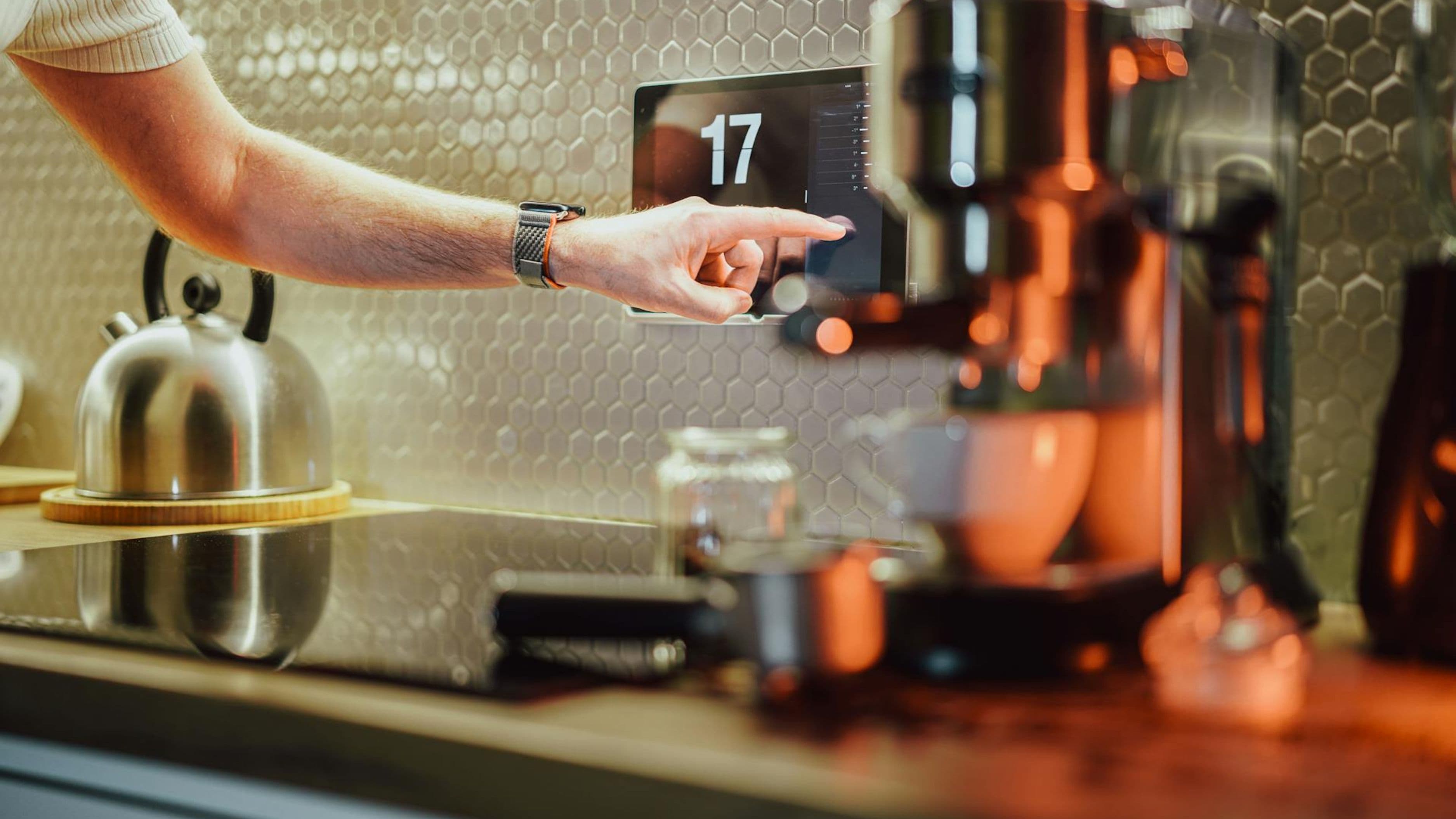
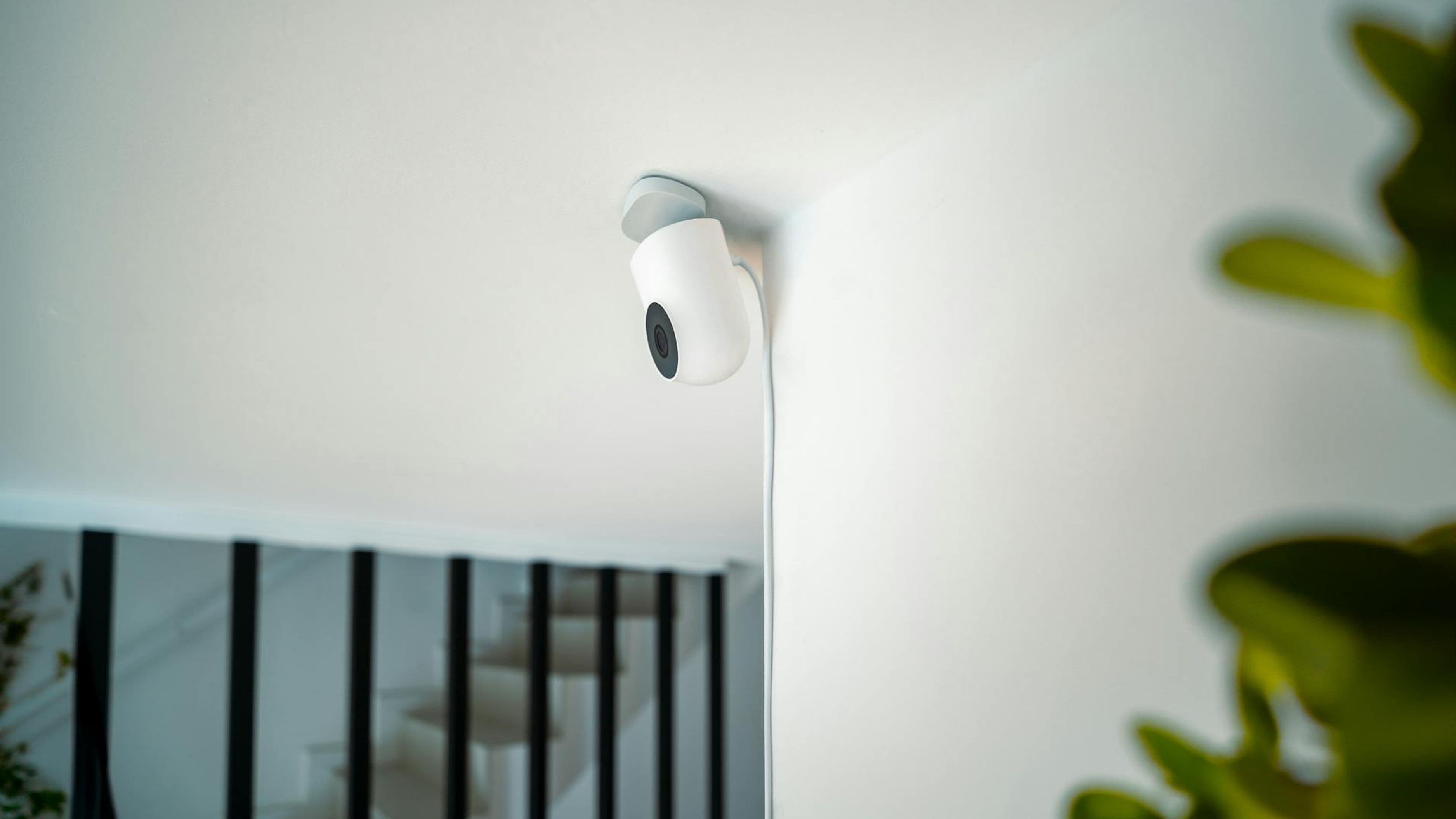
Celebrity tours casually showcase voice-activated blinds, automated temperature control, and integrated sound systems as normal bedroom features. What once felt futuristic now registers as standard for anyone serious about their sleep environment. This normalization has driven consumer demand for smart home products specifically designed for bedrooms—from sunrise alarm clocks to sleep tracking mattresses—creating an entire industry around optimized rest. These tours made technology in intimate spaces feel luxurious rather than invasive.
10. Vulnerability Became Aesthetic Currency
Perhaps the most significant shift is how these tours reframe bedrooms as spaces worth investing in emotionally and financially. When celebrities get vulnerable about their struggles with sleep, anxiety, or the need for sanctuary, they validate our own desires for bedroom perfection. This emotional framing transforms what could be shallow materialism into self-care justification. We're not buying throw pillows; we're investing in our mental health. We're not copying celebrity style; we're creating our own healing space.
The invitation here isn't to judge these influences as good or bad—it's to recognize them. Next time you catch yourself screenshotting a celebrity's nightstand setup or adding "moroccan wedding blanket" to your cart, pause and ask: is this truly for me, or am I chasing someone else's curated version of sanctuary? Maybe you genuinely love minimalist neutrals. Maybe LED strips do make you happy. The goal isn't to reject celebrity-inspired design but to filter it through your actual needs, space constraints, and authentic taste. Pick one element from your current bedroom that feels like you—whether that's a wall full of family photos or mismatched vintage furniture—and let that guide your next choice instead of someone else's tour. Your bedroom should feel like coming home to yourself, not visiting a stranger's aspirational set.
📚 Sources
1. Djafarova, E., & Bowes, T. (2021). "Instagram made Me buy it": Generation Z impulse purchases in fashion industry. Journal of Retailing and Consumer Services, 59, 102345.
2. Pew Research Center. (2021). Social Media Use in 2021. Retrieved from Pew Research Center's Internet & American Life Project.