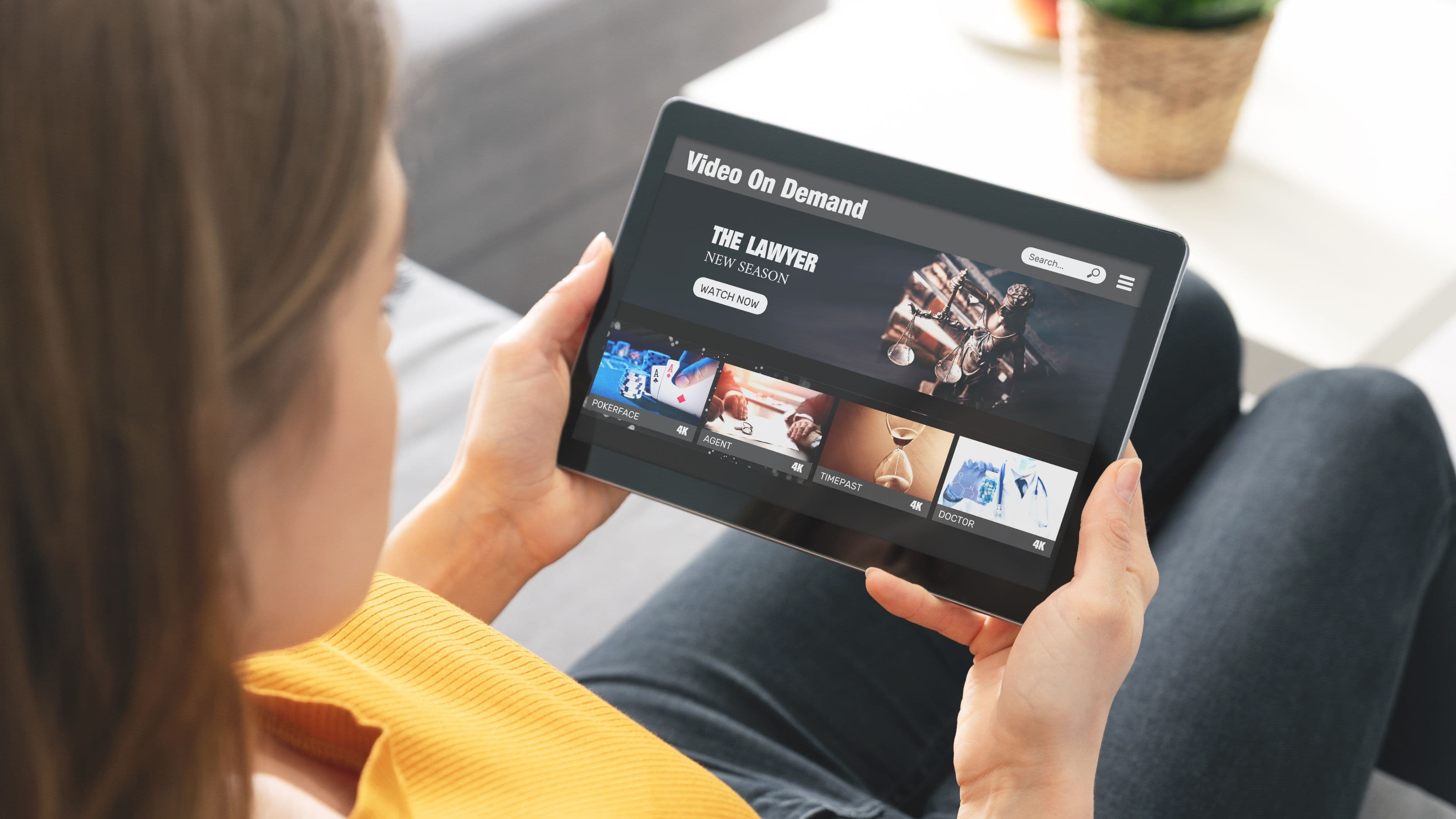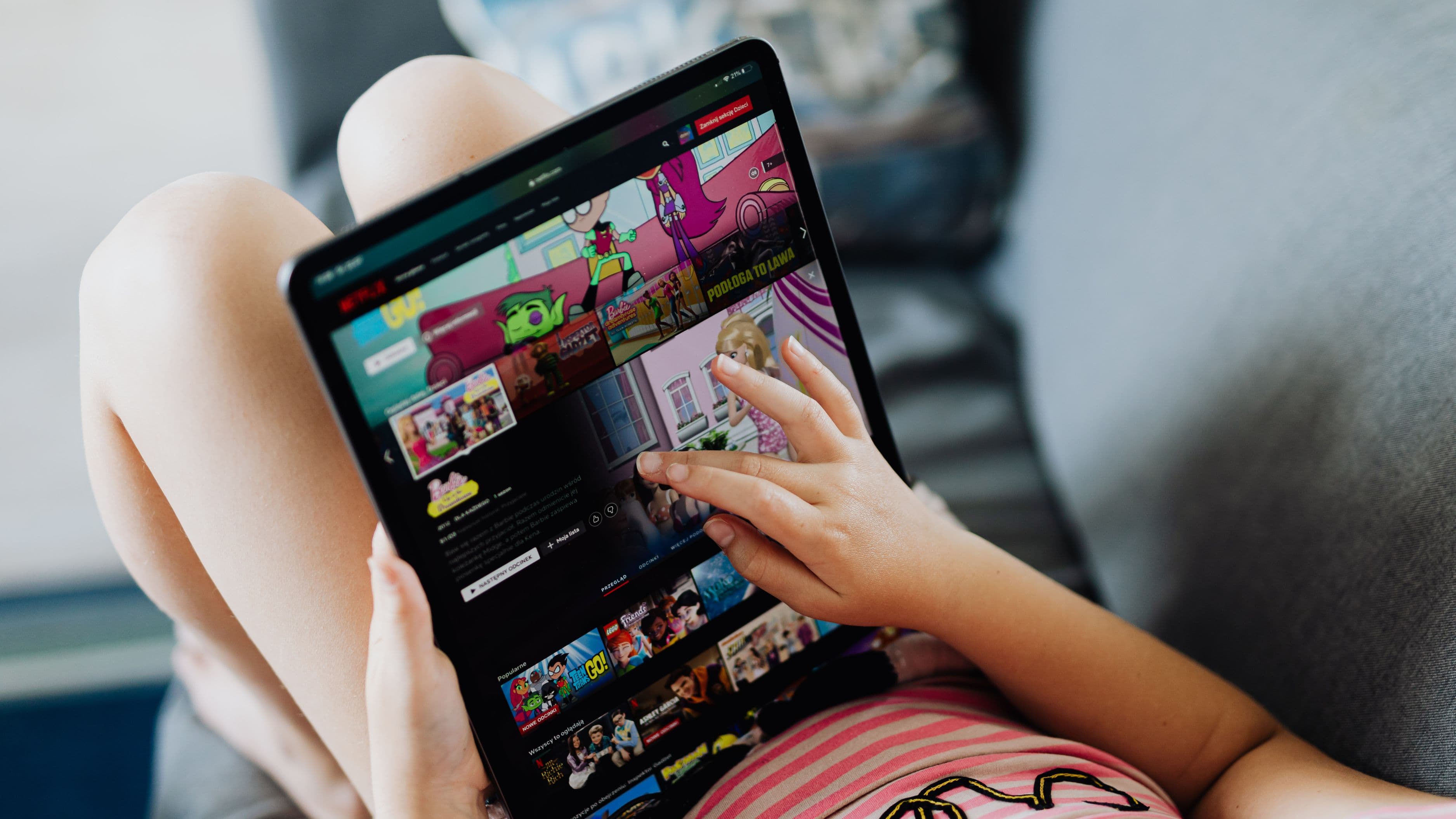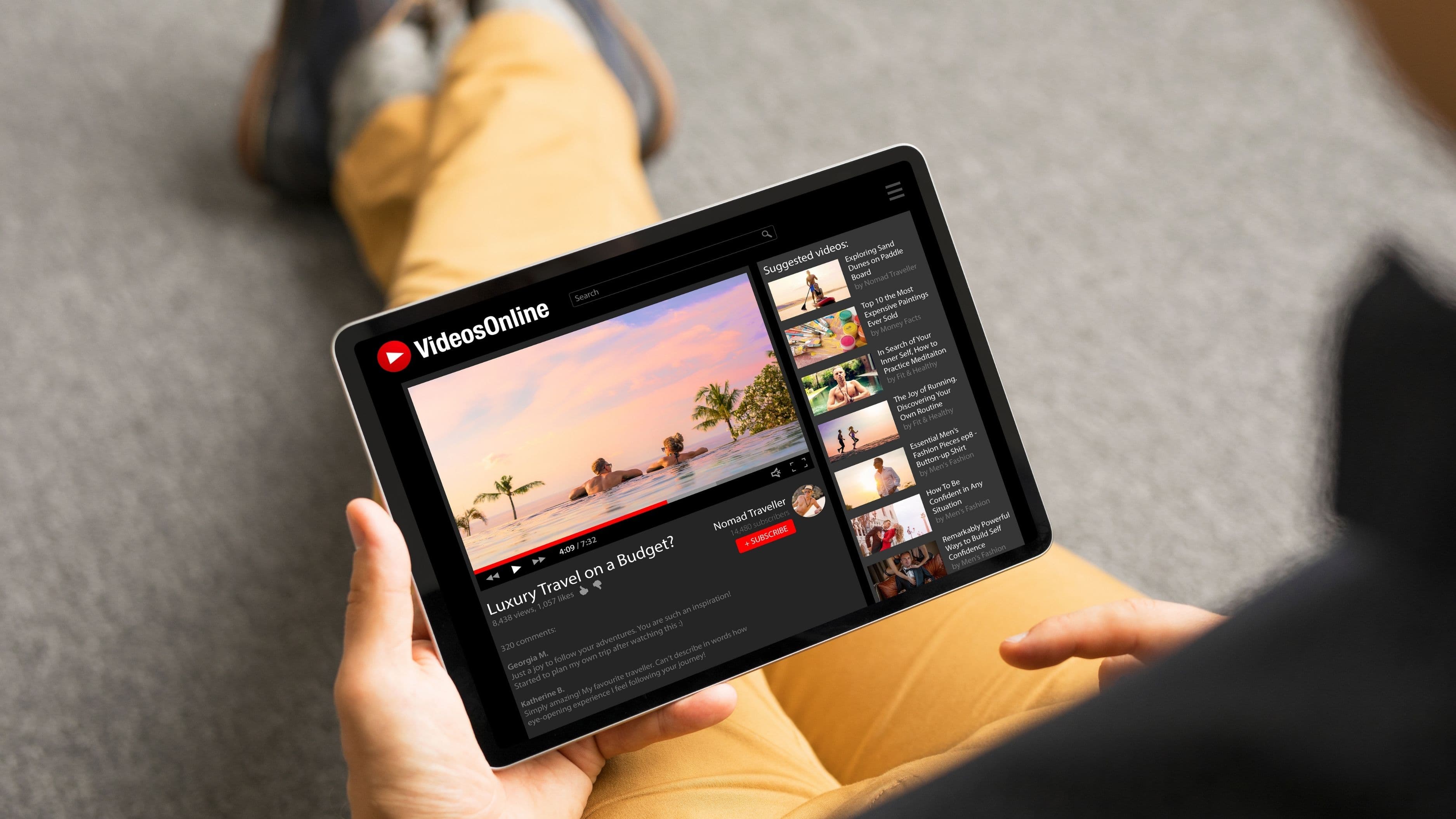



The streaming wars have transformed how we consume entertainment, but they've also created a minefield of monthly charges that quietly drain our bank accounts. Meanwhile, budgeting apps have evolved from simple expense trackers into sophisticated financial coaches that can reveal exactly where your money disappears each month. The question isn't whether you should have multiple streaming services—it's whether you can afford them without sacrificing your financial health. Let's explore how the right budgeting tools might be your ticket to entertainment abundance without the guilt.
1. The Subscription Creep Is Real (And Expensive)
Streaming services have mastered the art of being individually affordable while collectively devastating. A $15 monthly subscription feels manageable—almost trivial compared to what cable used to cost. But when you're paying for Netflix ($15.49), Disney+ ($13.99), Hulu ($17.99 with no ads), HBO Max ($15.99), Apple TV+ ($9.99), Paramount+ ($11.99), and maybe Peacock for good measure ($7.99), you're suddenly dropping over $90 per month. That's $1,080 annually on streaming alone, not counting music services, gaming subscriptions, or specialized platforms for niche content.
Budgeting apps excel at making these invisible costs visible. When you see that streaming category ballooning on your spending dashboard, complete with colorful charts and year-over-year comparisons, reality hits differently. Apps like YNAB (You Need A Budget) or Mint categorize every subscription charge, transforming vague financial anxiety into concrete numbers you can actually address. Suddenly, you're not just someone who "spends too much on entertainment"—you're someone spending exactly $93.44 monthly who can make informed decisions about that number.
The psychological shift matters more than you might think. Budgeting apps remove the fog of financial denial that lets subscription costs accumulate unnoticed. They force you to acknowledge that yes, you're still paying for that fitness streaming service you used twice in January, and yes, that adds up.
2. Find Your "Streaming Season" Sweet Spot
Here's a strategy budgeting apps make deliciously simple: rotating your subscriptions based on what you're actually watching. Think of it as seasonal entertainment wardrobing. You wouldn't wear your winter coat in July, so why pay for HBO Max year-round when you only binge-watch their shows during premiere season?
Budgeting apps with subscription tracking features let you see usage patterns over time. Maybe you notice your Hulu activity plummets during summer months when you're outdoors more, or that you only really use Apple TV+ when Ted Lasso drops new episodes. Armed with this data, you can create a personalized rotation schedule—three or four services at any given time, swapping them out as your content needs shift. Apps like Truebill (now Rocket Money) even offer cancellation reminders and can pause subscriptions automatically at predetermined intervals.
The beauty of this approach is that it doesn't feel like deprivation. You're not giving up anything permanently; you're just being strategic about timing. Plus, the anticipation of rotating back to a service you've paused for a few months comes with its own kind of excitement. All those unwatched episodes become a treasure trove waiting for you, rather than a guilt-inducing reminder of wasted money.
3. Uncover the Hidden Money Leaks
Budgeting apps are basically financial detectives, and they're scary good at finding money you didn't know you were wasting. That forgotten Showtime trial that converted to a paid subscription eight months ago? Caught. The duplicate Spotify charge because you signed up through both the app and your phone carrier? Flagged. These aren't hypothetical scenarios—studies suggest the average person wastes between $200-$400 annually on forgotten subscriptions.
Modern budgeting tools use AI and machine learning to identify irregular charges, recurring payments you might not remember authorizing, and services you're paying for multiple times through different channels. Apps like PocketGuard specifically highlight "hidden fees" and redundant subscriptions, presenting them in a way that makes you wonder how you ever missed them. When an app tells you that canceling three dormant subscriptions would free up $37 monthly—enough for two additional streaming services—the choice becomes obvious.
Beyond subscriptions, these apps reveal spending patterns that might be silently sabotaging your entertainment budget. Maybe you're dropping $150 monthly on convenience store purchases that could easily become $50 with slight behavior tweaks. That $100 difference? That's a premium Netflix account plus Disney+ with money to spare. Budgeting apps don't just track money; they reveal the financial trade-offs you're unknowingly making every day.
4. Set It, Forget It, Stream It
The real power of budgeting apps isn't just in showing you where money goes—it's in automating better financial behavior so you can actually afford the things you value. Most sophisticated budgeting platforms let you create dedicated "fun money" categories with preset spending limits, complete with alerts before you exceed them. This means you can create a specific streaming budget, fund it automatically each month, and spend within that category guilt-free.
Imagine allocating $75 monthly to your entertainment budget through automatic transfers. Your budgeting app tracks every streaming charge against this dedicated pool of money, not your overall checking account balance. When you're considering adding another service, you're not asking "Can I afford this?" in some vague, anxiety-inducing way. Instead, you're checking a specific number in your app: Do I have room in my entertainment budget this month, or do I need to swap something out?
This psychological reframing transforms entertainment spending from a source of financial stress into a deliberate choice. You've already decided this money is for enjoyment, so spending it on streaming doesn't trigger the same guilt as swiping your card without a plan. Apps like YNAB build this philosophy into their core design, encouraging users to "give every dollar a job" so discretionary spending feels intentional rather than irresponsible.
5. Family Plan Finder and Share Smart
Here's where budgeting apps get surprisingly social. When you have a clear picture of your entertainment spending and your financial capacity, you can strategically approach friends or family about sharing subscription costs. Most streaming services offer family or premium plans that accommodate multiple users at a fraction of the per-person cost—but organizing these arrangements requires coordination that budgeting apps can facilitate.
Some newer budgeting platforms include expense-splitting features that make it ridiculously easy to share costs transparently. If you and three friends split a Netflix premium account ($19.99), YouTube TV ($72.99), and Spotify Family ($16.99), you're each paying roughly $36 monthly for services that would cost over $100 individually. Your budgeting app can track who owes what, send payment reminders, and even facilitate transfers, removing the awkwardness that often torpedoes these arrangements.
The key is finding people you trust who consume content differently than you do. Your friend who's obsessed with sports probably isn't fighting you for Peacock access during Love Island season. Your cousin who binges fantasy series won't compete with your romantic comedy habit. Budgeting apps help you calculate exactly how much you'd save with shared plans, making it easier to pitch the idea with concrete numbers rather than vague suggestions.
6. The Latte Factor Meets the Streaming Factor
Financial advisors love talking about the "latte factor"—how small daily purchases compound into significant annual spending. But let's be honest: telling people to skip their morning coffee to save money feels both preachy and joyless. Budgeting apps flip this concept by revealing your actual spending patterns without judgment, letting you make trade-offs that align with your values.
Maybe you discover through your app that you're spending $160 monthly on food delivery—not because you consciously chose convenience over cooking, but because ordering just happened by default. If cutting that in half still leaves you with plenty of easy meals while freeing $80 monthly, that's suddenly five or six streaming services' worth of budget. The difference is that you're not being lectured about what you should value; you're seeing actual data about what you currently spend and deciding what matters most.
This approach works because it respects your priorities rather than imposing someone else's. Love your daily coffee? Keep it, and find savings elsewhere. Realize you don't actually care about grab-and-go lunches but you do care about having access to every streaming platform? Your budgeting app provides the data to make that swap confidently. The entertainment you consume shapes your cultural conversations, your relaxation rituals, and your connection to the zeitgeist—if that's worth more to you than other discretionary spending, own it with clear-eyed awareness of the trade-off.
7. Gamify Your Way to More Content
The best budgeting apps understand human psychology: we're motivated by progress, achievements, and seeing numbers go up. Many platforms incorporate game-like elements—savings milestones, streak tracking for staying under budget, badges for meeting financial goals—that tap into the same reward centers that keep you binging one more episode at 2 AM.
Set a challenge: Can you find $30 in savings over the next month to fund a new streaming service? Your budgeting app becomes mission control, tracking your progress as you pack lunch three extra times per week, skip one impulse Target run, or cancel that gym membership you've been ignoring. Each small win feeds into a larger entertainment goal, making the process feel less like deprivation and more like strategic gameplay. When you finally add that coveted subscription using money you deliberately freed up, the satisfaction is amplified.
Some apps even let you create visual savings goals with progress bars and projected completion dates. Watching your "Stream Everything I Want" fund grow from $0 to $60 over eight weeks provides tangible motivation in a way that abstract "be better with money" advice never could. The gamification isn't about tricking yourself into financial responsibility—it's about making the path to your entertainment goals visible and rewarding every step along the way.
8. Annual Subscription Hacks Unlocked
Here's an insider strategy that budgeting apps make manageable: paying annually for services you know you'll use year-round, which typically saves 15-20% compared to monthly billing. The catch is that annual payments require upfront capital and careful planning, which is exactly where budgeting tools shine.
If you pay for Netflix monthly at $15.49, you'll spend $185.88 annually. But if the service offered an annual option at $156 (about $13 monthly), you'd save nearly $30. Multiply this across multiple subscriptions, and the savings become substantial. The challenge is having $156 ready when renewal time hits. Budgeting apps let you set aside small amounts monthly into a dedicated "annual subscriptions" fund, so these lump payments never blindside you.
Apps with forecasting features can project your annual subscription costs and suggest monthly savings targets to meet them. Instead of panicking when three annual renewals hit in the same month, you've been automatically setting aside funds all year. This approach also forces an annual audit—do you really want to commit to another year of this service, or is it time to rotate to something new? The money you save through annual billing can easily fund an additional subscription or two at regular monthly rates.
The Bigger Picture: Intentional Entertainment in a Subscription Economy
The streaming explosion represents both abundance and overwhelm—more content than anyone could watch in several lifetimes, spread across a dizzying array of platforms competing for your monthly payment. Budgeting apps won't solve the deeper problem of fragmented content libraries or make exclusive shows less exclusive. What they can do is remove the financial fog that makes entertainment spending feel either totally unaffordable or mysteriously manageable until your credit card bill arrives.
The real value isn't in the apps themselves, but in the mindfulness they create around your entertainment choices. When you know exactly what you're spending, what you're getting in return, and what trade-offs you're making, streaming subscriptions transform from a source of financial anxiety into a deliberate investment in joy, connection, and cultural participation. You're not passively accumulating subscriptions; you're actively curating an entertainment ecosystem that fits your life and your budget.
In an economy increasingly built on recurring charges and subscription fatigue, the question isn't whether you can afford more streaming services. It's whether you're willing to examine your spending clearly enough to make room for what truly brings you entertainment value. Budgeting apps offer the clarity to make that call—and maybe, just maybe, the financial breathing room to finally watch everything everyone's been talking about without the guilt.
📚 Sources
1. Deloitte. (2023). "Digital Media Trends: Surveying the New Consumer Landscape." Deloitte Insights.
2. C+R Research. (2022). "Subscription Economy Report: Consumer Spending on Recurring Services." C+R Research.
3. West Monroe. (2021). "The Subscription Economy: Consumer Usage and Spending Patterns Study."