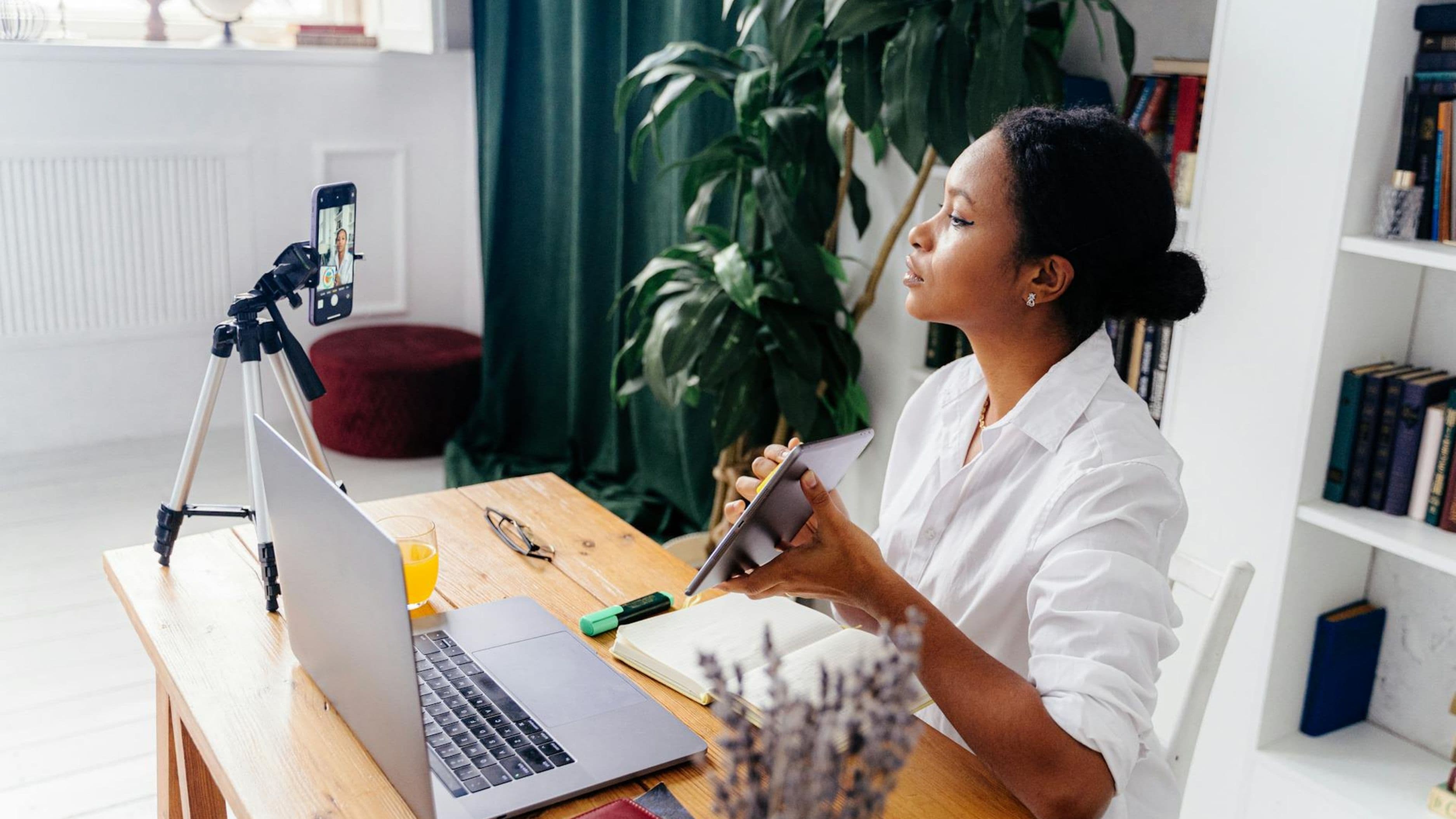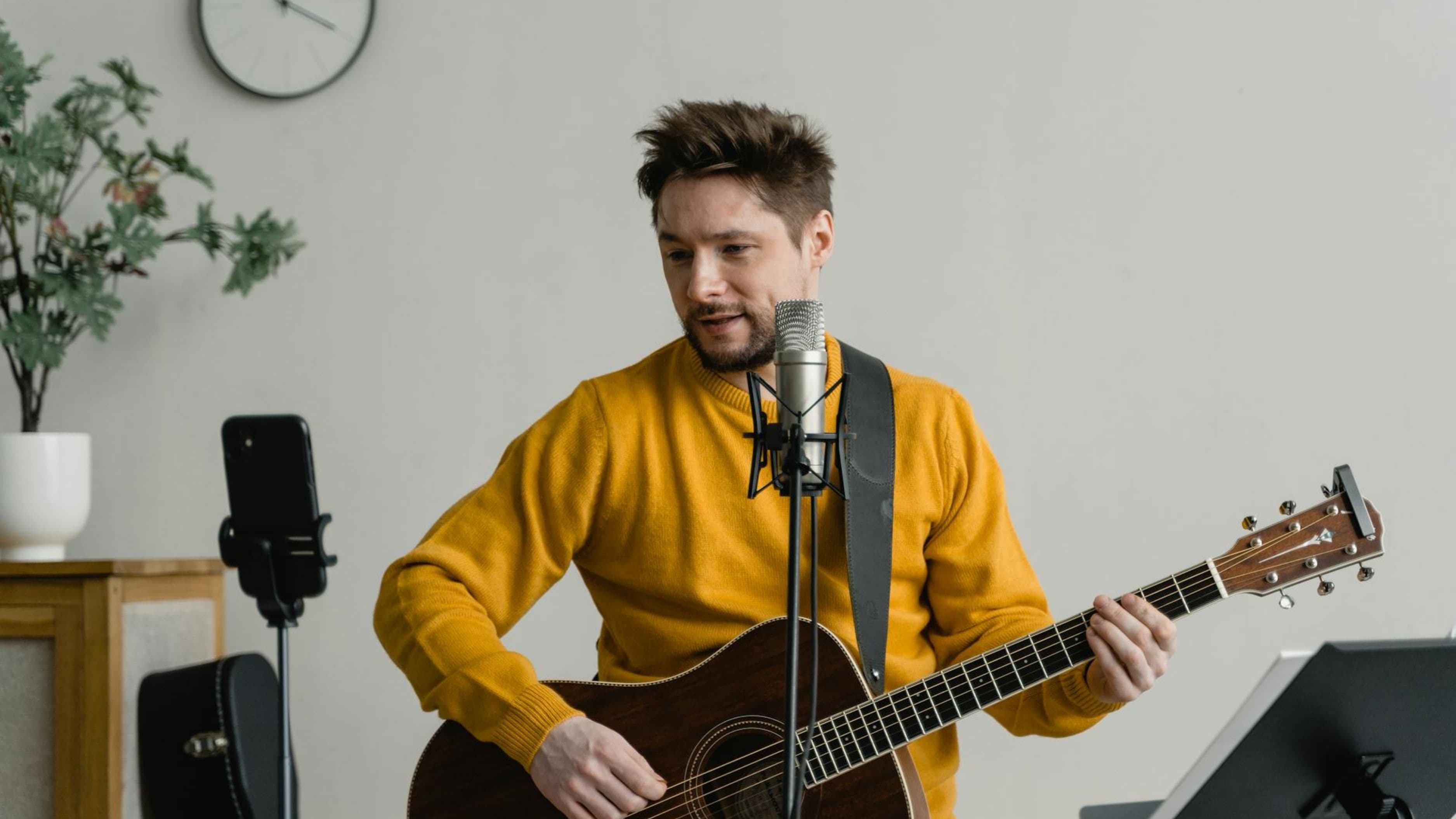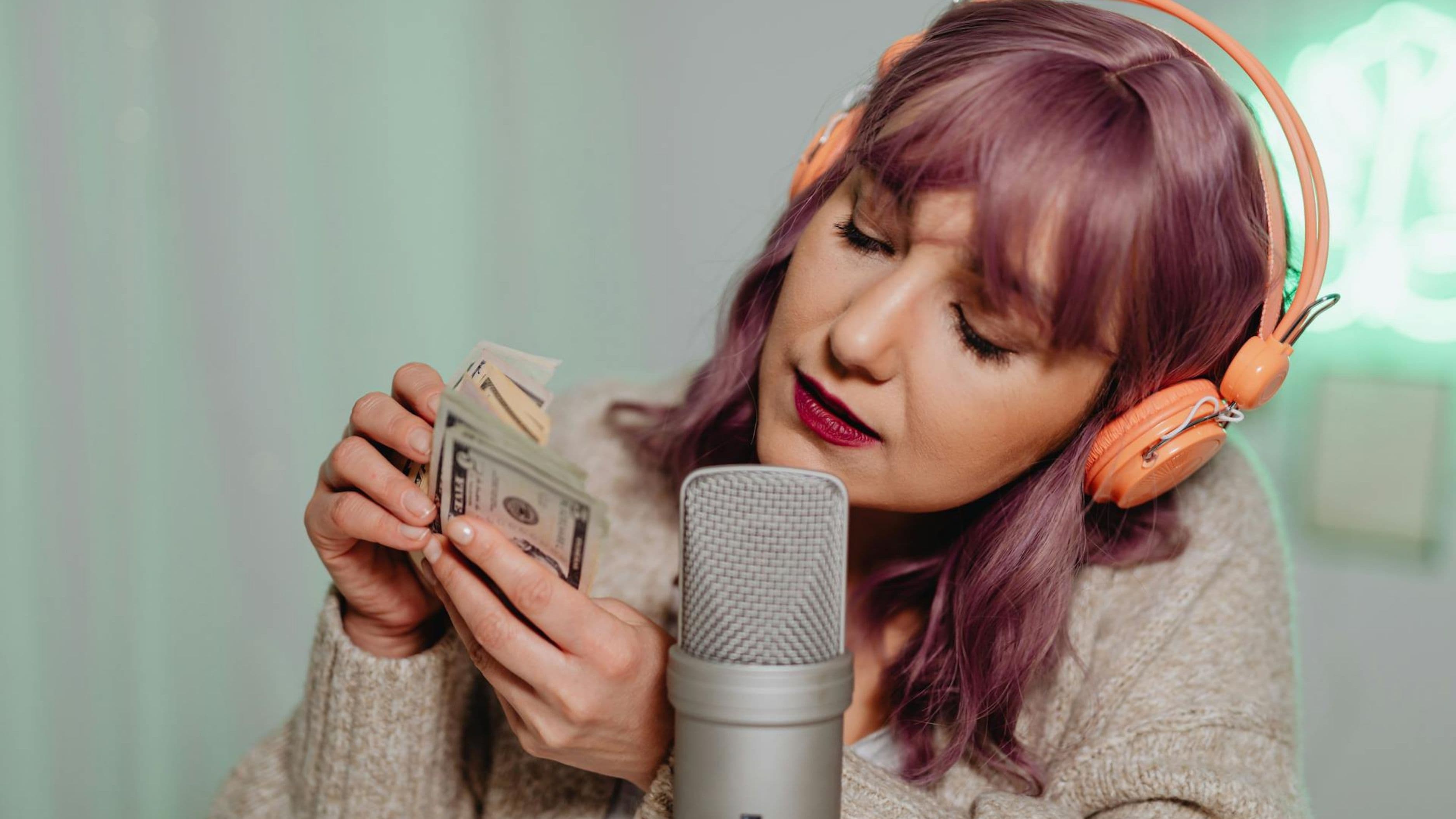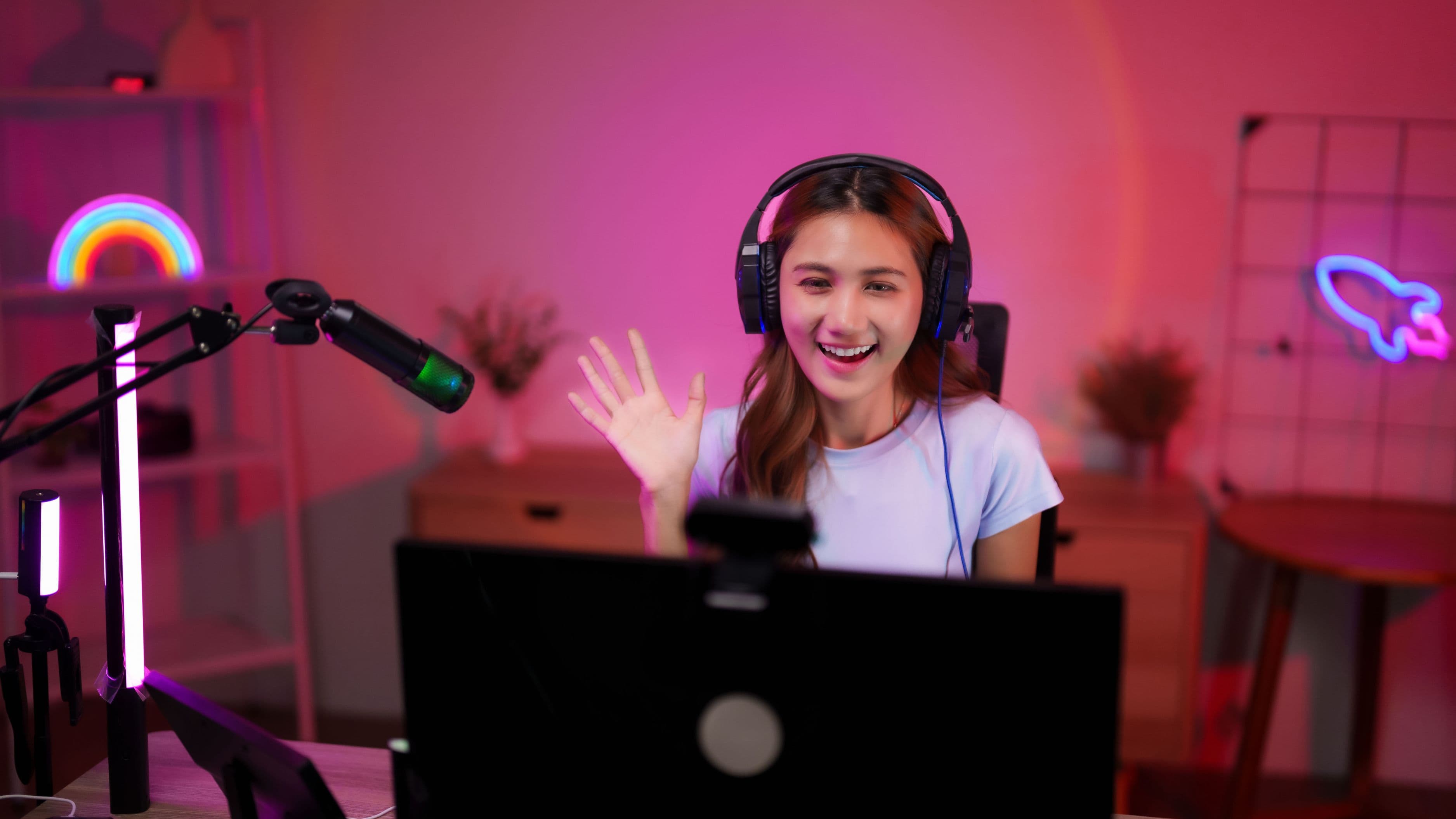

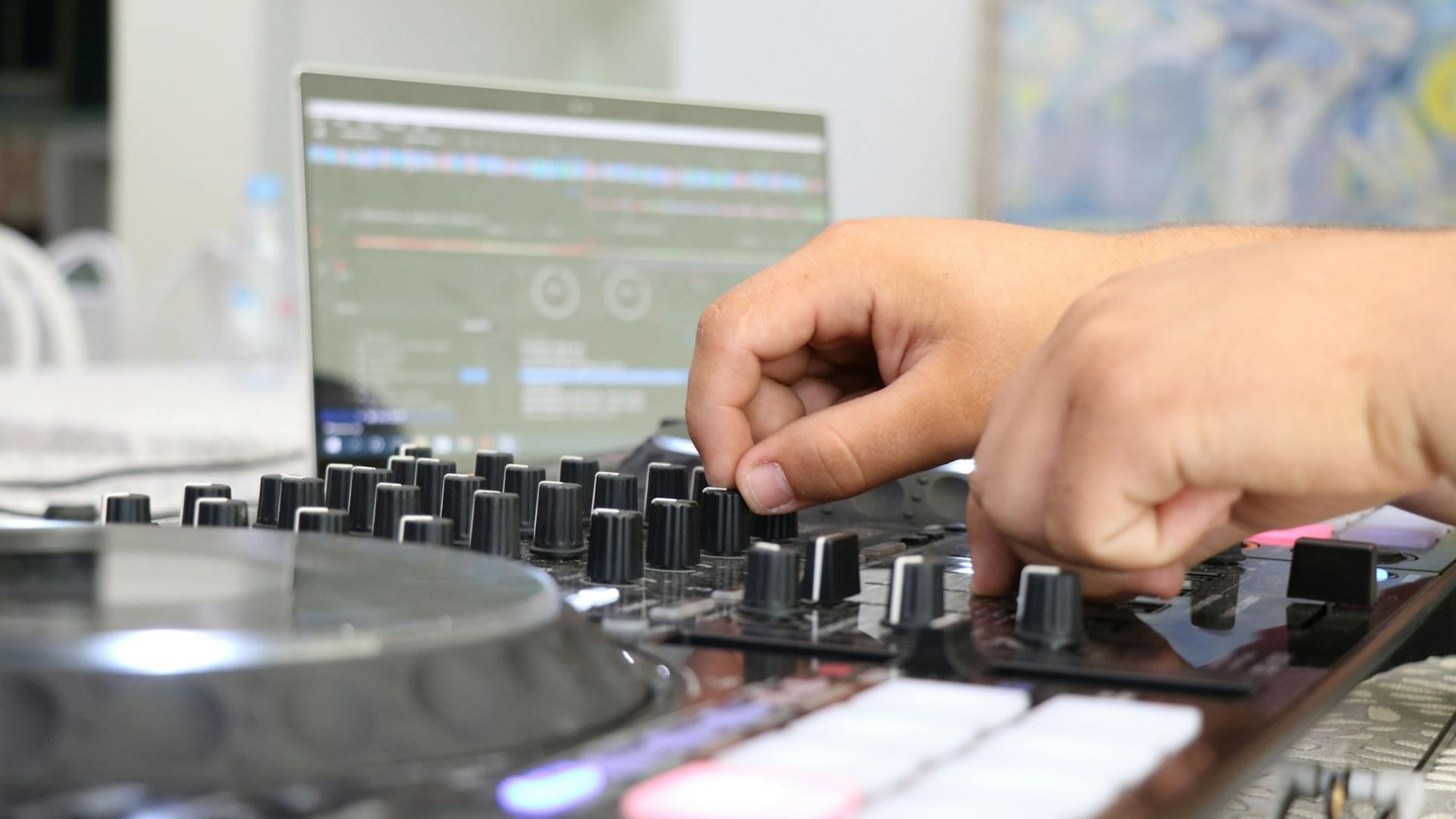
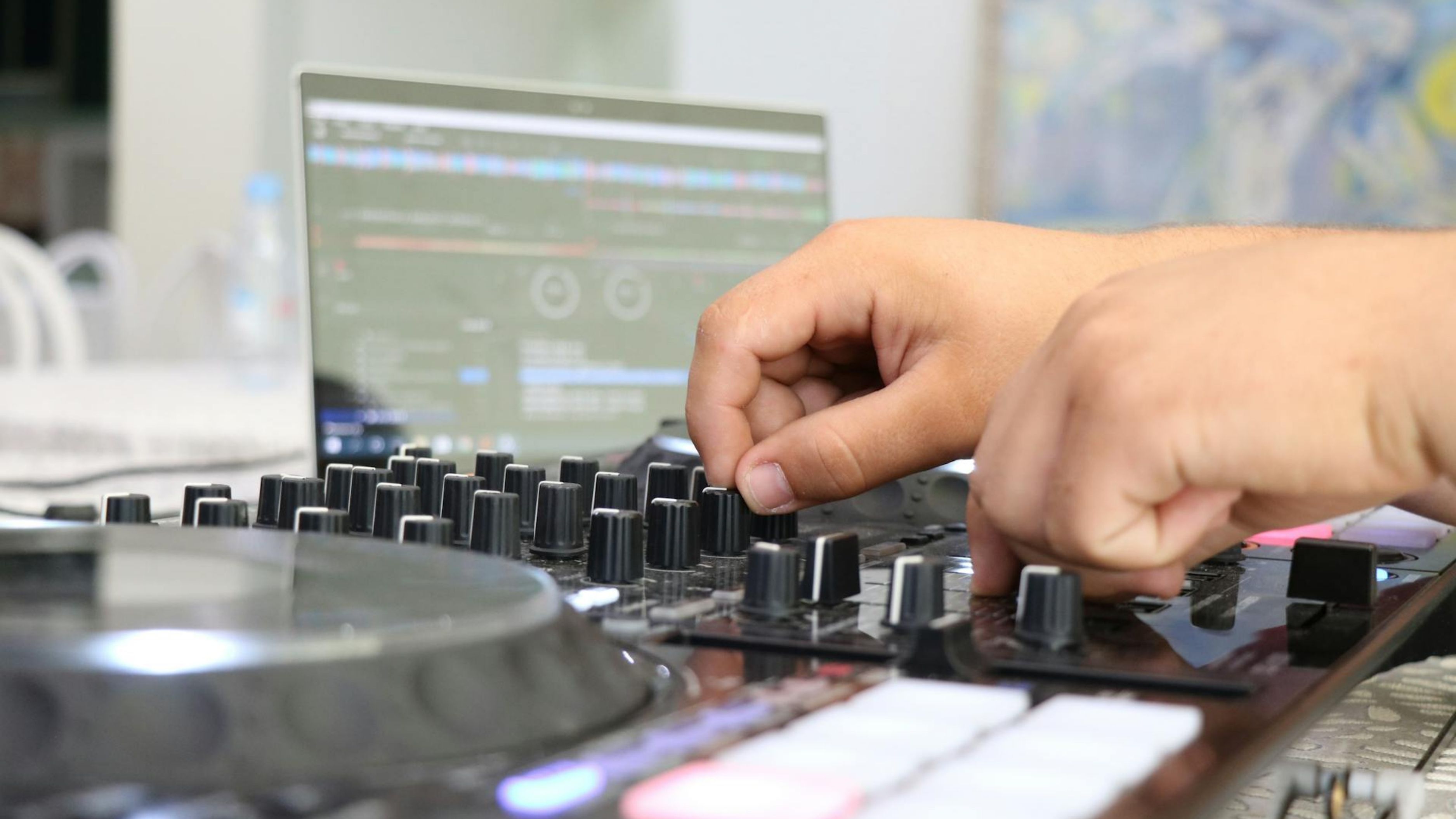
The democratization of music production has shifted the landscape so dramatically that the sounds dominating your playlist might very well have been mixed on someone's laptop at 2 a.m., surrounded by posters and laundry. This isn't about sacrificing quality for accessibility—it's about rewriting the entire playbook for what "professional" music production looks like.
1. The Tech Revolution Made Everyone a Potential Hitmaker
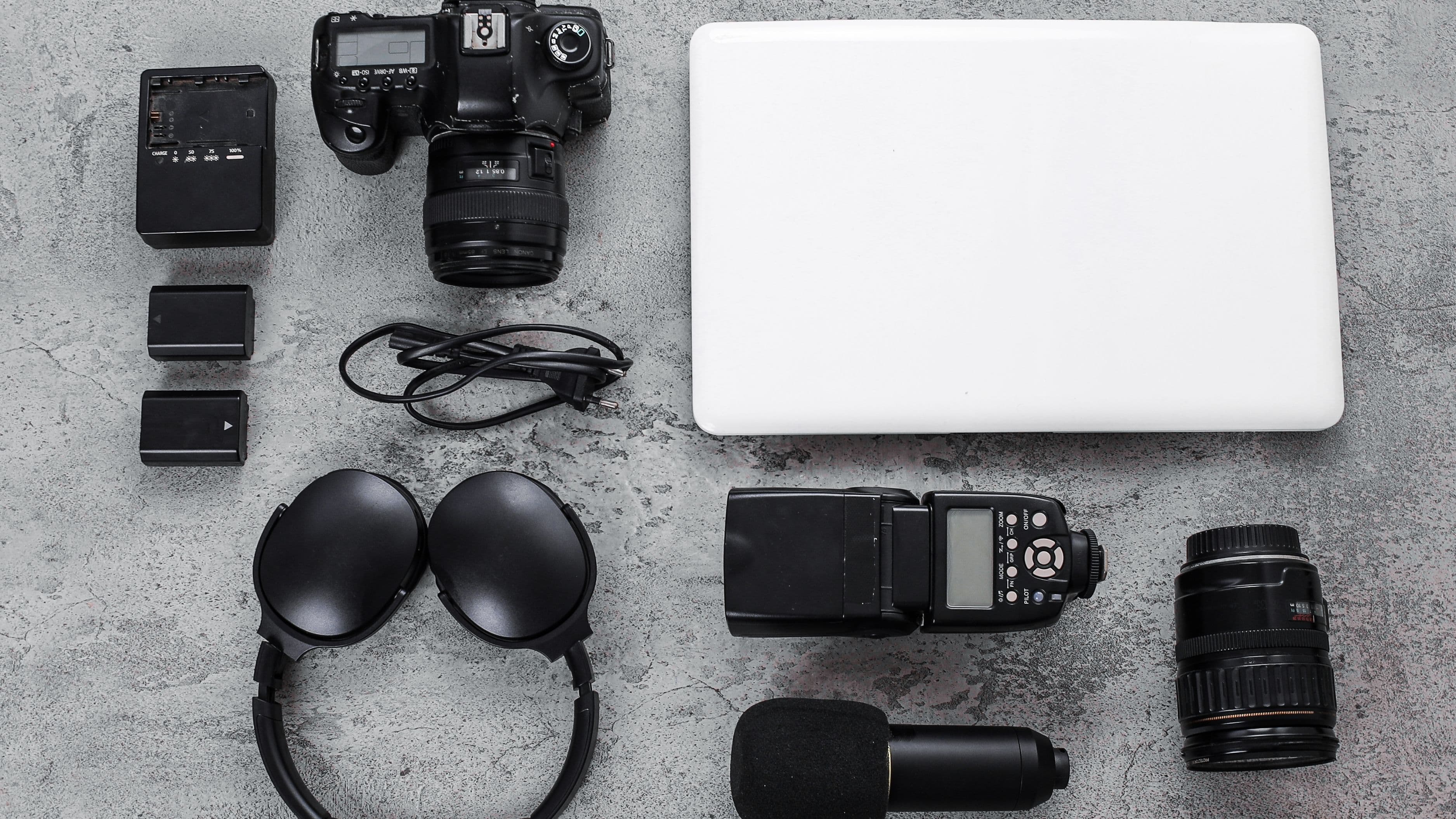
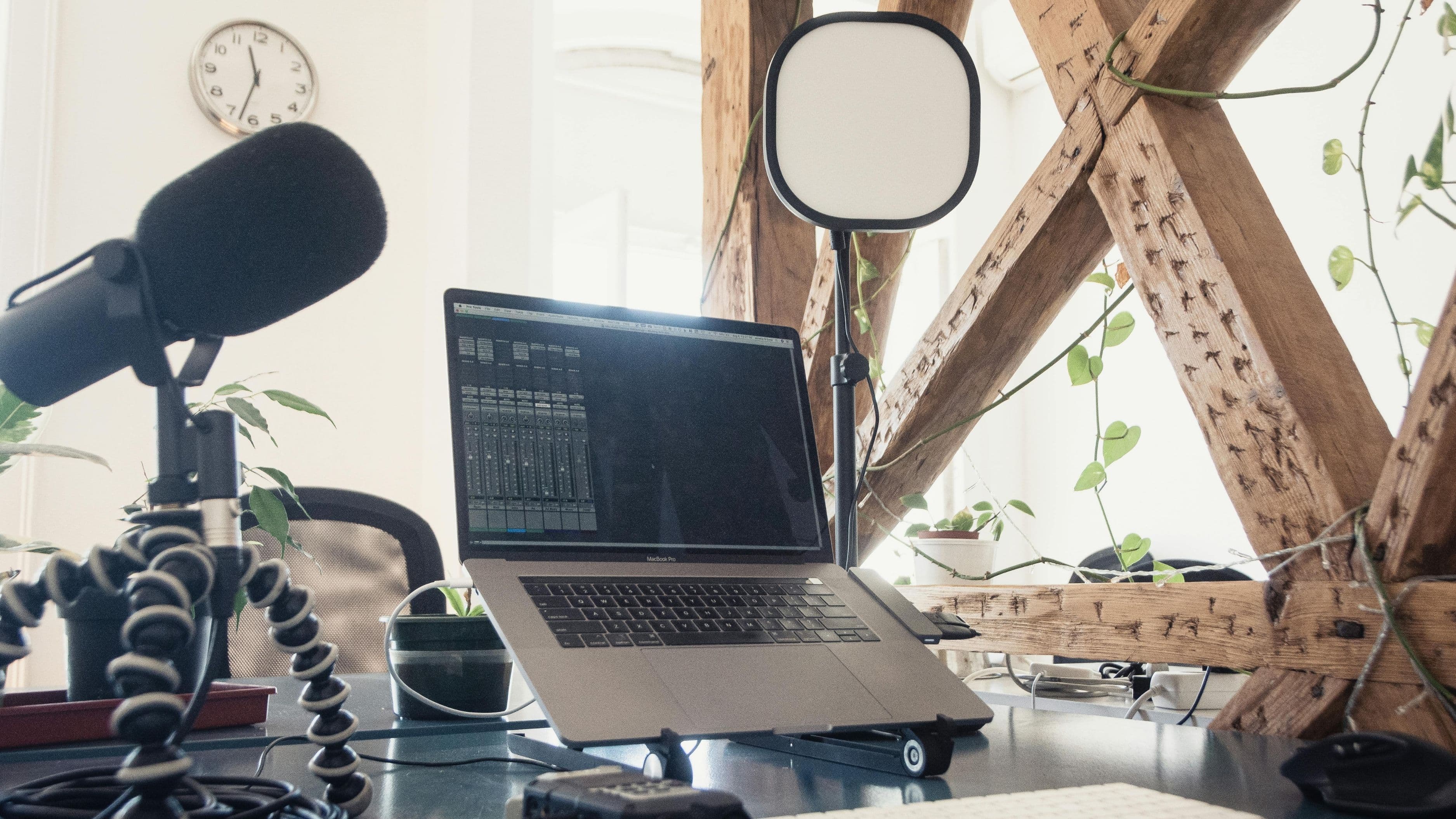
Here's the thing about modern music production: the barrier to entry has practically evaporated. Twenty years ago, if you wanted to produce radio-quality tracks, you'd need to drop anywhere from $50,000 to several hundred thousand dollars on equipment and studio time. Today, a decent laptop, a $200 audio interface, and some free or affordable software can get you 90% of the way there. Programs like FL Studio, Ableton Live, and Logic Pro have become so sophisticated that the sonic difference between bedroom productions and major label releases is often indistinguishable.
The plugin revolution has been particularly transformative. Virtual instruments and effects can now replicate everything from a $3,000 synthesizer to an entire orchestra, all running inside your computer. Producers like Kenny Beats and Benny Blanco have openly discussed how much of their work happens "in the box"—industry speak for working entirely within digital audio workstations rather than with outboard gear. When A-list producers admit they're using the same tools available to anyone with an internet connection, you know the playing field has fundamentally changed.
What's more, platforms like YouTube and Reddit have created a knowledge-sharing ecosystem that would have been unthinkable in previous eras. Aspiring producers can watch tutorials from Grammy winners, download sample packs used on actual hit records, and get feedback from global communities—all without leaving their bedroom. The mystique around production techniques has given way to radical transparency, accelerating the learning curve for newcomers exponentially.
2. Genre-Blending Is Now the Default Setting
Bedroom producers aren't just mimicking mainstream sounds—they're actively reshaping them by throwing traditional genre boundaries out the window. When you're working alone without label executives breathing down your neck or session musicians locked into specific styles, experimentation becomes second nature. This freedom has given us some of the most exciting sonic innovations in recent memory.
Take hyperpop, a genre that basically exploded out of bedrooms and SoundCloud accounts before major labels even knew what to call it. Artists like 100 gecs crafted a sound so chaotic and genre-defiant that it felt simultaneously futuristic and nostalgic, sampling everything from ska to hardcore techno in single tracks. That kind of fearless genre-mashing rarely happened in traditional studio environments where conventional wisdom and commercial pressures kept experimentation in check.
The influence extends beyond niche genres, too. Mainstream pop now routinely incorporates trap hi-hats, lo-fi textures, hyperpop vocal manipulations, and ambient soundscapes—all elements that percolated up from bedroom producer culture. When Post Malone blends country, hip-hop, and rock, or when Olivia Rodrigo seamlessly shifts from punk-adjacent verses to orchestral bridges, they're benefiting from a production landscape where stylistic purity matters less than emotional resonance. Bedroom producers normalized the idea that good music doesn't need to stay in its lane, and that ethos has thoroughly infiltrated the mainstream.
3. The "Lo-Fi Aesthetic" Became a Feature, Not a Bug
Remember when imperfect audio quality was something to hide? Bedroom producers flipped that script entirely. What started as a practical limitation—less-than-pristine recording conditions—evolved into an intentional aesthetic choice that audiences genuinely prefer in many contexts. The lo-fi hip-hop phenomenon demonstrated that listeners often find warmth, authenticity, and relatability in music that doesn't sound surgically perfect.
This shift has had profound implications for mainstream production values. Artists like Clairo built massive followings with tracks that deliberately preserved bedroom recording quirks—slightly uneven vocal levels, ambient room noise, the intimate proximity of a home recording setup. Rather than hearing these elements as unprofessional, listeners interpreted them as genuine and unfiltered. Major label artists took notice, with some deliberately adding lo-fi textures to their otherwise polished productions to capture that same intimacy.
The psychological effect shouldn't be underestimated. In an era of social media perfection fatigue, music that sounds like it came from a real person's actual living space creates connection. It signals that success doesn't require gatekeepers or impossible resources—just talent, dedication, and the courage to share your work. That message resonates powerfully with audiences who increasingly value authenticity over glossy overproduction. Even artists working in professional studios now sometimes intentionally "bedroom-ify" their tracks, adding vinyl crackle, tape saturation, or deliberate imperfections to recapture that magic.
4. Distribution Platforms Leveled the Playing Field
Creating great music in your bedroom is only half the story—getting it heard is the other half, and that's where platforms like SoundCloud, Spotify, and TikTok have been absolute game-changers. The traditional gatekeeping structure—where you needed a label deal, radio play, and massive marketing budgets to reach audiences—has been effectively dismantled. Now, a teenager in their bedroom can upload a track and potentially have it streaming on millions of devices within days.
SoundCloud democratized distribution first, becoming the launchpad for entire waves of artists who would have never gotten past traditional industry gatekeepers. Lil Nas X famously bought a beat for $30 online, recorded "Old Town Road" on his laptop, and used social media savvy to turn it into the longest-running #1 hit in Billboard history. That trajectory was literally impossible in the pre-streaming era. The fact that major labels now actively scout SoundCloud and YouTube for talent reveals just how completely the discovery model has been upended.
TikTok has accelerated this trend even further by making virality almost random and entirely merit-based from the algorithm's perspective. A bedroom producer's track has the same potential to explode as one backed by a major label's marketing machine—sometimes even better potential, since TikTok users often gravitate toward authenticity and novelty over polish. When Gayle's "abcdefu" went from bedroom recording to global phenomenon via TikTok, it proved that the old infrastructure isn't just optional anymore—it's sometimes actually a disadvantage compared to organic, platform-native growth.
5. Collaboration Happens Across Continents Now
The bedroom producer revolution has fundamentally transformed how musical collaboration works. Previously, getting multiple artists or producers together meant coordinating studio time, travel, and significant financial investment. Now, files get shared across time zones via WeTransfer, stems get swapped through Discord, and entire albums get created by people who've never met in person. This shift has expanded the creative possibilities exponentially.
The "type beat" culture on YouTube perfectly illustrates this new paradigm. Producers upload instrumentals freely for artists to record over, creating a global marketplace of collaboration where geography is irrelevant. Some of these beats have ended up on major label releases, with the original producer getting their break through a simple YouTube upload. The traditional model of A&R representatives pairing artists with specific producers has been supplemented—and sometimes replaced—by organic, internet-native matchmaking.
This distributed collaboration model has also enabled sounds to cross-pollinate globally at unprecedented speed. A producer in Seoul might be influenced by UK grime, incorporate elements of Brazilian funk, and collaborate with a vocalist in Toronto—all within a single track. These kinds of intercontinental fusions happened occasionally in the past, but required significant resources and industry connections. Now they're happening constantly, driven by bedroom producers with good internet connections and no preconceptions about how collaboration "should" work. The result is a mainstream music landscape far more globally connected and stylistically diverse than any previous era.
6. Artist Independence Is Becoming the Norm
Perhaps the most significant shift bedroom production has enabled is the rise of truly independent artists who retain creative control and ownership of their work. When you can produce, mix, and distribute music entirely on your own, the traditional label deal becomes far less essential—and far less appealing once you understand how much creative freedom and financial upside you're surrendering.
Artists like Chance the Rapper proved you could reach massive audiences, win Grammys, and build sustainable careers without ever signing a traditional record deal. His success wasn't just about talent—it was about having the production capabilities to create commercially competitive music independently. That blueprint has been studied and replicated by countless artists who recognize that the financial and creative benefits of independence outweigh the promotional muscle labels provide, especially in an algorithmic discovery environment.
The economics have shifted dramatically too. Traditionally, artists received roughly 15-20% of revenue after the label recouped all expenses, which could take years if it happened at all. Independent bedroom producers keeping 100% of their streaming revenue (minus platform fees) often come out ahead financially even with smaller audience sizes. This economic reality has made independence not just creatively satisfying but actually the smarter financial choice for many artists. Labels haven't disappeared, but they've had to evolve, offering more artist-friendly deals and operating increasingly as service providers rather than gatekeepers.
7. The "Vibe" Matters More Than Technical Perfection
In the bedroom producer era, capturing the right feeling has become more important than achieving technical flawlessness. This represents a genuine philosophical shift in how we evaluate music quality. Traditional studio culture obsessed over eliminating every imperfection—pitch correction, timing quantization, noise reduction, anything that deviated from technical excellence. Bedroom producers couldn't always achieve that standard, so they focused instead on emotional authenticity and atmospheric cohesion.
Interestingly, audiences responded more strongly to the latter. Mac Miller's "Swimming," largely self-produced in his home studio, resonates emotionally despite (or perhaps because of) its more organic, less surgically precise production. The album feels lived-in and genuine in ways that highly polished productions sometimes don't. That emotional directness has become a production value in itself—one that mainstream music has increasingly embraced.
This vibe-centric approach has also changed mixing and mastering philosophies. Where traditional engineers might have spent hours perfecting a drum sound, bedroom producers often make quick intuitive decisions based on feel, keeping whatever serves the song's emotional core. Sometimes that means leaving in a slightly pitchy vocal run that feels vulnerable and real, or preserving room ambience that makes the listener feel present in the space. These choices prioritize connection over perfection, and in doing so, they've redefined what "professional quality" actually means.
8. Sampling Culture Has Evolved Into Something New
Bedroom producers have taken sampling—already a foundational element of hip-hop and electronic music—and evolved it into something far more creative and legally ambiguous. Without label legal teams worrying about clearances, bedroom producers sample freely and inventively, often transforming their source material so thoroughly that it becomes unrecognizable. This creative freedom has generated entirely new approaches to production.
The rise of "flipping" samples—taking a brief snippet and manipulating it beyond recognition through pitch-shifting, time-stretching, chopping, and effects processing—has become an art form unto itself. Producers compete to create the most creative flips, sharing their techniques and pushing each other to more innovative transformations. When these approaches migrate into mainstream production, they bring a level of sample creativity that wouldn't have been possible in more legally cautious professional studio environments.
Splice and similar sample marketplace platforms have formalized this culture somewhat, providing legally cleared samples and loops that producers can use freely. But the bedroom producer ethos of adventurous sampling persists, with artists digging through obscure records, YouTube videos, old video games, and random internet audio to find unique textures. This crate-digging mentality in the digital age has enriched mainstream music with unexpected sonic references and nostalgic easter eggs that create deeper listener engagement. When you hear a manipulated sample from a 1970s Turkish psych record in a Top 40 pop song, that's the bedroom producer influence at work.
The Bigger Picture: What This Means for Music's Future
The bedroom producer revolution isn't just changing how music gets made—it's fundamentally transforming who gets to make it and what it sounds like. We're living through a genuinely unprecedented moment of creative democratization, where talent and vision matter more than access to expensive infrastructure. The sounds permeating mainstream music increasingly reflect the diversity of perspectives that this accessibility enables, incorporating influences and approaches that would have been filtered out by traditional gatekeeping systems.
But here's the question worth sitting with: as bedroom production becomes the norm rather than the exception, what happens to the collaborative magic that sometimes emerged from traditional studio environments? Is something valuable lost when artists work in isolation rather than in creative communities? Or does the global connectivity of digital collaboration actually create more creative possibility than geographic proximity ever could?
The answer probably isn't either/or. The most exciting music of the next decade will likely blend the best of both worlds—the accessibility and creative freedom of bedroom production with the intentional collaboration and specialized expertise that traditional studios offered. What's certain is that the genie isn't going back in the bottle. Bedroom producers haven't just changed mainstream music's sound—they've permanently altered the entire industry's power dynamics, creative processes, and fundamental assumptions about who gets to participate in shaping popular culture. And honestly? The music is better for it.
📚 Sources
1. Recording Industry Association of America (RIAA). (2024). Year-End Music Industry Revenue Report.
2. Spotify for Artists. (2024). Independent Artist Growth and Distribution Statistics.
3. Billboard. (2019). "Inside the Making of Billie Eilish's 'When We All Fall Asleep, Where Do We Go?'" Published March 2019.
4. Pew Research Center. (2023). Social Media and Music Discovery Trends Among Young Adults.
5. Music Business Worldwide. (2024). The Economics of Independent Music Distribution in the Streaming Era.