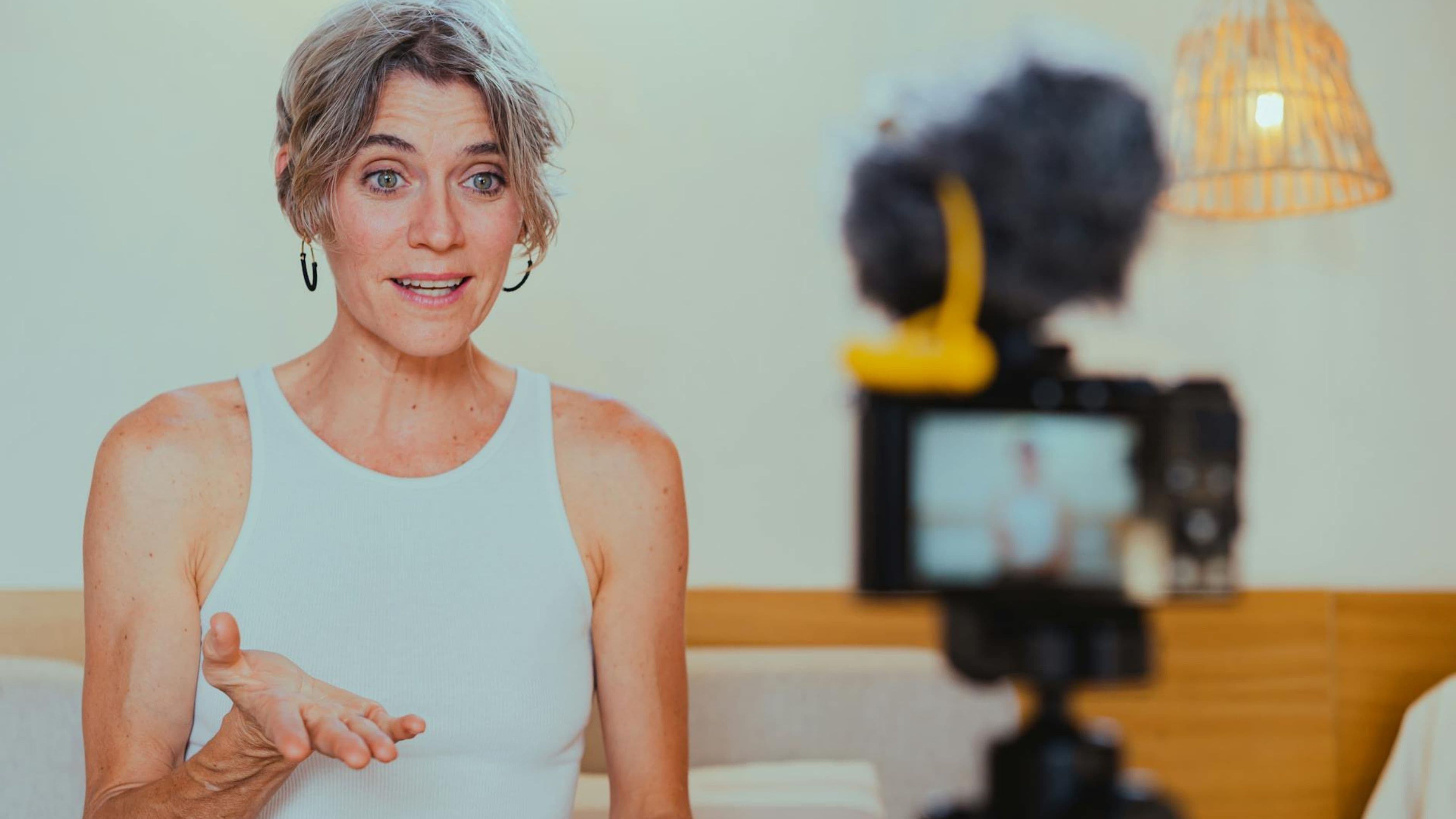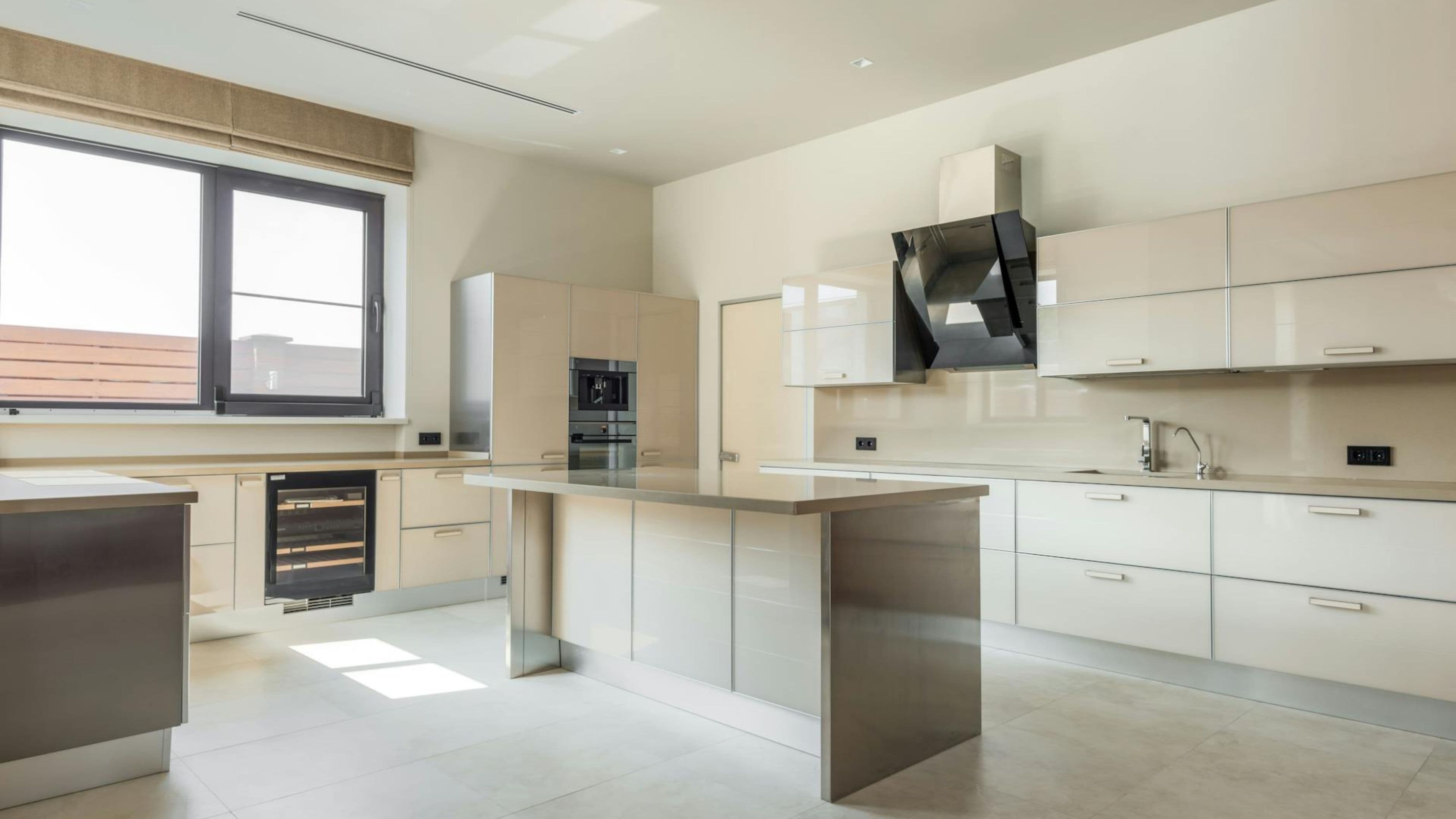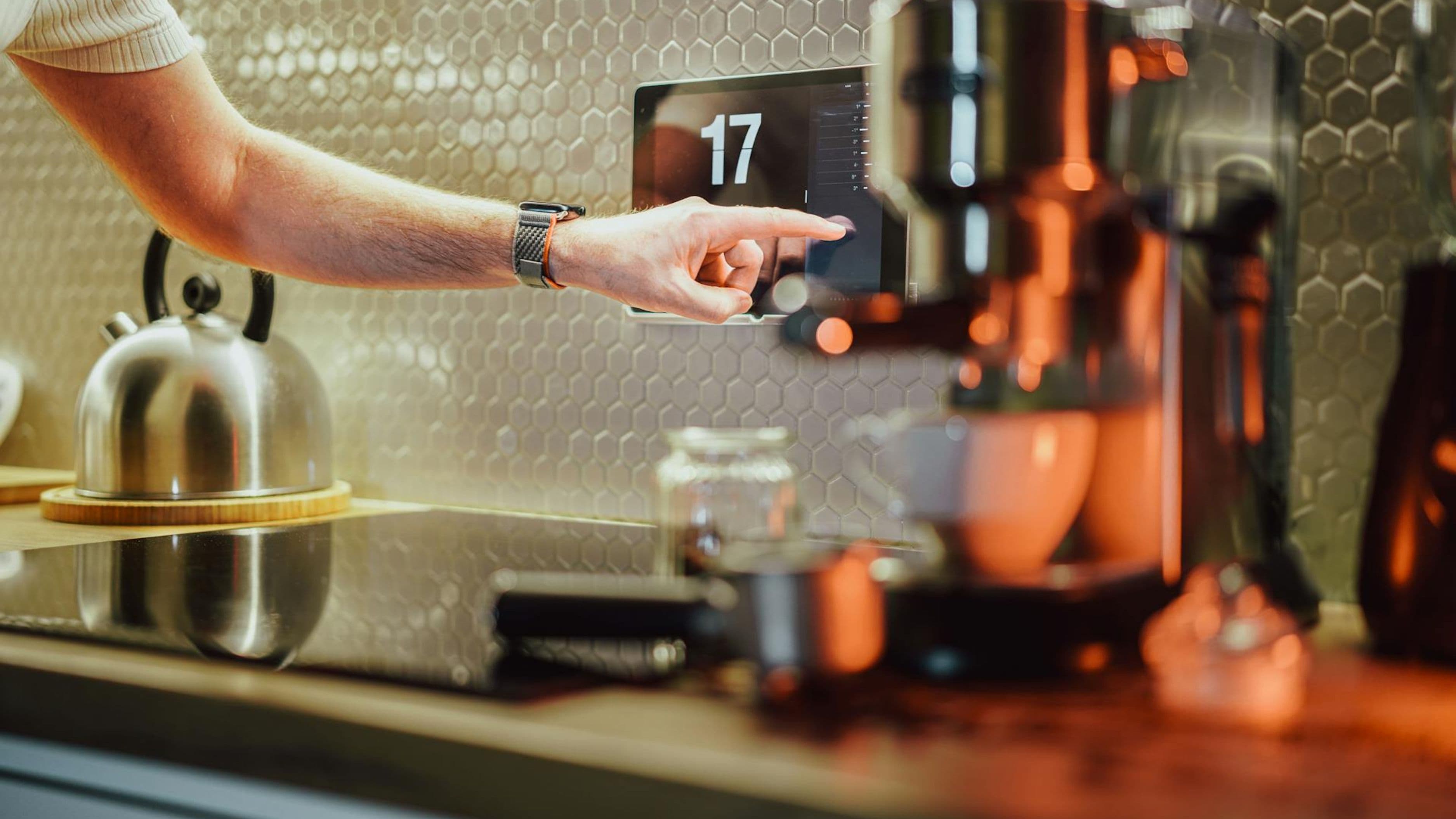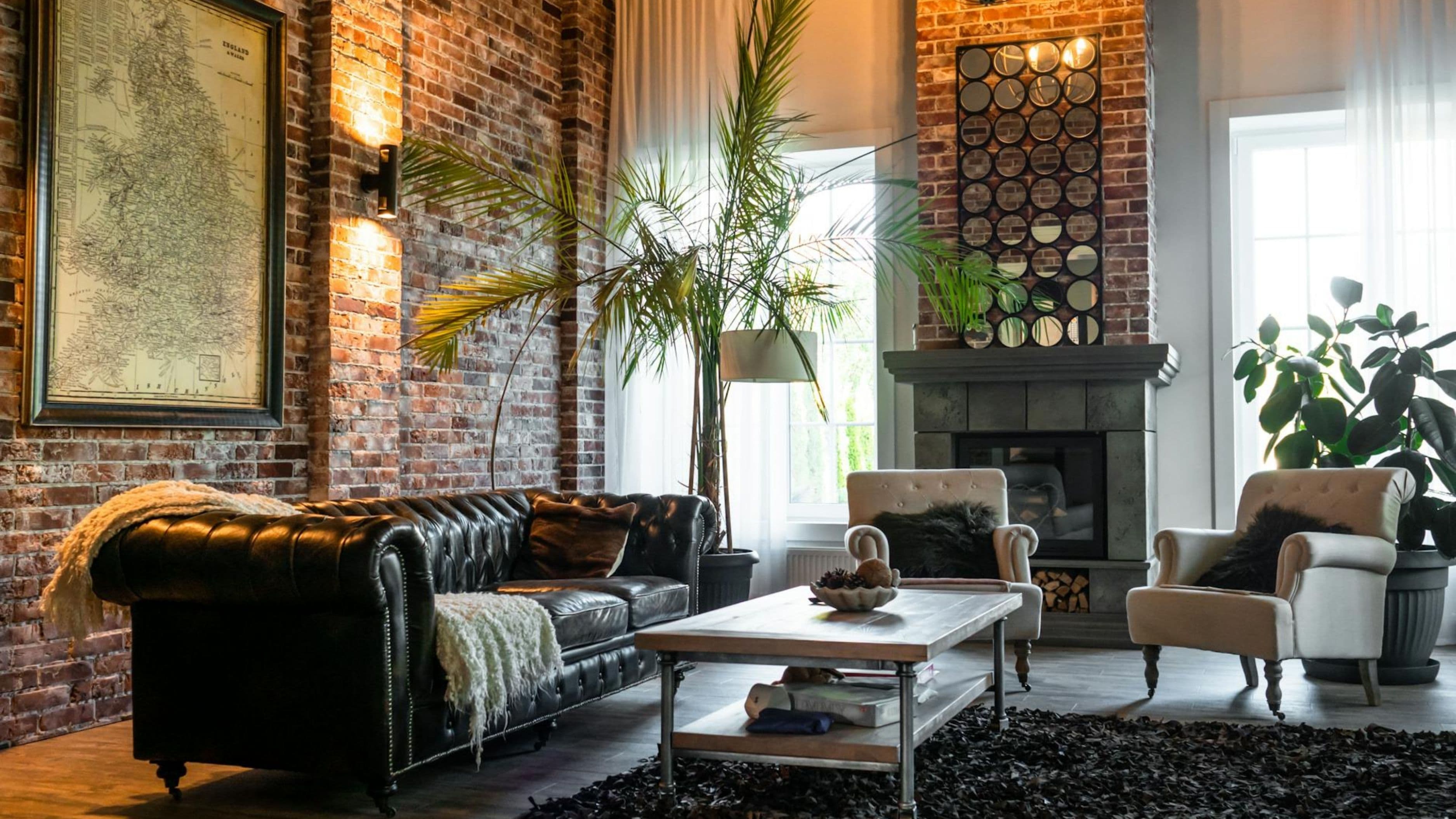

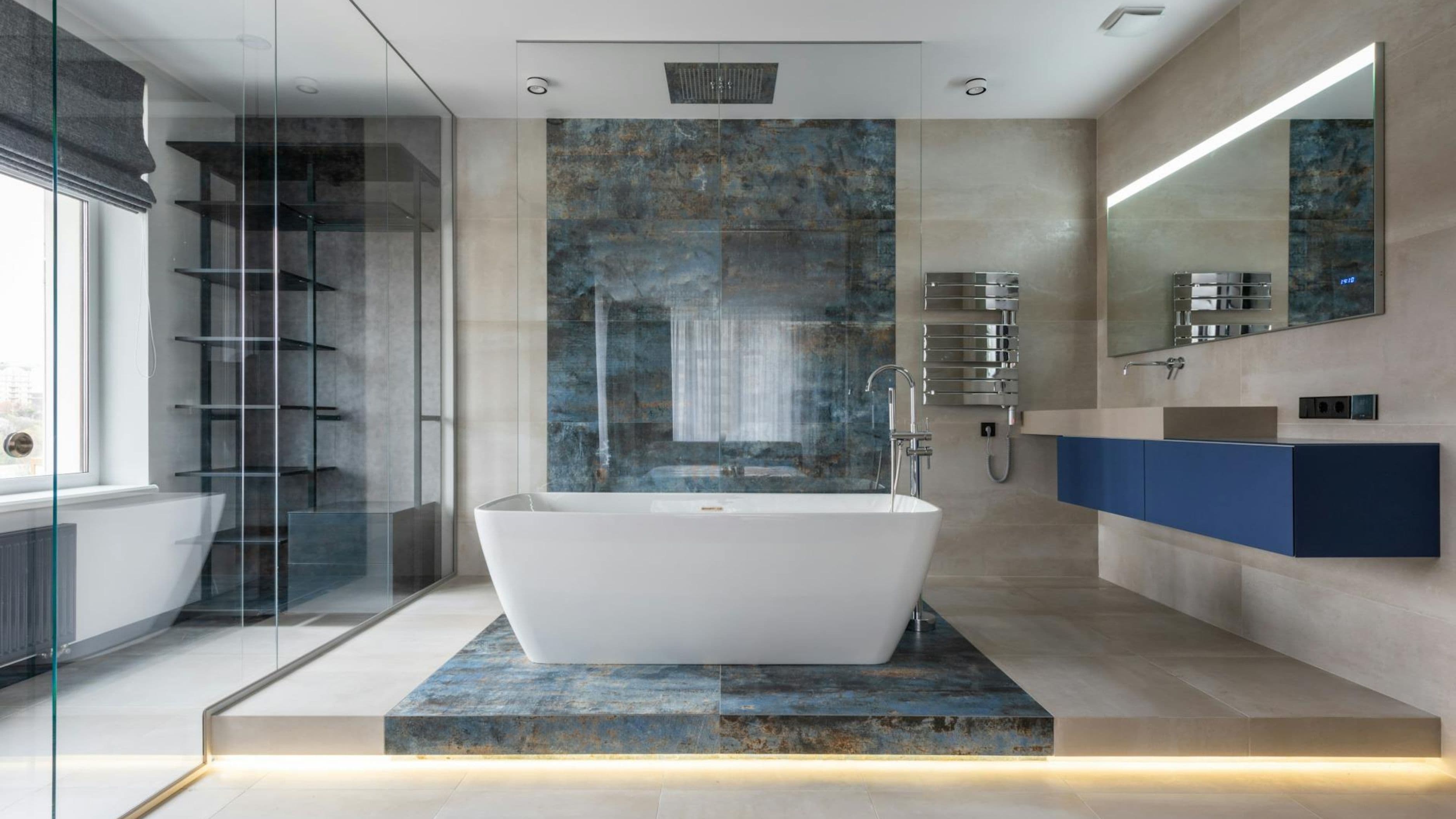
It's a fair question. Somewhere between 2020 and now, bathroom design content exploded from a niche interior design corner into a full-blown social media phenomenon. We're not just talking about aspirational luxury bathrooms anymore—people are genuinely invested in subway tile debates, grout color discourse, and the heated controversy over whether pedestal sinks are making a comeback. The bathroom, once the most private room we rarely discussed, has become one of the internet's favorite stages.
1. The pandemic turned bathrooms into personal sanctuaries
When the world shut down, our homes became everything: office, gym, restaurant, and escape room all at once. The bathroom emerged as the last true private space in homes where families were suddenly together 24/7. It became more than functional—it became sacred. People started viewing their bathrooms not as utilitarian spaces to rush through, but as mini-spas where they could lock the door and breathe for five uninterrupted minutes.
This shift in perception translated directly into social media content. Users began sharing their bathroom transformations as acts of self-care, not vanity. A claw-foot tub wasn't just a design choice; it represented reclaiming peace in chaos. The comments sections filled with people swapping stories about their own "bathroom retreats," creating a sense of community around these once-mundane spaces. The algorithm noticed this engagement and started serving more bathroom content, creating a feedback loop that pushed it further into mainstream feeds.
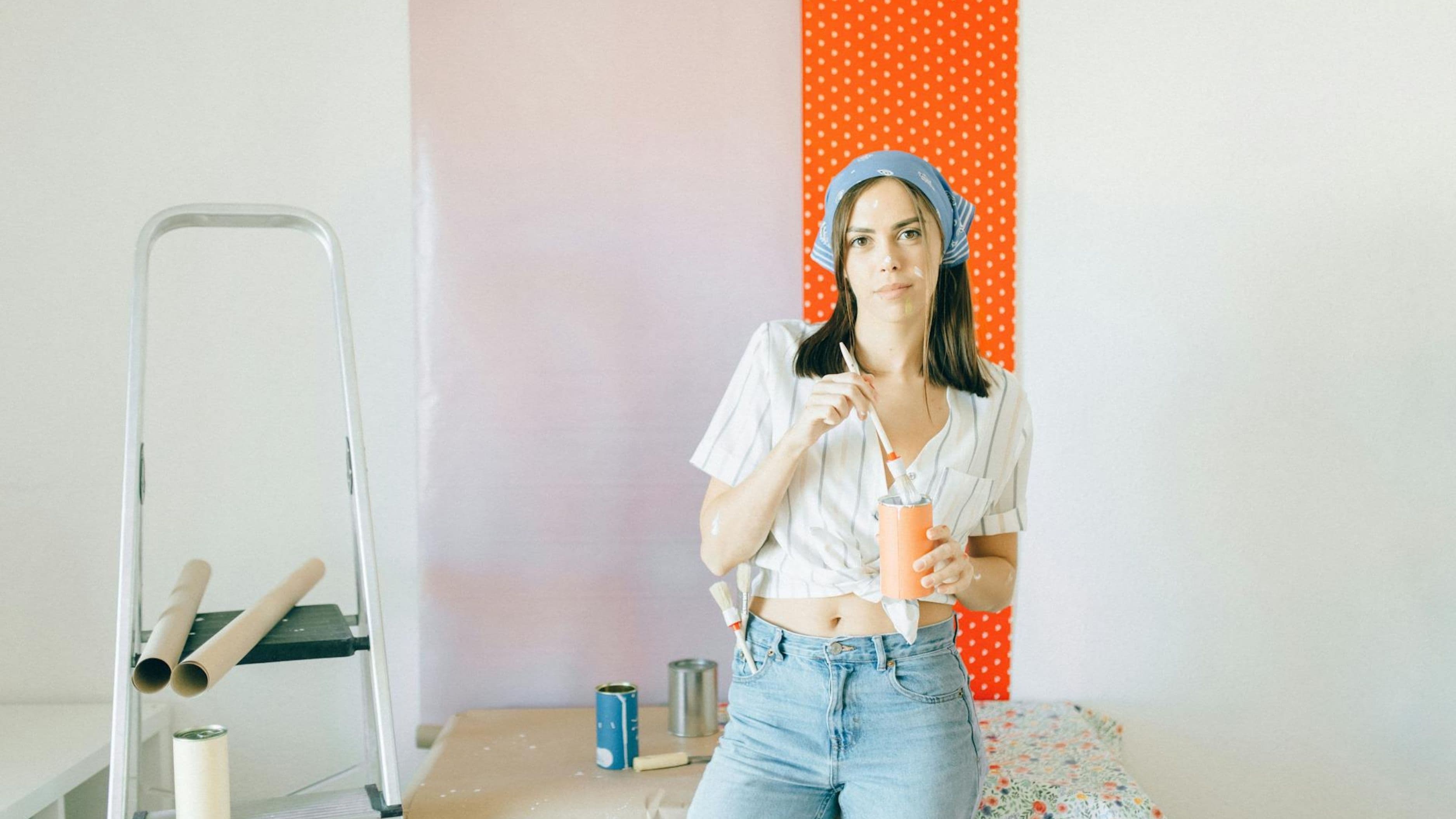
What makes this particularly fascinating is how democratic the trend became. You didn't need a $50,000 renovation to participate—people celebrated budget makeovers using peel-and-stick tile and thrifted mirrors just as enthusiastically as high-end remodels. The bathroom became a canvas for creativity that felt achievable, not aspirational in an intimidating way.
2. Bathroom content hits the perfect sweet spot between practical and aesthetic
Unlike kitchen renovations that require considering appliances, workflow, and cooking habits, or bedroom designs that involve complex personal taste in textiles and furniture, bathrooms offer a contained design challenge with clear before-and-after impact. The space is usually small, the elements are predictable (toilet, sink, shower or tub), and the transformation possibilities are endless within those constraints. This makes bathroom content incredibly satisfying to consume—it's like watching a puzzle get solved in real-time.
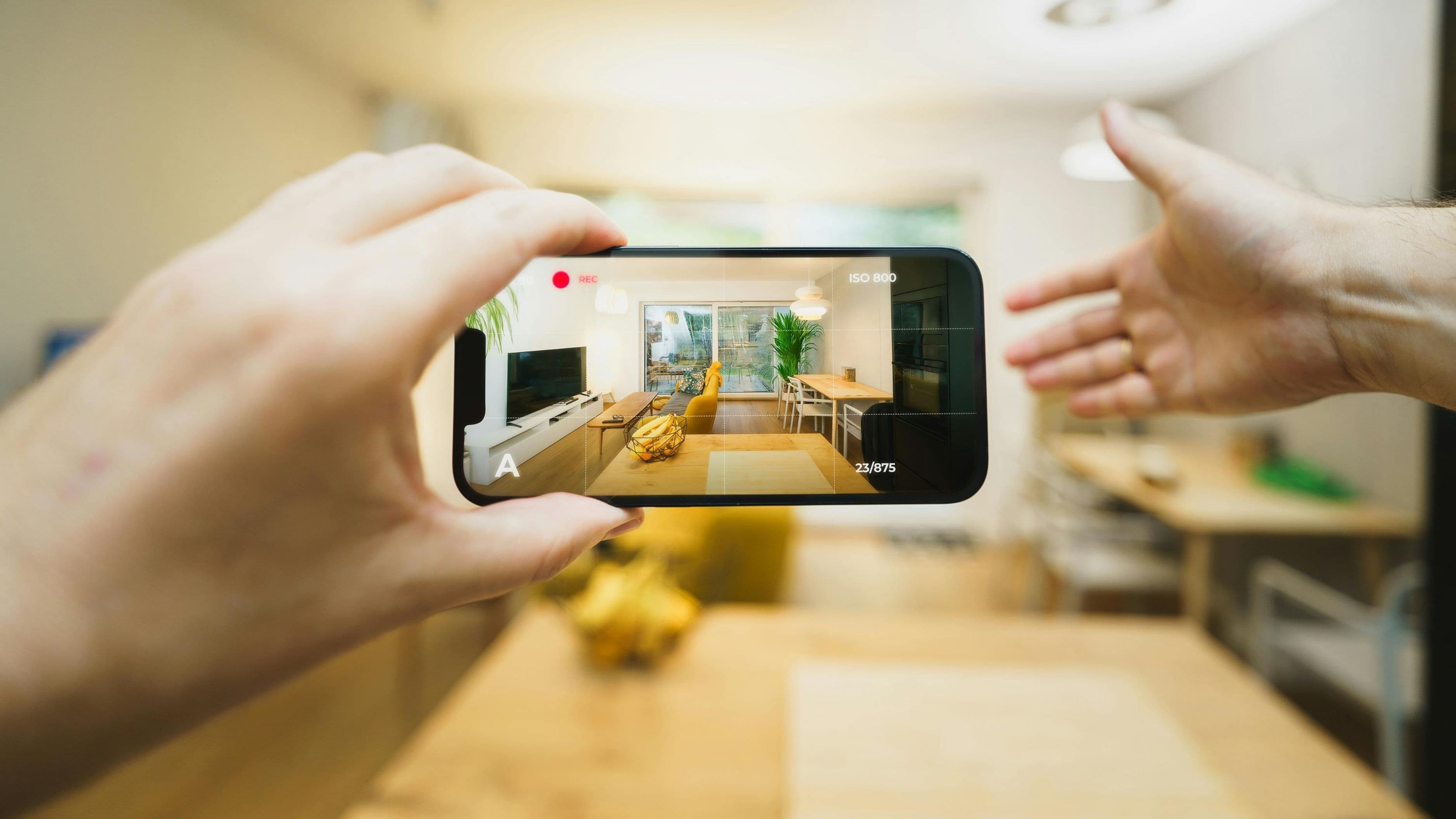
Social media thrives on visual transformation content, and bathrooms deliver dramatic results in compact packages. A dated bathroom with peachy tile and brass fixtures can become a modern oasis with the right choices, and that journey photographs beautifully. TikTok users have turned DIY bathroom renovations into serialized entertainment, posting daily updates that keep viewers coming back. One creator's bathroom renovation can easily rack up millions of views across a series of posts, with audiences genuinely invested in whether they'll choose matte black or brushed gold fixtures.
The technical aspects also create endless content opportunities. People want to know about waterproofing shower niches, the best caulk for longevity, and whether large-format tiles really make small spaces feel bigger. These practical questions drive engagement because they're specific, searchable, and immediately applicable to viewers' own lives.
3. Bathroom design became a personality statement
Maximalist powder rooms with bold wallpaper and ornate mirrors signal confidence and creativity. Minimalist white bathrooms with Japanese soaking tubs communicate a different aesthetic philosophy entirely—one of restraint, mindfulness, and intentional living. Your bathroom choices now say as much about you as your book collection or music taste once did, and social media has amplified this self-expression.
Generation Z and younger millennials, in particular, have embraced bathroom aesthetics as part of their personal brand. A well-designed bathroom isn't just for guests anymore; it's content for your followers. The phrase "Instagrammable bathroom" has become a real consideration in design decisions, with people thinking about lighting, angles, and how their space will photograph. This might sound superficial, but it's actually democratized good design—when people care about how spaces look on camera, they tend to put more thought into cohesive aesthetics.
Celebrity influence has played a role here too. When stars like Emma Chamberlain or Architectural Digest features showcase stunning bathroom designs in home tours, they normalize the idea that bathrooms deserve the same design attention as living rooms. These spaces have stepped out of the shadows and into the spotlight, literally.
4. The algorithm loves a good niche
Social media platforms have become increasingly sophisticated at serving hyper-specific content to interested audiences, and bathroom design proved to be algorithmic gold. Once you watch one bathroom renovation video, you're immediately categorized, and your feed becomes a curated stream of tile patterns, fixture finishes, and lighting solutions. This creates micro-communities of bathroom design enthusiasts who might never have found each other otherwise.
Hashtags like #BathroomReno, #BathroomMakeover, and #BathroomInspo have billions of collective views on TikTok alone. Instagram's bathroom design community thrives on accounts dedicated solely to bathroom inspiration, some with hundreds of thousands of followers. These platforms' recommendation algorithms reward consistent, niche content creation, encouraging more people to document their bathroom journeys. The more specific the content, the more likely it finds its passionate audience—and bathroom design is wonderfully specific.
What's particularly clever is how creators have learned to game this system. They tease big reveals, create suspense around material choices, and engage viewers in decision-making polls. This interactive element transforms passive viewing into active participation, which algorithms reward with even greater reach.
5. Budget transparency created trust and relatability
One of the most refreshing aspects of bathroom design content is the financial honesty. Creators regularly break down costs, compare budget versus splurge options, and share where they saved money versus where they invested more. This transparency builds trust and makes the content feel accessible rather than exclusively aspirational.
YouTube is particularly rich with detailed renovation budgets, where creators itemize every expense from demolition to final accessories. Viewers appreciate this candor because it helps them plan their own projects realistically. When someone shows a stunning bathroom and reveals it cost $3,000 versus $30,000, it inspires viewers to tackle their own spaces rather than feeling defeated by unattainable luxury. The comments sections on these videos become resource-sharing communities where people exchange contractor recommendations, material sources, and money-saving tips.
This budget consciousness also reflects broader economic realities. Many homeowners are renovating rather than moving, making strategic improvements to increase home value or simply refresh tired spaces. Bathroom renovations offer significant return on investment, and social media content helps people make informed decisions about where to allocate their budgets for maximum impact.
6. It taps into our love for closure and completion
There's profound psychological satisfaction in watching something transform from ugly to beautiful, from dysfunctional to perfect. Bathroom renovations deliver this satisfaction in concentrated doses. Unlike landscaping projects that take seasons to mature or furniture refinishing that involves tedious steps, bathroom transformations show immediate, dramatic results.
The before-and-after format is social media catnip, triggering our brains' reward centers when we see problems solved and chaos organized. Watching someone rip out water-damaged drywall and replace it with gleaming tile satisfies our desire for resolution. It's the same dopamine hit we get from organizing videos or power-washing content—but with higher stakes and more impressive visual payoff. These transformations also tap into our aspirational selves, showing us that change is possible and that ugly, neglected spaces can become sources of daily joy.
Time-lapse videos of entire bathroom renovations condensing weeks of work into 60 seconds have become particularly viral. They allow viewers to experience the satisfaction of completion without the actual labor, creating an oddly addictive viewing experience that people return to repeatedly.
The popularity of bathroom design content reveals something deeper about our relationship with our homes and how we present ourselves online. These spaces that were once purely functional and private have become creative outlets and social currency. As we spend more time at home and more time online, the intersection between physical space and digital sharing continues to grow. The bathroom—intimate, transformable, and photogenic—sits perfectly at this intersection.
Whether you're planning your own renovation or just enjoy the vicarious satisfaction of watching transformations unfold, bathroom design content isn't disappearing anytime soon. It's carved out its permanent place in the social media landscape, proving that even the most overlooked spaces can become sources of inspiration, community, and surprisingly engaging entertainment. So the next time you find yourself deep in a bathroom tile rabbit hole at midnight, know you're not alone—you're part of a thriving digital community that's redefined what rooms are worth talking about.
📚 Sources
1. Houzz. (2023). 2023 U.S. Houzz & Home Study: Bathroom Trends. Houzz Inc.
2. National Kitchen & Bath Association. (2024). Design Trends Survey: Bathroom Edition. NKBA Research.
3. Instagram Business Blog. (2023). "How Home Improvement Content is Reshaping Interior Design Conversations." Meta Platforms.